
What It Actually Costs to Start a Legal Rental in Dewey Beach, DE

Updated: Aug 27
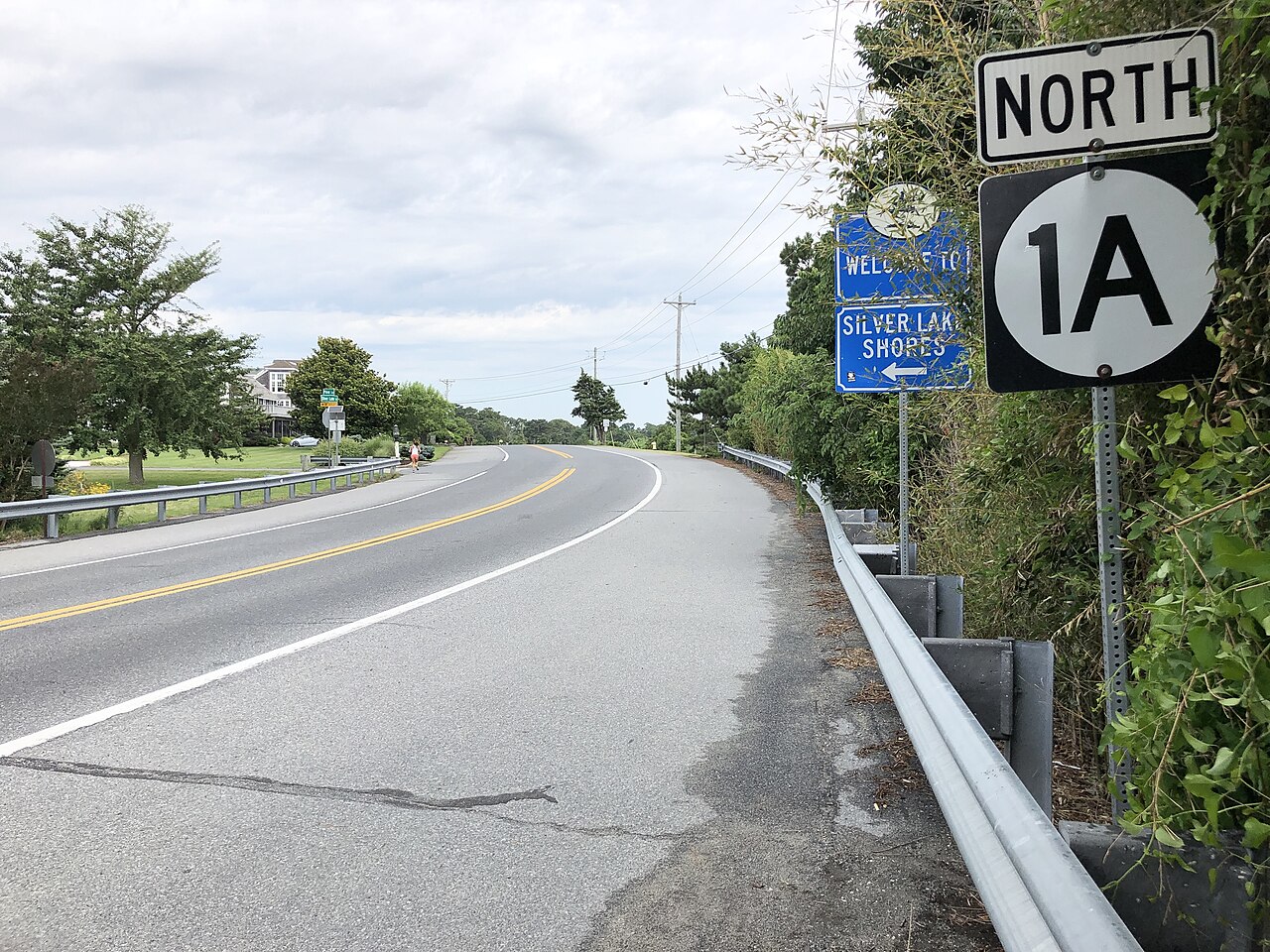
Starting a legal Dewey Beach rental is a parcel-and-paper problem before it is a furniture problem. The town is a thin Atlantic strip in Sussex County, the clerk is the Town of Dewey Beach, and the path runs through a residential rental license, a window cling visible from the street, Casella trash, occupancy at two per bedroom plus two, and two tax desks that do not care about your Pinterest board. A 30-plus product is a different merchandising shape that still has to match the license. This page stacks the startup costs you can defend without inventing a purchase price, a sofa package, or a remodel bid this packet cannot screenshot.
Read it beside theDewey Beach STR rules page, theinvestment thesis, and themarket report. AirROI’s 2026-08-08 extract locks the cell at 223 listings, ADR $530, occupancy 37.4 percent, median month $4,372 CLEARS, and annual $45,748 CLEARS. Those numbers are market context for reserves and expectations. They are not a promise your new listing prints them in month one. We do not manage Dewey. We do insist the stack starts with legality and February reality.
Supply is up 8.3 percent and revenue is down 11.5 percent in the snapshot. Professional management covers 24.7 percent of listings. Heather’s twenty-six-home book and Robin’s twenty-home book are concentration context, not your automatic year. You are not opening into an empty beach town. You are opening into a real cell with a town clerk and a nightlife-adjacent published market year. House share is 54.7 percent of inventory and entire-home share is 100 percent, so most founders are opening a full home. Cleaning median is $200. Lead time averages 83 days. Those facts belong in the startup stack next to the license desk.
Start with the parcel and the town license
Before you buy pillows, confirm the parcel sits in the Town of Dewey Beach and can carry the product you want. Anyone renting any portion of a property needs the town residential rental license. The license year runs May 1 through April 30. Apply by April 30 if you want the May 15 license. One application per property, and per unit if that is the fact pattern. Long-term tenants still renew. A one-year lease on file at Town Hall exempts the town accommodations tax only. It does not erase the license.
Dewey is not Rehoboth and not unincorporated Sussex and not the State of Delaware acting as a local clerk. Wrong desk is a delayed launch. Screenshot townofdeweybeach.gov materials the week you underwrite. AirROI Low is a vendor label, not license clearance. Do not treat an unlicensed count in a market tool as a legal opinion. A live Airbnb published market year is not a Dewey license.
If you close in peak season, still budget license timing as a critical path. Guests from Washington and Wilmington will not wait while you argue with a missed April 30 window. Bedroom counts and guest caps should match what you will actually host. Eight-plus capacity appears on 55.6 percent of listings, but your ordinance and house rules still set the ceiling you can defend.
$250 is the 1-2 bedroom license line
The application PDF revised 2026-05-01 locks $250 as the license fee for a 1-2 bedroom property. That is the line this packet will print. Hedge every other bedroom-tier fee unless you re-read the live PDF the week you apply. Leave out unverified a 3-bedroom fee from memory. Leave out unverified a 5-bedroom fee from a forum. Screenshot the fee table, and date the screenshot, and attach it to the startup folder.
Two hundred fifty dollars is a license line, not a startup budget. It does not include photography, cleaning setup, the window cling, Casella service, or a February reserve. It does not include Delaware’s accommodations-intermediary business license at $25 if you will take owner-direct stays. It does not include furniture. Founders who treat $250 as the whole cost of going live learn the rest of the stack on a weekend they cannot list.
If the house is larger than two bedrooms, stop and re-read the PDF. This page will not guess the next tier. The occupancy rule still runs two per bedroom plus two regardless of what you paid. Children five or younger do not count. Do not advertise over the limit to recover a fee you have not even confirmed.
Two tax files, not one
Town accommodations tax is 3 percent on gross rental proceeds. Remit October 1 through March 31 by April 15, and April 1 through September 30 by October 15. Delaware’s 4.5 percent short-term lodging tax sits on rent for stays of 31 nights or fewer on agreements on or after January 1, 2025. Cleaning, linen, insurance, and deposits are excluded from that state tax. Platforms collect the state tax when used. Owner-direct needs the $25 intermediary license. The state tax does not replace the town 3 percent.
Build calendar reminders into the setup week, not into the first audit surprise. Two files means two logins, two definitions of the tax base, and two late-fee risks. Rehoboth’s 7 percent local rental tax is Rehoboth only. Do not put it on a Dewey worksheet. Sussex County’s 3 percent unincorporated lodging tax was defeated in December 2024. It is not Dewey law and not a third startup line.
Calendar cost also means lead time. Average lead time in the extract is 83 days. You will not list on a Monday and clear a peak August at full ADR by Friday. Build a setup runway that includes photography, logistics copy, and review of Instant Book policy, only 13.0 percent of the cell uses Instant Book, so you are not improvising gates after the first bad inquiry. Peak months August, June, and July still need merchandising lead time. Hole months still need a product decision before they arrive empty and panicked.
Casella, occupancy, and the cling
Casella is the town trash path. Budget the service and Keep the guest instructions before the first Saturday. This page will not print a phone number. Confirm pickup rules on the live town and vendor materials. A legal listing that cannot handle trash on a group-house weekend is not a finished launch. Eight-plus houses make this line louder, not optional.
Occupancy is two per bedroom plus two living, and children five or younger do not count. Everyone else does. The window cling must be visible from the street. Your listing number and your cling number should match. Do not advertise a sleep number the ordinance will not support. Superhost share at 46.6 percent and Guest Favorite at 53.8 percent tell you quality competition is already live. A cling you hide and a listing you oversell is how launch week becomes a complaint week.
Parking truth belongs in the same punch list, and dewey is a thin town. A group that arrives with more cars than the parcel can hold becomes a neighbor problem before the first sunset. Keep the rule, and photograph the spaces you actually have. Do not borrow a Rehoboth lot as if it were your driveway.
Cleaning, photos, and a February reserve
Median cleaning in the Dewey extract sits at $200. Use the median, not an outlier average, when you plan. That line is already a hire for many founders even if they keep messaging themselves. A calendar that flips every few nights in a soft month can erase revenue after cleans, especially when January, February, and March are the hole and February is the lowest month.
Startup means having a named cleaner before the first booking, not a hope that friends will help after the first five-star review request. Linen path, supply restock, and trash rules belong in the same folder. If you later hire a property manager, cleaning may sit inside a split.PM pageis the fee math companion. This page only needs cleaning as a first-week operational dependency.
Photos must prove Dewey sand, not a stolen boardwalk. Open color frames, ocean or bay that you can actually walk to, and interiors that match arrival. Occupancy at 37.4 percent is a beach weekend file, not a 70 percent resort. Hold a February reserve even if you close in June. The median month of $4,372 is a cleared watch line, not twelve Augusts. The annual lock of $45,748 is a year on a 37.4 percent occupancy file. A startup that spends every dollar of peak optimism before the first winter is a startup that will discount badly in January.
What you can hedge
You can hedge every bedroom-tier license fee above the locked $250 line until you re-read the PDF. You can hedge furniture budgets, closing costs, and remodel bids because this packet will not invent them. You can hedge insurance premiums and exact Casella service pricing because those are live vendor quotes. You can hedge whether a 30-plus product or a two-night product is the right year-one lane until you pick a guest on purpose.
You can hedge Instant Book, and only 13.0 percent of the cell uses it. You can hedge a full agency split on day one if you can answer guests and coordinate cleans, PM share is 24.7 percent, not a mandate. You can hedge decorative nightlife props if the house is not actually on that block. You cannot hedge the clerk, and you cannot hedge the cling. You cannot hedge occupancy math, and you cannot hedge the two tax files.
You can hedge spring and fall as shoulders rather than treating them as a second August. You cannot hedge February out of the year.shoulder pageis the calendar companion. Startup owners without a loan still need the same reserve logic. The Atlantic does not care that your personal calendar wanted August forever.
What would stop a launch
A parcel that is not in the Town of Dewey Beach, or that you treated as Rehoboth paper, stops a Dewey launch. A missed license year, a missing cling, or an advertised occupancy over two per bedroom plus two stops a clean launch. A tax file you never opened stops a clean launch later, which is still a failed launch. AirROI Low will not save you. A published market year will not save you.
A first screen that steals the Rehoboth boardwalk, invents ferry minutes, or pretends winter is a second peak will not legally stop you, but it will stop the listing from working. A cleaner you do not have before the first August Saturday will stop the listing after one bad turnover. A February reserve of zero will stop the year even if June looked fine. Named-operator books will not cover a one-house founder who cannot turn the house.
A missing Casella contract is a town problem, not a branding problem. A cling that never made the window is a town problem. An advertised ten-person sleep count on a three-bedroom house is a town problem. Those stops are cheaper to find in April than after the first August review. Screenshot the license year, the occupancy line, and the 3 percent remittance dates before you spend another dollar on linens.
If the owner will not do the town application, will not post the cling, or will not Keep occupancy truth, do not launch. If the thesis needs illegal sleep counts to clear the note, the thesis is already a no. The finance page in this cluster carries that conversation for lenders. This page only needs the founder version: paper first, or do not buy the pillows.
A one-house stack
A one-house Dewey stack is simple when you stop blending towns. Confirm the parcel and file the town rental license for May 1 through April 30. Pay the $250 line if you are 1-2 bedrooms, and re-read the PDF if you are not. Open the town 3 percent file and the state 4.5 percent file. Post the cling, and set occupancy at two per bedroom plus two. Start Casella, and hire a cleaner against the $200 median. Shoot Dewey sand, not a stolen boardwalk. Hold a February reserve against 37.4 percent occupancy and a $4,372 median month.
Pick one primary product for year one. Weekend ocean nights in August, June, and July, or a 30-plus desk stay in the hole, or a deliberate mix with two calendars. Do not blend them into one confused ad. Leave out unverified a 15 to 20 percent weekly discount or a 30 to 40 percent remote discount as a launch hack. Do not quote Heather’s book as your year. Do not quote Delaware’s $7 billion as your revenue.
That is the stack you can defend. Purchase price, furniture, and remodel remain outside this packet. The house can be small, and the file cannot be sloppy. Dewey is the published market year, and the clerk is Dewey’s. February is still on the calendar.
Keep the first-year calendar before you buy the pillows. August, June, and July have to carry a 37.4 percent occupancy year. January, February, and March have to sit on the same sheet. A 30-plus listing setting is not booked winter. A 2-night setting is not proof you will fill midweek. Start the stack with paper, then photos of Dewey sand, then a cleaner who can turn 4.4-night stays. If that order feels backwards, you are still shopping furniture.
Related Reading
Related reading for Dewey Beach, DE hosts: same-town spine first, then nearby geo lines. Skip costume national dumps that do not underwrite this driveway.
Frequently Asked Questions
What is the first cost of a legal Dewey Beach rental?
Start with the parcel and the Town of Dewey Beach residential rental license - anyone renting any portion of a property needs it. The license year runs May 1 through April 30; apply by April 30 to get the May 15 license. One application covers each property or unit, and even long-term tenants must renew it.
What does the $250 license fee actually cover?
The town's application form, revised 2026-05-01, locks the fee at $250 for a 1-2 bedroom property. Fee tiers for larger properties weren't confirmed on this pass, so don't assume a number for a 3-bedroom-plus house without re-checking the current PDF. That $250 covers the license itself only - it doesn't include photography, cleaning, trash service, tax setup, or a cash reserve for the slow season.
How many tax files does a Dewey host need?
Two. The town accommodations tax is 3 percent on gross rental proceeds, remitted on the town's own seasonal calendar. Delaware's state lodging tax is 4.5 percent on rent for stays of 31 nights or fewer, effective for agreements on or after January 1, 2025 - platforms collect it automatically when used, but owner-direct bookings require a $25 state intermediary license. Rehoboth Beach's 7 percent rate is a separate town and doesn't apply to a Dewey Beach parcel.
What do Casella, occupancy limits, and the window cling mean at launch?
Casella is the town's contracted trash service. Occupancy is capped at two guests per bedroom plus two additional people, with children five or younger not counted toward that limit. A window cling proving the license must be visible from the street. Get all three settled before your first photography session - a listing that oversells sleeping capacity or skips the cling isn't a finished launch.
Why does a Dewey Beach startup need a February reserve?
February is the lowest-revenue month and January the lowest-occupancy month on this market's data, with annual occupancy at 37.4 percent and a median month of $4,372. A launch that spends every August dollar without holding a reserve will struggle to cover empty winter nights, cleaning (median $200 per turn), and license renewal timing. Build the reserve into the startup budget rather than assuming summer income carries the whole year.
What startup numbers should a Dewey Beach host confirm rather than guess?
Confirm bedroom-tier license fees above the locked $250 (1-2 bedroom) line, furniture and purchase-price figures, insurance premiums, and vendor quotes directly rather than estimating them from memory or a forum post. Don't assume a 15-20 percent weekly discount is a smart launch tactic without testing it against your own numbers. Insurance premiums and Casella service pricing are both live vendor quotes you can and should get directly.
What would stop a Dewey Beach launch before it starts?
Confirming the wrong clerk or town, missing the license year deadline, skipping the window cling, or advertising occupancy above two per bedroom plus two. Also a cleaner you haven't confirmed can work before the first peak Saturday, or a zero-dollar reserve for February when the mortgage depends on rental income. A property that's actually in Rehoboth Beach but marketed with Dewey Beach paperwork is a parcel problem, not a marketing problem.
What's a typical annual revenue figure for a Dewey Beach short-term rental?
AirROI's 2026-08-08 extract shows 223 listings with an ADR of $530, occupancy of 37.4 percent, a median month of $4,372, and a typical annual figure of $45,748. These are revenue benchmarks from booking-platform data, not a purchase price, and not a substitute for confirming the town license and tax requirements directly.
Work with Crest & Cove Creative
Dewey Beach hosts who blend the $250 town license fee with Delaware's 4.5% lodging tax end up with a budget number no clerk recognizes. That confusion shows up in listings that promise a peak-season calendar the paperwork hasn't cleared yet.
We help independent Dewey Beach hosts turn a licensed, tax-registered property into listing copy that matches the actual 37.4% occupancy stay. Reach us at crestcove.co/audit or (256) 998-7502.
Reach out at crestcove.co or (256) 998-7502.


Comments