
How to Market a Willamette Airbnb: Tasting Itinerary, Not a Day Trip

Updated: Aug 27
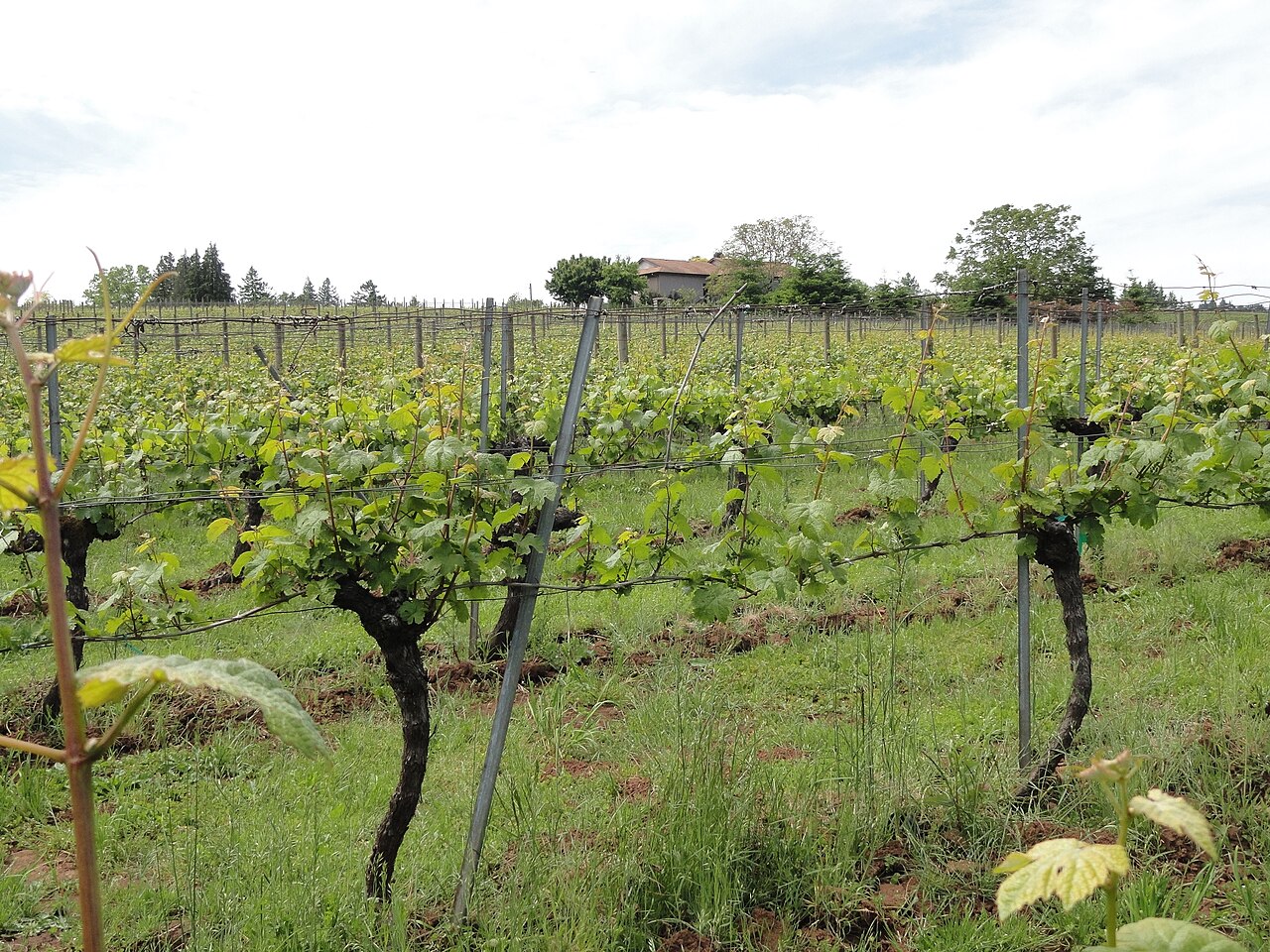
Marketing a Dundee house starts with the published market year and the product, not with adjectives borrowed from a Portland day trip or from a river cabin. Guests who actually book this cell are 97.4 percent domestic on the AirROI extract, led by Portland then Seattle. They are choosing a Dundee Hills base for an overnight tasting loop, a wedding-house weekend, or a Mc Minnville dinner. They are not choosing a day-trip caption that happens to sit near vines. If your title, hero photo, and first hundred words could be swapped onto a Portland listing without anyone noticing, you are writing the wrong market.
This post is the craft brief for hosts who already understand the competitive set or are building toward it. The market report owns the numbers. Here you will published market year the geography, define the tasting itinerary you can actually deliver, treat wedding-house language without inventing venue counts, set a photo brief that proves vines and a real house, name International Pinot Noir Celebration without a ticket price, and connect the listing to a calendar that matches August, September, and May. For photo and hire decisions, pair this withDIY versus hire in Dundee.
Crest & Cove's lane in this cluster is marketing clarity. We do not manage Yamhill wine country. The job of this article is to make the listing sound like the place it is. If the first screen could live on a day-trip page, rewrite it before you spend another hour on amenities. the published market year, the vines, and the house have to agree in the first hundred words, or the rest of the page is only costume on a wine-country house. For who books which story, usewho books a Dundee wine-country rental.
Pin Dundee, not a Portland day trip
Search ranking and guest trust both start with location honesty. The listing should say Dundee when that is the community, and Willamette Valley wine country when you need the regional frame. Newberg and Mc Minnville are useful only when they are true and when you are not blurring identity to chase broader search volume. Guests who drive OR-99W from Portland, or who come down from Seattle, know when a published market year has been stretched. Exact location is shown on only 35.6 percent of the extract, which means many hosts hide the published market year until booking.
Lead with the town and the vines in the first screen of content. Dundee Hills tasting rooms are the headline outdoor product. Ribbon Ridge and Chehalem Mountains are corridor names, not a second extract. A Mc Minnville dinner is the same-stay restaurant layer when the house can actually support that evening. That stack is enough. You do not need a fake Portland weekend, a fake river soak, or a regional mashup that lists every AVA within an hour of the house as if the guest were commuting from the city each morning.
When you Keep the about section, keep the radius tight. Describe what a guest can do from this house in a normal day without turning the page into a county tourism brochure. The more specific the afternoon plan, the less you will drift into language that belongs to another market. Specificity is also how you defend rate in a cell where ADR already sits at $429 and Superhost share is 71.2 percent. Polished competitors are not using vague escape-to-wine-country lines as their only differentiator.
Sell the tasting itinerary you can actually host
Build marketing around the overnight you can host, not around a brochure of the whole valley. The first product is the August-leaning tasting weekend: a house that sleeps the household you actually fit, a loop of Dundee Hills tasting rooms you can name without inventing hours, and a return to a kitchen that can handle a long Saturday. Peak months on the extract are August, September, and May, so this product carries the rate card for the strongest part of the year. Photos, titles, and amenity callouts should make a Friday-to-Monday tasting stay feel obvious.
The volume guest is a six-to-eight-person household, not a studio couple unless that is the floor plan. Three-plus-bedroom units are 61.6 percent of the extract, homes that sleep six or more are 64.3 percent, and average guests land near 5.6. Sell the table, the bedrooms that match the floor plan, and the parking that actually fits those cars. Do not sell a Portland day trip. Do not sell a river put-in. The guest already knows why they want the vines. Your job is to prove this house is the easy overnight attached to that loop.
Winter quiet and bare-vine weeks are honesty, not a fourth peak. January, February, and March are the soft months. You may market fireplace time, empty tasting rooms, and a slower 99W as real reasons to come. You may not pretend those months rank with August. Pricing and minimum stays should follow the calendar rather than a borrowed harvest story that treats October as the high. Marketing can be warm about winter without lying about demand density. A quiet vine week is a product, and a fake high season is a review.
Wedding-house language without inventing venue counts
A slice of this corridor books as a wedding house. Keep that product only when the floor plan, parking, quiet hours, and neighbor reality can carry a celebration group. Homes that sleep eight or more are 31.5 percent of the extract. That is permission to show the extra beds. It is not permission to invent a venue inventory, a ceremony lawn capacity, or a named hall this cluster has not locked. If the house is a sleep site next to someone else's venue, say that. If it is not, do not costume it.
Keep wedding copy inside house facts. Sleep count, driveway, kitchen, and the rule about events belong on the page. A borrowed venue count does not. Guests from Portland and Seattle already have a mental map of this corridor. They do not need you to lecture them about Pinot in the first line. They need to know the house is the kind of place a household can settle into after a tasting afternoon, that the photos match the rooms, and that the host will not flinch at a group breakfast.
Wedding-house language also has to survive contact with the clerk. A Newberg permit that dies on sale, a Mc Minnville five-hundred-foot miss, or a Dundee Type II that fails the five-hundred-dollar TLT test will not be rescued by a pretty tablescape. The rules post owns that stack. Your listing only needs to stop promising an event the paper and the driveway cannot host. For who actually books which story, stay with thepersonas guide.
Photos that prove vines and a real house
Hire or shoot as if the guest will decide in ten images. Open on the house in vineyard light, not on a stock river or a Portland skyline. Show the living room as a place to return after tasting, the bedroom count that matches the floor plan, and the outdoor threshold where vines or garden actually meet the property. Include at least one frame that makes the hills feel local without stealing a vista the guest cannot reach from your driveway. Exact location is hidden on most of the set, so the photos do more work.
Match the photo set to the volume product. Three-plus-bedroom houses and six-to-eight-guest layouts are the core of this cell. A tight, beautiful smaller house should look complete, not apologetic. A larger house should show sleeping layout clearly because 31.5 percent of listings sleep eight or more and guests compare capacity at a glance. Do not stage a two-bed like a compound. Do not stage a compound like a studio with a nice sofa. Sleep count that fails in the hallway fails in the review.
Refuse hero images that sell a different geography, and no river-soak mood as the emotional lead. No Portland day-trip skyline. No harvest clichés that treat October as the locked peak. If a distant AVA is not part of a normal stay from this house, it does not belong in the first five photos. Cleaning and decluttering before the shoot matter more here than props. Sequence the gallery like a stay: arrival and exterior, main living room, kitchen, each bedroom, each full bath, outdoor threshold, then context frames.
How to name IPNC without a ticket price
International Pinot Noir Celebration is a named Mc Minnville event. That is enough. Keep one honest sentence if the house can actually serve guests who come for it, then say what is open from this house: the tasting loop, the kitchen, the beds. Leave out unverified dates, and Leave out unverified a ticket price. Do not treat the listing as the festival's hotel block. This cluster will not lock a calendar the event page did not give us this draft week at all.
Event language is a trust tool, not a click tool. Guests from Portland and Seattle already know the name. They do not need a festival essay in the first paragraph. They need to know the house is a legal, habitable dwelling with parking they can actually use when Mc Minnville is busy. If the house is in Dundee or Newberg rather than Mc Minnville, say the drive is the corridor on OR-99W. Leave out unverified a Friday minute. Then return to the stay.
Pair this honesty with the rest of the page so the event sentence does not become the whole brand. Photos should show the living house, not a crowd. House rules should show quiet hours and parking, not a lecture. If you need a longer visitor sequence, the guest-guide post in this cluster owns the three-day plan. This marketing brief only needs IPNC named once, without costume, so the rest of the listing can sell what the guest will actually do.
Calendar language that matches August, September, and May
Your rates and your words must tell the same seasonal story. August, September, and May are the peak three, and january, February, and March are the hole. October is not a locked peak. Marketing emails, limited-time discounts, and length-of-stay rules should not imply a secret harvest high that the extract does not show. Promote shoulder weeks with accurate language: quieter tasting rooms, bare vines, fireplace evenings, longer walks in the hills. Then price so that a booker is not shocked when they compare your winter night to your August night.
Twenty point five percent of listings already use a thirty-plus-night minimum. If your winter product is midterm or remote-work oriented, say so in the description with desk, chair, upload reality, and grocery distance. If your winter product is still short-stay quiet vines, keep two-night or longer rules only if you can fill them. The extract's split between two-night at 46.6 percent, one-night at 28.8 percent, and thirty-plus at 20.5 percent is permission to choose a lane, not a requirement to copy all three.
Channel settings are part of marketing. Instant Book at only 9.6 percent means your response templates are public-facing copy. Answer location, parking, and tasting-loop questions with the same nouns you used in the listing. Inconsistent answers create last-minute cancellations and weak reviews in a set that already skews high on Superhost performance, Guest Favorite share, and a 4.89 rating. Promo codes should still respect product identity. A deep cut that fills one January week is fine if you do not train peak guests to wait for the same cut in August.
AVA names as positioning, not a second extract
Dundee Hills, Ribbon Ridge, and Chehalem Mountains are honest corridor names. They are not a second AirROI cell. This cluster locks one extract: Dundee, seventy-three listings, $429 ADR, 34.3 percent occupancy. Leave out unverified an AVA-level ADR. Do not tell a guest that Ribbon Ridge books at a different nightly rate because a brochure used the name. Use the AVA to place the house on the map. Use the extract to price the house you actually own.
Keep the name stack short. One primary AVA plus Dundee or Newberg or Mc Minnville is enough. A paragraph that lists every nearby AVA reads like a day-trip blend and trains the wrong click. Guests who already know the hills will trust a tight published market year. Guests who do not know the hills will not be educated by a long list of names. They will be educated by a Saturday tasting plan they can actually walk from this kitchen door after breakfast.
Positioning is also how you refuse a second cluster. This is wine country. It is not Mc Kenzie. It is not a river cabin with a Pinot caption. If the first screen could live on a soak listing, rewrite it. If the first screen could live on a Portland hotel page, rewrite it now. AVA names help only when they make the overnight feel local. They hurt when they become a second set of numbers you cannot defend in public later.
What not to borrow from Mc Kenzie
Template language from a river corridor fails here for a structural reason. Those templates sell a different weekend. If your listing mentions a soak, a put-in, or a forest cabin as the reason to book, you train the wrong click and invite the wrong review. Dundee earns its $429 ADR on tasting proximity, an overnight loop, and a real house inside a seventy-three-listing wine town, not on a borrowed river costume. Borrowed geography is not a growth hack. It is a mismatch the guest will Keep down.
Keep compliance out of the marketing fantasies. Do not imply one wine-country permit the four clerks do not issue. Do not advertise a rural ADU as a vacation rental. Do not treat October as a locked peak, and the rules post exists for the paper. Your job on the listing is to make a legal, bookable house feel like the best-described legal, bookable house in a seventy-three-listing competitive set. In Dundee, that means vines and house, Portland and Seattle origin truth, three-plus-bed clarity for the volume product, and zero borrowed river costume.
When the published market year, the photos, and the first two paragraphs agree, you are done with the hard part of positioning. Everything after that is calendar discipline and operations. If you are deciding which tasks to keep and which to hire, use theDIY versus hire guide. If operations distance is the real question, use theproperty-management economics post. Everything before that agreement is temptation to sound like somewhere else. Refuse the temptation, and the tasting town is already the product.
Related Reading
More Dundee, Newberg, Mc Minnville, and Yamhill County, Oregon reading already live on Crest & Cove.
73 Listings in Dundee: Willamette Valley Wine Country STR Report 2026
Wine Country STR Rules: Dundee, Newberg, Mc Minnville, and Yamhill County
DIY vs Hire in Dundee: Local Voice Against ITrip and Destination Willamette
ITrip, Destination Willamette, and a 37% PM Layer: Is an Agency Worth It?
Is Dundee Wine Country a Good STR Investment in 2026? $3,428 Is the Watch Line
Dundee Shoulder Season: August and September Are Not January
A 28-Night Dundee House for Portland and Seattle Remote Workers
Who Books a Dundee Rental: Tasting Weekend and the Wedding House
Yamhill County Tourism Spending and Wine-Country Hosts: What the Visitor Dollar Measures
The Complete Visitor's Guide to Dundee, Newberg, and Mc Minnville
What It Actually Costs to Start an Airbnb in Dundee Wine Country, OR
Financing a Willamette Valley House: DSCR on $3,428 and 34.3% Occupancy
Frequently Asked Questions
How should a Dundee listing describe its location?
Say Dundee when that's the actual community, and Willamette Valley wine country only when you need the broader regional frame. Use Newberg or McMinnville only when they're genuinely true for the property. Exact location is shown on only 35.6 percent of this market's listings, so written geography has to do real work rather than leaning on a vague regional label.
What guest profile should a Dundee listing market to?
A six-to-eight-person household, not a studio couple unless that's the actual floor plan. Three-plus-bedroom units make up 61.6 percent of the extract, homes that sleep six or more are 64.3 percent, and average party size lands near 5.6 guests. Sell the table, the bedroom count, and parking that actually fits those cars.
What are Dundee's actual peak months?
August, September, and May are the peak three, with January, February, and March as the soft months. October is not a locked peak on this data, so marketing shouldn't imply a secret harvest-season high the extract doesn't support. Winter can be marketed honestly, fireplace time, empty tasting rooms, without pricing it like August.
Can I market my Dundee house as a wedding venue?
Only within what the floor plan can actually support. Homes that sleep eight or more make up 31.5 percent of the extract, which is permission to show the extra beds, not permission to invent a venue capacity, ceremony lawn size, or named hall this market hasn't confirmed. If the house is a place to sleep next to someone else's venue, say exactly that.
How should I mention the International Pinot Noir Celebration without overselling it?
Name it as a McMinnville event in one honest sentence if the house can genuinely serve guests attending it, then return to what the property actually offers: the tasting loop, the kitchen, the beds. Leave out unverified ticket prices or exact dates, and don't present the listing as the festival's hotel block.
Can I cite Ribbon Ridge or Chehalem Mountains as separate market data?
No. Those are honest positioning names for the area, not a second data extract. This cluster locks to one dataset: Dundee, 73 listings, $429 ADR, 34.3 percent occupancy. Use an AVA name to help place the house on the map, but price it using Dundee's own confirmed extract, not an AVA-level figure that hasn't been separately published.
Should my Dundee listing borrow river-corridor or soak imagery?
No. Templates built around a river soak or forest cabin sell a different kind of weekend and train the wrong click. Dundee earns its $429 ADR on tasting-room proximity and an overnight loop, not on borrowed river-corridor language. If a listing photo or caption could just as easily describe a McKenzie River cabin, it doesn't belong here.
What does the extract say about minimum-stay settings in this market?
Two-night minimums make up 46.6 percent of listings, one-night minimums are 28.8 percent, and thirty-plus-night settings sit at 20.5 percent. Instant Book is used on only 9.6 percent of listings, meaning host response templates function as public-facing copy and should answer location, parking, and tasting-loop questions with the same specifics used in the listing itself.
Work with Crest & Cove Creative
A Dundee listing built like a county tourism brochure instead of the tasting weekend this specific house can actually host is competing on a Portland day-trip page it was never meant to hold.
We build Dundee Hills listings around the overnight itinerary a guest can actually run from this address, not a valley-wide wine list.
Reach out at crestcove.co or (256) 998-7502.


Comments