
Market Your Paso Robles Airbnb as Wine Country, Not a Borrowed Hearst

Updated: Aug 27
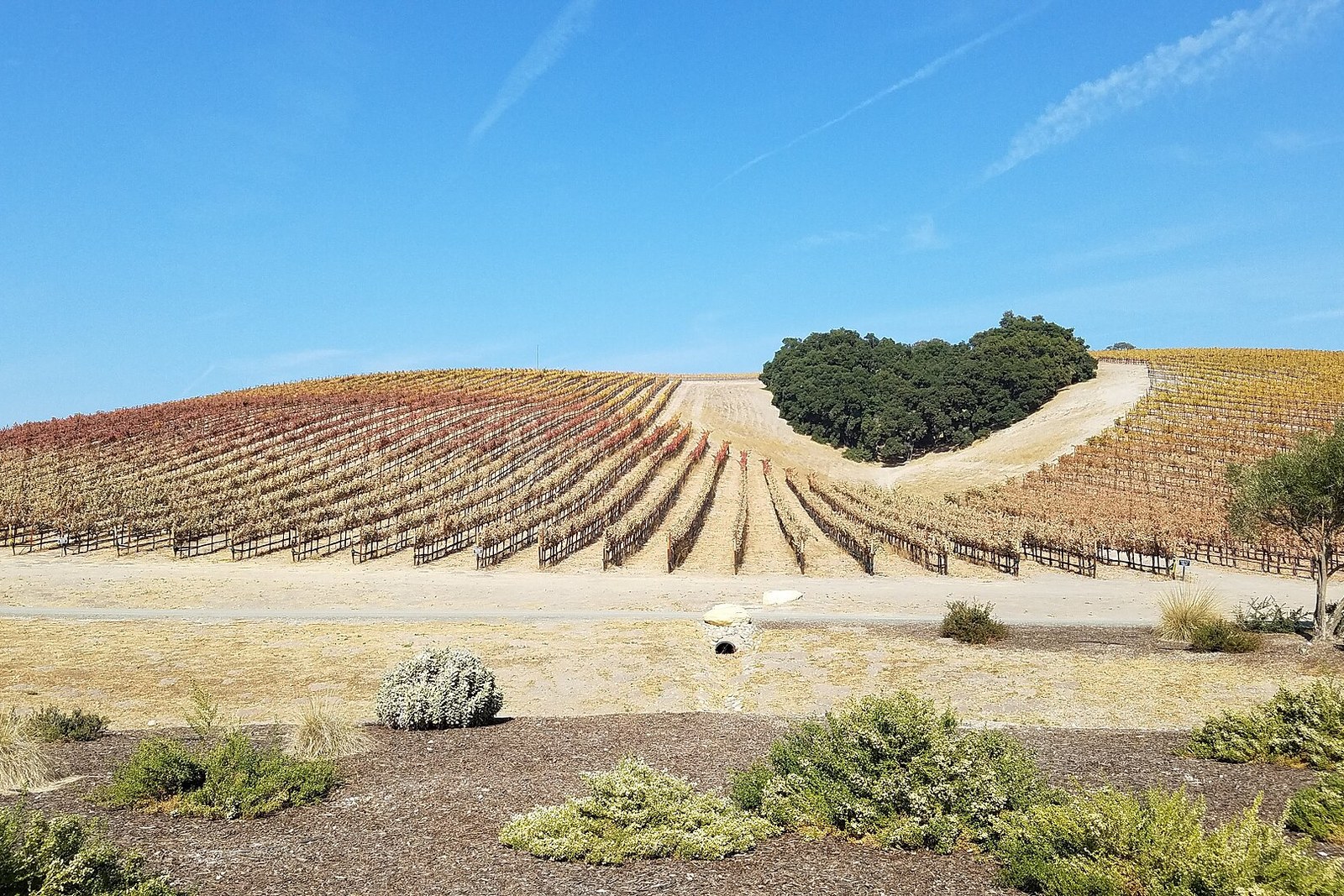
Paso Robles is wine country: vineyards on Adelaida and the westside, a walkable downtown city park, and a guest who typically arrives from Los Angeles or San Francisco already knowing which tasting rooms they want to visit. It is not Hearst Castle, and it is not the Cambria coastline forty-five minutes away. That distinction matters more than it might seem, because a listing that borrows coastal or Hearst-adjacent imagery to sell a Paso Robles property is making a promise the address cannot keep - and guests notice the gap the moment they arrive.
This is a practical marketing guide, not a general appreciation of the region. It covers what to photograph, what to say about drive times and neighboring markets, and what the actual revenue numbers behind this market look like, so the copy on your listing matches the property a guest will actually pull into. This is not legal advice.
Photograph the Vines or the Park You Can Actually Reach
The core marketing decision for a Paso Robles listing is simple: photograph what the property is genuinely near, not what the region is famous for in the abstract. If a guest can walk to the downtown city park, show that walk. If the house sits on Adelaida Road or the westside, show the vines and be honest about the timed drive from the property to a tasting room - not a generic vineyard photo that could belong to any parcel in the county. Also show parking, and show what the last stretch of road looks like after dark if it is unlit or rural; guests navigating an unfamiliar wine-country road at night appreciate knowing what to expect rather than discovering it themselves.
The current sample for this market shows an average of 34.8 photos per listing, which suggests guests in this market are comparison-shopping fairly thoroughly before booking. A fake park stroll - a photo implying a walkable amenity the property can't actually deliver - is real review risk in a market where the average review score sits at 4.91; a guest who arrives expecting a walk they can't take will say so in a review that other guests read closely.
Name Cambria as a Day, Not the Bed
Cambria, on the coast roughly forty-five minutes from Paso Robles, is a legitimate day trip worth mentioning - a guest who wants a coastal afternoon alongside wine-country evenings can genuinely do both. What doesn't work is selling a Paso Robles listing with a Cambria sidewalk or coastal photo as the hero image, implying the property itself sits on or near the coast. Guests who arrive expecting that proximity will fill the gap with disappointment, and they will remember it as false advertising rather than a pleasant surprise about the drive.
Cambria also has its own separate market, with its own typical year of roughly $42,989 - a real, different figure from Paso Robles' own $53,468. That gap is not a rounding difference; it reflects two genuinely different markets with different guest expectations, and a listing that borrows Cambria's coastal identity to market a Paso Robles property is blending two figures, and two experiences, that don't belong together.
Know Who's Actually Booking: Los Angeles and San Francisco, Well in Advance
Guests in this market predominantly arrive from Los Angeles and San Francisco, and they typically show up already holding tasting-room names in their phone before they ever see your listing - this is not a market where the host needs to introduce the concept of wine country to the guest. Los Angeles guests specifically tend to book around 56 days out, meaning by the time they reserve, they've often already mentally planned the first evening. That lead time is useful for a host: it means pricing and calendar strategy can lean on advance-booking guests who have already committed to the trip concept, rather than expecting a large share of last-minute bookings.
This also means listing copy doesn't need to sell the idea of wine country from scratch - it needs to confirm that this specific property fits the trip the guest has already half-planned. Naming the wine-country identity plainly, and being specific about which part of the AVA the property sits in, does more work here than broad regional enthusiasm.
The 30-Plus Night Minimum Is a Listing Setting, Not a Harvest Story
Roughly 33.9 percent of listings in this market currently carry a 30-plus night minimum stay setting. That is a meaningful, real share of the market, but it should be understood and marketed as exactly what it is - a booking-platform gate that a segment of hosts have chosen to set - not spun into a narrative about extended harvest-season stays or seasonal worker housing unless that is genuinely and specifically what a listing is set up to serve. If your own listing is a short-stay wine-country rental, that 33.9 percent figure is context about the competitive set, not a cue to copy their positioning if it doesn't match what your property actually offers.
Independent host share is a real, sourced market fact worth knowing when you're pricing against the competitive set, but it isn't a marketing hook on its own - a guest doesn't book because a market has a certain independent-host percentage. Use it to understand who else is competing for the same guest, not as copy for your own listing description.
The Numbers Behind This Market
The current Paso Robles extract shows a typical clear year of $53,468, with a slower watch month around $3,957, an average daily rate of $460, and occupancy of 37.0 percent. Entire-home listings make up 92.7 percent of this market's listing stock, and the cleaning fee sits at a $185 median. Read those together: a relatively high ADR paired with moderate occupancy is consistent with a destination wine-country market where guests pay a premium rate for a specific multi-night trip rather than a market with steady, lower-cost, high-turnover demand.
For comparison, and only for comparison - not for blending into a single average - Cambria's typical year runs about $42,989, and Healdsburg, a well-known Northern California wine-country comparable, runs considerably higher at roughly $89,368. Neither of those figures should be quoted as if they described Paso Robles; they exist here to show that Paso Robles occupies its own place in the wine-country tier, distinct from both the nearby coast and the more established Sonoma County comparable.
A Templeton Mailing Address Isn't Automatically a Paso Robles Permit
Some properties carry a Templeton mailing address while sitting within or near the broader Paso Robles market area, and it's worth being precise about this rather than assuming the two are interchangeable for permitting or marketing purposes. A mailing address describes where mail goes; it does not automatically describe which jurisdiction's short-term rental permit rules or zoning apply to a given parcel. Before finalizing marketing copy that claims a Paso Robles identity, or before assuming a permit pathway based on the mailing address alone, confirm the actual jurisdiction and applicable rules for the specific parcel.
This is exactly the kind of detail that belongs in a rules-and-permit check before you finalize a listing title, not something to guess at from a mailing label. Getting it right protects both the marketing claim and the legal footing of the listing.
Copy That Survives a Waitlist Call
The practical test for Paso Robles listing copy is whether it would still sound accurate if a guest called to ask follow-up questions before booking. Can you describe the actual drive time from the property to a specific named tasting room? Can you confirm whether the downtown park is a genuine walk or a drive? Can you say plainly that the coast is a day trip, not the view from the porch? Copy that passes those questions builds the kind of trust that turns into a booking and a good review; copy that requires vague answers on a follow-up call usually means the original listing description overstated something.
Keep the property you can actually defend on that call at the center of the marketing - the specific vineyard proximity, the specific downtown walk, the specific drive to Cambria as a day trip - rather than a general wine-country brochure tone borrowed from the region's reputation instead of the parcel's actual location.
Related Reading
More Paso Robles wine-country reading already live on Crest & Cove.
Frequently Asked Questions
Should a Paso Robles listing use Hearst Castle or coastal imagery in its marketing?
No, unless the property genuinely sits on or very near the coast, which most Paso Robles wine-country properties do not. Using Hearst Castle or Cambria coastal photography to market an inland vineyard-area property sets up guests to arrive expecting an ocean view or coastal walk the listing can't deliver, and that mismatch shows up in reviews rather than repeat bookings.
How far is Cambria from Paso Robles, and can it be marketed as a day trip?
Cambria is roughly forty-five minutes from Paso Robles by car, and it's a legitimate day trip to mention for guests who want both wine country and a coastal afternoon. The key is framing it honestly as a drive-to day trip, not implying the coast is walkable or visible from the property itself.
What is Paso Robles' current average daily rate and occupancy?
The current market extract shows an average daily rate of $460 and occupancy of 37.0 percent, alongside a typical clear year of $53,468. That combination reflects a destination market where guests pay a premium nightly rate for a specific trip rather than a high-turnover, lower-cost rental market.
Why shouldn't I compare my Paso Robles listing's revenue directly to Healdsburg's numbers?
Healdsburg is a different, more established Northern California wine-country market with a considerably higher typical year of roughly $89,368, reflecting its own distinct guest base and pricing tier. Quoting or targeting Healdsburg's numbers for a Paso Robles listing sets an unrealistic benchmark that doesn't reflect this market's actual demand or rate structure.
What share of Paso Robles listings currently have a 30-plus night minimum stay?
Roughly 33.9 percent of listings in this market currently carry a 30-plus night minimum, which is a real and sizable share of the competitive set. That figure describes a booking-platform setting some hosts have chosen, not a seasonal harvest-housing trend, and it shouldn't be adopted as positioning unless a listing genuinely serves that longer-stay use case.
Does a Templeton mailing address mean a property is in the Paso Robles jurisdiction for permitting?
Not necessarily. A mailing address indicates where mail is delivered, not which jurisdiction's zoning or short-term rental permit rules apply to a parcel. Hosts should confirm the actual applicable jurisdiction and rules directly rather than assuming based on the mailing address alone.
Where do most Paso Robles short-term rental guests come from, and how far ahead do they book?
The market's guest base skews heavily toward Los Angeles and San Francisco, and Los Angeles guests in particular tend to book around 56 days in advance. That lead time suggests most guests have already committed to the wine-country trip concept by the time they reserve, so listing copy should confirm fit with that plan rather than sell the idea of wine country from scratch.
How many photos should a Paso Robles listing typically include?
The current market average is 34.8 photos per listing, suggesting guests in this market compare options fairly thoroughly before booking. That volume should be filled with an honest mix of the property, any vineyard or park proximity that's genuinely walkable or drivable, and practical details like parking and nighttime road visibility, not filler images unrelated to the actual stay.
What's the median cleaning fee and entire-home share in this market?
The current sample shows a $185 median cleaning fee, and entire-home listings make up 92.7 percent of the market's inventory. Both figures are useful benchmarks for pricing and positioning a listing against the bulk of local competition, which is overwhelmingly whole-property rentals rather than private rooms.
What's the simplest test for whether Paso Robles listing copy is accurate?
Ask whether the description would hold up if a guest called with follow-up questions before booking - about drive times, walkability, or what's actually visible from the property. Copy that answers those questions specifically and honestly tends to convert better and draw stronger reviews than copy relying on regional reputation instead of the parcel's actual location and access.
Work with Crest & Cove Creative
Market Your Paso Robles Airbnb as Wine Country, Not a Borrowed Hearst Coast only works when the listing shows operable facts guests can check. Cut soft slogans that hide the real stay.
If your Paso Robles listing is leaning on borrowed coastal imagery or a Healdsburg-sized revenue expectation instead of this market's real $53,468 year, we'll rebuild the copy and pricing around what your specific parcel can honestly deliver. Reach out at crestcove.co or (256) 998-7502.
Reach out at crestcove.co or (256) 998-7502.


Comments