
What It Actually Costs to Start a Legal Paso Robles STR

Updated: Aug 27
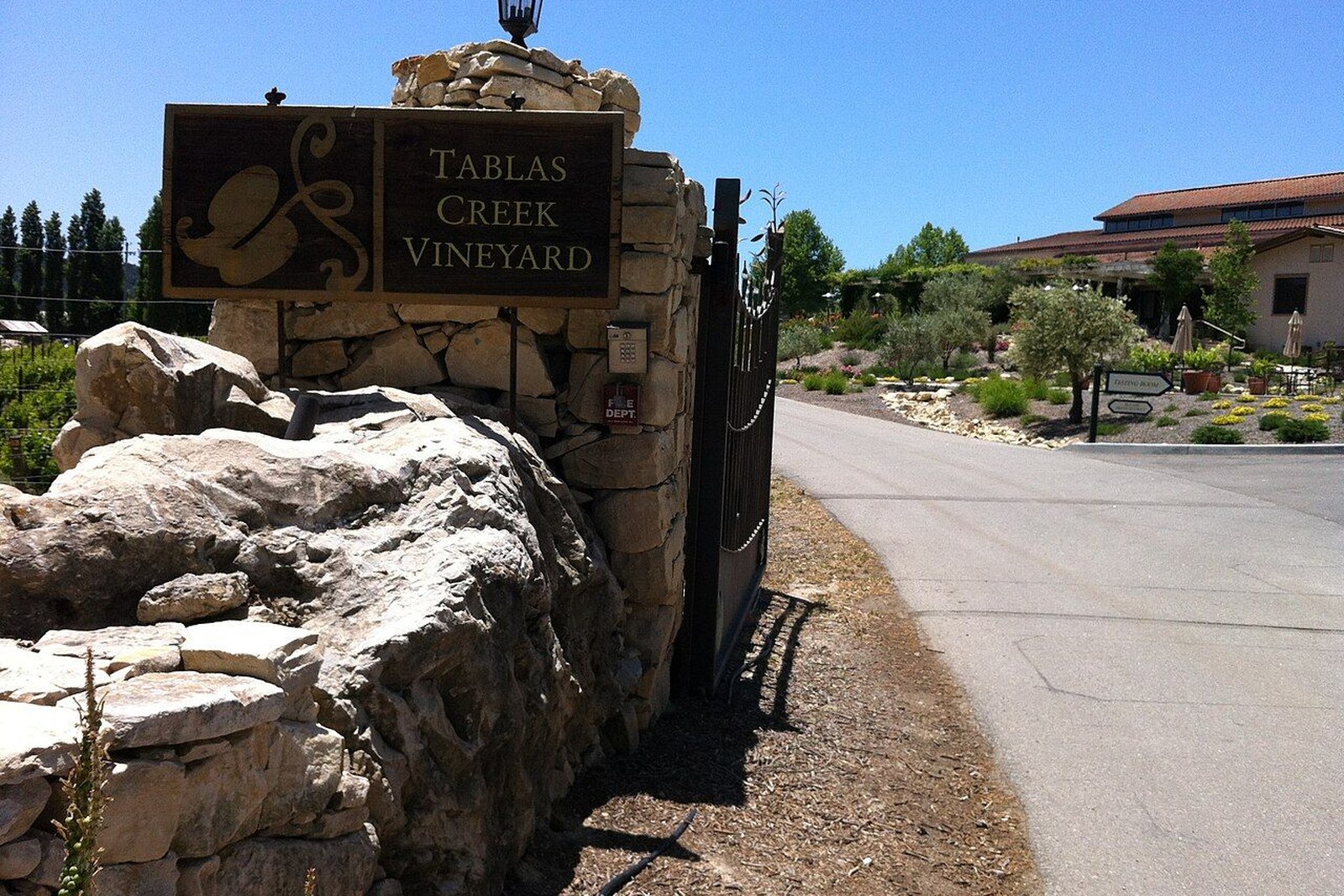
Start with the parcel, not with a platform listing. City of Paso Robles and unincorporated San Luis Obispo County are two first desks, and they do not share a clerk. The AirROI extract updated 2026-08-08 is a Paso Robles cell , , ADR $460, occupancy 37.0 percent, a $53,468 clear year, a $3,957 month , not a purchase price, not a downtown license, and not permission to list a waitlisted non-hosted city house. If you cannot say whether the published market year sits inside city limits, you are not ready to buy linens, and you are not ready to publish.
A legal startup in this town is a stack of clerks, not a furniture montage. Inside the city a permit is required for a homeshare and for a non-hosted stay. Non-hosted permits have been at capacity since May 24, 2021. Homeshares are uncapped. Outside the line, unincorporated parcels need a Planning zoning clearance and a county business license. Read this beside therules file, theinvestment page, and thefinance page. Those pages stay useful only if this page refuses to invent a buy-in dollar. This page will not print a purchase price, a furniture invoice, a launch markdown, a 15 to 20 percent discount, or a 30 to 40 percent off-peak cut. It will print the paper you can actually list, the $185 median clean already sitting in the extract, and a January reserve on a file whose hole is January, February, and September. February is the lowest month, and harvest-only language is leftover and wrong. We are not the Planning portal.
Call the city-versus-county line before you close
Open the tax bill and the city map before you open Airbnb. City Planning sits at (805) 237-3970 and STR@prcity.com. The first question is whether the parcel is inside the City of Paso Robles. Downtown park and the tasting rooms around it sit inside that line. Wine-country corridors such as Adelaida and the westside may be city or unincorporated; the APN is the test. A Templeton mailing address is not a Paso permit. a published market year is not a permit. AirROI Low is a vendor label. It is not Chapter 21.34, and it is not a closing condition.
If you are still shopping, walk the block as a neighbor would and then walk the assessor map with the address. Superhost share in the cell is 84.0 percent and professional management is only 19.6 percent, so most of what you will compete with is an owner-run house. Hotel and boutique product holds 7.3 percent of the set. Confirm the city line before you confirm a closing date this page will not invent. Paso Robles Vacation Rentals’ 82 homes are their book, not a clerk answer and not a closing condition.
County land is the other first fork. An unincorporated Adelaida or westside published market year does not use the city waitlist as its application path. Those parcels start at county Planning, (805) 781-5600, with a zoning clearance and a county business license. Inland, coastal, and Williamson Act are different clearance desks; hedge which desk that APN uses. Blending the two maps because both say Paso Robles is how buyers close on a product the wrong clerk will not allow. Parcel first is not a slogan.
Non-hosted city houses wait
Inside the city, a non-hosted short-term rental needs a permit, and those permits have been at capacity since May 24, 2021. New non-hosted applications go on a waitlist. The city table last updated 2026-03-02 prints citywide non-hosted at 325 against a waitlist of 79. R-1 shows 85 non-hosted against a printed limit of 75, with a waitlist of 55. All other zones show 240 non-hosted and a waitlist of 24. Print the table as the city printed it. Leave out unverified why R-1 shows 85 against a 75 limit.
A startup that treats that waitlist as a yes is a startup that treats a no as a calendar. The city did not newly invent the cap in 2026. The cap has held since 2021, and a pretty kitchen does not reopen a slot. A live Airbnb published market year does not reopen it, and airROI Low does not reopen it.downtown fileis the longer sidewalk version. This stack only needs the hard stop: do not furnish a waitlisted non-hosted city house for Saturday night. Hotel stock is hospitality, not a workaround you can copy onto a dwelling. A seller who offers a live downtown calendar as due diligence is offering you a question, not an answer. Screenshot the city page the week you bid. Put the 2026-03-02 table in the deal folder next to the extract. Never let a strong $53,468 left column authorize a blank right column on a city APN that cannot take a new non-hosted permit.
Homeshare is the uncapped city path
Homeshares are the uncapped city path. The owner lives on the property and rents a portion. There is no cap on homeshares. The same 2026-03-02 table prints 42 R-1 homeshares, 39 in all other zones, and 81 citywide. A permit is still required. A homeshare is not a silent conversion of a whole house into a non-hosted lockbox. If you will not live there, you are not on this path. If you will live there and rent a room or a wing, this is the path the city still leaves open.
Do not use homeshare language as a workaround for a waitlisted non-hosted product. Guests already punish a fake downtown bed. Planning will not be less curious than a guest. Neighbor notice sits at 100 feet on renewal, and the hotline is (805) 227-7224. Ordinance Chapter 21.34 is the rule, and a published market year is still not the permit. Exact location is only 32.5 percent of the extract, which is a reason to be honest about the portion you actually rent, not a reason to photograph the whole house as if the owner had moved out.
A first-year host who wants the uncapped path should budget the owner’s own bedroom as occupied, not as inventory. Average guests in the cell sit at 5.1 and three-plus-bedroom product is 48.3 percent, so the market’s volume house is larger than a spare room. That does not make a spare room illegal. It does mean your listing competes as a homeshare, not as an 82-door brand. Keep the owner on site, and keep the permit in the owner’s name.
Renewal $300 or $550 after the permit exists
Renewal on pasopermits.com is $300 for a one-bedroom homeshare and $550 for every other short-term rental. Those dollars exist after the permit exists. This packet does not quote a live initial application fee, so this page will not invent one. Hedge that first filing cost until Planning or the portal prints a current number you can screenshot. Neighbor notice at 100 feet still sits on renewal. The hotline and Planning numbers do not change because you paid a renewal. A paid renewal is not a new non-hosted slot.
County paper is a different stack. Unincorporated parcels need a Planning zoning clearance and a county business license. An annual STR review fee starts January 2026 for more than 2,200 registered license holders. Hedge that dollar if the live fee schedule is not in this packet. County Planning is (805) 781-5600, and the after-hours hotline is (805) 723-2500. Inland, coastal, and Williamson Act desks are not interchangeable. A clearance is not a gift that lands in a buyer’s name because the seller once filed. Confirm what the buyer must file.
Do not blend the city renewal with the county review and call the result a Central Coast fee. Do not print leftover fee figures from another city’s desk. Never let a furniture invoice stand in for either clerk.DIY filecan talk about which hours to hire after the paper exists. Photography is a hire. The permit is still yours. City of San Luis Obispo is homestay-only for non-hosted vacation rentals , a different city, not this slug, and not a fee you may copy onto a Paso house.
TOT 11 percent, PRTID 2 percent, TMD 1.5 percent
City transient occupancy tax is 11 percent of the taxable stay. Measure F-22 raised it from 10 percent effective February 1, 2023. Chapter 3.26 is the ordinance. That pile is remittance, not a purchase cost, not ADR, and not the $3,957 month. Keep it on the return, and keep it out of the acquisition story. A tax you collect on nights you sell is not a down payment and not a startup fee. Empty nights do not generate TOT. They do generate the mortgage and the insurance you will not invent a dollar for.
The Paso Robles Tourism Improvement District adds 2 percent of gross short-term room rental. Stays of more than 30 consecutive days are not collected. The SLO County Tourism Marketing District adds 1.5 percent and is managed by Visit SLO CAL. Those are two more remittances, not a third combined ordinance. Do not add 11, 2, and 1.5 and print 14.5 percent as if the city had written one tax. Name the three desks. Empty January nights do not generate PRTID or TMD either.tourism filekeeps $2.37 billion off this stack. Airbnb may remit some of these when the stay is booked on that platform. Owner-direct stays still need the finance relationship. A platform remittance is not a 21.34 permit and not a county zoning clearance. Keep those objects on separate lines. PRTID’s 30-plus exemption is a remittance fact, not proof that a thirty-night gate fills January. Thirty-three point nine percent of listings already show a 30-plus minimum. That is a listing setting.
Cleaning median $185
Use the $185 median clean as the planning number. The extract also prints an average of $340, which is a warning that some turns already run heavier. Cleaning shows on 94.0 percent of listings and sits at 13.7 percent of gross if you use the heavier read. Use the median. Superhost share is 84.0 percent and average rating is 4.91, so a sloppy turnover is expensive. $185 is not a purchase price and not a reason to invent a 15 to 20 percent launch discount. Price the August turn before you publish.
Entire homes are 92.7 percent, and houses are 73.7 percent. Three-plus bedrooms are 48.3 percent, and average guests sit at 5.1. The volume product is a house for a group, which is why the median clean is not a studio wipe-down. Budget the cleaner you can actually book on an August Saturday and on a February Tuesday. Lead time averages fifty-six days. The turn still has to happen when the guest finally appears. Instant Book is only 16.7 percent of the cell, so you will also be answering messages between cleans.
Do not fold cleaning into what it costs to start as if empty January nights still generated a $185 bill you could capitalize. Occupancy in the cell is 37.0 percent, and empty nights do not generate a clean. They do generate the mortgage, the insurance, and the operator who still has to answer the hotline. Name the cleaner, and name the backup. Then stop inventing a furnish package this draft will not price. A sofa is not a permit and not a year. Hedge the furnish and the insurance.
A January reserve
Hold a reserve against the $3,957 month, not against an August screenshot. January, February, and September are the hole, and february is the lowest revenue month. January is the occupancy floor. Peak-season months average about $6,257 at 42.5 percent occupancy. Low-season months average about $4,299 at 33.3 percent, and those are extract averages, not a promise. If the model needs twelve Augusts, do not start. Fund the hole before you photograph the vines or the downtown park. August is the peak, and it is not the year. Do not annualize an August screenshot and call the result a reserve.
Thirty-three point nine percent of the set already shows a thirty-plus minimum. That is a listing setting, not booked winter. City law still defines the permit path as stays of less than 30 days. A monthly gate does not fill January, and it does not replace the reserve.remote-stay fileowns that split. This stack only needs you to fund the dark months before the first vineyard photo goes live. September is a low, and leftover harvest-only language will not refill it. Guests come from Los Angeles first and San Francisco second. Domestic share is 97.3 percent. They will not rescue a thin January because a tourism desk printed $2.37 billion. Visitor spend is not host cash. Healdsburg’s $89,368, Cambria’s $42,989, and Templeton’s $57,843 will not rescue it either. Those years are comparison only, and print this Paso cell only, labeled. Price this cell, and reserve for this hole.
What not to invent as a purchase price
This page will not invent a closing price, a down payment, a furniture budget, a launch markdown, or a harvest-package ADR. It will not invent a 15 to 20 percent weekly cut or a 30 to 40 percent remote discount. It will not annualize August. It will not divide $2.37 billion by 714. It will not treat Paso Robles Vacation Rentals’ $3,409,894 book as your year. It will not treat AirROI Low as a permit. It will not treat a live downtown published market year as diligence. It will not treat the waitlist as a yes.
The first-year stack you can actually name is the clerk path: city-versus-county call, non-hosted wait if the city house is vacant, homeshare if the owner lives on site, county clearance plus license if the APN is unincorporated, renewal at $300 or $550 after the permit exists, TOT 11 percent, PRTID 2 percent, TMD 1.5 percent, $185 median clean, and a January reserve on a $3,957 month.market reportlocked the cell. Thecompare pagelocked the neighbor years, and this page only had to sequence the paper. If that stack still looks like a furniture montage, you are not starting a legal Paso Robles STR. You are shopping a postcard, and call the line. Pay the fees that exist, and refuse the fees this draft did not lock. Then Keep the listing for the house the permit actually covers. A purchase price this page will not invent cannot stand in for that order, and a vineyard photo cannot stand in for 21.34.
Related Reading
More Paso Robles wine-country reading already live on Crest & Cove.
Frequently Asked Questions
How do I know if my Paso Robles property is under city or county rules?
Call City Planning at (805) 237-3970 or email STR@prcity.com to confirm which side of the line your parcel falls on - the Assessor's Parcel Number is the actual test, not the mailing address. Corridors like Adelaida and the westside can fall either inside city limits or in unincorporated county territory. If the parcel turns out to be unincorporated, County Planning at (805) 781-5600 handles it instead, through a zoning clearance and county business license rather than the city's permit system.
Can a new non-hosted short-term rental get permitted inside the City of Paso Robles right now?
Not easily. Non-hosted permits inside the city have been at capacity since May 24, 2021, and a table dated March 2026 shows 325 citywide non-hosted permits already issued against a waitlist of 79 applicants. The R-1 zone alone shows 85 permits against a stated 75-permit limit, so a new non-hosted application should expect to sit on the waitlist rather than get approved outright.
Is a homeshare permit still available in Paso Robles even though non-hosted permits are capped?
Yes. Homeshare permits, where the owner lives on the property and rents out a portion of it, remain open, with 81 active citywide as of the same 2026 table. Homeshare isn't a workaround for renting out a vacant, non-hosted property, though - it only applies when the owner actually lives on site. Renewal notice to neighbors within 100 feet still applies, and the city's compliance hotline is (805) 227-7224.
What do the Paso Robles renewal fees actually cost?
Renewal runs $300 for a one-bedroom homeshare and $550 for any other short-term rental type, payable through pasopermits.com once the permit already exists. There isn't a confirmed live initial-application fee in this record, so don't assume the renewal number covers first-time applicants too. County parcels skip this fee structure entirely and instead go through a zoning clearance and business license.
What taxes apply to a legal Paso Robles short-term rental?
City Transient Occupancy Tax runs 11 percent under Measure F-22, the Paso Robles Tourism Improvement District adds 2 percent of gross short-term room rental (not collected on stays over 30 consecutive days), and San Luis Obispo County's Tourism Marketing District adds another 1.5 percent. Those three are separate line items rather than one combined ordinance, so keep them itemized rather than rounding to a single tax rate.
What cleaning cost should a Paso Robles host plan around?
Use the $185 median cleaning cost as your planning number rather than the $340 average, which is pulled up by a subset of heavier turnovers. Local superhost share sits at 84.0 percent with a 4.91 average rating, a sign that guests in this market notice turnover quality closely. Treat $185 as the baseline and don't assume a launch discount just because the surrounding market performs well.
How should a first-year Paso Robles host plan for slow months?
January, February, and September are this market's soft months, so build a reserve against the roughly $3,957month figure rather than a peak-August number. AirROI's August 2026 extract shows a $53,468 clear-year figure at a $460 ADR and 37.0 percent occupancy, but that leans on strong summer weeks and shouldn't be treated as an even month-to-month average. A budget that only works if every month performs like August needs more cushion before launch.
Does a 30-night minimum on a listing mean the slow season is already booked?
No. A 30-night minimum is simply a platform filter setting, not proof of an actual booked long-term stay - the typical stay length in this market's data is still a short trip. Don't treat that filter as a substitute for a documented remote-work rental product you haven't actually built or photographed, and don't count on it to fill a slow month automatically.
Does Paso Robles' regional visitor spending translate into guaranteed rental income?
No. The roughly $2.37 billion in county-wide visitor spending is an economic backdrop for the broader region, not revenue that lands in an individual host's account. It's useful context for how much tourism activity moves through the area, but shouldn't be treated as a stand-in for your own projected numbers.
What shouldn't a Paso Robles startup budget assume?
Don't invent a purchase price, a furniture invoice, or a launch-week rate markdown - none of those figures are documented in the record for this market. Build your plan around what's actually confirmed instead: the city-versus-county call, the permit path (waitlist, homeshare, or county clearance), the $300 or $550 renewal fee, the 11 percent TOT plus 2 percent PRTID plus 1.5 percent TMD tax stack, the $185 median clean, and a reserve for January, February, and September.
Work with Crest & Cove Creative
A Paso Robles listing marketed as non-hosted is quietly selling a waitlist, since the city has capped new non-hosted permits since May 2021. Homeshare is the only uncapped city path, and blurring the two misleads the guest booking that stay.
We help Paso Robles hosts write listing copy that states the real permit path, homeshare or waitlisted non-hosted, before a guest ever asks. Start at crestcove.co/audit or call (256) 998-7502.
Reach out at crestcove.co or (256) 998-7502.


Comments