
Market Easton for the Guest Who Actually Books

Updated: Aug 30
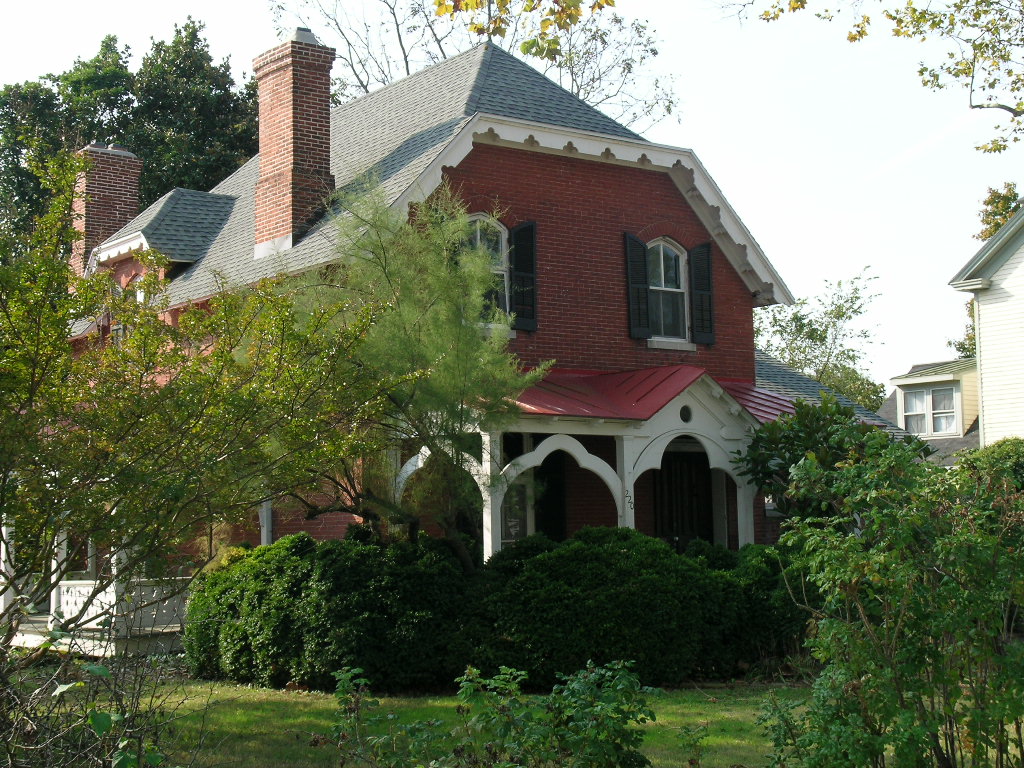
Marketing an Easton stay starts with the pin, not with a borrowed waterfront-village story. Guests who search for this town need downtown, the Avalon Theatre, and a house that can legally open under Chapter 14. They do not need a St. Michaels weekend with an Easton map pin. They do not need a festival package sold as the August high. They do not need copy that advertises a whole-home investor product the ordinance does not allow inside town limits. In a forty-four-listing cell that already rates 4.92, the hosts who convert are the ones whose words match the house the guest can actually book.
This piece is listing language for hosts who already understand the competitive set: forty-four listings, $700 ADR, 33.3 percent occupancy, $48,349 year, $4,522 median month, peak three of August, June, and September. The job here is to match photos, title, and calendar words to that product and to the legal house behind it. For craft and hire decisions, see DIY versus hire. For whether a management split fits a $4,522 month, see property management in Easton. For who actually books, use the guest personas guide.
Write for Washington and Baltimore first. Lead time averages eighty-nine days. Average stay is 5.6 nights. Instant Book is rare at 15.9 percent. Your copy should sound planned and local, not like a same-night impulse deal in a market that already runs Superhost and Guest Favorite shares at 45.5 and 52.3 percent. Honesty is the differentiator when the photo bar is set by named Shore operators and when revenue on the extract has already moved minus 14.8 percent on flat supply. Every sentence below is about matching that guest and that calendar without inventing a village, a ferry, or a festival-as-peak year.
Pin Easton, not a St. Michaels weekend
Search and maps teach guests where they are sleeping. If the title, subtitle, and first lines sell a boat town they will not wake up in, you create refund risk and review risk even when the house is beautiful. Easton is the county seat. It is the arts and courthouse hub. It is US-50 access from the Bay Bridge. It is not the waterfront village pin guests may already know from other Shore trips. Lead with the true place name before you layer any day-trip poetry.
Name Easton early and often. Use downtown, the Avalon Theatre, the Academy Art Museum, and residential streets that match your photos. If the AirROI cell includes river or creek amenity on the house, say so as a house fact. Do not rebrand the town center as a marina village. Do not invent a ferry into Easton town. There is not one. Road access and real drive times you would defend in a message thread are the logistics story guests from the capital region need.
Neighbor towns are day-trip context, not the sleep pin. Guests can drive to St. Michaels, Oxford, or Tilghman from an Easton bed. That is a second-day story. Day one and checkout morning still belong to Easton if that is where the house sits. Listings that steal the neighbor’s identity to rank for the wrong search lose the guest who wanted Easton and confuse the guest who wanted the village. In a small competitive set, misleading pins also train bad reviews that hang on the whole cell. When in doubt, say Easton twice before you name a neighbor once, and keep the sleep address and the day-trip list on different mental shelves in the listing.
Sell downtown, the theatre, and a legal house
The honest product is a legal house in a walkable historic downtown with real evening life at the Avalon Theatre and real daytime life around the arts and courthouse core. Entire homes are 95.5 percent of the extract and houses are 86.4 percent. Average guests land near 6.1. Three-plus bedrooms are 77.3 percent of stock. You are usually selling space for a family or small group, not a couple hotel room. Write bedroom and bath counts that match the floor plan, not the maximum sleeping count you wish you had.
Legal is part of the product. Principal residence or same-lot outbuilding, Rental Housing License, and the duties that come with Chapter 14 are not footer disclaimers only. They shape what you can promise: one lease at a time, no commercial food sales, quiet residential use, insurance-backed hosting. Guests do not need a statute lecture. They need a listing that does not oversell a party house or an illegal whole-home investor pitch. Quiet hours and parking rules belong in plain language near the top, not buried after the amenity laundry list.
Lead with the stay: porch light, kitchen that works for 6.1 average guests, dining seats that match group size, and downtown minutes that match a real walk or short drive. Then layer theatre nights and Shore day trips. The house that photographs as a real home will out-convert a glossy template that could sit in any mid-Atlantic town. Mention Avalon Theatre as an Easton landmark. Never confuse it with Avalon, California, and never write ferry copy as if this were a Catalina product. Guests who already know the Shore will trust a listing that sounds like a local wrote it. Guests who do not know the Shore will learn the wrong town if you teach them the wrong pin first.
Festival language belongs in November, not August
The Waterfowl Festival is a November event and a real Easton story. It is not the extract peak. Peak month is August. Peak three are August, June, and September. Lows are January, February, and March. Marketing that makes November the year high will mis-price August and mis-train the guest about when the town is busiest on the marketplace calendar. Festival energy is seasonal color. Extract seasonality is the rate-card spine.
Use festival language in November windows, event-week minimums if you run them, and photo sets that match fall light when those dates are live. Do not paste festival keywords into August titles as if waterfowl season were summer. Do not treat festival attendance as host revenue. County tourism figures measure visitor spend, not your $4,522 median month. Keep tourism headlines out of the listing’s income claims and out of any owner memo you paste into the description by mistake.
Shoulder and low months need different copy. Quiet town, longer stays, remote work, and theatre weekends can carry honest January through March language without pretending the house is full at peak-season $9,841 averages. Peak-season averages near 44.2 percent occupancy and low-season averages near 21.9 percent occupancy are the swing your calendar text should respect. Discount language that ignores a $300 cleaning median will not turn March into August. It will only train guests to wait for panic pricing. Build rate fences by season the way the extract builds revenue: defend the peak three, then sell a quieter product in the hole without rewriting history.
Photos that prove town and house
Photos must prove two things: this is Easton, and this is the house the guest will live in. Exterior establishing shots that show residential fabric and downtown context beat stock marsh panoramas that could be anywhere on the Shore. Interior shots should show the real bedroom count, the real dining seats for groups that often sleep six-plus, and the real kitchen. If a room is an office, do not list it as a bedroom. Guests who arrive to a mismatch write the review that costs the next eighty-nine-day lead.
Waterfront amenity appears on 54.5 percent of the cell. If your house has river or creek access, photograph it honestly in multiple seasons if you can. If it does not, do not borrow water from a neighbor town. The town center is not a waterfront village. Guests who arrive expecting a bulkhead at the back gate will not be soothed by a clever caption. Truth in the first five images beats a buried clarification in paragraph nine.
Match the professional bar set by concentrated operators without faking a resort. Cleaning median of $300 implies a turnover standard guests will feel in the photos: clear counters, made beds, bathrooms that look reset. A 4.92 rating market punishes soft staging. Hire a photographer who understands Shore light and historic interiors if your phone set cannot clear that bar. Refresh hero images before peak three rather than mid-August when every weekend already matters. A single honest exterior that places the house on an Easton street will do more work than ten floating interior crops that could be any rental catalog.
How to name St. Michaels without stealing the pin
St. Michaels is a named day trip, not your sleep brand. Put it in the guest guide and in a mid-listing section about drives, not in the first line of the title as if the house sat on that harbor. Same rule for Oxford and Tilghman. They are neighbors, not slugs, and they are not this cluster’s remesh targets. A single honest day-trip sentence outperforms a title stuffed with every Shore keyword.
Useful phrasing sounds like: sleep in Easton, day trip to St. Michaels. Useful phrasing does not sound like: St. Michaels getaway with Easton convenience. The second line trains the wrong search and the wrong expectation. Washington and Baltimore guests often know both names. They can handle an honest hierarchy. They cannot handle a bait-and-switch on arrival night when the map pin and the view do not match the ad.
If your house is closer to a village than to downtown, still name the actual municipality and the actual drive times you would defend in a message thread. Do not invent ferry minutes. Do not invent a water taxi into Easton town. Road access on US-50 and local roads is the true logistics story for this county seat. If a guest needs a boat-town sleep, send them to the right pin instead of converting them with fiction. Long-term review equity in a forty-four-listing set is worth more than one mis-pinned booking that turns into a refund thread.
Calendar language that matches August, June, and September
Rate copy and minimum-stay language should follow the locked peak three. August is the high. June and September sit with it. Defend ADR near the $700 extract level on peak weeks instead of racing to the bottom against a thin forty-four-listing set. Peak-season ADR near $710 and low-season ADR near $647 show that rate does not have to collapse when occupancy does. Guests who still book in soft months are not always shopping only on price.
Speak to planned travel. Eighty-nine-day lead times mean early-bird language can be real in spring for summer weeks. Last-minute panic language fits a different market. Instant Book at 15.9 percent means many hosts still want a conversation. Your description can invite questions about group size, parking, and house rules without sounding unfriendly. Response-time promises should match how you actually live a principal-residence hosting schedule.
For January, February, and March, write the quiet product: longer nights, remote work, couple or small-family town time, theatre weekends when shows land. Low-season monthly averages near $3,021 are not a failure of marketing alone. They are the extract hole. Build minimums and gap nights that protect cleaning economics. A vacant Friday in March is cheaper than an one-night booking that still costs a $300-class clean and a bad midweek gap. Say that math in your own planning notes even if you never put the phrase “RevPAR” in the public listing. Guests need the product. You need the economics.
Thirty-night copy if that is the product
Forty-five point five percent of listings already run a thirty-plus-night minimum. If that is your product, say so with clarity: monthly rhythm, workspace truth, laundry, kitchen stocked for real life, quiet hours that survive a month, and neighborhood respect. Washington and Baltimore remain the origin story for many of those stays. Upload speed claims need a speed test, not a hope. Desk photos need a real desk.
Thirty-night copy is not a loophole essay. Chapter 14 still defines Short Term Housing under four months and still applies the principal-residence gate for that use. Do not market a thirty-night stay as a way to ignore the Rental Housing License conversation. Do not promise hotel services you will not deliver on a midterm. House rules should cover mail, parking, guests of guests, and quiet hours that still work when someone is there for a month.
If you split the calendar—weekends in peak months, longer minimums in the hole—state the rules by season so the guest is not surprised at checkout math. Average stay of 5.6 nights on the extract is a blend. Your house can choose a lane as long as the license and the residence test still hold. Publish the lane in the listing, not only in a private note to yourself after a bad review. Midterm guests and weekend guests read different promises. Mixing them without labeling the calendar creates the message volume Instant Book rarity already suggests hosts want to manage carefully.
What not to advertise
Do not advertise a whole-home investor listing inside Town of Easton that fails the principal-residence or same-lot outbuilding test. Do not advertise commercial food sales, multi-lease party use, or insurance-free hosting. Do not advertise a county license as if it covered a town parcel, or a town story on an unincorporated parcel without saying so. Do not advertise sleeping capacity that violates safe layout or bedrooms that are offices with a bed thrown in for the photo.
Do not advertise November as the statistical peak. Do not advertise St. Michaels as the sleep pin. Do not advertise a ferry into Easton town. Do not advertise Eastern Shore’s seven-home revenue or any named operator total as your year. Do not advertise AirROI Low as a legal opinion. Do not advertise Avalon Theatre as if it were Avalon, California. Local landmark, local town—keep the names straight.
Do not advertise visitor-spend millions as if they were host revenue next to $48,349. Do not advertise amenities you do not have. In a 4.92-rated, Guest Favorite-heavy set with only 15.9 percent Instant Book, the hosts who last are the ones whose listing reads like the house the guest can legally book. Market that house. Leave the citation-risk pitch off the page. The rules guide and the investment memo own the deeper legal underwrite; your listing only needs to stay inside the lines they draw. Market the legal house on the true pin with a calendar that matches August, June, and September. That is the whole craft job for Easton listing copy. One more pass before you publish: read the first six lines as if you were a Washington guest who also opened a St. Michaels listing. If your first lines lose to the waterfront village on identity, rewrite them until Easton is the sleep pin and the theatre and downtown are the reason. If your first lines imply a whole-home investor product you do not have paper for, delete them. Instant Book at 15.9 percent already means most hosts screen. Use that screen to keep the listing honest rather than to hide a weak first paragraph. Superhost at 45.5 percent and Guest Favorite at 52.3 percent mean the set already rewards that honesty. Your job is to join that quality share with a legal house, not to invent a fourth guest the extract does not print.
Related Reading
More Easton, Talbot County, and Maryland Eastern Shore reading already live on Crest & Cove.
44 Listings and a Principal-Residence Rule: Easton STR Report 2026
Easton STR Rules: Principal Residence, Chapter 14, and the County Clerk
DIY vs Hire in Easton: Craft Against Eastern Shore, Not a Franchise War
15.9% PM and a $4,522 Month: Is an Agency Worth It in Easton?
Is Easton a Good STR Investment in 2026? The License Is the Thesis
Who Books an Easton Stay: Festival, Theatre, and the 30-Night Guest
Talbot County Tourism Spending and Easton Hosts: What the Visitor Dollar Measures
What It Actually Costs to Start a Legal Rental in Easton, MD
Financing an Easton House: DSCR on $4,522 and a Principal-Residence File
Frequently Asked Questions
How should an Easton listing distinguish itself from a St. Michaels listing?
Name Easton directly and often, downtown, the Avalon Theatre, the Academy Art Museum, and let St. Michaels, Oxford, or Tilghman appear only as day-trip mentions rather than in the title or opening lines. A listing that borrows a neighboring waterfront village's identity to rank for the wrong search creates refund and review risk even when the house itself is beautiful.
What are Easton's confirmed market figures?
The extract shows 44 listings, a $700 ADR, 33.3 percent occupancy, a $48,349 typical year, and a $4,522 median month, with a peak three of August, June, and September and lows in January, February, and March. Revenue has moved down about 14.8 percent year-over-year on essentially flat supply, so honest, specific copy matters more here than in a growing market.
Does Chapter 14 change what an Easton listing can promise?
Yes. The town's Chapter 14 requires a principal residence or same-lot outbuilding, a Rental Housing License, one lease at a time, no commercial food sales, and quiet residential use, so a listing shouldn't market a whole-home investor pitch, multi-lease party use, or insurance-free hosting. Quiet hours and parking rules belong in plain language near the top of the listing rather than buried in the amenities list.
Is the Waterfowl Festival Easton's peak season?
No. The Waterfowl Festival is a real November event, but this market's confirmed peak month is August, with June and September rounding out the peak three; the lows are January, February, and March. Marketing that treats November as the statistical high point will mis-price August and mis-train guests about when the town is actually busiest.
Should St. Michaels appear anywhere in an Easton listing?
Only as a labeled day trip, never as the sleep pin. Phrasing like "sleep in Easton, day trip to St. Michaels" keeps the hierarchy honest, while "St. Michaels getaway with Easton convenience" trains the wrong search and sets up a guest for a different arrival experience than the one they'll actually have.
What should Easton listing photography prioritize?
Exterior shots that show residential fabric and downtown context beat stock marsh panoramas that could be anywhere on the Shore, and interior shots should show the real bedroom count and dining seats, since average group size runs about 6.1 guests and three-plus bedrooms make up 77.3 percent of this market's stock. Waterfront amenity appears on 54.5 percent of listings; if a house doesn't have water access, it shouldn't borrow water photography from a neighboring town.
How far ahead do Easton guests typically book, and what does that mean for pricing?
Average lead time is 89 days and average stay is 5.6 nights, with Instant Book used on only 15.9 percent of listings, so copy should read as planned and local rather than like a same-night impulse deal. Peak-season ADR runs near $710 versus about $647 in the low season, showing that rate doesn't have to collapse just because occupancy does.
Is a thirty-night minimum a viable product for an Easton listing?
Yes, for hosts who want it: 45.5 percent of this market's listings already run a thirty-plus-night minimum, most drawing from the same Washington and Baltimore origin base as shorter stays. That product still has to satisfy Chapter 14's principal-residence and Rental Housing License requirements; it isn't a way to avoid them.
What shouldn't an Easton listing advertise?
A whole-home investor product that fails the principal-residence or same-lot outbuilding test, commercial food sales, multi-lease party use, insurance-free hosting, a county license as if it covered a town parcel, November as the statistical peak, or Avalon Theatre as if it were Avalon, California. Visitor-spending totals for the county also shouldn't be presented as if they were a single host's expected revenue next to the market's actual $48,349 typical year.
Work with Crest & Cove Creative
An Easton listing that sells a St. Michaels weekend instead of naming downtown, the Avalon Theatre, and its own Chapter 14 legal status creates refund and review risk the moment a guest realizes where they actually booked.
We write Easton listing copy that pins this town specifically and states its legal operating status plainly to the guest before they arrive.
Reach out at crestcove.co or (256) 998-7502.


Comments