
What It Actually Costs to Start a Legal Rental in Easton, MD

Updated: Aug 28
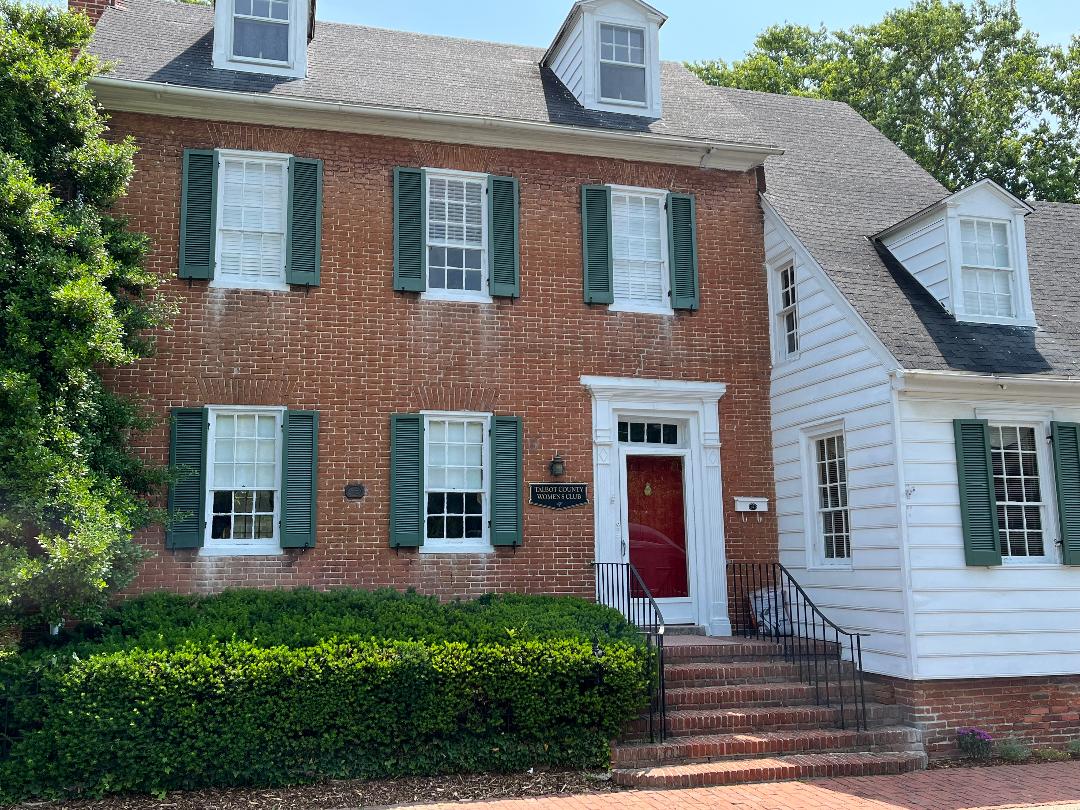
Starting a legal Easton rental is a parcel-and-paper problem before it is a furniture problem. The town is Talbot County’s seat, Short Term Housing sits under Chapter 14, and the path for stays under four months runs through a principal residence or a qualifying same-lot outbuilding, a Rental Housing License when required, agent duties when you are away, and tax desks that do not care about your Pinterest board. A 30-plus product is a different merchandising shape that still has to match the ordinance. This page stacks the startup costs you can defend without inventing a purchase price, a sofa package, or a remodel bid this packet cannot screenshot.
Read it beside the Easton STR rules page, the investment thesis, and the market report. AirROI’s 2026-08-08 extract locks the cell at 44 listings, ADR $700, occupancy 33.3 percent, median month $4,522 CLEARS, and annual $48,349 CLEARS. Those numbers are market context for reserves and expectations. They are not a promise your new listing prints them in month one. We do not manage Easton. We do insist the stack starts with legality and March reality.
Supply is flat and revenue is down 14.8 percent in the snapshot. Professional management covers only 15.9 percent of listings. Eastern Shore’s seven-home book at $282,282 is concentration context, not your automatic year. You are not opening into an empty Shore town. You are opening into a real cell with a principal-residence gate and a thin agency layer. House share is 86.4 percent of inventory and entire-home share is 95.5 percent, so most founders are opening a full home. Cleaning median is $300. Lead time averages 89 days. Those facts belong in the startup stack next to the license desk. Superhost share at 45.5 percent and Guest Favorite at 52.3 percent tell you quality competition is already live on day one.
Start with the parcel and the principal-residence test
Before you buy pillows, confirm the parcel can carry the product you want. Town of Easton Short Term Housing is occupancy under four months that is not a hotel, motel, inn, or B&B as the ordinance frames those uses. The structure must be the owner’s principal residence or a qualifying outbuilding on the same property under §14-19.1. A town house that fails that test is not a startup project; it is a no. Do not coach yourself into a whole-home investor listing inside town limits the chapter rejects. Escrow that assumes illegal tenancy will not become legal because the furniture is nice.
Zoning Table 28-202 row 121 still matters: Short Term Housing is special exception in most residential districts and permitted in some commercial contexts hosts must verify on the live map. B&B is a different use with its own owner-occupied frame and guest-night limits. Owner-occupied exceptions that do not cover advertising and tenancy for Short Term Housing still do not cover a clever listing workaround. Screenshot the chapter and the zoning row the week you underwrite.
If the owner will not be in Talbot County during stays, budget a 24/7 agent whose principal residence is in Talbot County. Annual notice to properties within 400 feet by certified and regular mail, insurance at $500,000, one lease at a time, no commercial food sales, and a non-transferable license are compliance objects, not décor. Build them into the critical path before photography day. Bedroom counts and guest caps should match what you will actually host; 8-plus capacity appears on 52.3 percent of listings, but your ordinance and house rules still set the ceiling you can defend.
Town license versus county license
Town of Easton is not the county clerk. Unincorporated Talbot County runs its own STR license, Review Board, and frame hosts must not import onto a town parcel by habit. If your parcel sits inside Easton corporate limits, start with eastonmd.gov materials and Chapter 14. If your parcel sits in unincorporated county land, start with the county desk. Wrong clerk is not a soft error; it is a delayed launch and a compliance hole.
Rental Housing License duties for dwelling lets—including Short Term Housing unless excepted—belong on the town path when the town is the jurisdiction. Confirm exceptions live rather than from memory. Bill 1622 was allowed to expire; do not print it as law or as a startup shortcut. AirROI Low is a vendor label, not Chapter 14 clearance. Do not treat an unlicensed count in a market tool as a legal opinion. B&B rules are a different use with different guest-night frames; do not start a Short Term Housing project under B&B assumptions.
County versus town also changes underwriting stories for buyers comparing parcels. A principal-residence town house and an unincorporated county house are different license theses. The investment page carries that fork. This startup page only needs the first question: which clerk owns your address, and does the principal-residence test apply as written for town Short Term Housing? Do not let a seller’s verbal “everyone rents short term here” replace a screenshot of the live desk for your exact parcel.
Tax desks have real calendar cost
Talbot County public accommodations tax at 4 percent is not a tip. Maryland sales tax at 6 percent is a separate line hosts must confirm for their fact pattern. Registration, filing cadence, and what sits in the tax base are live-desk questions. Late habits become cash problems and compliance problems. Build calendar reminders into the setup week, not into the first audit surprise.
Calendar cost also means lead time. Average lead time in the extract is 89 days. You will not list on a Monday and clear a peak August at full ADR by Friday. Build a setup runway that includes photography, logistics copy, and review of Instant Book policy—only 15.9 percent of the cell uses Instant Book—so you are not improvising gates after the first bad inquiry. Peak months August, June, and September still need merchandising lead time. Hole months still need a product decision before they arrive empty and panicked. Fund living and debt through the runway without counting on an instant August.
Cleaning median $300 will show up in guest fees and in your net math. That does not make cleaning optional to the guest experience. It means your gross-to-net bridge needs both the tax line and the clean line from the first pro forma draft. Average stay of 5.6 nights means turn frequency is real even when you are not running one-night junk. Peak months August, June, and September still need merchandising work months ahead; festival language in November is a separate calendar object, not your whole startup thesis.
Setup spend without inventing a purchase price
This packet will not invent a purchase price, closing-cost package, or furniture budget. Those numbers belong to your contract, your inspector, and your local vendor quotes. What you can stack without fiction is the category list: license fees as the town publishes them the week you apply, tax account setup time, notice mailings within 400 feet, insurance meeting the $500,000 mark, a 24/7 Talbot-resident agent arrangement when required, professional photos that prove town and house, basic safety and occupancy honesty, and a cleaning vendor who can actually reach the door.
Shore logistics change the setup feel even when the category list looks familiar. Vendor depth is thinner than a major metro. Professional management share at 15.9 percent exists partly because many owners still self-manage—and partly because the craft bar is still real. Eastern Shore’s multi-home book is their concentration story, not your automatic vendor list, but it is proof that professional operations already exist in the cell. Get photo and clean quotes in writing before launch week; remembered favors are not a vendor plan.
Do not capitalize confusion. Starting as a festival house, a theatre weekend house, and a 30-night desk house in one ad creates compliance risk plus bad reviews. Pick a primary product for year one. The personas and remote pages exist so you choose a guest before you buy the third sofa color. Instant Book at 15.9 percent means most of the cell already gates; build your screening posture into launch week rather than after the first bad review.
Cleaning and the $300 median
Median cleaning in the Easton extract sits at $300. Use the median, not the outlier average, when you plan. That line is already a hire for many founders even if they keep messaging themselves. A calendar that flips every few nights in a soft month can erase revenue after cleans, especially when low-season averages run about $3,021 a month and 21.9 percent occupancy.
Startup means having a named cleaner before the first booking, not a hope that friends will help after the first five-star review request. Linen path, supply restock, and trash rules belong in the same folder. If you later hire a property manager, cleaning may sit inside a split; the PM page is the fee math companion. This page only needs cleaning as a first-week operational dependency. A 30-plus launch changes turn frequency but still needs an end-of-stay clean you can actually schedule.
Quality context is high: average rating 4.92, Superhost share 45.5 percent, Guest Favorite 52.3 percent. Guests from Washington and Baltimore already have alternatives. A cheap clean that fails is more expensive than a $300 median that protects the calendar. Budget the clean before you budget the decorative kayak you will never use. If waterfront amenity is not on your parcel, do not buy props that imply a creek you cannot walk to from the door.
A March reserve on 33.3 percent occupancy
Occupancy at 33.3 percent is a Shore weekend file, not a 70 percent resort. March is the lowest month. Low-season averages near $3,021 a month are the stress band. Peak-season averages near $9,841 a month are the upside band. Median month $4,522 and annual $48,349 are cleared market locks, not guarantees for a new listing in month one on a 44-listing cell. Startup reserves should assume ramp, empty nights, and a hole trio of January, February, and March.
A March reserve is cash you can still service when leisure weekends thin. It is not pessimism. It is reading the extract. Hosts who fund only an August fantasy learn the lesson on a cold Tuesday with a clean bill and no checkout. Build sensitivity cases that move occupancy and ADR independently rather than scaling one hero Saturday by twelve. Annual $48,349 is market context for ambition, not a year-one identity badge for every new legal listing.
If your product is 30-plus nights—already 45.5 percent of the cell—price the long-stay setup and empty-night reserve harder than the party deck you will not use. If your product is peak short stays under a legal principal-residence path, price merchandising lead time and cleaning frequency harder than a fake year-round festival story. November is festival, not the extract peak. Peak-season averages near $9,841 are upside context; low-season averages near $3,021 are the stress band your reserve should respect.
What you do not need to buy on day one
You do not need a full agency split on day one if you can answer guests and coordinate cleans—PM share is only 15.9 percent for a reason. You do not need every waterfront keyword if the parcel has no water. You do not need a St. Michaels pin. You do not need Instant Book. You do not need furniture that photographs like a hotel lobby if the house sleeps cleanly and matches the ad. You do not need to match Eastern Shore’s seven-home revenue to open one legal house.
You do need paper, insurance, notice discipline, an agent path when away, honest photos, a cleaner, and a reserve that survives March. You do need tax registration habits. You do need house rules that match neighbor reality. You do need a first line that says Easton. Everything else can wait until reviews and calendar shape tell you what guests actually use. You do not need to remesh St. Michaels or invent ferry logistics to look coastal on day one.
Refuse purchase-price theater in the startup memo. Refuse tourism-total theater that pairs county visitor spend with your host locks. Refuse Bill 1622 nostalgia. The boring stack is the stack that launches. TalbotWorks’ county visitor-spend line measures visitor economy at county grain; it is not a substitute for $4,522 median context or for Chapter 14 paper on your address.
The first 90 days after the listing is legal
Once the listing is legal, the first 90 days are proof work. Lead time averages 89 days, so some peak demand was already deciding before you published. Use the window to collect real reviews, fix operational friction, and decide whether short stays, 30-plus stays, or a seasonal mix fit the house. Do not panic-discount August language into March rates because week two is quiet.
Track cleans, response time, and which photos guests mention. Rotate the gallery toward the persona who is actually booking. Keep Chapter 14 duties live—notice anniversaries, insurance, agent coverage, license renewal habits as the town frames them. Non-transferable licenses mean a future sale is a reapplication story, not a key handoff; even founders should know that on day one. If March is approaching empty, open the remote product draft before you race peak ADR down.
If the parcel was never going to pass the principal-residence test, the first 90 days will not fix it. Stop. If the parcel is legal and the calendar is soft, read the shoulder page before you burn ADR. Startup success in Easton is a legal listing that can explain a $4,522 median market context without promising twelve Augusts. That is enough ambition for a first year on a 33.3 percent occupancy Shore file. Crest & Cove does not manage Easton; we write the stack so founders stop buying sofas before they buy legality.
Related Reading
More Easton, Talbot County, and Maryland Eastern Shore reading already live on Crest & Cove.
44 Listings and a Principal-Residence Rule: Easton STR Report 2026
Easton STR Rules: Principal Residence, Chapter 14, and the County Clerk
How to Market an Easton Stay: Theatre, Festival, and a Legal House
DIY vs Hire in Easton: Craft Against Eastern Shore, Not a Franchise War
15.9% PM and a $4,522 Month: Is an Agency Worth It in Easton?
Is Easton a Good STR Investment in 2026? The License Is the Thesis
Who Books an Easton Stay: Festival, Theatre, and the 30-Night Guest
Talbot County Tourism Spending and Easton Hosts: What the Visitor Dollar Measures
Financing an Easton House: DSCR on $4,522 and a Principal-Residence File
Frequently Asked Questions
What is the first startup test for an Easton short-term rental?
Confirm the parcel can carry Short Term Housing under Town of Easton Chapter 14: principal residence or a qualifying same-lot outbuilding for stays under four months, plus zoning that allows the use. A town house that fails the principal-residence test is not a furniture problem. Screenshot the live ordinance before you buy pillows or hire a photographer.
Is the town license the same as the county license?
Town of Easton and unincorporated Talbot County are different clerks. Town parcels start with Chapter 14 and eastonmd.gov materials. County Review Board language belongs to unincorporated land. AirROI Low is not a legal opinion, and expired Bill 1622 is not current law or a startup shortcut. Unincorporated Talbot County runs its own STR license, Review Board, and frame hosts must not import onto a town parcel by habit.
What tax costs should founders plan for?
Plan for Talbot County’s 4 percent public accommodations tax and Maryland sales tax at 6 percent as live-desk questions for registration, base, and filing cadence. Average lead time is 89 days, so calendar cost also means a setup runway before peak August can clear at full ADR. Registration, filing cadence, and what sits in the tax base are live-desk questions.
What setup spend can you list without inventing a purchase price?
Stack categories you can defend: license fees as published the week you apply, tax setup, 400-foot notice mailings, insurance at $500,000, a Talbot-resident 24/7 agent when required, professional photos, safety basics, and a cleaner who can reach the door. Do not invent furniture packages or purchase prices this packet cannot screenshot. What you can stack without fiction is the category list: license fees as the town publishes them the week you apply, tax account setup time, notice mailings within 400 feet, insurance meeting the $500,000 mark, a 24/7 Talbot-resident agent arrangement when required, professional photos that prove town and house, basic safety and occupancy honesty, and a cleaning vendor who.
Why does the $300 cleaning median matter at startup?
Median cleaning at $300 is already a hire for many founders and a real net line when soft months run near $3,021 and 21.9 percent occupancy. Have a named cleaner before the first booking. Quality is table stakes with a 4.92 average rating and strong Superhost and Guest Favorite shares in the cell. Quality context is high: average rating 4.92, Superhost share 45.5 percent, Guest Favorite 52.3 percent.
What is a March reserve on 33.3 percent occupancy?
It is cash that can survive the hole trio—January, February, and March—with March as the floor. Market occupancy is 33.3 percent, not a 70 percent resort. Median month $4,522 and annual $48,349 are market locks for context, not guarantees for month-one new listings. Fund ramp and empty nights on purpose. Startup reserves should assume ramp, empty nights, and a hole trio of January, February, and March.
What do founders not need on day one?
You do not need a full PM split, Instant Book, a St. Michaels pin, waterfront keywords without water, or Eastern Shore’s multi-home revenue as a personal target. You do need paper, insurance, notice discipline, agent coverage when away, honest photos, a cleaner, tax habits, and a reserve that survives March. You do need paper, insurance, notice discipline, an agent path when away, honest photos, a cleaner, and a reserve that survives March.
What should the first 90 days after legal launch focus on?
Proof work: reviews, operational friction, and which persona actually books. Lead time averages 89 days, so do not panic-discount peak language into March rates in week two. Keep Chapter 14 duties live. A legal listing that can explain Shore seasonality beats a pretty gallery that cannot explain empty nights. Do not panic-discount August language into March rates because week two is quiet.
Should I start with the parcel and the principal-residence test?
Starting a legal Easton rental is a parcel-and-paper problem before it is a furniture problem. If your parcel sits inside Easton corporate limits, start with eastonmd.gov materials and Chapter 14. The town is Talbot County’s seat, Short Term Housing sits under Chapter 14, and the path for stays under four months runs through a principal residence or a qualifying same-lot outbuilding, a Rental Housing License when required, agent duties when you are away, and tax desks that do not care about your Pinterest board.
Does a 30-night setting fill the slow month?
A 30-night minimum is a platform filter. Typical stay on these extracts is still a short trip. The filter is not a filled slow month and it is not a remote-work product you did not photograph. If your product is 30-plus nights—already 45.5 percent of the cell—price the long-stay setup and empty-night reserve harder than the party deck you will not use.
Work with Crest & Cove Creative
Need an Easton startup stack that starts with the parcel and Chapter 14?
Reach out at crestcove.co or (256) 998-7502.


Comments