
Who Books an Easton Stay: Festival, Theatre, and the 30-Night Guest

Updated: Aug 27
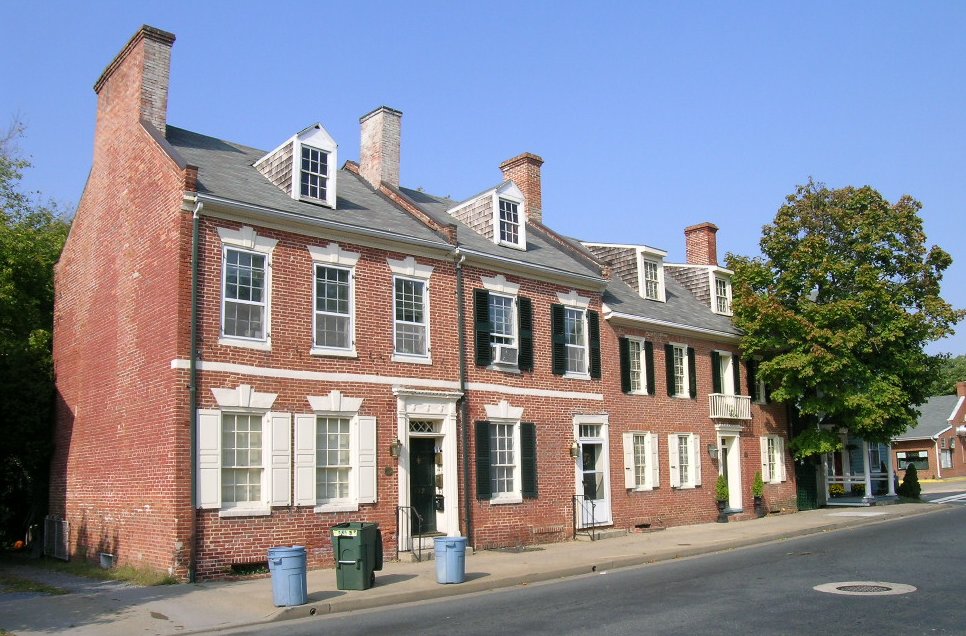
Three guests cross Easton’s story, and only the overnight ones ever clear your lockbox. The sidewalk visitor fills downtown on a festival weekend or a busy Saturday, then leaves without a reservation. The theatre and downtown guest clears a short legal stay and needs a real house. The Waterfowl Festival guest clears a November event week and needs beds near the action without rewriting the year’s peak map. The 30-night remote or midterm guest clears a month and needs a desk. If your listing tries to catch every sidewalk person with one paragraph, you produce a confused ad that satisfies no one.
This page keeps the overnight people separate so copy, photos, and minimum stays can match who actually sleeps in Easton. It sits beside theEaston market report, theshoulder-season calendar, and the30-night remote stay. AirROI’s 2026-08-08 extract locks the cell at 44 listings, ADR $700, occupancy 33.3 percent, median month $4,522 CLEARS, and annual $48,349 CLEARS. Guests are 86.8 percent domestic, Washington then Baltimore. Product mix already shows a real 30-plus share at 45.5 percent. Personas are how you stop fighting that mix with one blend-up caption.
We do not manage Easton. The job here is language discipline for hosts who already know Chapter 14 starts with principal residence and still Keep as if every visitor is a booking. Entire-home share is 95.5 percent and houses are 86.4 percent of inventory. That is not a day-trip product map. It is an overnight map with more than one length, and your copy should pick a primary person before the first photo carousel tries to recruit everyone on US-50. Product mix already shows 45.5 percent on 30-plus floors, so the third persona is not a blog novelty; it is half the cell’s published shape.
Three guests, not a waterfront blend
Start with three labels and refuse a fourth invented extract. Waterfowl Festival guest, and theatre and downtown guest, and thirty-night remote or midterm guest, and st. Michaels weekend language, waterfront-village language, and a fake ferry commute are not personas. They are geography errors. Easton is Talbot County’s seat: historic downtown, Avalon Theatre, Academy Art Museum, courthouse energy, US-50 from the Bay Bridge. The town center is not a harbor village. River and creek houses still exist inside the AirROI cell. That place identity is the stage, and the three guests are the cast.
A waterfront blend pretends the St. Michaels day-tripper who never sleeps in Easton is the same economic object as the household that books three nights near the theatre. It also pretends the month guest wants the same first photo as the festival group. Searchers feel the blend in the first three lines. Underwriters feel it when your memo claims visitor volume without overnight conversion. Keep the three guests in separate sentences until your listing calendar forces a choice. Entire-home share at 95.5 percent already tells you the product is overnight housing, not sidewalk traffic; Keep like it.
If you only love one guest, say so. A pure short-stay legal house and a pure 30-plus house can both be honest. The failure mode is one gallery that sells party festival energy and quiet desk month energy as if they were the same person with different dates. Occupancy at 33.3 percent already prices empty nights into the cell. Personas are how you choose which overnight person you will chase inside those locks. ADR at $700 and RevPAR at $222 already bake empty nights into the snapshot; writing for a fourth invented person will not lift those lines by itself.
The Waterfowl Festival guest
The Waterfowl Festival guest is a real November person. They plan around event week, want beds near downtown activity, and will pay for convenience when the house and Chapter 14 allow the stay. Festival is November, not August, not June, not September. Do not rewrite the extract’s peak three because a poster is easier to sell than Shore seasonality. Merchandise November as intentional event demand with its own tier, house rules, and noise expectations. Peak-season averages near $9,841 still belong to the summer and early-fall band in the extract; festival week is a separate merchandising object even when downtown is full.
This guest still needs a legal house. Principal residence or a qualifying same-lot outbuilding remains the town gate for Short Term Housing. A busy festival sidewalk does not convert into a whole-home investor listing the ordinance rejects. Insurance, agent duties, and one-lease-at-a-time rules still apply. Sell proximity to downtown and event logistics you can actually support. Do not sell a private festival ticket you cannot screenshot. Do not sell St, and michaels as the bed. If your house sleeps eight-plus, as 52.3 percent of listings can, still post occupancy you will enforce when friends of friends appear with bags.
Festival attendance is not host revenue. The tourism page keeps visitor-economy objects separate from AirROI locks. On this page, the festival guest is simply a person with different dates and different guidebook needs. Peak-three guests in August, June, and September may never care about November copy. Keep the calendars from fighting each other in the first line of the listing. Cleaning at a $300 median still hits after a festival turn; group sleep math that ignores linen path and parking truth will erase the weekend after the last checkout.
The theatre and downtown guest
The theatre and downtown guest is the short legal stay’s core person for much of the year. They come primarily from Washington, then Baltimore. They plan around Avalon Theatre, Academy Art Museum, restaurants, and a recovery house after a full day on the Shore. Average stay market-wide is 5.6 nights and lead time averages 89 days, so many of these bookings are intentional trips, not pure impulse one-nights. One-night minimums are only 9.1 percent of the cell; three-night floors appear on 20.5 percent.
Sell Easton in the first line. Sell a real house that sleeps the number you disclose, 5-plus bedrooms are 31.8 percent of inventory and 8-plus guest capacity sits at 52.3 percent, but small households still dominate many trips. Sell clean beds, a kitchen that works, and a morning that starts downtown without a fake harbor published market year. Name the Avalon Theatre as Easton’s theatre, not Avalon, California. Name outdoor plans without inventing drive minutes to neighboring villages as if they were the front porch. Three-plus bedrooms are 77.3 percent of the cell, so volume inventory is large-house heavy; still Keep occupancy truth instead of event-house fantasy.
This guest still lives under town rules: Rental Housing License path for Short Term Housing, 4 percent accommodations tax questions hosts must verify are current, 24/7 local agent when the owner is away, deck and street quiet that neighbors will enforce socially even before a complaint. Peak months August, June, and September are when this guest is densest. Hole months January, February, and March are when this guest thins and the third persona matters more. Instant Book at 15.9 percent already hints that many hosts screen; theatre weekend energy is not a reason to open every tire-kicker request without reading the party risk.
The 30-night remote or midterm guest
The 30-night guest is already courted by 45.5 percent of listings. They are not a stretched weekend. They need a desk, grocery reality, laundry, honest connectivity language, and house rules that survive thirty mornings. They still skew domestic and origin-heavy, Washington then Baltimore. They are more likely to care about March quiet than about your best August Saturday photo.
Do not sell them a festival weekend with flexible dates. Do not bury the desk behind twenty peak exteriors. Do not promise a St, and michaels commute. Leave out unverified a ferry. Price and photograph them as their own tier against low-season bands, about $3,021 a month and 21.9 percent occupancy in the extract’s low-season averages, not as August ADR near $710 divided by thirty. Cleaning median $300 argues for intentional length when soft months would otherwise burn turns. March is the floor month on the extract; if you only know how to sell August downtown energy, the remote guest will never self-select.
Chapter 14 still applies. A month inside town limits is not a loophole for a non-principal whole-home ad. The remote page carries desk-and-upload depth. This page only needs the persona: different first line, different photos, different rules emphasis, same legal gate. Lead time at 89 days means a true month inquiry often arrives with heavier questions than a Friday-night impulse stay; answer desk, heat, laundry, and quiet before you answer restaurant rankings.
Where the three overlap
All three overnight guests want a clean, accurate house in Easton. All three want parking truth, occupancy truth, and a host who answers. All three fail when the listing steals a neighboring village’s identity. Shared amenities, full kitchen, reliable heat, clear check-in, can appear for everyone. Shared blend-up captions cannot.
Overlap is not permission to Keep one paragraph for all three. Calendar tools exist so November festival weeks, August downtown weekends, and March desk months can carry different first screens. Superhost share at 45.5 percent and Guest Favorite at 52.3 percent reward fit. Instant Book at 15.9 percent already signals screening culture. Use the gate. A festival group that wants a party the neighbors will not tolerate is not a win because the ADR looked high on paper. One lease at a time is ordinance language; revolving guest lists dressed up as hospitality are still a compliance problem.
Where the three diverge is length, season, and proof. Festival wants event logistics in November. Downtown wants theatre and walkability in the peak three. Remote wants desk and quiet in the hole. If your house can only serve one well, pick one. Occupancy at 33.3 percent means empty nights are already normal; chasing every persona with dishonest copy creates emptier nights and worse reviews. Supply is flat and revenue is down 14.8 percent in the snapshot, so craft and fit matter more than a fourth keyword stack.
Photos and amenities that match the guest
Festival photos can show downtown energy and a house that sleeps the group, without promising tickets. Downtown and theatre photos should lead with the house and a walkable context guests will actually use. Remote photos should lead with desk, chair, lighting, and a closed door. Keep one honest exterior set so arrival matches the ad. Entire-home share is 95.5 percent; do not photograph a shared-room story you do not run.
Amenities should match claims. If you sell a desk month, the desk must exist. If you sell a festival house, linens and parking must handle the headcount you allow. If you sell theatre weekends, quiet hours and a recovery kitchen matter more than a fake waterfront keyword. Median cleaning at $300 means amenity mess has a cash cost. Waterfront amenity appears on 54.5 percent of the cell; only claim water if the parcel has it. Town-center houses should not cosplay creek houses.
Guidebook snippets should rotate with the persona. Festival week points to event logistics with confirm-hours hedges. Peak downtown points to Avalon Theatre and Academy Art Museum with the same hedges. Month stays point to grocery, laundry, and quiet evenings. One summer paragraph cannot do all three jobs. House share at 86.4 percent means most inventory is already a house product; photograph the house you have, not a village you do not published market year.
What not to invent as a fourth extract
Leave out unverified a St, and michaels-primary guest as your Easton persona. Leave out unverified a ferry guest. Leave out unverified an international nomad wave the extract did not print. Leave out unverified a fourth peak month labeled festival summer. Leave out unverified Easton city visitor-spend dollars and treat them as a persona demand proof. Leave out unverified Bill 1622 as current law, and Leave out unverified AirROI Low as a license.
Leave out unverified a whole-home investor guest who somehow skips principal residence. That person is a compliance problem, not a persona. Leave out unverified Eastern Shore’s $282,282 multi-home year as the guest’s willingness to pay your one house. Named operator concentration is market structure, not a fourth person in your inbox.
Refuse the blend. Three overnight people are enough. Sidewalk volume is tourism context, not a fourth extract. Keep visitor-spend language on the tourism page and out of your first listing line. Keep county visitor-economy totals out of the persona captions so partners do not treat a bureau study as proof every guest type books your lockbox on command.
How this changes the listing in one pass
In one editing pass, pick a primary persona for the next open block on your calendar. Rewrite the first three lines for that person only. Reorder the first five photos for that person only. Adjust minimum nights to match the legal product and the month. Move the other personas into optional guidebook sections rather than the title. That is enough change to stop the blend without rebuilding the house.
If the next block is August, lead downtown and theatre. If the next block is November, lead festival logistics and group sleep math you can actually host. If the next block is March, lead desk and quiet. Keep Easton in the title every time, and keep Chapter 14 honesty every time. Keep St, and michaels out of the published market year every time. After the pass, re-read the first screen as a Washington or Baltimore guest would on a phone; if it still tries to catch everyone, cut another sentence.
Personas are not soft marketing fluff. They are how a 44-listing cell with 33.3 percent occupancy and a $4,522 median month stays legible. Keep for the person who sleeps there, and price for the month they book. Photograph the room they will live in, and leave the sidewalk visitor to the tourism study. Crest & Cove does not manage Easton; we Keep the cast list so Chapter 14 legality and AirROI seasonality stop fighting your first three lines.
Related Reading
More Easton, Talbot County, and Maryland Eastern Shore reading already live on Crest & Cove.
44 Listings and a Principal-Residence Rule: Easton STR Report 2026
Easton STR Rules: Principal Residence, Chapter 14, and the County Clerk
How to Market an Easton Stay: Theatre, Festival, and a Legal House
DIY vs Hire in Easton: Craft Against Eastern Shore, Not a Franchise War
15.9% PM and a $4,522 Month: Is an Agency Worth It in Easton?
Is Easton a Good STR Investment in 2026? The License Is the Thesis
Talbot County Tourism Spending and Easton Hosts: What the Visitor Dollar Measures
What It Actually Costs to Start a Legal Rental in Easton, MD
Financing an Easton House: DSCR on $4,522 and a Principal-Residence File
Frequently Asked Questions
Who are the three guests to Keep for in Easton?
Keep for the Waterfowl Festival guest in November, the theatre and downtown guest on short legal stays, and the 30-night remote or midterm guest. Refuse a waterfront-village blend and refuse treating every sidewalk visitor as a booking. Guests in the extract are 86.8 percent domestic, Washington then Baltimore, on a 33.3 percent occupancy Shore file.
Is the Waterfowl Festival guest a peak-season persona?
Festival is November, which is not one of AirROI’s peak three, August, June, and September. Merchandise November as intentional event demand with its own tier and house rules. Do not rewrite the year as a festival calendar or treat attendance as proof of your median month or annual lock on the extract. Leave neighboring town figures on their own labeled lines when you quote them.
What does the theatre and downtown guest want?
A real Easton house near Avalon Theatre, Academy Art Museum, restaurants, and walkable downtown, not a St. Average stay is 5.6 nights and lead time averages 89 days, so many trips are planned. Sell recovery kitchen, clean beds, and honest occupancy under Chapter 14 for short legal stays. Average stay market-wide is 5.6 nights and lead time averages 89 days, so many of these bookings are intentional trips, not pure impulse one-nights.
How is the 30-night guest different?
They need a desk, laundry, grocery reality, connectivity honesty, and rules that survive thirty mornings. They are already courted by 45.5 percent of listings in this cell. Price them against low-season bands and March quiet, not as August ADR divided by thirty. Chapter 14 still applies to month stays in town. They need a desk, grocery reality, laundry, honest connectivity language, and house rules that survive thirty mornings.
Where do the three personas overlap?
All three want a clean, accurate Easton house with parking truth, occupancy truth, and responsive hosting. Shared amenities can repeat across personas. Shared blend-up captions cannot. Use calendar blocks to change the first screen rather than forcing one paragraph to recruit everyone who walks downtown on a Saturday. All three overnight guests want a clean, accurate house in Easton.
What should photos emphasize by persona?
Festival: downtown energy and sleep capacity you can host. Theatre and downtown: house plus walkable context. Remote: desk, chair, lighting, and a closed door. Only claim waterfront if the parcel has it, 54.5 percent of the cell shows that amenity, not every town-center house on the map. Remote photos should lead with desk, chair, lighting, and a closed door.
What fourth extract should hosts refuse?
Michaels-primary guest, a ferry guest, an invented international nomad wave, a festival-summer peak, Easton city visitor-spend dollars as demand proof, and a whole-home investor persona that skips principal residence. Three overnight people are enough for listing copy that stays honest. Leave out unverified Easton city visitor-spend dollars and treat them as a persona demand proof.
How do I change the listing in one pass?
Pick a primary persona for the next open calendar block. Rewrite the first three lines, reorder the first five photos, and set minimum nights to match the legal product and the month. Keep Easton in the title and Chapter 14 honesty in the copy every time you publish a change. In one editing pass, pick a primary persona for the next open block on your calendar.
Does a 30-night setting fill the slow month?
The theatre and downtown guest clears a short legal stay and needs a real house. The theatre and downtown guest is the short legal stay’s core person for much of the year. The 30-night remote or midterm guest clears a month and needs a desk. Lead time at 89 days means a true month inquiry often arrives with heavier questions than a Friday-night impulse stay; answer desk, heat, laundry, and quiet before you answer restaurant rankings.
What not to invent as a fourth extract?
AirROI’s 2026-08-08 extract locks the cell at 44 listings, ADR $700, occupancy 33.3 percent, median month $4,522 CLEARS, and annual $48,349 CLEARS. They are how a 44-listing cell with 33.3 percent occupancy and a $4,522 median month stays legible. Price and photograph them as their own tier against low-season bands, about $3,021 a month and 21.9 percent occupancy in the extract’s low-season averages, not as August ADR near $710 divided by thirty.
Work with Crest & Cove Creative
Who Books Easton STR marketing in Who Books Easton fails when a costume coastal packet replaces what this driveway can keep overnight. Guests deserve the stay the gallery and house rules can actually hold.
We help independent hosts keep Who Books Easton stay lines in Who Books Easton honest against the overnight they can deliver, with a line this driveway cannot keep left on labeled lines. Decide what you can rewrite yourself this week, then hire only the gap that remains. Send the live Who Books Easton listing if the about block still could sit on the wrong town.
Reach out at crestcove.co or (256) 998-7502.


Comments