
Market an Islamorada Stay: Flats and Dock, Not Generic Keys Copy

Updated: Aug 27
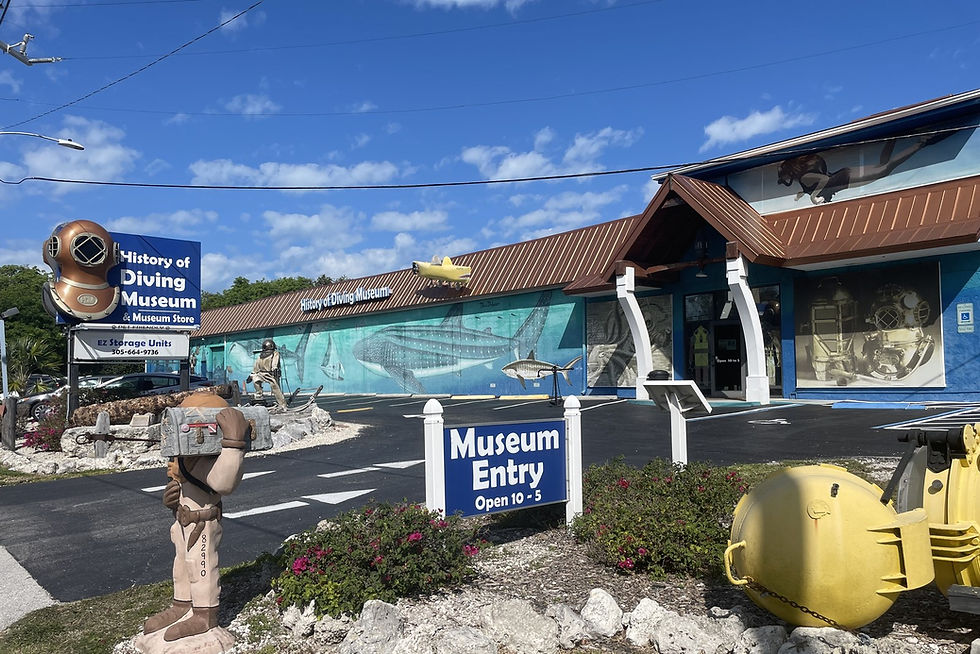
Islamorada is the Village of Islamorada in Monroe County: five keys strung along Overseas Highway, with a dock you can name, a mile marker you can photograph, and a village hall that actually holds the parcel. Generic "Florida Keys" listing copy erases all three. A guest who typed Islamorada into a search bar already chose a specific driveway, not a metro region, and a listing that talks like Key West or Marathon sends that guest looking elsewhere.
The market here is smaller and steadier than its neighbors. Typical annual revenue is $46,255 across 368 active listings, with ADR at $650 and occupancy at 30.4 percent. Peak months are March, February, and April; September is the slow month. Professionally managed listings hold 31.0 percent of the market, and hotel and boutique listing stock accounts for just 16.6 percent of supply.
Everything below builds a listing description around those specific facts instead of borrowed Keys language. This is not legal advice.
Stop Writing Generic Florida Keys Copy
"Florida Keys" is a search category, not a place a guest actually books. Islamorada is a named village spanning five keys, and the guest who typed that name already picked a specific driveway over a hundred-mile highway. New York is the top origin market for these bookings, worth noting as context, but it should never become the headline - the headline is the village itself: the dock, the named mile marker, the water the driveway can reach.
A listing that opens with generic Keys language reads as a costume to a guest who already knows exactly where they're going, and at 30.4 percent occupancy, this market can't afford to lose the visitor who spelled the name correctly.
Retire any language borrowed from Key West, Marathon, or a blended Key Largo caption dressed up to look like this year's rate. Those neighbor names describe different markets, not this one. This market's own revenue anchor is $46,255 on 368 active listings - the description should anchor the identity just as firmly. Name the dock. Name the mile marker. Treat Overseas Highway as a drive, not a brand.
Borrowing a neighbor's identity often means borrowing a neighbor's numbers too. Key Largo runs $45,955 typical revenue across 833 listings - a different market with a nearly two-and-a-half-times-larger supply count, and the two shouldn't share a caption. If a live listing still opens with generic "Florida Keys" language, that's the first fix, before touching the nightly rate.
Photograph the Dock and the Highway Mile You Can Name
The photo gallery should show the walk a guest can actually take from the house. Photograph the dock if water access is the draw. Photograph the highway mile marker if that's the detail that made a guest search Islamorada by name. Photograph Anne's Beach if the drive from the house can reach it, and photograph the house itself, not a generic staged kitchen shot.
With 368 listings competing largely on trust and specificity rather than granite countertops, an honest gallery of the actual walk does more work than a polished stock-style hero image.
Confirm hours and seasonal closures before promising a stop at Robbie's Marina or Theater of the Sea in listing copy - a closed dock on a peak March weekend turns into a bad review, not a marketing win. Visitor attractions like these describe demand for the area, not a booking's occupancy.
Season the gallery honestly. A March, February, or April photo should show water and light that actually match those months, since that's when demand peaks here. September needs an honest caption too - house, shade, whatever the property offers in its slowest month, without dressing it up as leftover tarpon season. Match the month in the photo to the month on the calendar, and let the average 6.2-night stay length guide how many angles of the house are worth showing.
Name Robbie's as Landscape, Not Occupancy
Robbie's Marina and its tarpon feeding are a genuine visitor draw, worth naming in a listing description as a nearby activity, not as evidence of occupancy. Feeding the tarpon is something a guest does during a stay; it has no bearing on when this market actually books. Name Robbie's, Theater of the Sea, the History of Diving Museum, and the Green Turtle Inn as nearby landmarks, and keep the occupancy narrative separate: March, February, and April are the money months here, and September is the slow one, regardless of what's happening at the marina that week.
A guest chasing tarpon season and a family booking a March getaway are different audiences with different priorities. The angler wants Robbie's named specifically. The March family wants the peak season called out. The New York booker - this market's leading origin city - wants the village identified plainly, not folded into generic Keys language.
A single listing trying to speak to every guest type without naming a specific walk, marina, or drive risks sounding generic again. Pick the access point the property can actually deliver and photograph it.
Keep visitor attraction numbers and occupancy numbers in separate buckets. Attraction visitor counts describe area demand; they say nothing about this listing's $46,255 typical revenue or 30.4 percent occupancy. If the property sits near the water, lead with that access and treat Robbie's as a nearby day trip; if it sits closer to the highway, lead with the drive. Either way, name something real and keep attraction traffic separate from the booking calendar.
Key West Stay Copy Does Not Belong Here
Key West, Marathon, and Key Largo are each their own markets with their own identities - borrowing their language to pad out an Islamorada listing creates a mismatch a guest will notice immediately. A gallery that leans on a Key West sunset, or copy that reads like it was written for a different overnight, tells a guest who searched specifically for Islamorada that the listing wasn't written for them.
A guest who typed Islamorada booked that island on purpose, with a specific dock and mile marker in mind. The listing should prove that overnight in the first paragraph and gallery, before any neighbor Key copy appears. When the about block could just as easily sit on Key West or Key Largo, rewrite it until this village stay is the only honest read.
The same discipline applies to borrowing language from Miami or a blended Key Largo caption - neither describes this dock or this mile marker. Guests notice when a listing tries to be everything at once.
If a live listing still references Key West by name, that's worth removing today. Photograph the dock if that's the draw, or the mile marker if Robbie's is more of a maybe. Key West stays on Key West listings; Key Largo stays on Key Largo listings; Marathon stays off this listing entirely.
Seven-Night Residential Minimum Is the Walk
Village residential zoning typically requires a seven-night minimum stay; Mixed Use parcels can differ, so confirm zoning against the parcel's Future Land Use Map before advertising terms. Across the extract, the most common minimum-stay setting is 7 to 29 nights, used by 52.2 percent of listings. Only 10.9 percent - about 40 listings - set a 30-plus night minimum, so that's the exception, not the norm.
None of this changes the underlying numbers: average stay is still 6.2 nights and occupancy is still 30.4 percent. A seven-night minimum describes a booking filter, not a filled calendar, and the listing description should say so plainly.
A guest who searched "Islamorada" and found a seven-night minimum should see that term stated clearly before checkout, not discover it as a surprise. The Village's $1,325 typical license fee and Monroe County's 5 percent tourist development tax are separate compliance facts from the minimum-stay policy itself. A 93-day average booking lead time means guests are planning ahead - give them the stay length they planned for, not a shorter one swapped in at the last minute.
A stay of 28 nights or more falls outside the Village's vacation-rental licensing requirement, though Monroe County's tourist development tax still applies for stays of six months or less - confirm the exact parcel rules before advertising either way. That longer-stay guest is a real product decision for a property that supports it, but it doesn't turn the market's 6.2-night average into a monthly-rental norm.
Ninety-Three-Day Lead Is Not Occupancy
Average booking lead time on this market is 93 days, well ahead of the 6.2-night average stay and the 30.4 percent occupancy rate. A long lead time means guests plan early - it does not mean the calendar fills up through September. March remains the peak month, with February and April close behind. Reading a 93-day lead as proof that summer books itself is a mistake worth naming directly: it's a planning window, not occupancy.
Price by the month the data actually supports. A March booking placed 93 days out is still a March booking; a September inquiry that never converts is still evidence of the slow season, not an anomaly.
Avoid headlines that imply September books itself just because guests plan 93 days ahead, and avoid framing June or July as money months the data hasn't actually supported.
Roughly 40 listings run a 30-plus night minimum, and that setting doesn't fill September either - it just changes who's eligible to book. Typical annual revenue holds at $46,255, up 1.4 percent year over year, while supply has grown 16.8 percent - more competition for roughly the same demand curve. Treat the long lead time as a planning fact worth mentioning, and name September honestly as the slow month it is.
The 16.6 Percent Hotel Share Is Not Your Listing
Hotel and boutique listing stock makes up 16.6 percent of this market's supply; entire-home listings account for the remaining 83.7 percent, and houses specifically make up 56.8 percent of all listings. Two-bedroom is the single most common size at 28.5 percent, and listings sleeping eight or more are the most common capacity setting at 32.9 percent. That mix describes the village's overall listing stock, not any one listing.
The Green Turtle Inn is a landmark worth naming as a nearby attraction; it isn't a stand-in for a two-bedroom house, and copy borrowed from an inn's marketing shouldn't be pasted onto a standard rental.
Professionally managed listings hold 31.0 percent of this market, worth naming as a fact about the market, not as license to guess a specific management brand a property doesn't actually use. Independent hosts still run most of the 368 active listings here. The real risk is generic language, not the absence of a management company's logo. Superhost status, held by 38.0 percent of listings, is a trust signal worth mentioning - it isn't a substitute for occupancy data.
A market-wide hotel share doesn't set an individual listing's ADR. This market's ADR is $650, occupancy is 30.4 percent, and typical annual revenue is $46,255 - numbers that describe entire-home rentals, not a weekend at a boutique inn. Start the listing description with the house itself, not with borrowed hotel language, and leave inn references to actual inns.
What Independent Hosts Can Still Own
Independent hosts still run most of this market. With professionally managed listings holding just 31.0 percent, the majority of the 368 active listings belong to owners writing and managing their own listings. That market-share figure describes the field, not a reason for independent hosts to hand off their voice.
What an independent host can still own is specific: the dock they can photograph, the mile marker they can name, and the village hall that actually holds their parcel's zoning. That specificity is worth more here than a management brand name.
Put the seven-night minimum in writing if residential zoning requires it. Name the Village's $1,325 typical license fee and any city-view feature honestly if the property sits inside Village limits, and frame Monroe County's 5 percent tourist development tax as a straightforward cost of doing business, kept separate from the licensing conversation. Name March as the peak, September as the slow month, and New York as the leading origin market - not a percentage of total guests, just the top single source.
No listing description can honestly promise a Key West sunset this property doesn't offer, a discounted weekly rate the market data doesn't support, or licensing terms that haven't been confirmed with the Village. What a host can promise is an honest gallery and an honestly priced season - photograph the dock, name the mile marker, name Robbie's as a nearby attraction rather than a booking driver, and price by the month the data actually supports.
Pricing March Through September Around What the Data Actually Shows
March, as the single peak month, deserves the strongest pricing of the year, with February and April priced just below it as the two supporting peak-3 months - a host who flattens all three into one rate leaves real revenue on the table during the strongest of the three.
September, as the confirmed slow month, is the place to test a longer-stay discount or a modest rate reduction, rather than holding peak-adjacent pricing through a month the data plainly shows is softer. The 93-day average lead time gives a host real room to release September pricing early enough for value-conscious guests to plan around it.
The months outside peak-3 and September deserve a moderate baseline rate, adjusted upward only for a specific, verifiable driver - a confirmed local event, a genuine spike in inquiries - not a general assumption that a Florida Keys property should command a premium every month of the year.
None of this pricing structure requires borrowing Key Largo's minimum-stay norms or occupancy pattern. Islamorada's own 52.2 percent 7-to-29-night dominant minimum and 30.4 percent occupancy are the correct baseline for a Village of Islamorada property, full stop.
Related Reading
More Islamorada, Florida reading already live on Crest & Cove.
Frequently Asked Questions
What should an Islamorada listing actually say?
Name the dock, the highway mile marker, and the village itself. Guests who searched Islamorada already chose it specifically - don't lead with generic Florida Keys language, and don't borrow Key Largo's $45,955 figure as if it were this listing's rate. This market's typical revenue is $46,255 across 368 listings; photograph what the property's driveway can actually reach.
Is Robbie's the occupancy story?
No. Robbie's tarpon feeding is a genuine visitor draw worth naming as a nearby attraction, but it has nothing to do with occupancy. The real occupancy story is March, February, and April as peak months, ADR of $650, and occupancy of 30.4 percent. Price by the calendar the data supports, not by the marina's feeding schedule.
Can I market Islamorada as Key West?
No - they're different islands with different identities. Key Largo has its own $45,955 typical revenue across 833 listings, a separate market entirely. With an average stay of just 6.2 nights, there's little room to correct a guest's expectations mid-trip if the listing sold them a different destination.
What minimum stay should the listing state?
Village residential zoning typically requires a seven-night minimum, though Mixed Use parcels can differ - confirm zoning against the parcel before advertising terms. The most common setting across the market is 7 to 29 nights, used by 52.2 percent of listings; only 10.9 percent set a 30-plus night minimum. State the actual minimum clearly rather than letting a guest discover it at checkout.
Does a 93-day booking lead mean September is fully booked?
No. A 93-day average lead time describes how far ahead guests plan, not how full the calendar is. September remains the slowest month even with that lead time, and occupancy for the full year sits at 30.4 percent. A booking placed 93 days out for March is still a March booking - it says nothing about fall demand.
Should listing copy sound like a hotel?
No. Hotel and boutique inventory is only 16.6 percent of this market; entire-home listings make up 83.7 percent, and houses specifically account for 56.8 percent. The Green Turtle Inn is worth naming as a nearby landmark, not a template for the listing's voice.
What can an independent host still own in this market?
The dock they can photograph, the mile marker they can name, and the parcel's actual zoning under the Village. State the Village's $1,325 typical license fee and Monroe County's 5 percent tourist development tax as plain, separate facts. Name March as peak and September as the slow month, and leave Key Largo's numbers on Key Largo listings.
Which photos actually belong on this listing?
Photos that show the dock, the mile marker approach, and interior rooms guests will actually use - not a Key West sunset borrowed from another island. Caption only what a guest can verify from this driveway, and leave generic Keys brochure imagery off the gallery unless the property can actually deliver that view.
How much of the market is professionally managed, and does that matter for an independent host?
31.0 percent of listings are professionally managed. Independent hosts run the majority of the 368 active listings, so the real competitive gap in this market is generic marketing language, not the absence of a national brand name on the listing.
What separates Islamorada's numbers from Key Largo's?
Islamorada's $46,255 typical revenue comes from 368 listings; Key Largo's $45,955 comes from a considerably larger 833-listing sample. The two figures happen to be close, which makes it especially important to keep them on separate labeled lines rather than treating proximity along Overseas Highway as proof they're interchangeable.
Work with Crest & Cove Creative
Islamorada stay marketing fails when a Keys-wide costume replaces what this specific driveway can actually deliver. Guests who typed the village name deserve the dock and mile marker they searched for, not a generic Keys postcard.
We help independent hosts rewrite Islamorada listings around the actual dock, mile marker, and village identity, with Key Largo's separate $45,955 figure kept off the page entirely. Send the current about section and gallery, and we'll flag every line that still reads like it was written for a different island.
Reach out at crestcove.co or (256) 998-7502.


Comments