
Pricing Display and Value Framing on an Airbnb Listing

Updated: Aug 21
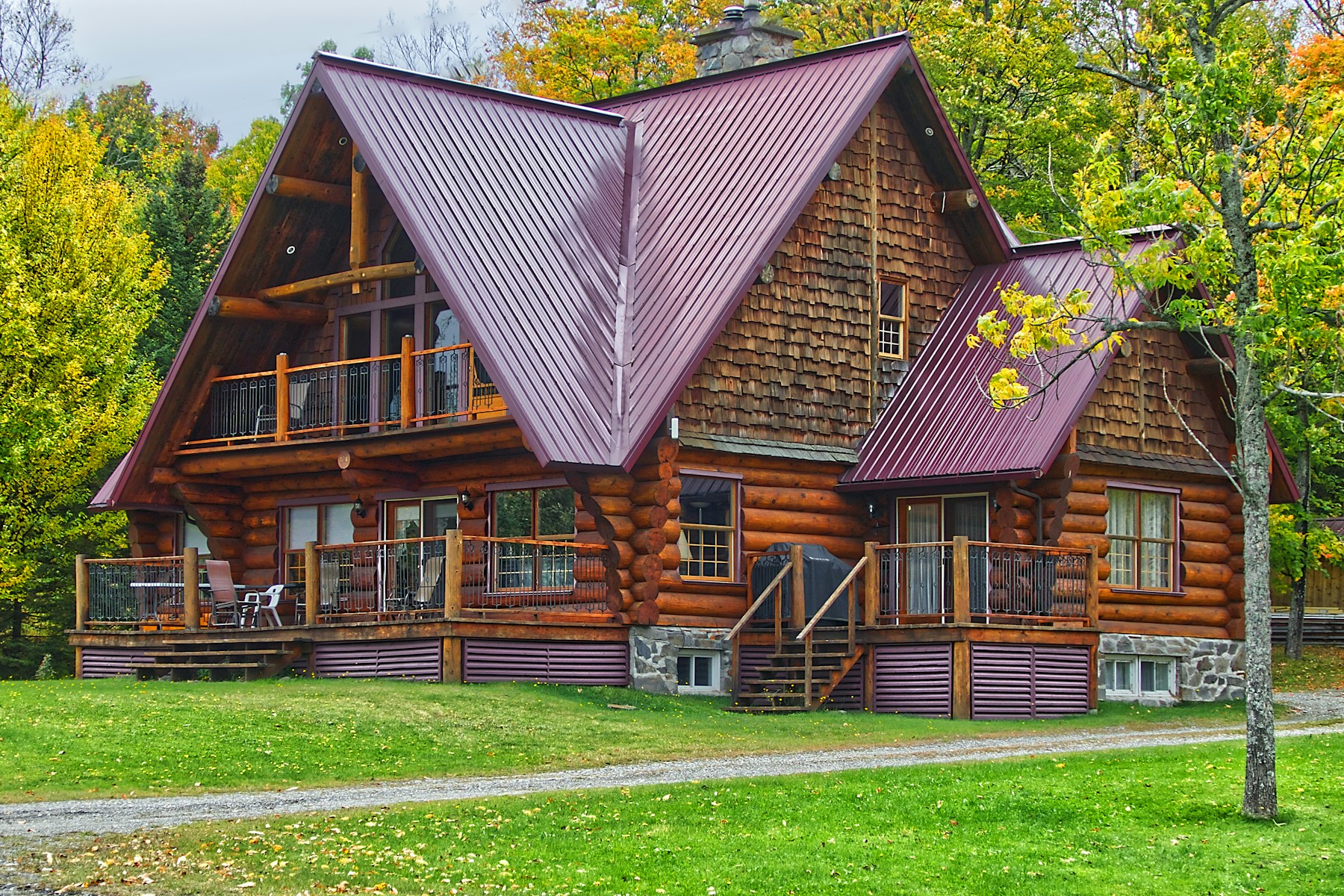
The number on the Airbnb search tile is not the whole stay. Shoppers see a price for the dates they typed, then they open the listing and meet a breakdown: nights, a cleaning line, other fees, and any discount the platform chose to highlight. Hosts who advertise a low nightly and treat the rest as a private ledger invent a surprise at checkout. Official weekly and monthly help is equally plain about display: discounts of ten percent or more will be shown in search results, and all discounts are highlighted next to the original price in the listing breakdown. That ten percent is a display threshold, not a recommended cut.
This essay owns how price appears on the listing, not a rate card and not a seasonal calendar. It covers the tile versus the stay total, what weekly and monthly display actually means, how this sits next to the 011 rate files, what not to invent as a value frame, a labeled composite of a low nightly that hid the cleaning, when to leave the display alone, a thirty day watch after you change the frame, and five stops. Crest and Cove will frame the number the guest already sees. We do not write a rate card. Bring the tile and the checkout total.
Read this when a co-owner wants the search chip to look cheap while the turn still costs what it costs, or when someone is about to publish a ten percent weekly because the callout looked friendly in a screenshot. Keeplength-of-stay dealsopen for the discount as a sentence you can take off. Keep theADR versus occupancy flagshipopen for the year-level tradeoff. This page owns the frame on the listing. It is not a yield desk and not a package price list.
The number on the tile is not the whole stay
Search shows a price story for the dates a guest entered on a phone. The listing then shows a breakdown of the same money in lines. Both views are the product. A host who only watches the chip while the breakdown shocks the booker is measuring the wrong screen. A host who only frets the breakdown while the chip sits far above nearby stays is ignoring the compare that happens first. Treat the tile and the checkout total as one stay told twice. The guest is buying nights they can believe, not the adjective you put next to a number.
The nightly figure is one line. Cleaning, taxes, and any host-set fees sit where the product puts them. Weekly and monthly discounts, when they apply, change what the guest is told they save. After a length-of-stay discount, official help still requires a minimum daily price of at least ten dollars. That floor is a display and payout constraint, not a strategy. Do not invent a ranking weight for a cheaper chip. Price influences search order, and listings priced below comparable nearby stays tend to rank higher. That is a tendency, not a lever you tune by hiding the clean.
Thelisting as a conversion sequencealready said the page has to match the stay. Money is part of that match. If thetitlesells a weekend and the total only pencils on a week, the tile is lying with arithmetic. If the first photo sells hotel polish and the cleaning line is a second profit center, the breakdown will teach distrust before anyone messages about stairs. Frame the number the guest already sees. Do not invent a second number you hope they will not open.
What weekly and monthly display actually means
Airbnb defines a weekly discount for stays of seven nights or more and a monthly discount for stays of twenty-eight nights or more. Discounts of ten percent or more will be displayed in search results. All discounts, including quieter ones, are highlighted next to the original price in the listing price breakdown. That is display language. It is not a recommended cut. It is not a guarantee of bookings. Crossing ten percent turns a callout on. It does not obligate you to live at ten, fifteen, or twenty. Do not invent a fifteen to twenty percent weekly as best practice.
Hosts chase the callout because badges feel like progress. Progress is a total you can defend on the dates you actually sell. A nine percent weekly may be rational for your math and simply stay quiet in search. A twelve percent weekly may be rational and show the badge. A twenty percent weekly that never comes off is often a year of trained bargain asks, which the 011 discount file already treated as a sentence you will live with. This page only needs the listing consequence: the chip will keep announcing a sale you may not have meant to put on July.
Custom nights, Smart Pricing ranges, and stacked trip-length deals can move the number the guest sees below the range you thought you set. Length-of-stay discounts override Smart Pricing. Click a seven-night stay and a twenty-eight-night stay as a stranger before you walk away from the calendar. Confirm the callout appears only when you crossed the display threshold on purpose. Confirm the breakdown still looks like the house in the photos. Display is a frame. It is not occupancy math and not a reason to invent a lift from a badge.
How this sits next to the 011 rate files
The 011 cluster owns rate work: seasonal calendars, event nights, min-stay floors, discounts that do not train cheap demand, Smart Pricing versus a base, cleaning as a total-price object, weekend versus Tuesday, and intro rates that should come off. Those files decide what number you can live with after the booking lands. This file decides how that number appears on the listing a shopper is already reading. Do not reprint a rate card here. Do not pick a nightly as if Crest and Cove sold one. Link the desks and keep the jobs apart.
When the leftover argument is a weekly that never expired, readlength-of-stay dealsand come back. When the leftover argument is a year that cannot choose between rate and fill, readADR versus occupancyand come back. When the leftover argument is a two-night quote crushed by a flat clean, that is 011’s cleaning essay, not a conversion hack on this page. This page will only say the guest sees a total. If you frame the night and hide the clean, you are writing fiction into checkout.
Search still uses price as a heavy signal. The ranking essay for independent hosts already said not to invent a weight. Keephow ranking worksfor order. Keep this page for the chip, the strike, and the breakdown a thumb opens. New listings face the same temptation with a launch cut that never leaves the tile. Thefirst thirty daysfile owns that window. Take a launch frame off the same way you take a weekly off: with a date written before the next Instant Book night.
What not to invent as a value frame
Do not invent a crossed-out story the platform did not earn. Airbnb crosses out a price in guest-facing help when the offer is at least ten percent lower than usual for a particular night, and it also highlights weekly or monthly discounts hosts set. You do not get to write “was” and “now” as listing poetry. You get the display the product already built. Fake scarcity, fake compare-at numbers, and package prices Crest and Cove does not sell are not value frames. They are a second listing living in the description.
Do not invent a conversion lift from a cheaper chip. Do not invent a click-through percentage from a badge. Do not invent occupancy from a ten percent weekly. Official help may say longer stays often mean higher occupancy and less turnover. That is platform copy about why a host might offer a weekly, not a number you can put on your house. This cluster will not print a lift. It will tell you to open your own listing as a stranger, read the tile, open the breakdown, and ask whether those two screens still describe the same stay.
Do not invent value by burying the constraint the guest will pay for. Parking that is paid, a hot tub that is seasonal, a cleaning line that dominates a two-night weekend, a monthly discount that does not apply to the six nights they searched: those facts belong next to the number, not under it. Theamenity listowns the ticks. Thecancellation displayowns the policy they read before they book. This page owns the money they are asked to believe. A frame that hides a line is not hospitality.
A composite: a low nightly that hid the cleaning
This is a composite. It is not a named client and not a case study with a fabricated occupancy number. A two-bedroom listing cut the default night so the search tile sat under the cabin next door. The turn still cost what it cost. The cleaning line stayed large. Friday-to-Sunday shoppers tapped the cheap chip, opened the breakdown, and left. A few booked anyway and wrote that the house was fine and the total felt like a trick. The hosts asked whether they needed a weekly badge to “add value.” The tile had never been the whole stay.
What happened next does not need an invented lift. The useful move was to put the night and the clean into one total they could defend next to nearby stays for the same dates, then look at that total on a phone. The cheap chip had been a disguise for a turn they still had to buy. They did not need a ten percent weekly to decorate the surprise. They needed the listing to stop advertising a night nobody paid. The next stranger test showed a higher chip and a breakdown that no longer felt like a second listing. Inquiries about “any discount?” slowed because the first number had stopped lying.
If your own tile looks like a bargain and your checkout does not, you are already in this composite. Relabel the cheap night as fear of the neighbor’s chip. Open the listing as a guest for two nights and for seven. Write both totals down. If the two-night total is the product you photograph, the night and the clean have to live together on that quote. Crest and Cove will frame the number the guest already sees. We will not write a rate card. Bring the tile and the checkout total. Bring the screenshot, not a thread that promised a badge would convert.
When to leave the display alone
Leave the display alone when the tile, the breakdown, and the stay already tell the same story. A quiet nine percent weekly you can defend does not need to be pushed to ten so a callout appears. A cleaning line that matches the turn does not need to be zeroed so the chip looks friendlier. A peak weekend that should stay expensive does not need a sale frame because a tool highlighted a threshold. Display is not a weekly chore. It is a check that the guest is still reading the house you have.
Leave it alone after a booked guest is already on the dates. Price changes apply to future reservations, not to pending or confirmed stays. Do not rewrite a deposit they already paid and then argue that the listing “updated.” If you change a weekly or a cleaning line, the next shopper sees the new frame. The last shopper does not. Message a guest only if a fee or a stay fact they bought has actually changed. Otherwise let the booking they accepted stand. Honesty is not a restyle of a paid night.
There is a floor on leaving it alone. If the tile and the breakdown disagree, you do not get to wait for a season report. Fix the frame. If a launch cut is still printing on a house that is no longer new, take it off. If a monthly callout is showing on dates you will not take for twenty-eight nights, the calendar and the display are fighting. Thelisting auditis the stranger pass for that match. Open the phone. If both screens already match Saturday, stop decorating the number.
A 30-day watch after you change the frame
After you change a nightly, a cleaning line, or a weekly display, write down the tile and the checkout total for two nights and for seven on the same midweek dates. Then watch thirty days of stranger tests, not a dashboard myth. Did the next inquiry open with a bargain ask you trained. Did a guest quote a callout that no longer applies to their length. Did a review mention value as a trick. Do not invent a click-through percentage. Do not invent occupancy from the badge. Do not invent a ranking weight for a cheaper chip.
Thirty days is long enough to see whether the breakdown still shocks people who liked the tile. If it does, you changed the wrong line. If nobody books a two-night weekend after you stopped hiding the clean, that may be the true price of the turn, not a reason to hide the clean again. Ifmobile shoppersbounce before the breakdown, the first screen may be a photo or a title problem, not a price problem. Sequence the objects. Do not stack a new weekly on a page that still hides the stairs.
Use the month to keep 011 in its lane. If the leftover work is a seasonal calendar, go back to that cluster. If the leftover work is a discount without an off date, go back to length-of-stay deals. This watch only asks whether the listing still frames one stay. Read the chip out loud. Read the breakdown out loud. If they name different houses, change one of them the same day. When a month of quotes matches the house in the photos, stop restyling the number. A calm tile is not a prompt to invent a sale.
Stop doing these five things
Stop advertising a low nightly that only works if the guest never opens the cleaning line. The tile is not the whole stay. Search and checkout both show money. A cheap chip next to a heavy clean is a two-screen product, and the second screen is the one they pay. Put the night and the turn into one total you can defend next to nearby stays for the same dates. Do not invent a conversion lift from a friendlier chip. Do not invent a right dollar for the clean on this page. Frame the number they already see.
Stop treating Airbnb’s ten percent weekly and monthly mark as a recommended cut. Official help says discounts of ten percent or more will be displayed in search, and all discounts are highlighted in the listing breakdown. That is a display threshold. It is not a target, not a ranking weight, and not a reason to invent fifteen to twenty percent as best practice. A quiet nine percent you can remove beats a loud twenty percent the tile will keep announcing in July. Choose a percent from nights you will take. Let the badge be a side effect.
Stop writing fake was-now copy, package prices, or occupancy promises into the listing as a value frame. You do not get a compare-at number because a thread used one. You get the strike and the highlight the product already builds. Official language about longer stays and occupancy is not a statistic for your house. This cluster will not print a lift. Open the listing as a stranger. If the tile and the breakdown already describe the stay, you do not need poetry under the price.
Stop changing the frame on a stay someone already bought. Future reservations only. Guests with pending or confirmed bookings will not automatically inherit a new nightly, a new weekly, or a new clean as if they had shopped today. If a fee they purchased actually changed, message them. If you are only restyling the chip, leave their total alone. Honesty after the card is the same job as honesty before it. A new badge is not a reason to reopen a paid night.
Stop stacking a new callout every time a neighbor’s tile looks cheaper. Watch thirty days after a change: two-night total, seven-night total, bargain asks, review language about value. If the leftover work is a rate card, return to 011. If the leftover work is a page no thumb will finish, return to mobile and the first five. Crest and Cove will frame the number the guest already sees. We do not write a rate card. Bring the tile and the checkout total. Then stop decorating a house the photos already priced.
Frequently Asked Questions
Is the Airbnb search tile the full price of the stay?
Search shows a price story for the dates a guest entered. The listing and checkout then show a breakdown with nights, cleaning, other fees, and any highlighted discount. Both screens are the product. A cheap chip next to a heavy clean is a two-screen stay, and the second screen is the one they pay. Frame the night and the turn as one total you can defend next to nearby listings for the same dates.
What does Airbnb’s 10 percent weekly discount actually mean?
Weekly discounts apply at seven nights or more and monthly at twenty-eight or more. Discounts of ten percent or more will be displayed in search results, and all discounts are highlighted next to the original price in the listing breakdown. That ten percent is a display threshold, not a recommended cut, not a ranking weight, and not a guarantee of bookings. Crossing it turns a callout on. It does not obligate you to live at ten, fifteen, or twenty.
Should I raise a weekly to 10 percent just to show the badge?
A nine percent weekly may be rational for your math and simply stay quiet in search. A twelve percent weekly may be rational and show the callout. Choose the percent from nights you will take and can later remove. Let the badge be a side effect. This page will not invent a fifteen to twenty percent weekly as best practice, and it will not invent occupancy from a louder chip. Display is a frame, not a target.
Does this page replace Airbnb rate-card or seasonal pricing advice?
The 011 files own calendars, event nights, min-stay floors, discounts you can take off, Smart Pricing versus a base, and cleaning as a total-price object. This page owns how the number appears on the listing a shopper already reads: the tile, the strike, and the breakdown. Do not reprint a rate card here. If the leftover work is a weekly without an off date, go back to length-of-stay deals. If the leftover work is a year-level tradeoff, go back to ADR versus occupancy.
Can I write my own was-now price on the Airbnb listing?
Airbnb already highlights discounts in the breakdown and may cross out a price when an offer is at least ten percent lower than usual for a night. You do not get to invent a compare-at number, a package price, or fake scarcity as listing poetry. Those frames are a second listing living in the description. Open your own page as a stranger and read the tile and the checkout. If they already match the stay, stop decorating the number.
Will a cheaper search chip raise my Airbnb ranking?
Price influences search order, and listings priced below comparable nearby stays with similar traits tend to rank higher. That is a tendency, not a weight you can tune by hiding the cleaning line. Do not invent a ranking number or a click-through percentage from a friendlier chip. If the tile looks cheap and the breakdown does not, you have a honesty problem, not a ranking desk. Compare totals for the same dates, not nights you hope nobody itemizes.
Do booked guests see a price change I make later?
Price changes apply to future reservations. Guests with pending or confirmed bookings will not automatically inherit a new nightly, a new weekly, or a new cleaning line. If a fee they purchased actually changed, message them. If you are only restyling the search chip, leave their total alone. Honesty after the card is the same job as honesty before it. A new badge is not a reason to reopen a paid night.
When should I leave the Airbnb price display alone?
When the tile, the breakdown, and the stay already tell the same story. A quiet weekly you can defend does not need to be pushed to ten percent so a callout appears. A cleaning line that matches the turn does not need to be zeroed so the chip looks friendlier. If the two screens disagree, fix the frame the same day. Watch two-night and seven-night totals for thirty days after a change. Then stop restyling a number the photos already priced.
Related Reading
More independent-host listing-conversion reading already live on Crest & Cove.
Work with Crest & Cove Creative
Stop publishing copy a guest cannot verify on this listing.
Bring the current listing and the page that is supposed to do this job. We will rewrite pricing Display and Value Framing on an Airbnb Listing so it matches what is actually true on the tile. Reach out at crestcove.co or (256) 998-7502.


Comments