
Kennebunkport, ME STR Market Report 2026: What Hosts Should Underwrite

Updated: Aug 27
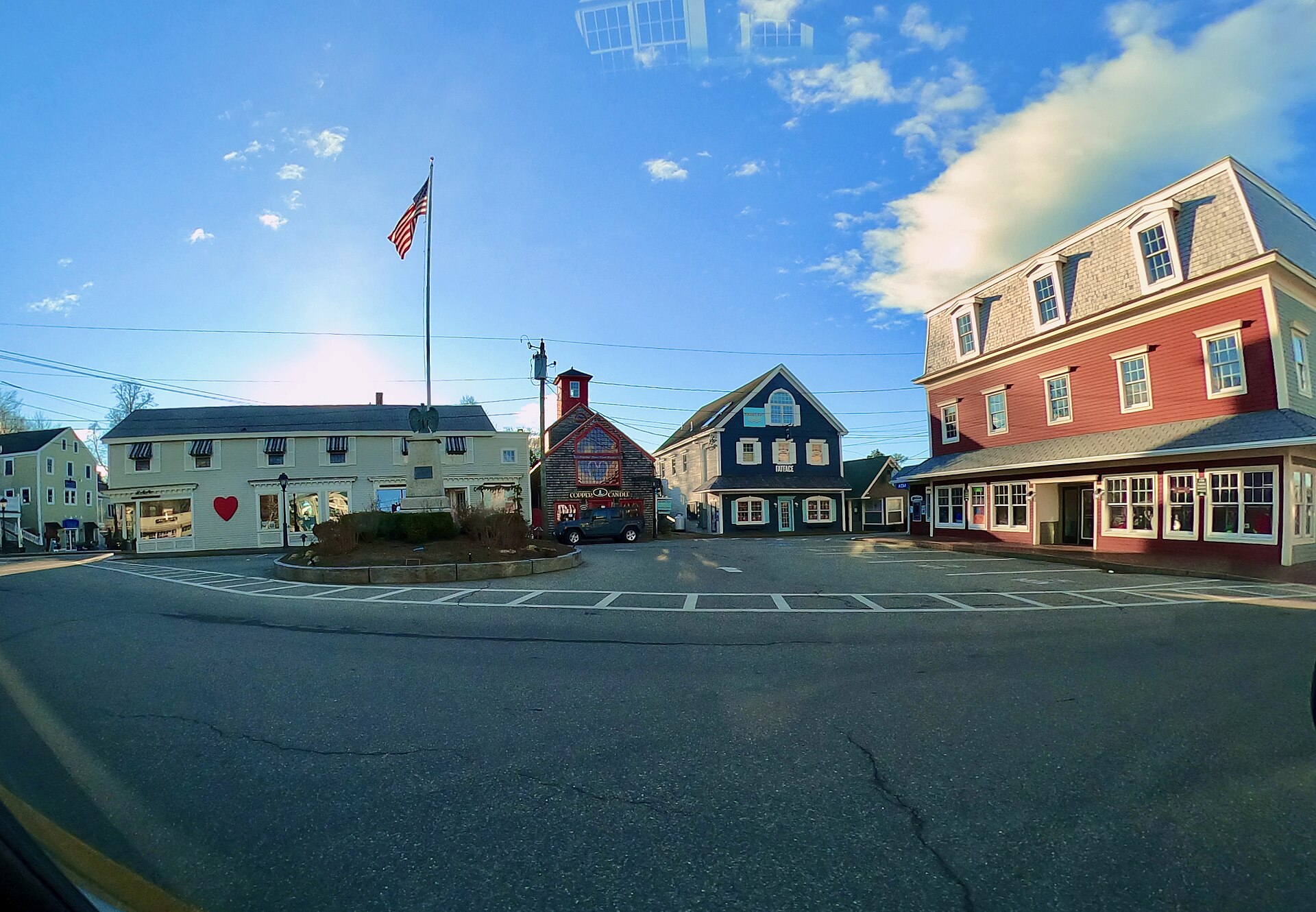
Kennebunkport, Maine is a one-hundred-fifty-eight-listing Southern Maine cell on the AirROI extract dated 2026-08-08. The published year is the Kennebunkport marketplace, not a Chapter 129 listing and not a Goose Rocks carve-out. Dock Square, Cape Porpoise, and Goose Rocks Beach sit inside the incorporated town, where a short-term rental is a stay under 30 days and needs a license to advertise. Annual revenue for a typical active unit lands at $48,101 with a median month of $4,906, an ADR of $708, occupancy of 36.4 percent, and RevPAR of $255. The year is clear. The median is the month.
Hosts who invent a leftover $100,000 year or a leftover July-only beach peak from another aggregator's postcard will underwrite a calendar this pull does not print. Peak revenue month is August. The three strongest months are August, July, and September. The hole is January, February, and March. January is the lowest revenue month. Occupancy is lowest in January and highest in August. ADR peaks in July and is lowest in February. AirROI prints Moderate regulation and a 26 percent licensed share. That badge is not Chapter 129 and it is not a 2026 portal still taking listings.
This report names what the numbers say, how the Kennebunkport calendar runs, what the product looks like, and what this market is not. The Chapter 129 freeze, the Goose Rocks off-cap map, and the Kennebunk and Ogunquit desks get a full clerk file later. If you need the ordinance path before you list, start with therules file. If you are underwriting a purchase against these figures, use theinvestment underwrite.
What the Kennebunkport extract says
The AirROI Kennebunkport page, updated 2026-08-08, reports one hundred fifty-eight active listings. Average daily rate sits at $708. Occupancy is 36.4 percent. RevPAR is $255. Annual revenue for the typical active unit lands at $48,101, and the median month prints $4,906. Cite both figures. Do not annualize an August screenshot. The year sits on a clear line over the forty-five-thousand floor this shop prefers. Those figures are the locked inputs for every later post. They are not Maine Beaches visitor spend, and they are not a single operator's portfolio year. They describe the competitive set a new host would join if the parcel can list.
Superhost share sits at 60.1 percent, Professional management is 23.4 percent, Cohost share is 27.2 percent. Instant Book is 12.7 percent, Thirty-plus-night minimums already cover 53.8 percent of the set, Two-night minimums are 8.9 percent. Entire homes are 91.8 percent, Houses are 72.8 percent, Cleaning fees show a median of $301 and an average of $367. Use the median, Guests come from New York first and Boston second, AirROI prints Moderate regulation and a licensed share of 26 percent. Revenue moved minus 23.8 percent while supply grew 12.1 percent, Treat the extract as a competitive set, not a promise.
AirROI's Moderate label is a product label, not Town of Kennebunkport Chapter 129. The 26 percent licensed share is the same vendor field. Neither object is a 2026 calendar-year listing. The ordinance path is a clerk map, not a badge. The extract is the marketplace path. The numbers below assume an active, bookable unit in the current set. A live published year is not that paper. Planning is when the question is the listing, not the year.
$48,101 is a clear year; $4,906 is the month
A $48,101 year is real money in a one-hundred-fifty-eight-listing cell and it sits on a clear line, not a watch line, because it lands over the forty-five-thousand floor this shop prefers. The median month of $4,906 is the same sentence in monthly form. Do not annualize an August screenshot and call it a year. Do not round the clear year up, and do not round the month away because a Prelude weekend looked busier. Build the base case on $48,101 and $4,906 for one active unit, then decide whether the expense stack still stands when January, February, and March go dark.
Kennebunk's $47,644 on 237 listings and Ogunquit's $33,812 year are comparison cells only. They are not a Kennebunkport year and they are not permission to invent a Southern Maine beach average. This cluster will not blend those extracts. Keep the neighbor years in thecomparison fileonly as comparison. If you need the tourism distinction, $48,101 is a host year, not visitor spend. 5 billion Maine Beaches line by one hundred fifty-eight. Thetourism fileowns that sentence.
The year is clear. The month is the file you take to a lender. Peak-season averages sit near $11,806 at 50.0 percent occupancy. Low-season averages sit near $2,968 at 19.5 percent occupancy. Those two seasons are not a leftover $100,000 year. They are the same $48,101 split across a compressed coast. Stress $4,906. Cite $708 ADR beside it. Occupancy for the year is 36.4 percent. That is the month the note has to survive, not an August Saturday you liked.
August, July, and September carry this cell
The seasonal spine of this cell is simple and locked, Peak month is August, The three strongest months are August, July, and September. The three weakest months are January, February, and March, January is the lowest revenue month, Occupancy is lowest in January. Occupancy is highest in August, ADR peaks in July, That order is not a marketing suggestion. It is the calendar hosts should price against when they build a year of rates and minimum stays. Late summer into September carries the year, Winter into early spring is the reserve season you fund.
Notice that September is a peak month, not a discounted afterthought, and that August and July sit with it. March is a low even when the harbor still feels busy. Hosts who price March like August will watch the extract prove them wrong. Christmas Prelude on December 3 through 13, 2026, can be busy. It is not a leftover July-only beach spine, and this page will not invent a Prelude-package ADR. Peak-season averages sit near $11,806 at 50.0 percent occupancy. Low-season averages sit near $2,968 at 19.5 percent occupancy.
For a deeper cut on the soft months, use theshoulder-season calendar. This market report only needs you to lock the peak-three and low-three labels before you write a rate listing. Dock Square light, a planned trip from New York, and the beach as a named walk are honest August, July, and September products.
Occupancy at 36 percent is a compressed-coast town
Thirty-six point four percent occupancy means well under half the available nights clear and more than half do not, on average, across the year. In a year-round resort with conference demand, operators often underwrite toward the high sixties or low seventies. The Kennebunkport cell is not that product. Dock Square, Goose Rocks, and New York then Boston as origin cities pull strong August, July, and September weeks. They do not fill every midweek night in January at the same rate. Compressed-coast town with a real January-February-March hole is the honest frame.
RevPAR of $255 is the bridge between ADR and occupancy. At $708 ADR and 36.4 percent occupancy, the math is consistent with a market that earns real money on the nights it books and leaves real gaps on the nights it does not. Annual revenue of $48,101 and a median month of $4,906 describe a blended year, not twelve Augusts. Peak-season averages sit near $11,806 at 50.0 percent occupancy and about $777 ADR. Low-season averages sit near $2,968 at 19.5 percent occupancy and about $645 ADR. The year sits on a clear line. The median is the month. If your expense stack assumes full-year beach occupancy, the model will break in the first January.
Read Superhost at 60.1 percent next to occupancy, not instead of it. Quality share is already high for a one-hundred-fifty-eight-listing set. Guests who do book still have options that look polished, including a 9.5 percent hotel and boutique slice. Instant Book is only 12.7 percent. Lead time averages ninety-seven days. Average stay is five nights. Those cadences explain why one August Saturday is not twelve months of coverage, and why a leftover July-only rate listing will miss September.
Product mix: 54 percent already set 30-plus
Fifty-three point eight percent of the set already shows a thirty-plus-night minimum. That is eighty-five listings. Two-night minimums are 8.9 percent, or fourteen listings. One-night stays are 8.2 percent, or thirteen listings. Seven-to-twenty-nine-night settings are 4.4 percent, or seven listings. Those shares are listing settings, not booked winter occupancy. A monthly gate does not mean half of January nights are filled. It means a large slice of hosts have already decided the product is a month, not a Saturday.
Town law still defines the short-term rental as a stay of less than thirty days, A thirty-plus listing setting and a less-than-thirty license are different objects. Theremote-stay fileowns that split, This market report only needs you to see the mix: far more listings already run a monthly gate than run a two-night weekend. Entire homes dominate at 91.8 percent, Houses are 72.8 percent, Three-plus bedrooms are 61.4 percent. Three-bedrooms are 25.9 percent, Eight-plus guest capacity is 39.9 percent, Average guests sit at 5.7. The volume product is a house for a small group, not a one-bed studio on Dock Square.
Cleaning sits at a $301 median, Use the median, The average of $367 is an outlier pull, and the extract prints that fee on 89.2 percent of listings at 10.2 percent of gross. Lead time is ninety-seven days, New York books first, Boston books second. Domestic share is 94.9 percent, Exact location is disclosed on only 31.0 percent of listings, Photos average 34.8 per listing. Average guests sit at 5.7, The set already looks finished next to that bar.
Superhost 60 percent and two local books
Superhost share sits at 60.1 percent, Guest Favorite share sits at 56.3 percent, Average rating is 4.88. Instant Book is only 12.7 percent, Exact location is 31.0 percent, Photos average 34.8 per listing. The set already looks finished, A new host who uploads eight iPhone frames and a leftover beach paragraph will sit next to that bar, not under it. That 4.88 floor is the listing you join, not a score you inherit by opening an account.
Professional management is 23.4 percent, That is not a franchise vacuum and it is not a monopoly, KPort shows seven listings and $409,819 combined. Coastline Vacation Rentals shows nine listings and $264,690 combined, Evolve shows three listings and $116,720 combined, Those totals are their books. They are not your year, They are not permission to invent a vacant-brand story, This market report only needs you to see that two named local books already sit on the extract and that most listings still run without a full-service manager.
Cohost share is 27.2 percent. That is a helper layer, not a second nine-home brand. If you hire help, hire it for the photograph and the listing, not because you thought the cell had no professionals. Print the names. Do not treat their combined books as transferable income. A 4.88 rating bar and a 56.3 percent Guest Favorite share mean the guest already has polished options. Your year is still $48,101, not their combined book. Vacasa is six doors on the Kennebunk extract, not a one-hundred-fifty-two-door Kennebunkport story.
AirROI Moderate is not Chapter 129
AirROI prints Moderate regulation and a licensed share of 26 percent, That is a vendor product label on the extract. It is not Chapter 129, It is not a 2026 calendar-year listing, It is not the Select Board cap formula. It is not a Goose Rocks Neighborhood carve-out, It is not a Town of Kennebunk $250 registration, It is not an Ogunquit TA-1 week. A live Airbnb published year inside Kennebunkport is not a license, A live published year on a Goose Rocks parcel is not a license until Planning says it is.
The Town of Kennebunkport requires a license to advertise, rent, or operate a stay of less than thirty days. The 2026 portal is closed to new applications and to renewals. Hedge whether an already-issued 2026 listing stays live, and print the town sentence instead of inventing a reading. Goose Rocks still needs a license; those licenses do not count toward the town-wide cap. Licenses do not transfer except a named family or estate file. Thedowntown versus beach filewalks that split. This market report only needs one sentence: do not
Supply grew 12.1 percent while revenue moved minus 23.8 percent. Name the drop. The extract already has one hundred fifty-eight active units. Your job is to decide whether one more legal house can stand next to that set on a $4,906 month.
What this extract is not
This extract is not a Chapter 129 license, It is not a 2026 portal that is still open. It is not a Goose Rocks off-cap waiver, It is not Maine Office of Tourism's $2.5 billion Maine Beaches visitor-spend line. It is not KPort's $409,819 book, It is not Coastline's $264,690, It is not Evolve's $116,720. It is not Kennebunk's $47,644, It is not Ogunquit's $33,812, It is not twelve Augusts. It is not a leftover $100,000 year, September is a peak, March is a low. Dock Square is town, Goose Rocks is still licensed.
It is a one-hundred-fifty-eight-listing marketplace path dated 2026-08-08. Use $48,101 and $4,906, hold 36.4 percent occupancy and $708 ADR, and keep the August-July-September spine. Then open the clerk. If the parcel is Kennebunkport and the 2026 portal is closed, stop the unlicensed nightly underwrite. If the parcel is a legal Chapter 129 house or a Goose Rocks house that can still hold a listing, the lodging tax and the Planning file are the next objects, not a beach postcard.
Thestartup fileprices that stack without inventing a purchase price. Do not treat a Dock Square photograph as a rate listing. Do not treat a Goose Rocks walk as a license. Photograph the stay you can sell. Write the license number next to that sentence.
Related Reading
Keep reading in the Kennebunkport market spine and nearby towns in the same region: same-cluster pages hosts can use without costume-corridor copy.
Frequently Asked Questions
How much do Airbnb hosts make in Kennebunkport, Maine?
The AirROI extract dated 2026-08-08 shows $48,101 as the typical active-unit year across 158 listings, with an ADR of $708, occupancy of 36.4%, and RevPAR of $255. That figure describes one typical unit, not a leftover August screenshot annualized, and shouldn't be confused with figures pulled from another aggregator or another town.
Can I blend Kennebunkport with a Kennebunk or Ogunquit year?
No. $48,101 and the $4,906 median month belong specifically to Kennebunkport. Kennebunk's figure is $47,644 on 237 listings, and Ogunquit's is a $33,812status year on 246 listings. Those are useful for comparison, but they're not a Kennebunkport figure and shouldn't be averaged into one Southern Maine beach number.
What is the occupancy rate for Kennebunkport vacation rentals?
Occupancy on the 158-listing extract is 36.4%, consistent with a compressed-coast town rather than a resort running near 70%. Occupancy is highest in August and lowest in January. The blended $48,101 annual figure and $4,906 median month describe that full-year pattern, not twelve months priced like August.
When is peak season for a Kennebunkport Airbnb?
August is the peak revenue month, with July and September rounding out the three strongest months; peak-season monthly averages run near $11,806. January, February, and March are the three weakest months, with January the lowest. Pricing July and September alongside August, rather than treating them as afterthoughts, captures the rate the extract shows the market actually supports.
Does AirROI's 'Moderate' regulatory label mean I can skip Chapter 129?
No. AirROI's 'Moderate' tag and a reported 26% licensed share are vendor-assigned data labels, not confirmation of Chapter 129 compliance, the 2026 application freeze, or a Goose Rocks Beach carve-out. The town requires an actual Chapter 129 license to advertise a stay under 30 days, and the 2026 portal is closed to new applications and renewals; a published market year doesn't substitute for that paperwork.
What does a 53.8% thirty-night minimum figure mean in Kennebunkport?
It's a listing setting, not booked winter occupancy. 53.8% of the 158 listings, 85 doors, already show a thirty-plus-night minimum, while two-night minimums sit at 8.9%. A monthly gate doesn't mean January is half-filled, and it doesn't replace or satisfy the Chapter 129 licensing requirement either.
Should named operator totals like KPort or Coastline be used as a Kennebunkport revenue estimate?
No. Named-operator totals describe that specific company's books across multiple units, not transferable income for a single property. KPort shows 7 listings and $409,819 combined; Coastline Vacation Rentals shows 9 listings and $264,690 combined; Evolve shows 3 listings and $116,720. A single-unit underwrite should be built against the $48,101 typical-unit year, not a multi-property operator's combined total.
Does the Maine Office of Tourism's $2.5 billion figure describe Kennebunkport rental income?
No. That figure measures 2024 visitor spending across the broader Maine Beaches region, published by the Maine Office of Tourism, and it's a tourism-spend statistic, not a rental-market figure. It shouldn't be divided by the 158-listing count or treated as evidence for a specific host's annual revenue.
Work with Crest & Cove Creative
Kennebunkport, ME STR listings fail when the about block sells a costume overnight the driveway cannot keep. Guests who typed kennebunkport or kennebunkport / underwrite deserve the hall and gallery that match the tax map.
We help Kennebunkport, ME STR hosts around kennebunkport / underwrite keep listing and marketing copy honest so the first paragraph cannot sit on the wrong town. Neighbor mix-ups stay labeled, and the gallery has to match arrival weekend before anyone pays for more words on this published year.
Reach out at crestcove.co or (256) 998-7502.


Comments