
Who Books Kennebunkport, Kennebunk, and Ogunquit Stays

Updated: Aug 27
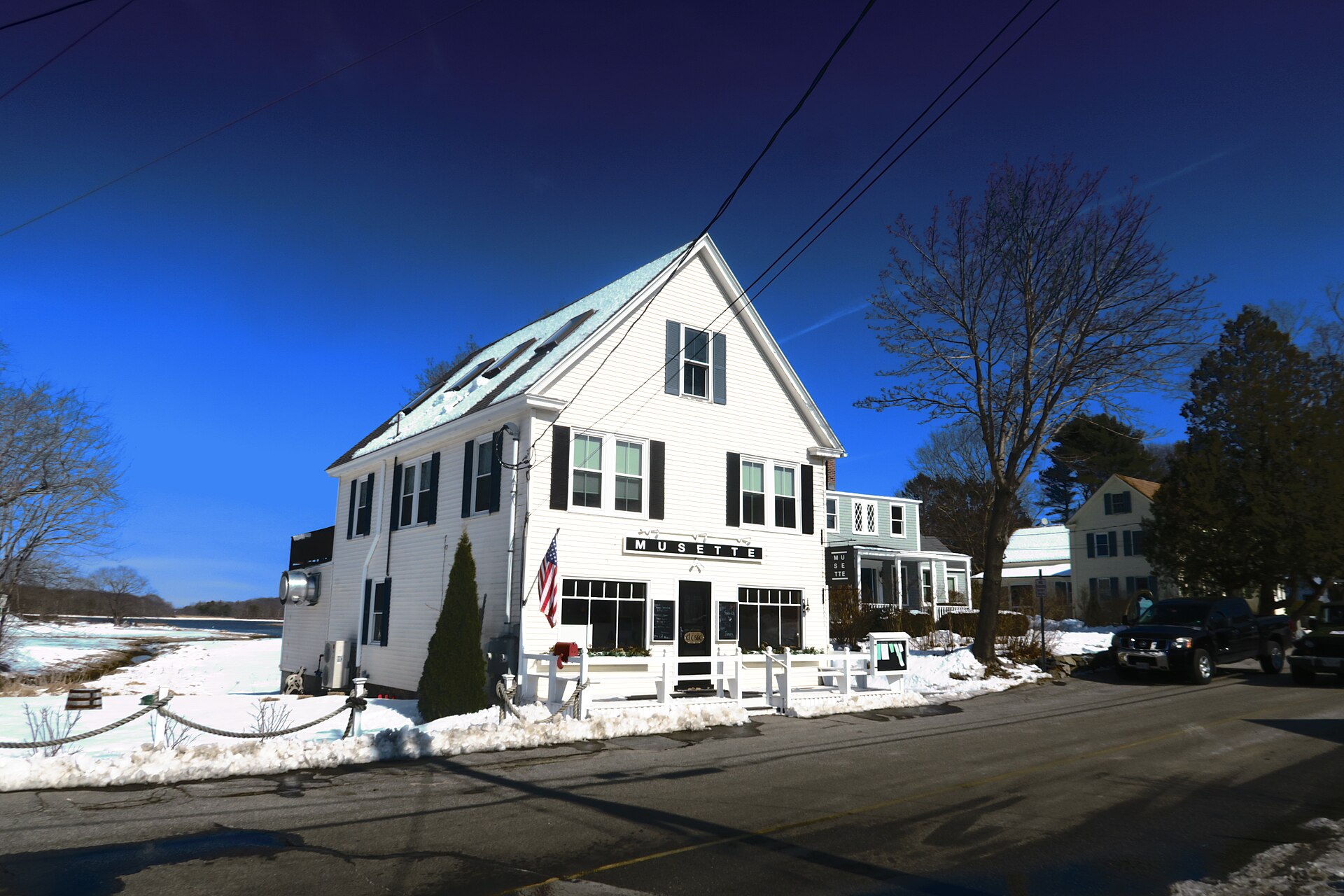
Kennebunkport, Kennebunk, and Ogunquit sit close enough together on the southern Maine coast that marketing copy frequently blends them into one generic "Maine beach house near everything" persona. That blend hides three separate, verifiable market years and three genuinely different guests, and it is worth unwinding town by town before writing a single word of listing copy for a property in any of them.
The dated 2026-08-08 AirROI extract shows Kennebunkport's incorporated-town market, covering Dock Square, Cape Porpoise, and Goose Rocks Beach, pulling New York then Boston as its top feeder markets, with a $708 ADR, 36.4 percent occupancy, and a $48,101 clear year. Kennebunk, a 237-listing neighbor under its own clerk registration, runs $552 ADR, 39.9 percent occupancy, and a $47,644 year. Ogunquit, a 246-listing arts-and-beach town under a seven-day TA-1 requirement, shows $463 ADR, 35.7 percent occupancy, and a $33,812 year.
This page breaks down what each town's guest is actually paying for, why they should never be blended into one brand voice, and what a persona page for any of the three should refuse to guess. It also covers how seasonal timing and minimum-stay settings shift which persona a given listing can actually attract, regardless of which town it sits in. This is not legal advice.
Three Towns, Three Guests, One Leftover Blend to Avoid
Hosts who write "Maine beach house near everything" are hiding the specific, published market year that actually applies to their property. That phrase could describe a Kennebunkport, Kennebunk, or Ogunquit listing equally, which means it tells a guest nothing useful and tells a host nothing about which of the three distinct guest personas they are actually trying to reach.
Vacasa's footprint in Kennebunk, six listings totaling $96,613, is a small, specific operator presence, not a leftover 152-door management story that gets inflated in some marketing conversations. Getting operator scale right matters for the same reason getting the town right matters: specificity is the entire value of a persona page.
This blending problem tends to creep in specifically when a host or a hired copywriter is working across all three towns at once, reaching for shared language to save time. The fix is not more effort per se; it is simply keeping each town's actual figures and character notes in view while writing, rather than drafting from memory or from a generic Southern Maine coast template that flattens all three towns into one voice.
A quick check before publishing: read the draft aloud and see if swapping the town name anywhere in the copy would still make the sentence sound true. If it would, the copy has drifted into the generic blend this section warns against, and it is worth rewriting before it goes live on any listing platform.
Kennebunkport Pays for Dock Square Character
Kennebunkport's guest is paying a premium, reflected in its $708 ADR, for Dock Square's specific character, Cape Porpoise's working-harbor identity, and Goose Rocks Beach's own separate draw, all pulling primarily from New York and then Boston as feeder markets. That character is the actual product being sold here, not a legal footnote buried under a generic Maine headline. A listing that leads with a vague coastal description rather than naming Dock Square or Cape Porpoise specifically is leaving its strongest selling point unused.
Because this guest is already paying a premium price point, listing copy can afford to be more specific and less generically reassuring than a value-focused listing would need to be; naming exact walking distances to Dock Square shops or the specific character of Cape Porpoise's harbor does more marketing work here than broad appeals to comfort or relaxation.
Kennebunk Is the $47,644 Coastal-Access File
Kennebunk's guest, at $552 ADR and 39.9 percent occupancy against a $47,644 clear year, behaves more like a comparison shopper: someone weighing Kennebunk's coastal access against Kennebunkport's more premium Dock Square positioning, often deciding based on price and specific beach access rather than the same character-driven draw. A Kennebunk listing should market its coastal access and value proposition clearly rather than borrowing Kennebunkport's Dock Square language, which describes a different price point and different guest motivation entirely.
This town's registration runs through its own clerk process, separate from Kennebunkport's, and a host operating in Kennebunk should confirm their own compliance status directly rather than assuming a shared Kennebunkport process applies simply because the two towns share a name root and sit only a short drive apart on the same stretch of coastline.
Ogunquit's Guest Already Wants a Week
Ogunquit's $33,812 year is a watch-status figure, meaning it carries more data uncertainty than Kennebunkport's or Kennebunk's cleared numbers, and it should be treated with that caveat in any underwriting file. Operationally, Ogunquit sits under a seven-day TA-1 registration requirement, and its guest base, drawn to the town's arts-and-beach identity, tends to book longer stays, often a full week, rather than the shorter weekend pattern more common in Kennebunkport. Marketing copy and even minimum-night settings should reflect that longer typical stay pattern rather than defaulting to a weekend-oriented structure borrowed from a neighboring town.
A host who sets a two-night minimum on an Ogunquit listing is fighting against both the town's own registration structure and the guest base's actual booking preference, which typically wastes calendar availability that a properly configured week-oriented listing would fill more consistently across the full peak stretch of the season.
August Is When All Three Calendars Tighten
All three towns show real seasonal tightening around the summer months, with the local data pointing to August, July, and June as consistently strong across the cluster, and January and February running as the shared low season. Christmas Prelude, a dated event running December 3 through 13, 2026, is worth noting as a specific December demand driver in this region, but it is a dated December object, not a July substitute, and should not be used to imply a second summer-like peak that does not actually exist in the data.
A host marketing toward Christmas Prelude specifically should treat it as its own narrow, dated opportunity, worth its own calendar and pricing adjustment for that specific window, rather than folding it into a general "holiday season" claim that overstates how much of December actually sees comparable demand.
30-Plus Night Settings and Persona Pages Change Who Can Book
Minimum-stay settings materially change which of the three personas can actually book a given listing. A Kennebunkport listing set to a short two-night minimum will attract a different guest than one set to a week-plus minimum matching Ogunquit's typical stay pattern, even if the two properties are otherwise similar. A persona page or listing description should be written to match the actual minimum-stay policy in place, not an aspirational guest type the current settings do not actually support.
A persona page for any of these three towns will not guess a fourth blended persona from a leftover $100,000 year pulled from elsewhere, and it will not treat a single strong month, like a $4,906 peak, as if it represented twelve equivalent Augusts across the full year.
Writing an accurate persona page for a specific listing starts with confirming which of the three market years actually applies, what the current minimum-stay setting is, and whether the property's own location, inside Kennebunkport's Dock Square core, along Kennebunk's coastal access, or within Ogunquit's arts-and-beach footprint, matches the guest profile the copy is describing. Skipping any one of those three checks tends to produce a persona page that reads well but does not actually match the property being marketed.
Related Reading
More Kennebunkport and Southern Maine Coast reading already live on Crest & Cove.
Frequently Asked Questions
Are Kennebunkport, Kennebunk, and Ogunquit the same short-term rental market?
No. Each runs its own dated AirROI market with distinct numbers: Kennebunkport at $708 ADR and a $48,101 clear year, Kennebunk at $552 ADR and a $47,644 year, and Ogunquit at $463 ADR and a $33,812 year. Blending them into one 'Maine beach house' persona hides real differences in guest type and verified performance.
What guest is Kennebunkport's short-term rental market actually attracting?
A guest paying a premium, reflected in the $708 ADR, specifically for Dock Square's character, Cape Porpoise's working-harbor identity, or Goose Rocks Beach's separate draw. New York and then Boston are the top feeder markets, and this guest is buying a specific place-based experience rather than a generic coastal stay, so copy that leads with that specificity tends to convert better than a vague description.
How does Kennebunk's guest differ from Kennebunkport's?
Kennebunk's guest, at $552 ADR against a $47,644 year, tends to behave more like a comparison shopper weighing coastal access and value against Kennebunkport's more premium Dock Square positioning. Marketing a Kennebunk listing with Kennebunkport's character-driven language misreads this neighboring but distinctly different town's actual guest motivation and price sensitivity.
Why does Ogunquit's figure carry a 'watch' label instead of 'clears'?
Ogunquit's $33,812 annual figure is flagged as a watch-status estimate, meaning it carries more underlying data uncertainty than Kennebunkport's or Kennebunk's cleared figures. It should be treated with appropriately more caution in any underwriting or comparison file, rather than assumed to be as confirmed as the other two towns' numbers in the same dated August 8, 2026 extract.
What booking pattern is typical for an Ogunquit rental?
Ogunquit's arts-and-beach guest base tends to book longer stays, often a full week, rather than the shorter weekend pattern more common in Kennebunkport. The town also operates under a seven-day TA-1 registration requirement, so both marketing copy and minimum-night settings should reflect that longer typical stay from the start.
When is the peak season across all three towns?
All three towns show real seasonal tightening in summer, with August, July, and June consistently strong, and January and February as the shared low season. Christmas Prelude, a dated event held December 3 through 13, 2026, drives a separate demand spike but shouldn't be treated as a second summer-level peak.
Does minimum-night policy affect which guest persona can actually book?
Yes, significantly. A short two-night minimum attracts a different guest than a week-plus minimum matching Ogunquit's typical pattern, even on an otherwise similar property. Listing copy should describe the guest the current minimum-stay setting actually supports, not an aspirational persona the current settings don't allow onto the calendar.
What should a persona page for these three towns never guess?
It should never blend the three distinct guests into one generic persona, never substitute a leftover figure from another market as if it applied here, and never treat a single strong month - such as a $4,906 peak - as representative of twelve equivalent months across a full calendar year.
Work with Crest & Cove Creative
Kennebunkport pays for Dock Square character. Kennebunk comparison-shops a published $47,644 year. Blending the two into one Maine beach persona erases what each guest is actually paying for.
We help independent hosts across Kennebunkport, Kennebunk, and Ogunquit write listing copy matched to the actual guest each town's data shows, not one blended coastal persona. Reach out at crestcove.co or (256) 998-7502. Send the live listing draft and the facts you can actually cite.
Reach out at crestcove.co or (256) 998-7502.


Comments