
Direct Luxury Photography That Matches What Guests Walk Into

Updated: Aug 26
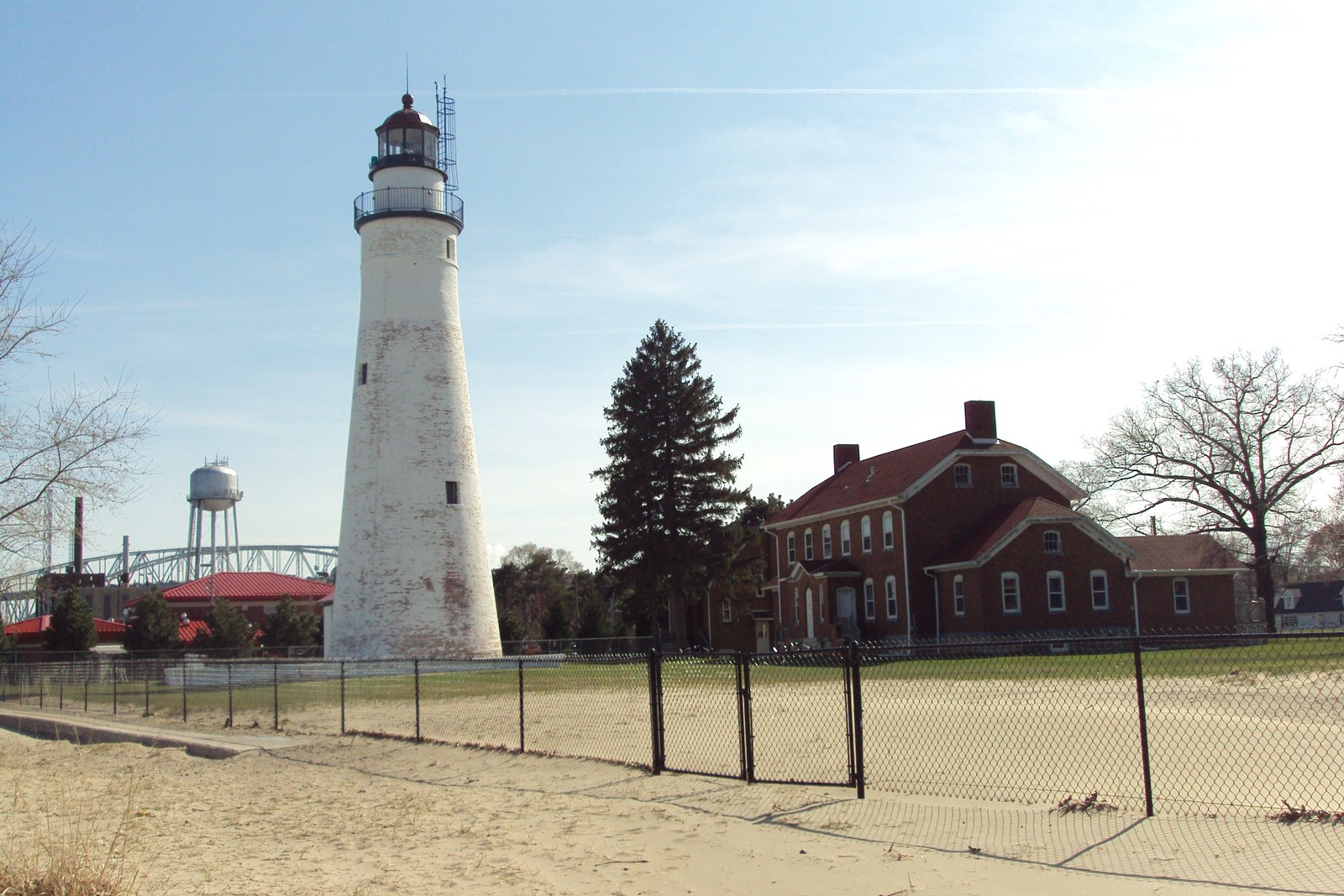
Luxury listings live and die by their photography in a way mid-market rentals don't, because the entire premise of a luxury booking is that the guest is paying a premium for something visually and experientially elevated, sight unseen, based almost entirely on images. That makes the photo shoot itself higher-stakes than it is for a modest listing — more direction, more styling, more deliberate composition — and it also makes the gap between a great photo shoot and an accurate one more dangerous, because a guest paying a luxury nightly rate has both higher expectations and a lower tolerance for discovering the gap in person.
This page is about directing luxury photography and film that actually holds up: styling choices that photograph beautifully and also survive daily use, framing decisions that flatter a space without guessing scale it doesn't have, and the specific temptations — borrowed staging, seasonal light that never repeats, spaces staged for the shoot but never maintained that way — that produce a stunning gallery and a disappointed arrival. Good luxury photography is not the same as maximalist photography; the goal is direction precise enough that the guest's actual first ten minutes in the house feels like a continuation of the photos, not a comedown from them. This is not legal advice.
Direction that photographs well and lives well
The instinct on a luxury shoot is to style every surface for the camera — fresh flowers in every room, throw blankets arranged just so, a set table with wine glasses that will never actually be used that way by a guest checking in at 4pm on a Tuesday. Some of this is legitimate and expected; a styled hero shot is part of how luxury listings communicate their tier. The risk is styling choices that can't be maintained between shoots and quietly become the gap a guest notices — fresh flowers that were only fresh for the photographer, a table setting that isn't actually part of what's provided.
A useful discipline during direction is separating 'styled for this shoot only' elements from 'maintained as part of the standard turnover' elements, and being honest with the photographer and with yourself about which is which before the shoot happens, not after. Elements that will be maintained — a well-chosen throw, a bowl of real fruit that gets restocked, art that's permanently on the wall — can be styled generously, because the guest will actually encounter them. Elements that were brought in for the day — a hired florist's arrangement, borrowed decor pieces, a caterer's table setting — should either become part of the standing turnover checklist going forward, or should be styled more modestly so the gap between shoot day and arrival day is smaller.
This distinction matters more for luxury listings than for any other tier, because a luxury guest is specifically paying to have their expectations, set by the photos, matched in person. A guest at a budget listing forgives a missing throw blanket. A guest paying a four-figure nightly rate for a photo-perfect estate does not forgive an empty vase where the hero shot showed peonies, because the entire value proposition of the booking was that level of consistent, curated experience.
Framing that flatters without guessing scale
Wide-angle lenses are standard tools in real estate and short-term rental photography, and used well, they help a room read spaciously without distorting its actual proportions. Used aggressively — an ultra-wide lens shot from a low corner that stretches a modest bedroom into something that looks twice its real size — the same tool crosses from flattering into misleading, and a luxury guest who has stayed in genuinely large properties before will clock the mismatch the moment they walk in.
A practical guideline for luxury shoots: use the same focal length range a guest's own eye would roughly perceive from a natural standing position in the room, adjusted modestly for flattery, not radically for scale. If a room needs an extreme wide-angle to look impressive, that's often a signal the room itself isn't the property's strongest selling point, and the direction should lean toward the spaces that genuinely are — a great outdoor living area, a dramatic great room, a pool with a real view — rather than forcing a mediocre bedroom to photograph like a mansion suite it isn't.
Film and video direction carries the same risk with an added dimension: a slow, sweeping drone shot or a smooth gimbal walkthrough can imply a scale and flow that a static photo can't fully fake, because motion reads as more objective to a viewer than a single still frame does. The same discipline applies — let the camera move the way a guest would actually walk through the space, at a pace and from angles a real person would use, rather than a cinematic path engineered purely to make square footage feel larger than it is.
Seasonal light and the problem of a shoot that never repeats
A luxury property shot during its single best week of the year — peak bloom in the garden, a rare cloudless golden hour, a pool at its most pristine right after a professional detail — produces a gallery that will never again be matched by the property in its normal operating condition. This isn't dishonest in the way a fabricated view or a borrowed room is; the shoot genuinely happened, on a real day, at that property. But if that exact combination of conditions recurs once a year and the listing books year-round, the gallery is quietly setting an expectation that eleven months out of twelve, arrival day cannot meet.
The fix isn't to shoot only on mediocre days — that would undersell a genuinely beautiful property. It's to build a photo set with range: the peak-condition hero shots alongside honest representations of how the space looks in more typical conditions, so a guest booking in a shoulder season isn't comparing their actual arrival only against the property's single best possible day. A caption or gallery note about seasonal variation — 'garden shown at spring peak bloom; blooms vary by season' — does real work here at almost no cost.
This matters even more for outdoor-heavy luxury properties — infinity pools, elaborate gardens, expansive decks — where weather and season are doing a large share of the visual work in the hero shots. A guest who books in November off a June photo set of a lush, blooming property is the textbook version of the ocean-view mismatch problem, just relocated from a coastal window to a backyard.
The line between staged and staged-forever
Every luxury shoot involves some staging — that's not a defect, it's craft. The distinction that determines whether the staging is honest or misleading is whether the staged elements are things a guest could reasonably expect to encounter, or things that existed for exactly the length of the shoot and never again. A beautifully made bed with high-thread-count linens the guest will actually sleep in is honest staging. A dining table set with rented china that isn't part of the property's actual listing stock is staging that will produce a confused guest looking for glassware that doesn't exist.
A simple test before finalizing a luxury gallery: for every styled element in frame, could a guest reasonably ask for it, use it, or expect it to be there on an average Tuesday arrival, and would the answer be yes? Anything that fails that test either needs to become a permanent part of the property's actual offering, or needs to come out of the hero shots and move to a clearly labeled 'photography by' credit that signals artistic styling rather than an listing stock promise.
The properties that handle this best tend to treat the photo shoot as a design brief for the actual property, not just a marketing event — using the shoot as motivation to actually buy the good linens, actually keep fresh flowers in stock, actually maintain the garden at a higher standard year-round. That approach costs more in ongoing upkeep, but it's the only version of luxury photography that never creates a gap between the gallery and the guest.
Working with a photographer or director on a luxury brief
A strong creative brief for a luxury shoot should name, explicitly, which elements are permanent and maintained versus one-time staging, so the photographer isn't guessing at what deserves the most careful, repeatable framing. It should also name the property's genuine hero features — the ones that will still be there and still look impressive in six months — so the shoot's best images are anchored to things the guest will actually experience at their best, rather than to whatever looked most dramatic on shoot day regardless of durability.
It's worth asking any photographer or videographer working on a luxury listing directly about their approach to lens choice and compositing, since the industry has a wide range of practice on both. Some real estate and hospitality photographers default to aggressive wide-angle and multi-exposure blending as standard technique; a luxury host who wants photography that holds up to an in-person comparison needs to have that conversation up front, not discover the house 'photographs bigger than it lives' after the gallery is already published and driving bookings.
Finally, plan for a re-shoot cadence tied to genuine change, not an arbitrary calendar. A property that's been renovated, restyled, or seasonally refreshed deserves new photography reflecting the current reality; a property that hasn't changed doesn't need a refresh just because a year has passed. The goal across the life of the listing is the same as it is on shoot day one: the gallery should always be a close, honest preview of what a guest is about to walk into.
Video and film direction beyond the walkthrough clip
Short-form video has become a real driver of luxury bookings independent of the platform's own listing photos, particularly when a property gets featured on social media or in a host's own marketing. Film direction for that kind of content carries its own version of the honesty problem: a fast-cut, heavily scored reel can imply energy, scale, and amenity density that a slower, in-person walkthrough won't match, simply because editing rhythm itself creates a feeling the property alone doesn't generate.
The safest approach is to treat short-form video as an invitation, not a specification — a piece that generates interest and curiosity rather than one that attempts to fully document every room and amenity with promise-level precision. Save the exhaustive, accurate detail for the listing photos and description, where a guest is actually making a booking decision, and let video do what it's genuinely good at: mood, first impression, and a reason to click through to the real listing.
Voiceover and on-screen text in luxury video content deserve the same fact-discipline as written listing copy. A claim like 'the best sunset view in the county' spoken over a beautiful clip is still a claim, and if it's not defensible, it belongs out of the script regardless of how well it plays against the footage. Music and pacing can carry the emotional weight of luxury content; the actual factual claims still need to hold up to a guest standing in the driveway.
Budgeting a luxury shoot without over- or under-investing
Luxury photography deserves a real budget, but the common mistake isn't spending too little — it's spending the entire budget on the shoot itself and none on the ongoing maintenance needed to keep the property matching it. A host who spends heavily on a single stunning shoot day and then lets the garden, the linens, or the furniture drift from that standard over the following year has effectively spent the photography budget on a gallery the property will spend the rest of the year failing to live up to.
A more durable allocation splits the budget: enough for a genuinely skilled photographer or videographer who understands the honesty considerations above, and a standing reserve for the recurring costs — fresh flowers, linen replacement, landscaping upkeep — that keep the property's actual daily condition close to what the camera captured. The second half of that budget rarely gets planned for in advance, and it's the half that actually protects the investment made in the first half.
For hosts working with a limited budget, it's better to shoot a smaller number of rooms and features exceptionally well and honestly than to shoot the entire property at a rushed, lower standard across the board. A luxury gallery with eight extraordinary, accurate photos outperforms one with thirty mediocre or exaggerated ones, both for booking conversion and for the accuracy that protects the listing's reviews afterward.
Related Reading
More independent-host reading on honest listing copy, distribution, and when hiring help is worth it.
Frequently Asked Questions
Is styling a luxury shoot with rented decor ever acceptable?
It can be, as long as the gallery or captions make clear which elements are part of the actual property and which were brought in for the shoot. The problem isn't rented staging itself — it's a guest arriving and looking for a table setting or decor piece that was never actually part of what they booked.
How wide is too wide for a lens on a luxury listing shoot?
There's no fixed number, but a useful check is whether the resulting image would still look proportionally accurate to a guest standing in the actual room. If a bedroom photographs dramatically larger than it feels in person, the lens choice has crossed from flattering into misleading, and it will show up as a mismatch on arrival.
Should a luxury listing reshoot every season to keep photos current?
Only when the property's actual condition changes meaningfully — a renovation, a garden that looks genuinely different, new furnishings. Reshooting purely on a calendar, with no real change to reflect, isn't necessary; what matters more is ensuring the existing gallery includes honest representation of how the property looks outside its single best week of the year.
What's the difference between good staging and staging that misleads guests?
Good staging uses real, maintained elements — a well-made bed, fresh flowers that get restocked, furniture that's actually there — styled generously for the camera. Misleading staging uses one-time elements, like a caterer's table setting or a florist's arrangement that never repeats, without disclosing that it was shoot-specific rather than part of the standing property.
Does drone or video footage need the same honesty standard as photos?
Yes, and arguably a stricter one, since motion reads as more objective to viewers than a still image does. A slow gimbal walkthrough should move at a pace and from angles a real guest would actually experience, not an engineered path designed purely to make the space feel larger or grander than it is.
How should a host brief a photographer on a luxury shoot?
Name explicitly which elements are permanent and maintained versus one-time staging, and identify the property's genuine, durable hero features up front so the best shots get anchored to things a guest will actually experience well. A vague brief tends to produce a gallery built around whatever looked most dramatic on shoot day, not what holds up over time.
What should a luxury host do if the property genuinely looks its best only during one season?
Shoot that peak season honestly, but pair the hero shots with a caption noting seasonal variation, and include at least some photos from a more typical time of year. A guest booking outside the peak season should be able to form accurate expectations from the gallery, not just see the property's single best possible day.
Is it worth investing in permanent upgrades — linens, landscaping — just to match a photo shoot?
Often yes, for luxury listings specifically, because the entire premise of a luxury booking is a guest paying for a consistently elevated experience. Properties that treat the shoot as a design brief and actually upgrade to match tend to close the gap between gallery and arrival far more durably than properties that just style around a lower daily standard.
How does a host know if their current luxury photography oversells the property?
Reread recent reviews for language that praises the house but notes a gap from the photos — phrases like 'still beautiful, just smaller than it looked online' are the tell. That specific phrasing shows up more often with aggressive wide-angle or heavily staged luxury shoots than with any other listing tier.
Work with Crest & Cove Creative
A luxury booking is sold almost entirely on the photo gallery before a guest ever sees the house in person. When the arrival doesn't match the shoot, the disappointment scales with the nightly rate the guest just paid.
We help independent hosts direct luxury photography that flatters honestly, with styling that lasts and framing that respects real scale. A gallery-to-arrival gap is worth closing before your next booking cycle. Send the live listing draft and the facts you can actually cite.
Reach out at crestcove.co or (256) 998-7502.


Comments