
Rural and Low-Density STR Marketing: Name Drive Times and Tradeoffs

Updated: Aug 27
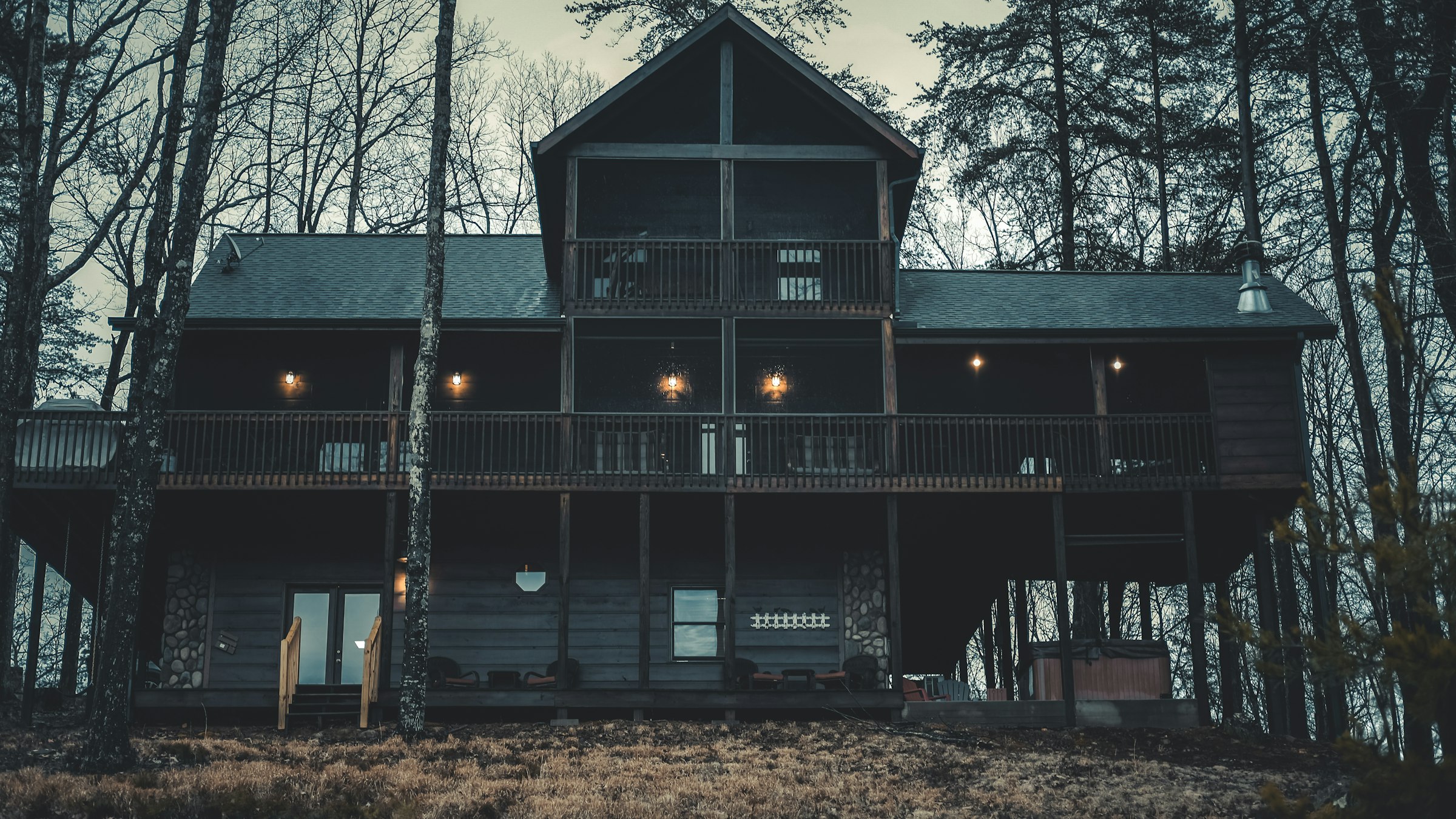
A rural host does not lose bookings because the listing undersells the view. Most lose a Saturday because the listing oversells the drive. A city guest who has never driven a gravel road at night reads "peaceful and secluded" as a mood, not a set of directions, and shows up forty minutes late with a sedan that will not clear the last quarter mile after rain.
Marketing a stay in a low-density market is still listing work, not costume language. The job is to name the drive time from the nearest airport or interstate exit, the distance to groceries and fuel, whether the driveway needs anything more than a regular car, and what happens to that driveway after a storm. None of that requires a slogan. It requires a host who has actually driven the route at the hour a guest is likely to arrive.
This is not a post about demand lifts for rural listing stock or a case for buying land two hours from anywhere because remote work makes distance irrelevant. There is no published occupancy or ADR figure behind either claim, so neither appears here. What follows is the marketing discipline that keeps a genuinely quiet, genuinely remote stay from generating the review that says the listing lied. This is not legal advice.
Write the Drive, Not the Mood
"Secluded" and "peaceful" describe how a stay feels once someone has arrived and settled in. They say nothing about how someone gets there, and that gap is where rural listings lose trust. A guest comparing a cabin outside a small town to a suburban Airbnb twenty minutes from the highway is not weighing two versions of the same trip , they are weighing two different amounts of margin for error, and only one listing tells them that up front.
The fix is boring on purpose: state the drive time from the nearest interstate exit or regional airport, not the nearest big city. "Forty minutes from the Route 9 exit, the last eight of them on gravel" tells a guest more than any paragraph about tranquility. If the last stretch is unpaved, seasonal, or closes after heavy snow, say that in the same sentence as the mileage, not three paragraphs later in house rules where a browsing guest will not read it before booking.
Hosts who have tested the route in daylight and after dark know where the phone signal drops and where the turn is easy to miss. That knowledge is marketing material. A listing that says "market service is spotty for the last two miles , download the map before you leave town" reads as competence, not as a warning that scares bookings away.
Distances That Determine Whether a Trip Works
Rural guests plan differently than guests fifteen minutes from a grocery store, and the listing should plan with them. Naming the distance to the nearest grocery store, gas station, and urgent care is not an admission that the location is inconvenient , it is the information a family with young kids or a guest managing a medical condition needs before they commit a weekend to the trip.
The same logic applies to takeout and dining. A stay that is genuinely forty-five minutes from the nearest restaurant should say so, because a guest who assumed delivery apps work everywhere will resent the surprise more than they would have minded planning ahead. Naming the gap lets a prepared guest stock a cooler on the way in; hiding it produces a one-star review about a five-star house.
None of this requires precision to the tenth of a mile. It requires the host's own tested number, stated plainly, updated if a road closes or a store changes hours. A stale distance is almost as bad as no distance at all, because a guest who trusted the listing once and got burned reads every future claim with more suspicion.
Parking, Long Driveways, and Storm Access
Long driveways are common in low-density markets and almost never described honestly. "Private drive" can mean a smooth quarter mile or a rutted half mile that a compact rental car should not attempt after rain. Guests renting the kind of car most rental counters hand out by default have no way to know which one they are getting unless the host tells them.
Gate codes deserve the same treatment. If a gate exists, name it in the house rules a guest reads before arrival, not in a text sent the day of check-in when the guest is already en route with no signal to receive it. A host who is candid about needing a code, a specific vehicle type, or daylight to navigate a driveway safely is protecting the stay, not advertising a flaw.
Storm and seasonal access is the honesty test that separates a genuinely rural listing from one dressing up a normal suburban lot as wilderness. If four-wheel drive or a higher-clearance vehicle actually helps after rain, ice, or snow, say so , and say what a guest without one should do instead, whether that is parking at the road and walking in or simply rebooking for drier weather. A listing that is silent on this until a guest is stuck in a ditch has failed at the one job marketing exists to do: set an expectation the stay can meet.
When Dark-Sky Quiet Is a Real Feature
Dark skies and genuine quiet are legitimate selling points, and rural hosts should not undersell them out of caution. The failure is not claiming quiet , it is claiming quiet while hiding the tradeoffs that produced it. A stay is quiet because it is far from services, thin on market coverage, and reliant on a generator during outages. Those are the same facts that make the stargazing real. Naming both sides in the same breath is what makes the claim credible instead of decorative.
A guest who wants dark skies for an anniversary trip needs different honesty than a guest bringing three kids for a week. The first cares whether the nearest town has a restaurant open past nine. The second cares whether wifi is strong enough for a laptop during a rained-out afternoon. Write the tradeoff for the guest the stay actually fits, not for an imagined universal traveler who wants everything at once.
Wifi truth belongs in this section, not buried in an amenities checklist. If the listing implies remote work is possible, test it at the hour work actually happens and state the honest speed or the honest gap. A single sentence , "wifi handles video calls; it will not stream 4K reliably" , prevents the review that says the internet was unusable for a workday that was never going to happen there.
Who a Rural Stay Actually Fits
Beach-week lifestyle language does not translate to a rural driveway, and reusing it produces wrong bookings more reliably than any pricing mistake. A family looking for a lakefront week wants different assurances than a hunter booking a cabin for opening weekend or a remote worker stringing together a month away from an office. Writing fit in plain language, after the host actually knows the beds, the access, and the wifi reality, does more to reduce mismatched bookings than any amount of scenic photography.
This is where the drive-time and distance facts from earlier sections earn their keep. A guest who reads "forty minutes to groceries, gate code required, generator backup during outages" self-selects out if that is not the trip they wanted, and self-selects in with real expectations if it is. Both outcomes are better than a booking that only happens because the listing sounded like anywhere else.
Fit language costs nothing to write and prevents the support burden that follows a mismatched guest. A single paragraph naming who the stay works for , and, just as usefully, who it does not , is cheaper than fielding three days of clarifying messages from someone who booked based on a mood board.
What to Finish Before Buying Reach
Before spending on ads or outreach, a rural listing needs its tested drive time, its honest parking and gate information, its storm-access note, and its wifi truth already live on the public page. Paid reach amplifies whatever the listing already says. Sending strangers to a page that still hides the driveway just produces more guests who arrive unprepared, faster.
Once those facts are in place, the right next step is watching inquiries, not buying visibility. If guests keep asking the same access question after the listing already answers it, the answer is in the wrong place , buried in house rules instead of the first photo caption or the about section where a browsing guest will actually see it.
Stop adding sections once the listing already matches what a guest experiences on arrival. A rural stay does not need a content calendar; it needs a page that tells the truth once and stays current when a road, a gate, or a generator changes.
Related Reading
More independent-host reading on honest access copy, farmstay limits, live island reports, and listing basics that still match arrival.
Frequently Asked Questions
What should a rural listing name first?
The tested drive time from the nearest interstate exit or regional airport, stated with the specific minutes and road conditions a guest will actually encounter — including any unpaved or seasonal stretch. That single sentence prevents more arrival friction than any amenity photo. Update it if a road closes or reroutes; a stale drive time misleads as surely as no drive time at all.
When are dark skies and quiet a genuine selling point?
When the same listing names the tradeoffs that produce them — distance from services, thin cell coverage, generator backup during outages. Claiming quiet without those tradeoffs reads as scenery marketing once a guest arrives and discovers what "remote" actually costs. Pair the feature with its cause every time it appears.
How specific does a driveway description need to be?
Specific enough that a guest driving a standard rental sedan knows whether the last stretch is passable. "Private drive" alone tells a guest nothing; "quarter-mile gravel drive, fine in dry weather, request a higher-clearance vehicle after rain" tells them everything they need before they book a car.
Should gate codes appear in house rules or in a day-of text?
House rules, read before arrival, not a text sent while the guest is already driving with no signal to receive it. A gate code delivered too late turns a minor logistics detail into a stranded guest calling the host from a gravel pull-off.
Why does who-the-stay-fits matter more here than in a city listing?
Because the cost of a wrong assumption is higher when the nearest backup option is forty-five minutes away. A family expecting delivery apps, a hunter expecting cell service, or a remote worker expecting fast wifi will each discover the gap differently, and only a listing that names fit up front avoids all three surprises at once.
What should hosts finish before spending on ads?
Tested drive time, honest parking and gate details, a storm-access note, and an honest wifi line — all live on the public listing before a dollar goes toward paid reach. Ads only multiply traffic to whatever the listing currently says; fix the page first.
Is four-wheel drive actually necessary, or is that oversold?
It depends entirely on the specific road after specific weather, which is exactly why a blanket claim helps no one. State plainly whether clearance or traction matters after rain, ice, or snow, and what a guest without the right vehicle should do instead — park at the road, arrange a shuttle, or reschedule.
How should distances to groceries and fuel be written?
As a tested number in plain language — "eighteen minutes to the nearest gas station and grocery store" — placed where a browsing guest reads it before booking, not buried in a post-booking welcome guide. Guests who know the gap in advance plan around it instead of resenting it.
What happens if a rural listing keeps the mood-board language and skips the logistics?
Guests arrive expecting a postcard and encounter a real driveway, real distances, and real weather dependence they were never told about. The review that follows blames the host for something the listing chose not to mention, even though the house itself did nothing wrong.
Does naming these tradeoffs scare away bookings?
It filters out the bookings that were never going to work and keeps the ones that will. A guest who reads the honest version and books anyway arrives ready for the actual trip, which is the booking worth having.
Work with Crest & Cove Creative
Rural listings do not lose Saturdays because the view was oversold , they lose them because the driveway and the drive time were undersold. Name both before the guest finds out the hard way.
We help independent hosts turn tested drive times, honest access notes, and real wifi speeds into listing copy that survives an actual arrival. Bring us the live listing and the routes you have driven yourself , we will help you decide what stays, what needs a plainer sentence, and what to cut before you spend on reach.
Reach out at crestcove.co or (256) 998-7502.


Comments