
Write the Real Drive Time, Not a Worth-the-Trip Slogan

Updated: Aug 27
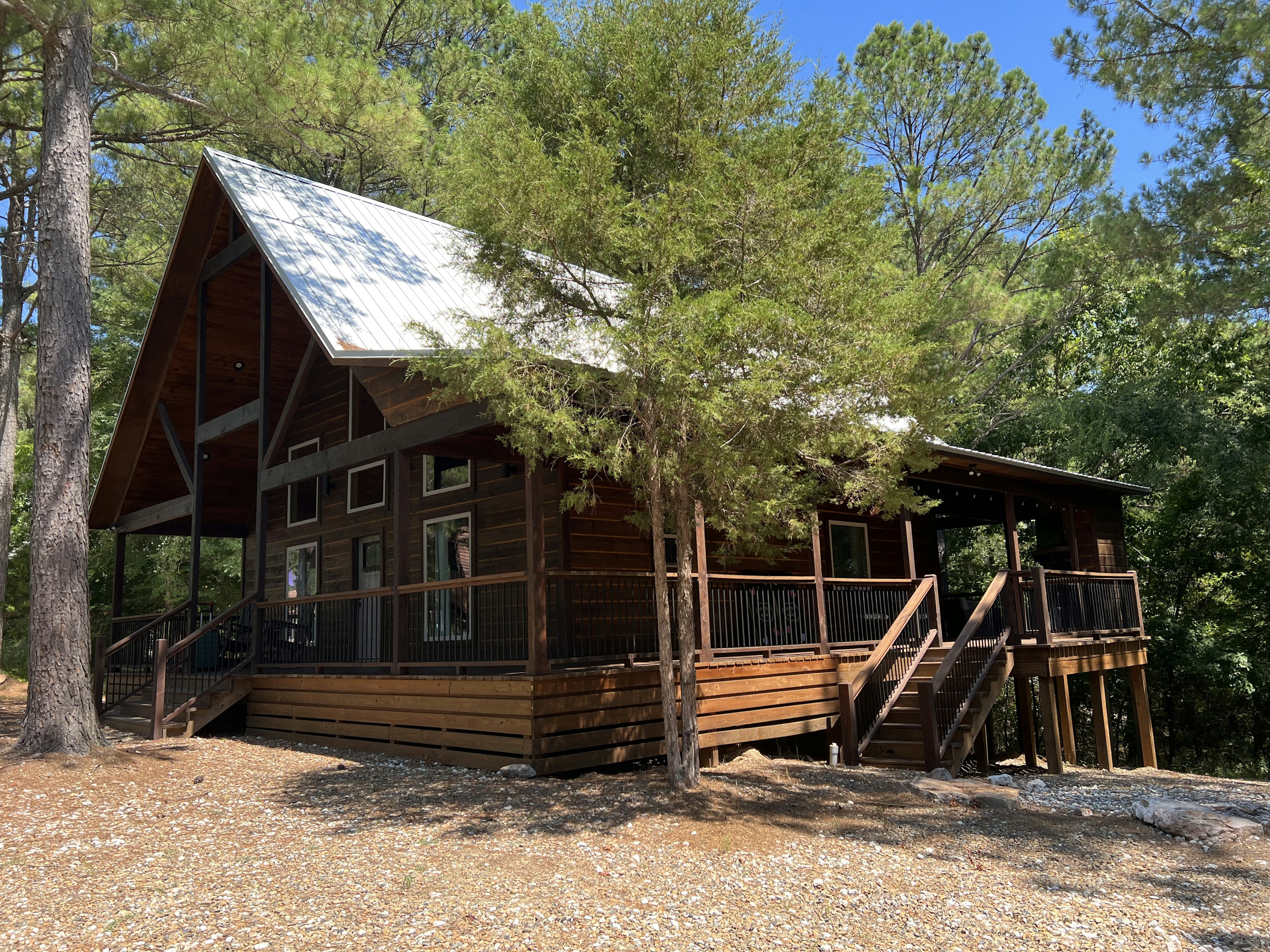
Distance and drive time are two of the most common reasons a booking stalls right before checkout, and the most common fix hosts reach for is exactly the wrong one: a soft slogan promising the trip is worth it, instead of the actual minutes and miles a guest will spend getting there. Worth the trip is not information. It is a claim a skeptical guest has no way to verify before they have already committed a panel number to the platform.
This page stays narrow on purpose. It will not guess at revenue lifts, ADR moves, or ranking weights that come from fixing distance messaging, because no general guide has the tracked, property-specific data to make that claim honestly. What it covers instead is how to write drive-time and distance copy a guest can actually check against a map before they book, and where that discipline overlaps with the rest of the listing's honesty.
The failure mode this page is built to prevent is specific: a listing that leans on evocative language about the journey while leaving the actual number of minutes from the interstate, or the actual distance to the nearest grocery store, undefined. A guest who discovers the real drive only after arrival does not blame the map. They blame the listing that dressed the number up instead of stating it. This is not legal advice.
State the Actual Number Before the Adjective
The single highest-leverage fix on this topic is also the simplest: put the real drive time in minutes, and the real distance in miles, into the listing copy itself, sourced from an actual mapping tool rather than a guess or a rounded-down memory of how the trip usually feels. A guest deciding between two comparable stays will pick the one that tells them exactly what to expect over the one that promises a vague reward at the end of an undefined drive.
This is not about hiding a long drive. It is about naming it plainly enough that the guest who books anyway is booking with accurate information, which is exactly the guest who arrives satisfied instead of surprised. A property forty minutes from the interstate is not a worse listing than one five minutes away — it is a different listing, and the copy should let the right guest self-select into it rather than discovering the distance after the fact.
Photos and the first line of the about section carry more weight here than a paragraph buried below the fold. If the drive is a genuine selling point — a scenic route, a quiet approach, a specific landmark along the way — name that landmark specifically rather than describing the drive in general terms that could apply to any rural approach anywhere in the country.
Where Worth-the-Trip Language Actually Backfires
A soft slogan does real damage in a specific, repeatable way: it sets an expectation of reward without defining the cost, so a guest imagines the best-case version of the drive and is disappointed by anything less. That disappointment shows up in the review, in the message thread asking why the confirmation email did not mention how far the last stretch of gravel road actually was, and eventually in the booking rate itself as accuracy complaints accumulate.
This pattern shows up most often when a host is proud of the destination and reluctant to lead with anything that might read as a downside. But a guest who books with the real number already knows the trade-off and has decided it is worth it on their own terms, which is a far more durable kind of commitment than one built on an unstated assumption the listing never corrected.
The fix costs nothing beyond the discipline of checking a map and writing down what it says. A listing that states the real drive time from the nearest airport, the nearest interstate exit, and the nearest town with groceries is doing more real marketing work than a paragraph of atmospheric language about the journey ever will, because it is answering the actual question a guest is trying to resolve before they book.
Keep Neighbor-Town Comparisons on Their Own Labeled Line
It is tempting to borrow a nearby town's drive-time reputation when a property's own numbers are less flattering — implying proximity to a well-known destination without stating the actual distance to it. That borrowing does not survive contact with a guest who opens a map, and it teaches the guest to distrust the next claim on the listing too.
If a nearby town or landmark genuinely matters to the pitch, name it with its own real distance on its own line: this many miles to the state park, this many minutes to the town center, sourced independently from the property's own drive-time figures rather than blended into one soft claim about the region generally. A guest comparing two markets deserves the same clarity a host would want from a listing they were booking themselves.
This discipline matters most in shared regional clusters, where several listings sit in the same rough area but are not actually equidistant from the things guests care about. Treating every property in a cluster as interchangeably close to the same attractions is the fastest way to generate a wave of nearly-identical, nearly-true captions that a careful guest can spot from the first search result.
Five Patterns That Undermine Distance Messaging
The first is chasing a vanity claim without a source — writing minutes to nowhere in particular because it sounds better than a specific, verifiable number. The second is freezing the listing to build a bigger marketing plan while the actual distance line sits unwritten for weeks. Neither serves the guest trying to decide right now.
The third is ignoring guest complaints about the real distance once they start arriving, treating each one as an isolated grumble rather than a pattern worth fixing at the source. The fourth is measuring success only by how polished the copy reads rather than by whether the questions guests ask actually changed after a rewrite. The fifth is treating a rising booking chart as proof the messaging is honest, when the chart cannot tell a host whether accuracy complaints are quietly rising in parallel.
Any one of these five is fixable without a wider rebuild of the listing. The mistake is letting all five compound at once, which usually happens when a host treats distance messaging as a one-time writing exercise instead of something to revisit every time the actual guest experience of the drive changes — a new road closure, a rerouted GPS suggestion, a newly opened shortcut.
What Good Distance Copy Actually Looks Like
Good distance copy reads like a set of facts a guest could verify in under a minute: this property sits roughly forty-five minutes from the interstate exit, fifteen minutes from the nearest grocery store, and five minutes from the trailhead that is the actual reason most guests book. Each of those numbers is checkable, and checkable numbers build more trust than any amount of atmospheric writing about the beauty of the drive.
The best version of this copy also tells a guest what the drive itself is like in concrete terms — paved the whole way, the last two miles on gravel, market service drops for the final stretch — because those details change how a guest packs and plans, not just whether they book. A guest who knows market service drops near the end is not surprised by it; a guest who was never told treats it as a hidden flaw the listing withheld.
None of this requires a professional writer. It requires opening a map, driving the route once if possible, and writing down what is actually true. The listing that does this consistently across every claim, not just distance, is the listing that survives a skeptical guest's second look.
Reviewing Distance Copy on a Schedule
At the thirty-day mark, reread the distance and drive-time claims against the guest questions that actually arrived in that window. If more than one guest asked how far the property really is from a specific landmark, the listing's own copy did not answer that question clearly enough the first time, and the fix is a specific line, not a general tone adjustment.
At ninety days, drop any phrase that is still generating the same clarifying question no matter how many times it has been rewritten — that is a sign the underlying claim, not the wording, is the problem. Occupancy holding steady across that window does not prove the messaging is working if accuracy complaints about the drive are rising in parallel; a host should weigh both signals together rather than leaning on the friendlier one.
Roads change. A new exit opens, a bridge closes for repair, a GPS app reroutes traffic through a different corridor than it used to. Treat a changed local road condition as a trigger to reread the distance copy the same way a renovation would trigger a design-copy review — the fact that the copy was accurate a year ago does not mean it still is.
Related Reading
More independent-host reading on honest listing copy, distribution, and when hiring help is worth it.
Frequently Asked Questions
What is the core rule for writing distance and drive-time messaging?
Write the actual drive time and distance guests will experience into the listing instead of a vague worth-the-trip slogan. Soft distance language that never states real minutes from the interstate or nearest town leaves guests to discover the real drive after they have already booked, which is the exact failure mode this kind of copy needs to avoid.
Should hosts guess travel-time savings or booking-lift numbers to sell a drive?
No. This approach stays on host-useful clarity and will not guess at revenue lifts, ADR moves, or ranking weights that are not documented. Distance and drive-time claims should come from a source the host can verify, like a mapping tool driven once in person, not an estimate rounded in the listing's favor.
How should hosts handle drive-time comparisons to a neighboring town?
Keep neighbor-town drive times and distances on their own labeled line rather than blending them into the current listing's claim. If guests ask how the property compares to a nearby destination, answer with the listing's own verified minutes and miles first, rather than letting an unlabeled comparison imply proximity that is not accurate.
What are common mistakes hosts make with worth-the-trip messaging?
Five patterns show up repeatedly: chasing a vanity claim without a source, freezing the listing while a bigger marketing plan gets built, ignoring guest complaints about the real distance, measuring success only by polish, and treating a rising booking chart as proof the copy is honest. Any one is fixable without a wider rebuild.
What should a host fix first when the distance message is not landing?
Rewrite the specific line that oversells the drive, then check that it matches what guests actually experience getting there. Answering open guest questions about the trip should come before deciding whether the broader project still needs more attention.
How does a host know if their distance and drive-time copy is already good enough?
If inquiries reference accurate distance information and repeat guests return without needing a discount to justify the trip, heavier rewriting can wait. Add more copy only for a specific, named gap, and stop once nothing on the listing overstates or understates the real drive.
How should a host review distance messaging over time?
At the thirty-day mark, confirm each change maps to a specific guest question that actually arrived. At ninety days, drop anything still generating the same clarifying question. Occupancy numbers alone do not prove the messaging works if accuracy complaints about the drive are still rising.
What should distance copy say beyond just the number of miles?
Concrete texture matters as much as the number: whether the route is paved the whole way, where market service drops, and which landmark actually marks the final turn. A guest who knows what to expect on the drive itself packs and plans differently than one who only sees a mileage figure.
Does refining distance copy mean guest replies can slow down?
No. Guest threads should keep running at the normal pace while distance and drive-time copy is being rewritten. An unanswered question about the route sitting next to newly polished distance language is a worse trade than the copy improvement is worth.
When should distance copy be rewritten outside of a scheduled review?
Any time a local road condition changes — a new exit, a closed bridge, a rerouted GPS suggestion — treat that as a trigger to reread the copy immediately rather than waiting for the next thirty or ninety day check. Accurate copy from a year ago is not guaranteed to still be accurate today.
Who should hosts turn to for help with distance and drive-time messaging?
A partner who works from the property's own verified drive-time facts rather than adding marketing theater on top of an unverified claim. The starting point is always deciding what a host can confirm and rewrite themselves this week before bringing in outside help for what is left.
Work with Crest & Cove Creative
A worth-the-trip slogan tells a guest nothing they can check before they book. Naming the real minutes from the interstate is what actually earns the reservation.
We rebuild distance and drive-time copy from the real route, not a rounded-down guess, matched to the photos guests see first. Start the rewrite at crestcove.co or call (256) 998-7502. Send the live listing draft and the facts you can actually cite.
Reach out at crestcove.co or (256) 998-7502.


Comments