
Naming, Visual Identity, and Voice for a Single-Property Host Brand

Updated: Aug 27
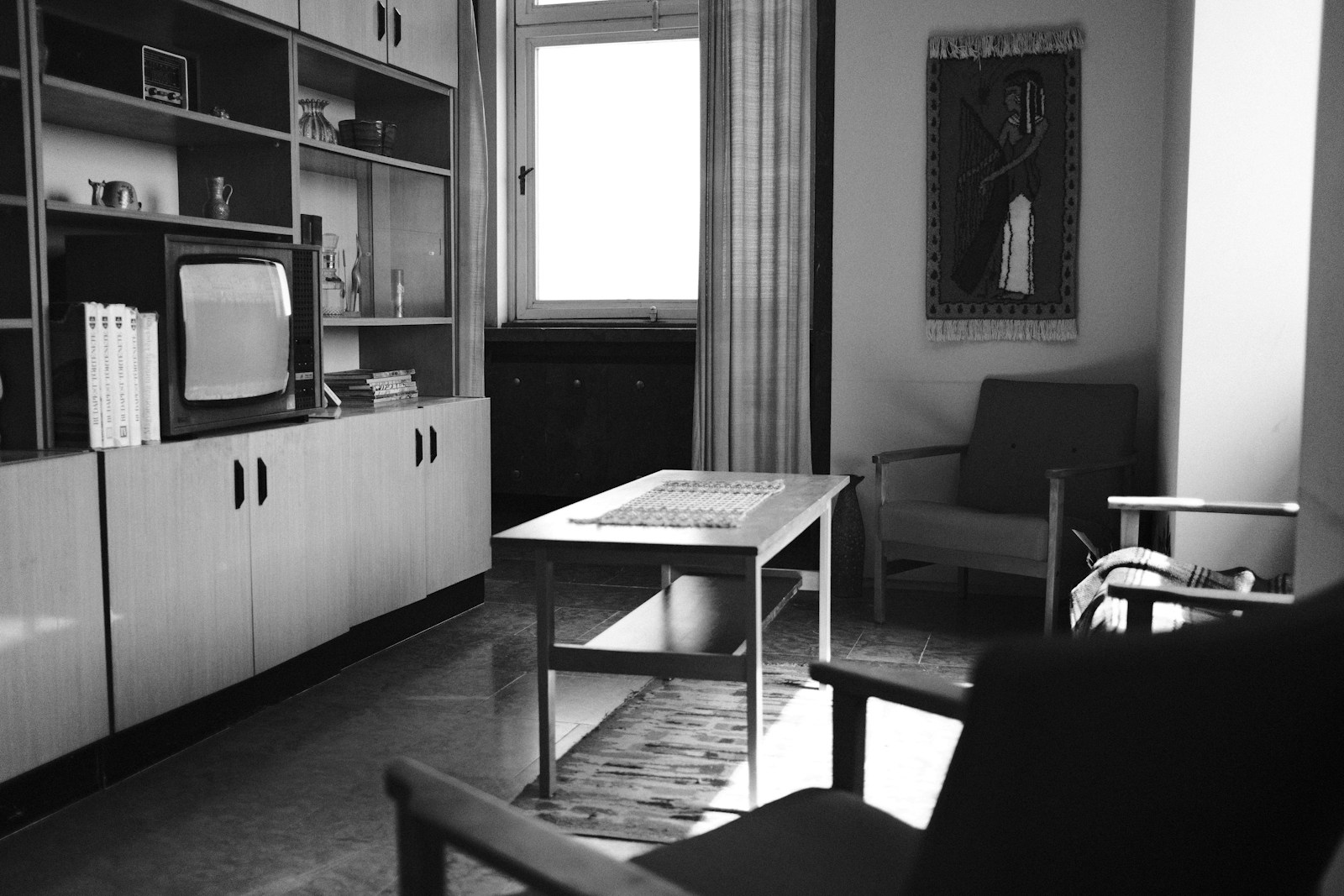
Independent hosts who own a single short-term rental sometimes reach for hotel-style branding, a collection name, a crest or logo, formal boutique language, thinking it will make the listing feel more established or professional. In practice, this kind of branding usually creates more work than it solves, because guests interacting with the actual listing, the messaging thread, and the property itself quickly notice when the polished name doesn't match the lived reality of a single three-bedroom house.
This is a guide to building a name, a voice, and a visual identity specifically for a single-property host, one where the goal is consistency between what the listing says and what the guest actually experiences, rather than borrowing hospitality-industry language that a one-house operation can't actually deliver on.
This guide is specifically for hosts managing one property. If you're managing multiple properties and need a broader brand architecture across several listings, that's a different, larger project than what's covered here. This is not legal advice.
A Name You'd Actually Say Out Loud
The simplest test for a listing name is whether you'd say it to a friend who's driving there after dark: "the lake house," "the cedar place," "the three-bedroom on the north shore." These are names a guest can remember and repeat naturally. A formal collection-style name on a single house, something like "The Northshore Residences Collection," is a name you'll end up having to explain and walk back in guest messages.
Whatever name you choose needs to hold up consistently across every place a guest actually encounters it: the listing title, the about section, your host profile if it's tied to the property, and any messaging you send. If the name only appears in one place and gets abandoned or contradicted elsewhere, it's not functioning as an actual identity.
A hotel-style name on a single property specifically creates extra friction because it invites questions the property can't answer: which specific property did I book, is there a front desk, what's included with a "collection" stay. Each of those questions is a message you'll have to personally answer and often has to gently correct the expectation the name itself created.
Voice: How You Actually Respond to Guests
Voice, in a practical sense, is how you respond when something goes wrong, not marketing copy in an about section. How you greet a new inquiry, how you explain a house rule, how you say no to a request the property genuinely can't accommodate, that's your actual voice, and it should be consistent with how the listing itself is written.
It's worth checking that your voice matches across every surface a guest might see before booking: the platform's about section, any confirmation emails, a personal website if you have one, and your actual messaging replies. If the listing description reads formally, like a hotel's marketing copy, but your actual messages are warm and casual, that inconsistency is itself confusing to guests trying to understand what kind of stay they're booking.
A voice that's genuinely useful to write down is simple and specific: something like, "We own this house and personally answer messages. Quiet hours are listed in the house rules. If the lock has an issue, here's the backup entry method." That's a voice built around what's actually true and actionable, rather than aspirational hospitality language that doesn't reflect how a single-property host actually operates.
Visuals: Only What Guests Can Actually Photograph
A useful way to think about visual identity for a single property is to ask what a guest could photograph themselves without needing to message you: the actual porch, the actual rooms, a physical sign on the door if one exists. A logo file that only lives in a digital folder and never appears anywhere a guest can see it isn't functioning as a visual identity, no matter how polished it looks in isolation.
The photo guests see first, typically the primary search thumbnail, matters most here. If that first image is a stylized logo or crest rather than an actual photo of the property, and the rest of the gallery shows a straightforward three-bedroom house, there's a mismatch between the visual promise and the actual product that a guest will notice quickly.
The practical rule: only use visual elements that genuinely exist and that a guest could confirm on arrival. A cedar porch, if the porch is actually cedar. A view of the lake, if the property actually has that view. A hand-painted sign, if a guest could physically stand next to it. Don't guess a crest or formal branding mark just to make a listing feel more finished; it creates a visual promise the property itself doesn't keep.
Common Mistakes in Single-Property Branding
The most common mistake is adopting hotel-chain-style language, "residences," "collection," "boutique", for a single house that a friend would describe much more simply. This creates a mismatch between the formal name and the actual, first-name, single-owner operation that a guest quickly discovers once they start messaging.
A second common mistake is creating a logo or brand mark that never actually appears anywhere in the guest-facing experience, on the listing, in messaging signatures, on the property itself, functioning as a private design exercise rather than an actual visual identity guests interact with.
A third mistake is having an about section that reads like professional hospitality marketing copy while your actual messaging responses sound like a completely different, more casual voice. This inconsistency signals to guests that the listing's polished language doesn't reflect how the property is actually run.
A fourth mistake is assuming that a more elaborate name or logo will improve search visibility or ranking. There's no evidence that platform search algorithms reward more formal-sounding names or branded visual marks over straightforward, accurate ones; a well-reviewed, accurately described listing performs on its merits, not its branding polish.
A Worked Example
Consider a three-bedroom lake house that sleeps six, with a first-name host profile, where the listing title was changed to "The Northshore Residences Collection" and the about section began promising a "boutique stay." The actual messaging thread still signs off with the host's first name, and a logo crest that was designed for the property has never actually appeared anywhere guests can see it, not on the listing, not on the door, not anywhere in the photo gallery.
A guest messages asking which specific property they booked and whether breakfast is included, questions that make sense given the "Collection" and "Residences" language, but that don't actually apply to a single, straightforward lake house. The host now has to walk back that framing in the messaging thread, explaining that it's just the one house, and there's no breakfast service.
The fix here is straightforward: rename the listing back to something like "the lake house" or a similarly plain, accurate description. Remove "Residences," "Collection," and "boutique" from the about section. Let the listing's written voice match the same first-name, casual tone the host already uses in actual guest messages. The lake house is a lake house; it doesn't need to sound like a hotel chain to be a good listing.
A 30- and 90-Day Check
At the thirty-day mark, review recent guest inquiry threads for questions that only exist because of a mismatch between the listing's branded language and the actual property, questions about which specific property was booked, whether there's a front desk, or what a crest or logo means. If those kinds of questions have declined since simplifying the name and voice, that's a good sign the identity is now consistent.
At ninety days, check whether the more formal branded language has crept back in, sometimes reintroduced because a co-host or family member felt the simpler name seemed underwhelming. Also check recent reviews for any mention of a mismatch, a "collection" that was actually one house, or a crest that never appeared anywhere guests could see it.
The actual measure of success isn't how polished or branded the listing feels; it's whether the name, voice, and visuals guests encounter before booking accurately predict what they'll actually experience when they arrive. A consistent, accurate identity, even a simple one, outperforms an aspirational one that requires constant correction in the messaging thread.
Related Reading
More independent-host brand and personal-brand reading already live on Crest & Cove.
Frequently Asked Questions
Should a short-term rental have a formal, hotel-sounding name?
Generally not, if it's a single property. A name a host would naturally say out loud to a friend, like 'the lake house' or 'the cedar place,' tends to work better than formal hotel-style language like 'Residences' or 'Collection,' which creates expectations a single property can't fulfill.
Does having a logo or brand mark help a listing perform better?
There's no evidence that a logo or branded visual mark improves search ranking or booking performance on its own. A logo that never actually appears anywhere guests can see it — on the listing, on the property, in messaging — isn't functioning as a real visual identity in the first place.
What does 'voice' actually mean for a single-property listing?
Voice is how a host actually responds to guests — in inquiries, in explaining house rules, in handling problems — not aspirational marketing copy in an about section. It should stay consistent between what the listing says and how the host actually communicates with guests.
Should an about section sound more polished or formal than a host's actual messages?
No. If the about section reads like polished hospitality marketing while actual guest messages sound casual and first-name, that inconsistency itself creates confusion about what kind of stay a guest is booking. Matching tone between the listing and real messages keeps expectations honest.
What visual elements belong in a single-property host's listing photos?
Only things that genuinely exist and that a guest could confirm on arrival — the actual porch, actual rooms, a physical sign if one exists. Leading with a stylized logo or crest that doesn't reflect the straightforward property a guest will actually see sets up a mismatch before the guest even arrives.
Is it okay to use words like 'boutique' or 'residences' for a single rental?
Be cautious with that language. Those words carry hospitality-industry connotations — professional staffing, multiple units, hotel-level amenities — that a single, owner-managed property usually can't deliver, and guests will notice the gap once they start messaging or arrive.
How does a host fix a listing that already has hotel-style branding that doesn't match the property?
Simplify the name back to something plain and accurate, remove language like 'Collection' or 'boutique' from the about section, and make sure the written voice matches the tone actually used in guest messages. This is a straightforward cleanup rather than a full rebrand.
Does this naming and voice guidance apply differently to a host managing multiple properties?
Yes. A broader brand architecture across several listings is a genuinely different, larger project than the single-property identity work this guidance covers. Hosts with multiple properties need a naming and voice system built for that scale, not the single-property approach described here.
How does a host know if their listing's branding is causing guest confusion?
Watch for inquiry questions that only make sense because of branded language — guests asking which specific property they booked, whether there's a front desk, or what a logo means. Those questions signal a mismatch between the marketed identity and the actual property.
What should a host check periodically to keep listing identity consistent?
Every few months, check whether more formal or branded language has crept back into the listing, and review recent guest feedback for any mention of a mismatch between what was promised and what was actually delivered. This periodic check catches drift before it compounds.
Work with Crest & Cove Creative
A hotel-chain name on a three-bedroom lake house doesn't make the listing feel more established, it just creates guest questions about a front desk and breakfast service that don't apply. A name should match what the property can actually deliver.
We help single-property hosts build a listing name, voice, and visual identity that guests can trust because it matches what they'll actually experience. Reach out at crestcove.co or (256) 998-7502. Send the live listing draft and the facts you can actually cite.
Reach out at crestcove.co or (256) 998-7502.


Comments