
Your Listing Photos Are a Promise: Keep the One You Can Afford

Updated: Aug 25
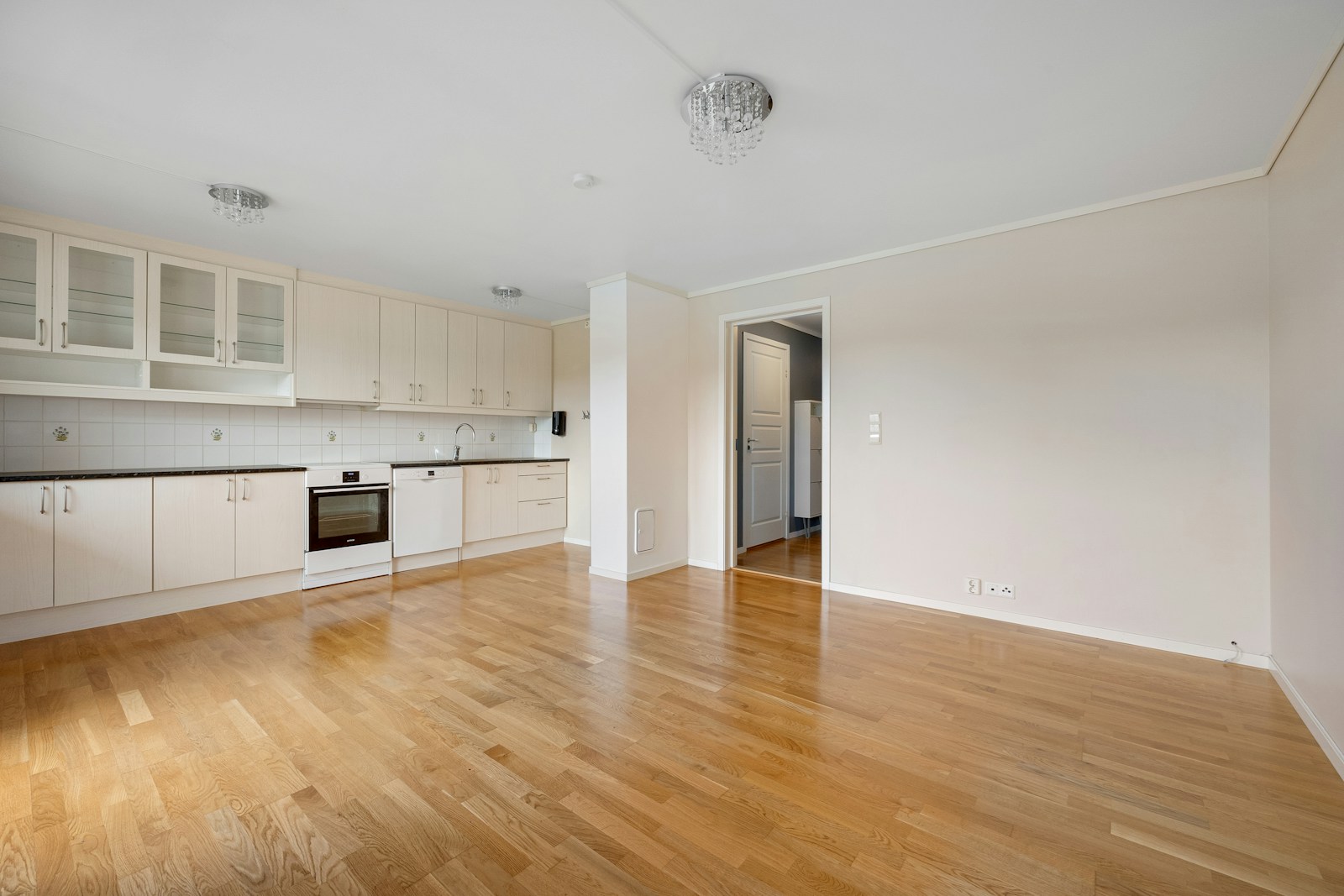
A host brand signature isn't a preset, a film grade, or a hotel-style crop. It's the simple fact that your first tile, your about section, and the actual rooms a guest walks into all describe the same house. The moment a photo starts describing a different property than the one you operate - a cabin graded until it reads like a boutique hotel lobby, a gravel driveway cropped out of every frame - you haven't built a brand. You've built a promise you're going to have to walk back in the guest inbox.
This matters most for independent hosts who already have a name, a voice, and a real about section that describes their actual stay. The temptation to reach for a more polished, more premium-looking photo treatment is understandable - everyone wants their listing to look like it belongs in a magazine. But a signature style only earns that word when it's still honestly the stay underneath. A style that replaces the house is extra weight the listing now has to carry in every guest conversation that follows.
None of this is about which camera, preset, or editing app you use - that's a separate, mostly optional decision. This is about a much simpler discipline: does the first thing a stranger sees match what they'll actually experience when they arrive? Get that right, and you have a real signature. Get it wrong, and you have a gallery that argues with your own front door. This is not legal advice.
Signature Is Honesty, Not a Filter
A photograph a guest can genuinely walk into without needing an explanation is the entire test. The sofa in the photo is the actual sofa. The window is the actual window. The gravel lot they'll park in is visible, not cropped away because it looks less polished than a paved driveway would. That's what an honest signature photo looks like - not stylized, not staged into a different category of property, just clearly and recognizably the house.
A filter becomes a problem specifically when it changes what brand of stay the guest thinks they're booking. A warm, golden-hour hotel grade over an ordinary cabin interior, a magazine-style crop that hides the actual bed frame, a film-stock treatment that makes a modest room look like a boutique suite - these ask the guest to arrive expecting something the property was never built to deliver. A genuinely nice photo of your actual space is a signature. A beautiful photo of a stay you don't run is a liability with good lighting.
The stay itself - the beds, the bathroom, the driveway, the specific rooms your listing description already names - is what a guest is actually booking. A photography style that quietly swaps those real objects for a more aspirational-looking version of them doesn't add value; it adds friction, because now guests arrive with questions your actual property can't answer. Is there a lobby? Is breakfast plated? Is this cabin secretly a boutique hotel? Every one of those questions is the listing's own photos arguing with the listing's own reality.
A signature also needs to leave room for the specific facts that make a stay work - a wood stove that needs explaining, a gravel lot that needs describing, a loft ladder that isn't for everyone, quiet hours that matter to neighbors. Those details belong in the house rules and the description in plain language a guest can read before they request dates, not smoothed away by a grade that makes the whole property look more generically upscale than it is.
What a Guest Actually Sees First - and Whether It Argues With the Rest
The search tile - that very first thumbnail a guest sees while scrolling results - is a brand claim before it's anything else. If your name, your voice, and your about section describe a small, personal, first-name-host cabin, that tile cannot credibly sell a polished boutique-hotel experience. The mismatch doesn't make the listing look more premium; it makes the listing look like it's pretending to be something else, which is a specific kind of red flag that experienced travelers notice quickly.
The problem doesn't stop at the first photo, either. A tile that's honest and a third photo that's cropped into a hotel-style lobby shot is still an internal argument - just delayed by two frames. A tile that shows the real house and a fourth photo that conveniently hides the beds because they don't photograph as glamorously is the same problem wearing a different outfit. Consistency across the whole gallery, not just the cover photo, is what actually builds trust.
That consistency needs to extend past the photos themselves and into every other guest-facing surface - the listing platform, your own site if you have one, email confirmations, and any social presence tied to the property. Guests don't reconcile a hotel-styled tile with a cabin-toned inbox reply on their own; they just get confused, and confused guests write messages asking you to explain the gap before they'll book, or worse, after they've already arrived.
The fix is straightforward even if it takes discipline to execute: write and shoot the first thing a guest sees in the same voice as your about section, every time. If your about section names a wood stove and your lead photo hides it behind a glamour shot of the deck, you're making the guest do decoding work that should have been your job. Change the photo before you try to explain the gap in a message thread - the guest who just opened your listing wants to see the actual house, not a caption defending your taste.
Five Anti-Patterns That Quietly Undermine a Photo Signature
The first and most common anti-pattern is a filter or preset that shifts the entire property into a different brand category than the one your about section describes - warming a cabin into a lodge, cooling a farmhouse into a minimalist studio, cropping a modest room into something that reads as a full-service suite. Each of these makes the photo feel more polished while making the listing less accurate, and accuracy is what actually earns repeat bookings and clean reviews.
The second is assuming a more stylized look somehow improves search visibility or ranking. It doesn't - no booking platform rewards a signature grade or a particular editing style with better placement. A better-looking photo can improve click-through and conversion if it's still honest, but there's no hidden ranking bonus for a film-grain treatment, and chasing one is a wasted effort built on a belief nobody has ever confirmed.
The third anti-pattern is borrowing someone else's full shot-list system or lighting framework wholesale without adapting it to your actual property - cover-photo selection, gallery sequencing, and composition technique are genuinely useful skills, but they're a separate problem from whether your photos are honestly your brand. You can execute someone else's excellent shot list perfectly and still be photographing the wrong house if the underlying style misrepresents what you offer.
The fourth and fifth are close cousins: a social-media-only crop that deliberately hides the beds or the more ordinary parts of the property because they photograph less impressively, and a first tile that essentially belongs to a different category of lodging than the one you're actually running. Both trade a short-term impression boost for a longer-term trust problem, and both show up eventually as a guest message asking why the listing didn't look like this in person.
A Composite Example: When a Cabin's Photos Start Selling a Hotel
Picture a single cabin - a wood stove, a gravel driveway, small windows that let in soft, uneven light, and a first-name host who answers messages personally. Now picture that cabin's lead photo cropped tight on the living room, color-graded until the warm wood tones read as a polished hotel lobby, with the gravel drive and the modest windows nowhere in the gallery's first several frames. The title still says cabin. The about section still names the stove. But the tile is selling something else entirely.
This is a composite built to illustrate a pattern, not a description of any single real listing - but the pattern itself is common enough to be worth walking through in detail. A guest scrolling search results sees a boutique-hotel-style tile, clicks in, and starts asking questions the actual property was never designed to answer: is there a lobby, is breakfast included, why does the town location look like it's in the woods rather than near whatever amenities a boutique hotel implies. The host now has to walk back the tile's promise in a message thread, which is an awkward, avoidable conversation to have with someone who's already decided to book.
The fix in a case like this is almost always smaller than it feels. The lead photo becomes the actual living room, shot in the light the windows genuinely provide - not a manufactured golden-hour glow, just honest daylight. Any hotel or boutique language leaves the gallery captions and the title. The about section keeps the stove, the gravel, and the first-name host voice, because those were never the problem. Any Saturday-specific facts - quiet hours, the stove's quirks, whatever a guest genuinely needs to know before arrival - move into the house rules in plain language the same day the photos change.
Within a short window, the breakfast and lobby questions simply stop, because the sentence that was generating them - the hotel-styled tile - is gone. Guests booking after the change are booking the actual cabin, with an accurate expectation of what that means, which tends to produce calmer arrivals and reviews that reflect the actual stay rather than a disappointed comparison to a hotel that never existed.
How Photo Signature Differs From Shot Composition and Gallery Order
It's worth being clear about what a photo-signature discipline is and isn't responsible for, because the two get confused constantly. Deciding which five photos lead your gallery, how a full photo set should be sequenced, and the technical craft of composing a strong shot are all real skills worth investing in - but they're a separate question from whether the style of those photos honestly represents your brand of stay. You can have a technically excellent gallery in the wrong style, and you can have an honestly-styled gallery that's poorly sequenced. Both problems are real; neither one fixes the other.
A perfectly composed, perfectly ordered set of photographs of a cabin styled to look like a boutique hotel is still a cabin styled to look like a boutique hotel. Fixing the sequencing or swapping in a stronger cover shot doesn't resolve the underlying mismatch between what the photos promise and what the property delivers. That distinction matters because it's tempting to solve a trust problem with a technical fix - reordering photos, adding more of them, upgrading equipment - when the actual issue is what the photos are claiming, not how they're arranged.
If your actual problem is composition or sequencing - photos that are honestly styled but poorly shot, or a gallery order that buries your strongest, most representative frame on page two - that's a real and solvable craft problem, and it's worth addressing directly with better shot planning. But it's a different fix than the one this piece is about, and conflating the two usually means neither problem gets properly solved.
The practical takeaway: sort your gallery issues into two buckets before you touch anything. Bucket one is honesty - does this photo describe the actual stay? Bucket two is craft - is this photo well-composed, well-lit, and well-placed in the sequence? Fix bucket one first, because a beautifully composed photo of the wrong brand is still selling the wrong brand, no matter how good the framing is.
A Simple 30- and 90-Day Check for Photo Honesty
The clearest, least speculative way to check whether your photo signature is honest is to read your own inquiry threads. In the thirty days after any photo change, count how many guest questions exist purely because a photo implied something the property doesn't actually offer - questions about a lobby, plated breakfast, a boutique bathroom, or some version of "wait, is this actually a hotel?" Those questions are a direct signal that a specific frame is overselling the stay.
At the same time, count the questions that are simply normal, healthy pre-booking questions - about bed configuration, parking, the exact location, or specific house rules. Those aren't signature problems; they're just guests doing reasonable due diligence, and a healthy volume of them is completely normal regardless of how accurate your photos are.
At the ninety-day mark, do a second, slower check. Read through recent reviews specifically for any mention of a mismatch between what a photo implied and what the guest actually found - a mentioned lobby that didn't exist, a stove or feature the listing photos never showed that surprised someone on arrival. Reviews are a slower-moving signal than inquiry questions, but they catch mismatches that a guest didn't think to ask about beforehand and only discovered once they'd already checked in.
The goal of this check isn't a specific number or a formal scorecard - it's a genuinely quieter inbox and a gallery that no longer needs a guest to mentally translate what they're seeing into what they'll actually get. A listing that stops generating the same handful of "wait, is this really..." questions after a photo change has demonstrably fixed the mismatch, whether or not you can attach a precise percentage to the improvement.
When to Leave Photo Style Alone and Fix Something Else First
A photo-style rewrite is the wrong project if your listing's more basic facts are still unsettled - if bed counts aren't clearly stated, if the mapped location doesn't match reality, if house rules are essentially blank, or if your about section is already making a claim (like implying hotel-level service) that the property itself doesn't deliver. In any of those situations, a new photography treatment just adds a fresh coat of polish over problems that will keep generating guest confusion regardless of how the photos are graded.
Fix the foundational facts first: accurate bed and bath counts, a correctly placed map town, complete and specific house rules covering whatever a guest genuinely needs to know before arrival, and an about section that describes the stay you actually run rather than the stay you wish you ran. Once those fundamentals are solid, a photography style conversation is worth having - but skipping straight to style while the fundamentals are shaky just means you're styling a house of panel.
This sequencing matters because guests don't experience your listing as separate layers - photos, then description, then house rules, then arrival. They experience it as one continuous story that either holds together or doesn't. A gorgeous, honest photo next to a blank house-rules section and a mismatched map town still produces a confused, anxious guest, just for different reasons than a dishonest photo would.
Once the fundamentals are genuinely solid - accurate rooms, correct location, complete rules, an honest about section - photo style becomes a real, worthwhile investment rather than decoration on top of an unfinished listing. That's the order worth following: truth on the page first, style on the photos second, and never the reverse.
Related Reading
More independent-host brand and personal-brand reading already live on Crest & Cove.
Frequently Asked Questions
What makes a photography style an honest host brand signature instead of just a filter?
The test is simple: does the photo still describe the actual property, or does it describe a different category of stay? A style is honest when the rooms, light, and details in the photo match what a guest will actually experience at check-in. It becomes a filter problem the moment a grade or crop makes an ordinary cabin read like a boutique hotel, because now the photo is a claim the property can't back up.
Why does the first search tile matter more than later gallery photos?
The first tile is the initial brand claim a guest sees before clicking in, so it sets their entire expectation for the stay. If your about section describes a personal, first-name-host cabin, the tile can't credibly sell a polished hotel look without creating a mismatch. Later photos still matter, but the first frame does the most work in shaping what a guest assumes they're about to book.
Does a more polished or stylized photo grade improve search ranking or visibility?
No - there's no evidence that a specific editing style, film grade, or preset earns better placement on any booking platform. A more polished, honest photo can improve click-through and conversion because it looks appealing, but that's a guest-behavior effect, not a ranking bonus tied to style. Chasing a perceived algorithmic advantage from a particular photo treatment is chasing something that hasn't been confirmed to exist.
What are the most common photo-signature mistakes independent hosts make?
The recurring patterns are: a filter that shifts the property into a different brand category than the listing describes, assuming style affects ranking, borrowing someone else's shot-list system without checking whether it fits your actual property, cropping out ordinary but true details like a gravel lot or modest bedroom, and a social-media crop that hides the beds because they photograph less impressively than the rest of the space.
How should a host handle a photo that's technically well-shot but stylistically dishonest?
Separate the two problems. Composition and sequencing - which photo leads, how the gallery flows - are craft questions worth solving on their own. But a technically excellent photo of a cabin styled to look like a hotel is still selling the wrong brand no matter how well it's composed. Fix the honesty issue first: reshoot or regrade to match the actual property, then worry about ordering and composition.
What's a realistic example of a photo signature going wrong?
Picture a cabin with a wood stove and gravel driveway whose lead photo gets cropped and graded until it reads like a boutique hotel lobby. Guests click in expecting a lobby or plated breakfast, then have to be told in a message thread that neither exists. The fix is usually smaller than it feels - reshoot the actual room in real light, drop any hotel-adjacent language, and keep the honest about-section details that were never the actual problem.
How can a host check whether their photo style is honest without guessing?
Read your own inquiry threads. In the thirty days after any photo change, count questions that exist only because a photo implied something untrue - a lobby, plated breakfast, or confusion about whether the property is actually a hotel. A drop in those specific questions, alongside normal questions about beds or parking continuing at a steady rate, is a real signal the photos now match the stay.
Should a host check reviews as well as inquiry messages for photo mismatches?
Yes, on a slower timeline - around ninety days after a photo change. Reviews sometimes surface a mismatch a guest didn't think to ask about beforehand, like a mentioned lobby that didn't exist or a feature the photos never showed that surprised them on arrival. Inquiry questions catch pre-booking confusion; reviews catch the confusion that only became visible after check-in.
When should a host skip a photo-style project and fix something else first?
Skip the style rewrite if the fundamentals are still shaky - unclear bed counts, a map town that doesn't match the actual location, empty or vague house rules, or an about section that's already overselling the stay. A new photography treatment on top of those gaps just adds polish to problems that will keep generating confusion. Fix the foundational facts first, then invest in photo style.
Does fixing photo honesty replace the need for good shot composition and gallery order?
No, they're separate problems that both matter. Honesty is whether a photo describes the real property. Composition and gallery order are whether that honest photo is well-shot, well-lit, and placed effectively in the sequence. A gallery can be honestly styled but poorly composed, or beautifully composed but dishonestly styled - solving one doesn't automatically solve the other.
Work with Crest & Cove Creative
A gorgeous photo of a stay you don't actually run doesn't build a brand. It builds a question you'll have to answer in the guest inbox the moment someone clicks in expecting something your rooms were never built to deliver.
We help independent hosts shoot and write listings that stay honest under their own photos, not just impressive for a scroll. Send us your current gallery and about section, and we'll tell you where the two stop matching.
Reach out at crestcove.co or (256) 998-7502.


Comments