
PCS and TDY Messaging: Logistics Facts Beats Military Slogans

Updated: Aug 27
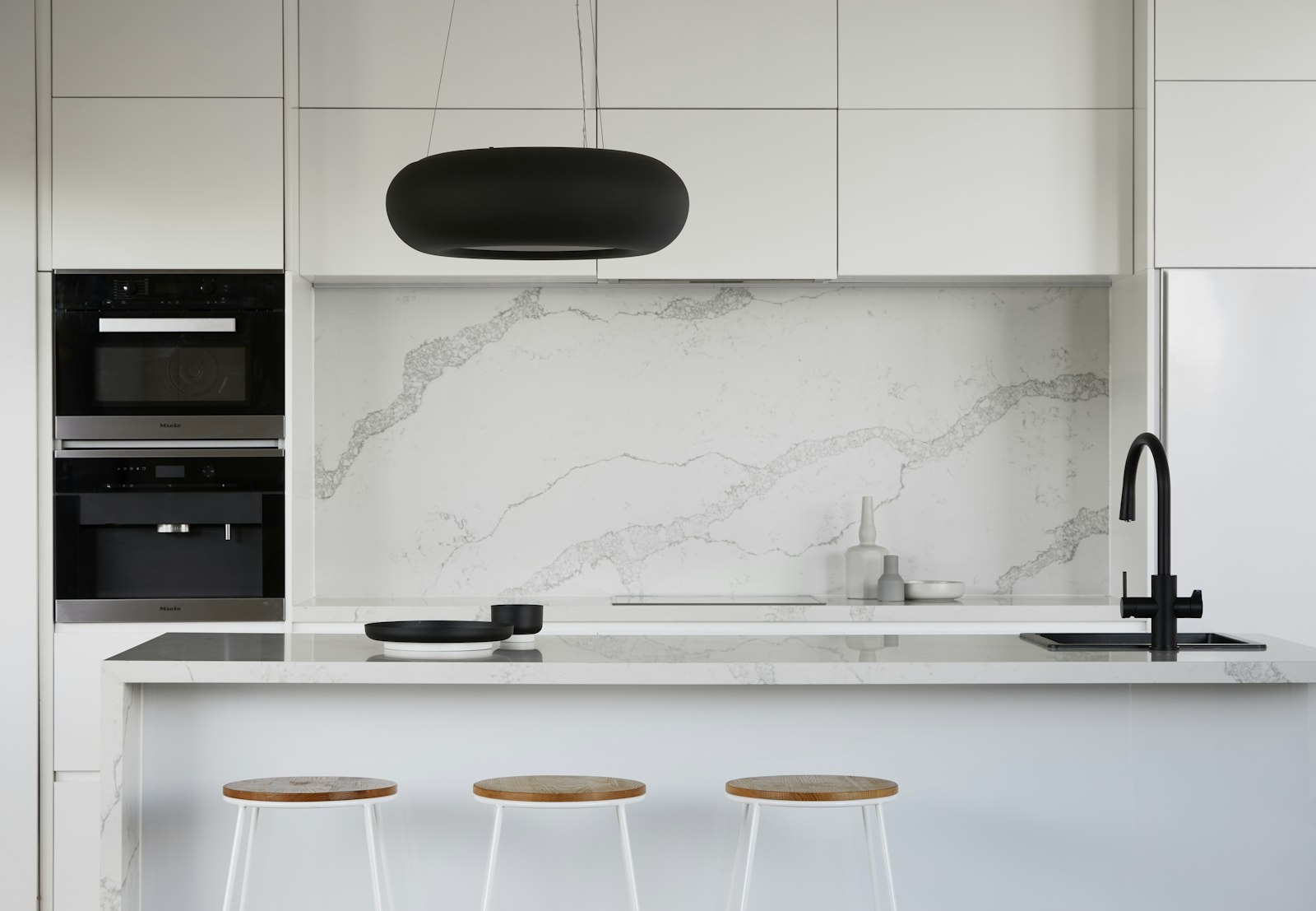
A host adds a line about being military-friendly to the title, then leaves the rest of the listing exactly as it was written for a beach-week couple: mood-board photos, a rigid cancellation window, no mention of a desk. The slogan promises something the rest of the page never delivers, and a guest booking on orders finds that gap fast, usually while comparing your listing against an extended-stay hotel that already spells out its logistics in plain text.
PCS and TDY guests are not shopping for a vibe. They are solving a housing problem created by orders, and they read a listing the way someone reads a lease: kitchen, workspace, storage, parking, and what happens if the dates move. That is a different reading pattern than a leisure booker scrolling for a photo that makes them feel something, and a listing written for one audience rarely serves the other without deliberate rework.
None of what follows guesses at occupancy lift, a booking bump, or a base or hospital partnership. This is a messaging page, not a legal or contracting one, and any relationship with an installation or facility should be documented before it appears anywhere on a listing. The only claim this page makes is that operable facts, placed where guests already look, do more work than a slogan bolted onto a title. This is not legal advice.
The Guest Who Books by Necessity, Not by Mood
A beach-week booker plans months out and picks between several houses that all more or less work; a PCS or TDY guest is often working backward from a report date that was handed to them, not chosen by them. That changes what they need from your listing on the first read: not inspiration, but confirmation that the logistics of an ordinary Tuesday will hold for as long as they are here.
Stay length on this kind of booking tends to run longer than a leisure week and shorter than a lease, commonly landing somewhere between two weeks and three months. That window is long enough that a guest will cook real meals, do laundry more than once, and need a place to sit for a work call, and short enough that they are not moving in furniture or signing a local lease to cover the gap.
Orders change after they are cut. A report date can slide by days or weeks, and a TDY guest's actual departure can stay unsettled until roughly a week out, which means the guest booking your place may not know their own exact timeline when they hit reserve. A listing that treats every date as fixed is already fighting the reality of how these trips get scheduled.
None of this is a reason to write differently about the town or the house. It is a reason to make sure the practical page - rules, cancellation terms, photos of the parts of the house that matter for a multi-week stay - is written for someone solving a logistics problem, not someone picking a mood.
Put the Proof Where the Decision Actually Gets Made
A PCS or TDY guest is very often comparing your listing against an extended-stay hotel or a corporate housing unit in the same window, and both of those alternatives lead with specifics: square footage, kitchen type, laundry, parking. If your listing leads with adjectives instead, you are competing on a weaker set of terms than the product you are actually up against.
The four places this matters are the title, the about block, the house rules, and the photos, in that order of what a guest sees first. Each one should independently confirm the same operable facts rather than relying on one section to carry the whole case - a guest who skims may only read two of the four.
Caption at least one interior photo that shows where work actually happens: a desk, a dining table with an outlet nearby, a quiet corner. A guest booking a multi-week logistics stay is picturing a Tuesday afternoon call, not just a Saturday arrival, and a captioned photo answers that question before it gets asked in a message.
This is not about adding more copy. It is about making sure the copy that already exists is doing the specific job this guest needs it to do, in the four places they are actually going to look before they book.
Retire the Slogan Bolted Onto an Unchanged Listing
The failure worth naming directly: a military-friendly tagline sitting on top of a listing where cancellation is still strict and no photo shows a workspace. The tagline invents a stay the rest of the page cannot back up, and a guest who books on the strength of that line finds the gap the moment they need flexibility the house rules do not actually grant.
Replace "Perfect for military families" with the facts that make a PCS stay workable: two off-street parking spots, a full kitchen, a desk with a dated photo, in-unit laundry, quiet hours, and which night trash goes out. Every one of those is checkable by the guest before they book, which is exactly what a slogan is not.
A soft line that could sit on any house in any town costs you a host-hour to write and produces inquiries from guests who do not actually match what you can deliver. That mismatch shows up later as a review about a promise the listing made and the stay did not keep.
The right order of operations is facts first: write the operable details into the four surfaces above, then decide whether any specialty language is still worth keeping on top of them. Often it isn't, because the facts alone already tell a PCS guest this listing understands the assignment.
What You Cannot Claim Without a Signed Relationship
Do not write about a booking lift, an occupancy bump, or a partnership with a base or hospital unless that relationship is documented in writing. A guess dressed up as a claim is the fastest way to lose credibility with a guest who can call the installation and check.
Extended-stay hotels and corporate housing are not competitors to disparage or partners to name-drop - they are the comparison products a PCS guest is actively weighing against your listing, often in the same afternoon. Treat them as the benchmark your operable facts need to clear, not as a rhetorical target.
Leisure beach-week copy is written for a different searcher entirely, and reusing those captions for a logistics guest is a mismatch in both directions: the leisure guest gets copy that undersells the fun, and the PCS guest gets copy that skips the facts they actually need.
Borrowed authority - a partnership you cannot document, a lift you cannot source - is not worth the risk it carries. Plain honesty about what the house can deliver holds up under a guest's own verification in a way that a borrowed claim never will.
Photograph the Corner Where the Work Actually Happens
Show the desk or table where a daytime call can happen, not just the living room from a flattering angle. A PCS or TDY guest pictures their actual week before booking, and a dated photo of a real workspace answers a question that a leisure listing never has to address.
Closet space and laundry access matter more here than they do for a three-night beach trip, because a two-week to three-month stay means real unpacking and real laundry cycles. A kitchen that photographs as usable - counter space, basic cookware, a stove that works - carries more weight than a styled mood board ever will for this guest.
Parking counts and the actual path from car to door belong in both the photos and the house rules, stated the same way in both places. A guest arriving after a long drive with a car full of belongings needs to know this before they book, not after they are circling the block.
If a room genuinely cannot support a work session - no outlet nearby, no flat surface, too much noise from the street - do not market it as PCS-ready. That is the kind of gap a guest discovers on day one, and it costs more in trust than being honest about the limitation ever would. A short, plain note in the house rules about what the space is and is not built for does more good than silence on the point.
Flexibility Is a Policy You Can Staff, Not a Feeling You Can Advertise
Date flexibility and cancellation terms need to match what you will actually honor when a report date slides, not what sounds generous in a listing description. Guests booking on orders are going to test this policy at some point during their search, and the gap between the advertised terms and the real ones becomes the review.
Publishing flexibility you cannot actually deliver creates review scars and chargeback risk that a tighter, honestly stated policy would have avoided entirely. It is better to be specific about what you can flex - say, a documented orders change moves the date without penalty - than to write something broad that sounds generous but breaks under a real request.
If your calendar genuinely cannot flex around uncertain departure dates, say so plainly. A PCS guest who needs true flexibility will choose a different product, and that is a better outcome for both sides than a booking built on a promise you were never going to keep.
A clear no, stated up front, protects the relationship more than a soft slogan sitting on top of rigid rules. Guests on tight timelines respect a direct answer more than they respect a hopeful one that turns out not to be true.
The Inbox Is Where This Messaging Either Holds or Confirms Itself
Tight PCS and TDY timelines mean a slow reply loses the booking even when every fact on the listing is accurate. A guest working against a report date does not have the luxury of waiting a day for an answer about parking or cancellation terms.
Name an on-call habit for these inquiry windows the same week you rewrite the about block - a specific time each day you check messages, not a vague intention to "reply quickly." The habit is what makes the promise real, and it is worth stating internally even if it never appears in the listing itself.
Saved replies help once the public facts already state kitchen, desk, parking, and flex terms clearly. Before that, a saved reply is just repeating a vague listing faster, which does not solve the actual problem a guest is trying to verify.
Reply speed functions as hospitality for this guest, not as optional polish layered on top of good copy. A fast, accurate answer to a parking question does more to earn the booking than another paragraph of description ever will.
A 30-Day Read: Does the Listing Still Match the Life It Is Selling
Thirty days after any rewrite, read the title, about block, and house rules together the way a stranger booking on orders would read them - not as the person who wrote them. Ask whether the desk, the parking count, and the cancellation terms are still accurate, because a house's real logistics can shift in a month even when the copy does not.
Track response time as a separate measure from messaging quality. A listing can state every fact correctly and still lose bookings if the inbox is slow, and conflating the two makes it harder to tell which problem you actually have when inquiries drop.
Once the four surfaces already match what the house can deliver, stop adding slogan variants. Additional specialty language at that point is optional decoration, not a fix for a gap that no longer exists.
If a military-friendly line is still sitting on top of rules that have not caught up, that is the one thing worth bringing to a rewrite conversation - not a request for more marketing, but a request to close the specific gap between what the title promises and what the house rules actually allow. That single fix usually matters more than any new post, photo set, or campaign scheduled on top of it.
Related Reading
More independent-host military, medical, and travel-nurse stay marketing already live on Crest & Cove.
Frequently Asked Questions
How long do PCS and TDY stays typically run, and what should that change about pricing or terms?
Most fall between two weeks and three months, which is long enough that nightly-rate leisure pricing usually needs a weekly or monthly adjustment rather than a straight nightly rate. It also means your cancellation terms are protecting a longer commitment than a weekend booking, so the financial stakes of getting that policy wrong - for either side - are higher than they are on a short leisure stay.
Why do orders changing after booking matter more for this guest than for a typical traveler?
Because the guest usually did not choose the timeline - it was assigned to them, and it can move without much warning. A cancellation policy written for a leisure traveler who is choosing their own vacation dates does not account for a guest whose report date or TDY departure is genuinely outside their control, which is why the terms need separate, explicit language rather than a copy-pasted standard policy.
What is the fastest way to tell if a listing is actually ready for PCS or TDY guests?
Pull up the title, about block, house rules, and photo gallery side by side and check whether all four state the same operable facts - kitchen, desk, parking, laundry, flex terms - independently of each other. If a guest would have to message you to confirm something the listing implies but does not state, that gap is the next thing to fix, not the next thing to advertise.
Is it worth photographing a workspace if the house does not really have a dedicated office?
Yes, as long as the photo shows something real - a table near an outlet, a quiet corner - rather than staging a space that does not function that way in practice. A guest deciding between your listing and a corporate housing unit is looking for evidence a workday will be possible here, and an honest table photo does more than no photo at all, while an overstaged one that does not hold up creates a worse first impression than skipping it.
Can a host claim a relationship with a nearby base or hospital to attract this guest?
Only if that relationship is actually documented in writing - an approved partnership, a listed preferred-housing status, something the installation itself would confirm if asked. A guest in this position often has access to base housing offices or unit resources and can check a claim quickly, so an undocumented mention of a partnership risks more credibility than it could ever gain in bookings.
How is a PCS or TDY guest different from someone comparing extended-stay hotels?
They are frequently the same shopper looking at both product types side by side, which means your listing is being judged against a format built specifically to communicate logistics clearly. The lesson to take from that competitor is not to copy its tone, but to match its clarity - specific square footage equivalents, specific kitchen contents, specific laundry access - stated as plainly as a hotel brand states its own.
What should replace a generic military-friendly tagline in the title?
A fact the guest can verify at a glance once they open the listing: full kitchen, in-unit laundry, dedicated parking, or a flexible-date note tied to documented orders changes. A specific fact in the title sets an accurate expectation before the guest even opens the about block, where a slogan sets an expectation the rest of the page then has to try to justify.
Does a flexible cancellation policy need to be different for PCS and TDY guests than for leisure guests?
It does not need to be more generous across the board, but it does need to explicitly address the one thing leisure policies rarely mention: a documented change in official orders. Spelling out how that specific situation is handled removes the single largest point of friction this guest is likely to raise, without requiring you to loosen your terms for every other type of booking.
How fast does a host actually need to reply to a PCS or TDY inquiry?
Fast enough that the guest is not still waiting when a comparable extended-stay option confirms availability first - in practice, same-day is the realistic minimum during an active search window. The specific number matters less than having a named habit, like a fixed daily check-in time, that you can actually sustain instead of an aspiration to "reply quickly" that slips during a busy turnover week.
Work with Crest & Cove Creative
A military-friendly slogan on the title means nothing if the house rules are still rigid and no photo shows a desk. PCS and TDY guests read logistics, not adjectives, and they notice the gap before they arrive.
Work with Crest & Cove Creative to rebuild your PCS and TDY messaging around the kitchen, desk, parking, and flex terms a guest can actually verify before booking. Send us the live listing draft and the facts you can document, and reach out at crestcove.co or (256) 998-7502.
Reach out at crestcove.co or (256) 998-7502.


Comments