
Ocoee, Tennessee: The Guest Proof Points Worth Naming in Your Listing

Updated: Aug 27

Guests searching for Ocoee, Tennessee already know about the whitewater. What most listings fail to mention is everything else stacked into the same 20-mile stretch of US-64 between Ducktown and Cleveland: flatwater lakes, a tailwater trout fishery, zip lines, a wilderness area most rafters never hear about, and a road that can make or break a Saturday morning if a host doesn't warn guests about it in advance. This is a working list of what's actually here, organized the way a host would use it, not the way a tourism brochure would.
None of this replaces a listing's own photos or a host's own local knowledge. It's a checklist for what to name, what to warn about, and what to leave alone until it's confirmed for the current season.
It's also worth being clear about what this guide is not: it's not an occupancy report, and it's not a substitute for a host's own confirmed pricing or availability data. Ocoee doesn't have its own published rental-market file the way some nearby towns do, so everything here is guest-facing activity detail, the kind of thing that belongs in a listing description or a welcome guide, rather than a revenue claim of any kind. This is not legal advice.
The Whitewater Everyone Already Knows About
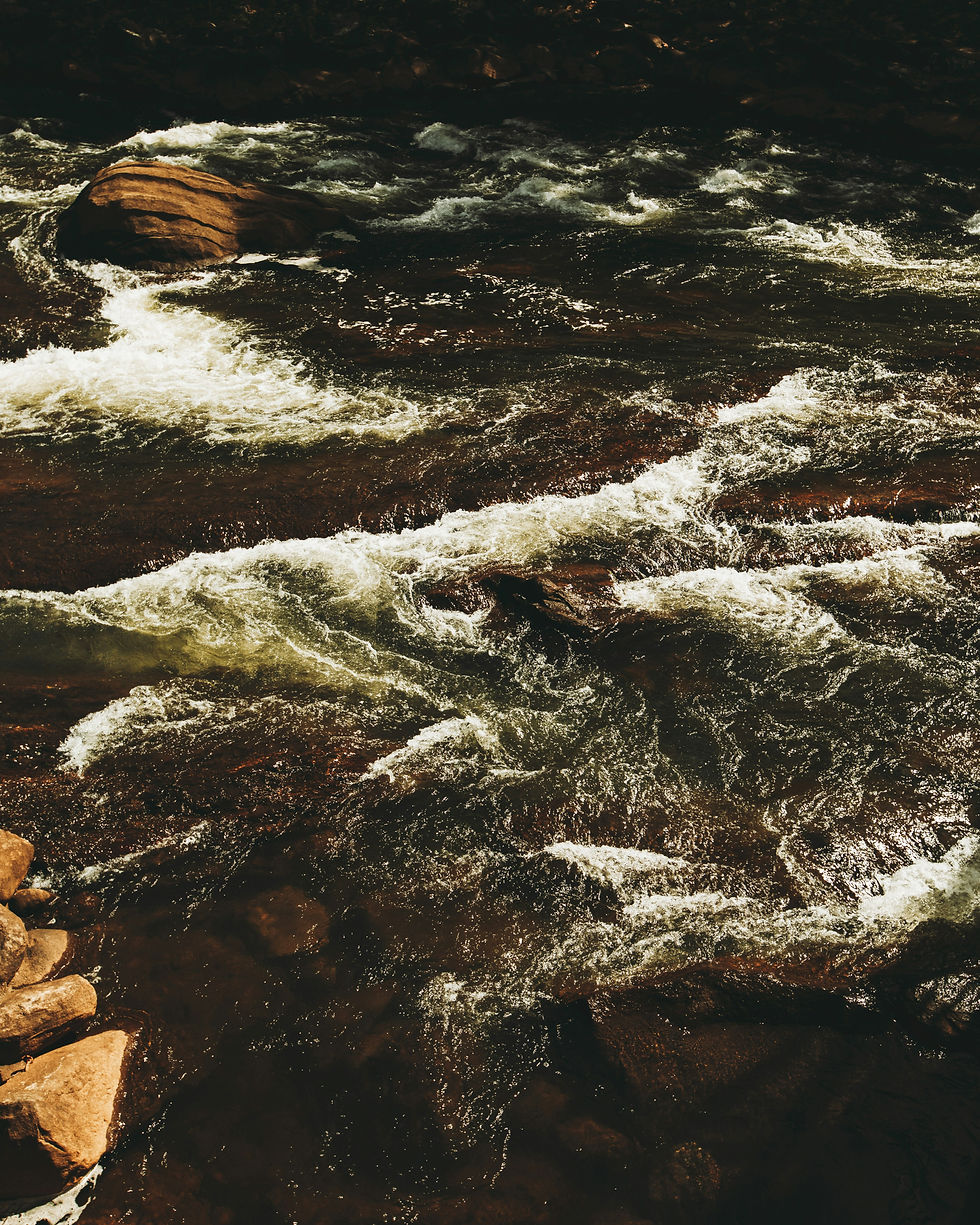
The Middle Ocoee is the reason this corridor has a national reputation. Roughly five miles of continuous Class III-IV rapids, including named features like Broken Nose, Double Suck, Hell's Gate, and Table Saw, made it demanding enough to host the 1996 Olympic canoe and kayak events, and it's still one of the more technically serious commercially-run rivers in the country. TVA dam releases set the schedule, and the established commercial outfitters, Nantahala Outdoor Center, Ocoee Outdoors, Ocoee Inn Rafting, and Sunburst Adventures, build their guided trips around those release windows rather than a fixed daily calendar.
Guided trips run in the two- to four-hour range, and peak summer weekends fill fast. A host whose guests are planning a first-time whitewater trip should flag booking at least a week ahead in July and August, earlier for larger groups, since a guest who shows up expecting a same-day slot on a Saturday in peak season is often out of luck. That's a small but real piece of guest proof: naming the lead time saves a guest a wasted morning and saves a host an awkward conversation about why the trip they promised didn't happen.
Two other stretches exist beyond the commercial section, and a listing should be precise about which one it's near. The Upper Ocoee runs a steeper Class IV-V character and is a private-paddler stretch only, not commercially outfitted, appropriate for experienced whitewater kayakers with their own gear and judgment. The Lower Ocoee, below the main commercial run, drops to Class II-III and is sometimes rafted by outfitters as a lower-intensity alternative, worth mentioning only after confirming current availability rather than assuming it runs on the same schedule as the Middle.
What Private Paddlers and Flatwater Guests Look For
Not every guest wants Class III-IV water, and not every guest who does wants to pay for a guided trip. Private kayakers with their own boats and the skill to read the public TVA release schedule often time their runs specifically to avoid the commercial raft traffic, and a listing that acknowledges this audience directly, rather than assuming every paddling guest wants an outfitter, reads as more credible to an experienced boater deciding where to stay.
For guests who want water without whitewater, Parksville Lake, also called Lake Ocoee, is the most accessible flatwater option in the corridor. Formed by Parksville Dam, it has multiple boat ramps serving casual paddlers and anglers, and its mountain backdrop plus relative midweek quiet make it a genuine flatwater experience sitting right next to a whitewater destination. Chilhowee Lake, further downstream toward Cleveland, is a larger TVA reservoir with more open water and good bass fishing, along with recreational paddling, though it has less built-out paddler infrastructure than Parksville. A host near either lake has a real, specific detail to put in a listing instead of a generic 'lake access nearby' line.
Trails That Give Non-Rafters Something to Do
The Cherokee National Forest wraps the Ocoee River Gorge, and its trail network ranges from short day hikes to overnight backcountry routes, which matters for a listing hosting a mixed group where not everyone wants to raft. The Benton MacKaye Trail runs through the area with ridge segments that look back down into the gorge, and the Ocoee Whitewater Center, built for the 1996 Olympics, still maintains trail access and overlooks that let non-paddlers watch the river from above without getting in a boat.
Thunder Rock Campground, right next to the Whitewater Center, works as a basecamp for that trail access, though it's worth being honest in a listing that it sits within earshot of the river. Some guests find the constant whitewater sound charming; others find it hard to sleep through. Naming that upfront, rather than letting a guest discover it at 11 p.m., is the kind of small honesty that builds trust in reviews.
Big Frog Wilderness, about 20 minutes north of the main corridor, is the option for a guest who wants real solitude rather than another crowded trailhead. It doesn't see anywhere near the visitor volume of the whitewater corridor, and a host whose property sits closer to that side of Polk County has a genuine differentiator worth naming specifically instead of folding it into a vague 'close to hiking' line.
Trail conditions and access points do shift with season and forest management activity, so a host who names a specific trailhead should note that it's worth a quick check before a guest's arrival date rather than treating a trail description as permanent. A short note in a welcome guide, 'confirm current trail closures with the ranger district before heading out,' costs a sentence and prevents a guest from driving 20 minutes to a trailhead that's temporarily closed.
Zip Lines and the Two-Activity Day
Alongside the whitewater economy, the corridor has built out a real zip line and aerial adventure industry. Ocoee Adventures and Rolling Thunder River Company both run courses that use the gorge's terrain for dramatic aerial views, and both are a reasonable answer for a guest who wants an outdoor adventure without the physical intensity, or the swim test, of a Class III-IV rafting trip. That covers families with older kids, guests with mobility considerations, and groups who simply want variety across a multi-day stay.
The morning-raft, afternoon-zip-line combination is a popular way to structure a full day here, and outfitters offering both activities are generally willing to help coordinate the timing. A listing that suggests this pairing directly, rather than leaving a guest to piece together two separate bookings on their own, is doing real trip-planning work that a generic activities list doesn't.
Fishing Below the Dam and On the Lake
The stretch of the Ocoee River below Parksville Dam is a genuine tailwater trout fishery, and it's one most rafting-focused guests never hear about. Cold water released from the dam holds trout year-round even through summer heat, and it draws fly anglers who have nothing to do with the whitewater crowd. Fishing pressure is lower midweek, and the most productive windows tend to run from late fall through spring when water temperatures are most consistent, worth mentioning to a guest planning an off-peak stay who might otherwise assume there's nothing to do here outside rafting season.
Parksville Lake itself supports bass, crappie, and bream fishing for guests who want warm-water fishing without driving deeper into the national forest. Between the tailwater trout fishery and the lake, a property positioned near either has a real fishing angle that most Ocoee-focused listings leave out entirely in favor of rafting-only copy.
A host who keeps a laminated panel of nearby bait shops, current stocking notes, or simply the honest fact that fishing here is a cold-water, dam-release fishery rather than a warm summer creek, gives an angling guest more confidence than a vague 'fishing available' amenity checkbox. It costs nothing to name, and it's the kind of specific detail that separates a listing written by someone who actually knows the area from one written to fill space.
Logistics That Actually Change a Guest's Trip
The commercial whitewater season typically runs late spring through early fall, with peak activity from Memorial Day through Labor Day. Outside that window, some outfitters cut back to weekends only or close entirely, so a host booking a shoulder-season or off-season stay should confirm current outfitter schedules before promising a rafting trip as part of the visit, rather than assuming the season runs the same every year.
US-64 through the gorge is a two-lane road that carries heavy recreational traffic on summer weekends, and it can back up significantly around launch areas on a Saturday morning in peak season. A host who warns guests to build in extra drive time, especially for a Saturday arrival, is solving a real frustration before it happens instead of fielding a message about it from a guest stuck in traffic.
Ducktown and Copperhill, at the eastern end of the corridor, have far less food and fuel than most visitors expect walking in. A guest planning a full day in the gorge should be told to stock up before entering, or to plan meals around outfitter facilities, NOC runs a restaurant and deli, rather than assuming there's a town center with dining options mid-trip. That's a small detail, but it's exactly the kind of thing that shows up in a one-star review when nobody mentions it in advance.
Why an Adjacent Chattanooga Number Isn't an Ocoee Number
There's no confirmed AirROI file specific to the town of Ocoee itself. The closest labeled market data available covers Chattanooga, roughly $27,819 in typical annual revenue at a 43.3 percent occupancy rate, and that figure belongs to Chattanooga, not to a Polk County cabin sitting inside the gorge. The two markets share a region and some overlapping visitor traffic, but they are not the same rental market, and a host or a marketing writer who quotes the Chattanooga figure as if it describes Ocoee is making exactly the kind of substitution this guide is built to prevent.
The honest move is to treat outfitter and visitor-spend detail, rafting trip pricing, zip line packages, restaurant activity in Ducktown, as visitor color rather than as a stand-in for occupancy or revenue data this corridor doesn't yet have published under its own name. A listing built on real activity detail and a clear-eyed read of what data does and doesn't exist for this specific market holds up better than one that borrows a number from the nearest city with a file.
Sequencing a Multi-Day Ocoee Stay
A single-night booking rarely gives a guest time to see past the whitewater, but a two- or three-night stay changes the math. Day one can be the Middle Ocoee raft trip itself, booked in advance around the outfitter's release-window schedule, with the afternoon left open for recovery rather than crammed with a second activity right after a physically demanding morning on the river. Day two is where the corridor's other assets earn their keep: a morning at Parksville Lake for guests who want calmer water, or a trail segment in the Cherokee National Forest for guests who'd rather stay dry entirely.
For a group with mixed interests, a common pattern is one shared activity, usually the raft trip, followed by a split afternoon: the more adventurous half of the group takes the zip line course while the rest fish the tailwater below Parksville Dam or paddle Chilhowee Lake. A listing that suggests this kind of split itinerary directly, rather than assuming every guest in a group wants the same thing on the same schedule, gives a mixed group of adults and kids, or thrill-seekers and homebodies, a workable answer instead of a forced compromise.
The corridor also rewards a guest who arrives a day before their rafting trip rather than same-day. Same-day arrivals compete with weekend traffic on US-64 and risk missing a morning launch window if the drive runs long. A host who recommends arriving the evening before a scheduled raft trip, especially for a Saturday morning slot in peak season, is giving a guest a genuinely useful piece of planning advice that a generic 'book your Ocoee adventure' listing never gets around to.
Related Reading
More independent-host reading on listing copy, calendars, and operable decisions guests can trust.
Frequently Asked Questions
What class rapids run through the Middle Ocoee?
Roughly five miles of continuous Class III-IV whitewater, including named rapids like Broken Nose, Double Suck, Hell's Gate, and Table Saw. It's technically demanding enough that it hosted the 1996 Olympic canoe and kayak events. TVA dam releases set the schedule, and commercial outfitters run their guided trips around those release windows.
Which outfitters run guided trips on the Middle Ocoee?
Nantahala Outdoor Center, Ocoee Outdoors, Ocoee Inn Rafting, and Sunburst Adventures are the established commercial operators, all running guided trips in the two- to four-hour range. Peak summer weekends fill quickly, so a lead time of at least a week in July and August is a reasonable thing to tell guests, earlier for larger groups.
Can an experienced kayaker run the Ocoee without a guide?
Yes. Private kayakers with their own boats and skills often time their trips around the public TVA release schedule to avoid commercial raft traffic. The Upper Ocoee, which runs a steeper Class IV-V character, is a private-paddler stretch only and isn't commercially outfitted.
Where can guests paddle if they don't want whitewater?
Parksville Lake, also called Lake Ocoee, is the most accessible flatwater option, with multiple boat ramps and a mountain backdrop that's genuinely quiet midweek. Chilhowee Lake, further toward Cleveland, is a larger reservoir with more open water and good bass fishing, though it has less built-out paddler infrastructure than Parksville.
Is there anything for guests who don't want to raft or paddle at all?
The Cherokee National Forest offers hiking from short day hikes to backcountry routes, including segments of the Benton MacKaye Trail with views down into the gorge. Zip line courses from Ocoee Adventures and Rolling Thunder River Company give guests an aerial adventure without the physical intensity of whitewater, and both pair well with a morning rafting trip as a two-activity day.
Is Thunder Rock Campground quiet?
Not exactly. It sits adjacent to the Ocoee Whitewater Center and is within constant earshot of the river. Some guests find the whitewater sound relaxing; others find it hard to sleep through, so it's worth naming that honestly rather than letting a guest find out after check-in.
What fishing options exist in the Ocoee corridor?
The tailwater section below Parksville Dam holds trout year-round thanks to cold water releases, drawing fly anglers with productive windows from late fall through spring. Parksville Lake itself supports bass, crappie, and bream fishing for guests who want warm-water fishing without driving further into the national forest.
When does the commercial rafting season run?
Typically late spring through early fall, with peak activity from Memorial Day through Labor Day. Outside that window, some outfitters cut back to weekends only or close entirely, so shoulder-season and off-season stays should have current outfitter schedules confirmed before rafting is promised as part of the trip.
What should guests know about driving into the gorge?
US-64 is a two-lane road that carries heavy recreational traffic on summer weekends and can back up significantly around launch areas on Saturday mornings. Building in extra drive time for a Saturday arrival avoids a frustrating first hour of the trip.
Where should guests eat if they're spending a full day in the corridor?
Ducktown and Copperhill have far less food and fuel than most visitors expect. Guests planning a full day should stock up before entering the gorge or plan around outfitter facilities, Nantahala Outdoor Center runs a restaurant and deli on site, rather than counting on a town-center dining option mid-trip.
Is the Chattanooga AirROI figure the same as an Ocoee number?
No. There's no confirmed AirROI file specific to Ocoee. The nearest labeled data covers Chattanooga, roughly $27,819 in typical annual revenue at 43.3 percent occupancy, and that figure describes Chattanooga's rental market, not a Polk County cabin in the gorge. Treating it as an Ocoee number is the exact kind of substitution a host should avoid.
Is Big Frog Wilderness worth mentioning in a listing?
For the right guest, yes. It sits about 20 minutes north of the main corridor and sees far less visitor volume than the whitewater area, making it a genuine option for guests who want backcountry solitude rather than another crowded trailhead. A property closer to that side of Polk County has a real differentiator worth naming specifically.
Work with Crest & Cove Creative
Most Ocoee listings stop at the rapids and hand the guest a generic photo of whitewater. There's a full corridor of lakes, trails, a tailwater fishery, and a wilderness area sitting right next to it that most copy never mentions.
If your Ocoee listing is still leaning on one rafting photo and a borrowed Chattanooga number, that's an easy fix. Reach out at crestcove.co or (256) 998-7502 and we'll help you write the corridor the way guests actually search it.
Reach out at crestcove.co or (256) 998-7502.


Comments