
Port Aransas Tx Requirements Permits: Clerks, Not Occupancy Ranking

Updated: Aug 28
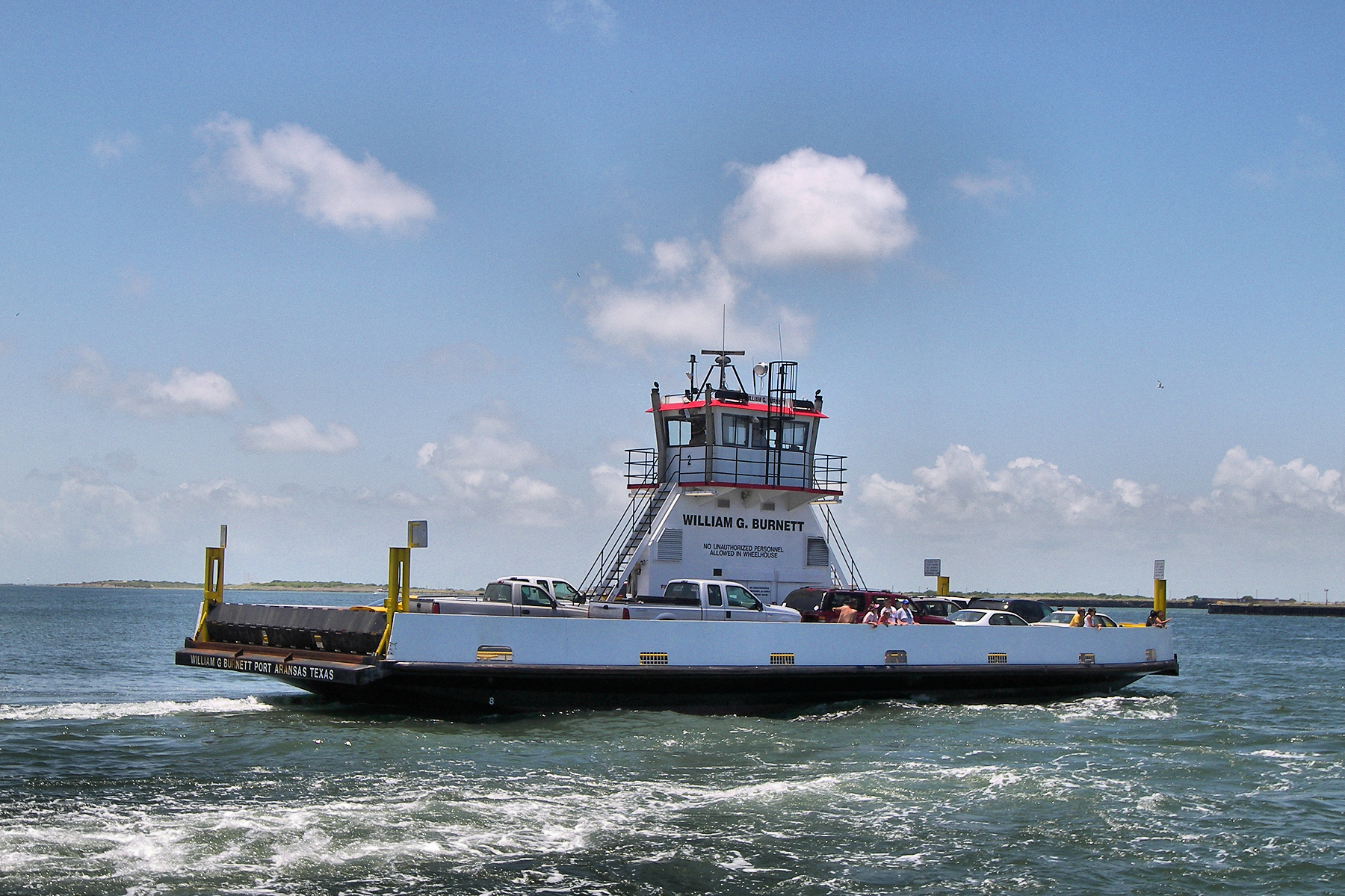
Port Aransas is its own city on Mustang Island, not a Corpus Christi neighborhood and not a Rockport pin. A host who wants to advertise a house for less than thirty consecutive days needs the City of Port Aransas short-term rental paper, not a bayfront slogan and not a ferry wait story. The working text sits in Chapter 12, Article VIII of the city code — Licenses and Business Regulations, Short Term Rentals — and secondary writeups often cite Ordinance 2022-02. The live PDF on cityofportaransas.org is the text you obey. Open it the week you apply. Do not paste a blog summary into your house rules and call the file done.
This page walks that article as commonly published: registration before advertising, a twenty-four-hour local contact, occupancy set at permit time, a registration number in every listing, annual calendar-year renewal that expires December 31, and mandatory evacuation when the city, county, or state orders non-residents out. It also walks hotel occupancy tax as the city finance pages and the December 2025 HOT information PDF state them. It will not invent a registration fee dollar amount, a remaining-permit table, or a Corpus Christi Type 2 percentage for a Port A lot you have not yet zoned.
Corpus Christi’s Type 1 and Type 2 rules, including the fifteen percent block-face cap for non-owner Type 2 and the single-family ban on Padre and Mustang Island inside the city’s area development plan, are a different government’s paper. They do not travel across the channel with your guest. The free TxDOT ferry and the longer causeway route are access choices. They are not a permit and they do not replace Chapter 12. Thebest townspost is the map of the Coastal Bend. This post is the Port Aransas counter at 710 W. Avenue An and the MuniRevs portal hosts actually use when the listing goes live.
Chapter 12 Article VIII is the Port A path
Section 12-250 defines a Short Term Rental as the use for compensation of all or part of a dwelling unit or accessory dwelling unit — hotel, motel, single-family residence, apartment, condo, townhouse, or other residential improvement — for a period less than thirty consecutive days. The term applies whether or not the dwelling was originally built or zoned as residential. Exclusions are narrow: certain higher-education housing and a rental pending a bona fide real estate closing. If your stay product is under thirty nights on Mustang Island inside city limits, you are inside the article and you file before you photograph the porch.
Section 12-251 states the purpose in ordinary language: registration and use of short-term rentals so units are safe, occupancy taxes are paid on time, and residents and visitors have a workable welfare frame. The owner designates themselves or an agent as operator. The owner is not relieved of personal responsibility if the operator, agent, or guest violates the rules. The article does not give anyone a right to ignore zoning in Chapter 25, private covenants, or deed restrictions that ban short-term use. An advertisement that promotes a short-term rental in violation of the ordinance is prima facie evidence of a violation. That sentence is why a listing photo is not a legal opinion and why “everyone on this street does it” is not a defense.
Before you use the unit as an STR or advertise it in any manner, Section 12-252 requires a registration form the administrator prescribes. Name, address, email, and telephone of the operator. Name, address, email, and twenty-four-hour contact telephone of a designated local contact. Physical address of the unit. Number of sleeping rooms and the applicable occupancy limit. Confirm every line on the live form the week you submit. Thestartuppost is cash for the Coastal Bend stack. This paragraph is why Port A cash still starts with a city form, not a ferry selfie and not a Corpus Christi portal login you opened by mistake.
Twenty-four-hour local contact and the one-hour response
The local contact is the operator or a person the operator designates. That person shall be available twenty-four hours a day, seven days a week for two purposes the ordinance states in plain English: responding in person within one hour to complaints about condition, operation, or occupant conduct, and taking immediate remedial action to resolve those complaints. A phone tree that never reaches Mustang Island is not that person. A mainland manager who cannot arrive within the hour is not that person either. Write the name as if a neighbor will dial it at midnight, because they will.
Put the contact name and twenty-four-hour number on the tenant information sheet. Section 12-213 requires that sheet for every short-term stay. At minimum it carries the designated contact and 24/7 phone, the occupancy limit set at registration, off-street parking and any adjacent no-parking fire lanes, a notice that occupancy and parking failures can bring a citation, noise and lighting restrictions, trash timing and placement, and other items the administrator requires. Guests who cannot find the contact number will call the city. Neighbors who cannot find a human will call the city faster, and the complaint clock is measured in hours, not business days.
This is the operational core of Port Aransas hosting, not a footnote under the beach photo. Summer and holiday ferry waits can stretch the island’s access story for arriving guests. They do not stretch the local-contact clock. A 2018 KIII account of the ordinance described a 24/7 number that could respond within one hour; confirm the live Chapter 12 PDF for the exact response time the week you register. If you live in Corpus Christi or Rockport and manage from a distance, budget a local person who can stand on the porch, not a text that says “we will look into it tomorrow.” TheDIY versus hirepost is who answers that porch when you cannot. This ordinance is why the answer has to be local, named, and timed.
Occupancy, sleeping rooms, and the registration number
A sleeping room, for this article, is enclosed habitable space that meets the minimum room dimensions of the adopted International Residential Code. Living rooms, family rooms, and similar spaces with fold-down beds or convertible couches provided on a permanent basis for regular accommodation are not reinterpreted into sleeping rooms for the occupancy cap. Maximum occupancy is two adults per sleeping room plus four, unless the building official allows otherwise. Children are not counted in the occupancy calculation. An adult is twelve years or older at the time of rental. Capacity is fixed when the permit is issued or renewed. Later construction does not raise it without inspection, building-official approval, and an amended registration form the city accepts.
Non-compliant sleeping rooms stay out of the maximum and must be disclosed on the tenant sheet as not for sleeping. Health and life-safety work must match the city’s adopted building code. Every floor with enclosed space needs at least one Class 2A:10B:C fire extinguisher — the standard five-pound unit — mounted where occupants can see and reach it without hunting. Golf carts offered with the stay fall under Chapter 23 traffic rules. Inspections run every twenty-four months unless a specific concern or suspected violation forces an earlier visit. Budget the inspection window the same way you budget linens.
Once registered, the unit receives an unique permit number. That number must appear in every advertisement, including internet booking sites, not only on a paper taped inside a cabinet. A permit does not transfer with the deed. A new owner must apply within sixty days of closing or other conveyance. Delinquency on city fees — occupancy tax, sanitation, gas service — blocks registration until finance accepts payment or a resolution. Initial registration, on the posted policy text, is valid twenty-four months from the completed filing and fee payment unless ownership changes; subsequent renewals run on an annual calendar-year basis and expire December 31. Confirm the live PDF for the fee line and any amendment. This page will not invent the dollar amount the council set.
Hotel occupancy tax: nine, six, fifteen, and the thirteen leftover
Texas state hotel occupancy tax is six percent. The City of Port Aransas requires a nine percent city hotel and motel tax on any room, house, or condo rented on a daily or weekly basis for less than thirty consecutive days. The city’s December 2025 HOT Tax Information PDF — HOT-Tax-Information-12-2025.pdf on cityofportaransas.org — states the total combined rate in Port Aransas as fifteen percent: nine percent city and six percent state. The state portion is reported and remitted to the state. City gross revenue is reported monthly through portaransas.munirevs.com. Payments are due by the twentieth of the month following the rental period. An one percent discount applies if paid by the due date; later payments lose the discount and can draw interest and penalties the finance pages describe.
The same city hotel-motel tax webpage still carries a known wording collision: it states that total tax to be collected is fifteen percent, then says “the breakdown of the 13% in taxes is as follows: City 9% and State 6%.” Nine plus six is fifteen, not thirteen. On November 5, 2025, local reporting described voters approving an increase from thirteen percent to fifteen percent for hotels and short-term rentals, with effect described as January 1, 2026. Quote the December 2025 PDF for the stack you charge after that date, and confirm the live finance page the week you price a night. Skip inventing a third local layer from a Rockport or Fulton page, and treat the webpage and the PDF as two separate sources rather than averaging them.
Airbnb and VRBO, per that December 2025 PDF, do not collect or remit city occupancy taxes on the host’s behalf. City tax goes through MuniRevs whether the booking arrived through a platform or a direct site. Report total gross revenue, including cleaning fees and amenity charges folded into the booking price. Long-term and exemption lines track Section 351.006 of the Texas Tax Code. Zoning note on the same PDF: daily and weekly rentals are permitted only in areas zoned R-2 or higher. Ask development services before you buy a single-family lot you cannot lawfully advertise as a nightly stay. Thefinancingfile should attach the clerk’s zoning answer, not a ferry brochure and not a screenshot of a different city’s rate table.
Do not paste Corpus Christi’s Type 2 map onto Port A
Corpus Christi registers short-term rentals citywide under rules council adopted June 28, 2022. Type 1 owner-occupied primary residences are allowed citywide except in single-family zoning inside the Padre and Mustang Island area development plan. Type 2 non-owner units face a fifteen percent of block-face first-come limit, again with single-family STR prohibited in that island ADP. The portal is corpuschristi.munirevs.com. The desk is (361) 826-3240 and STRRegistration@CorpusChristiTX.gov at 2406 Leopard Street. Those sentences are true for a Corpus Christi pin. They are not Port Aransas Article VIII and they do not become island law because a listing title said “Corpus Christi area.”.
A host who copies “fifteen percent cap” onto a Port Aransas listing is inventing a rule the island city did not write. A host who assumes “Padre single-family ban” means every Mustang Island house is illegal is also wrong: Port Aransas is an incorporated city with its own zoning and registration path. North Padre and the city’s ADP are still not Port A. Flour Bluff is still not Port A. South Padre Island is another coast entirely and is not this Coastal Bend cluster. Borrowing another government’s density rule is how good houses become bad compliance stories.
Use the contrast only as a warning label for pin identification. If your assessor parcel is inside Corpus Christi limits, read the Corpus Christi packet and pay that cashier. If it is inside Port Aransas, read Chapter 12 Article VIII and the Port A HOT pages. If the listing says “near Port A” and the pin sits in unincorporated Nueces or another town, stop and name the government before you collect a deposit. Theshoulder seasoncalendar for the urban bay is not a Port A zoning opinion. Theremote workerproduct is a stay length conversation. Stay length under thirty nights is still an STR under Section 12-250 when the pin is Port Aransas.
Mandatory evacuation is not optional house rules
Section 12-213(g) is short and hard: all vacation rental units will be immediately evacuated upon notice of a non-resident evacuation order issued by the city, county, or state. That is not a polite suggestion for hurricane week and not a house rule you can soft-pedal in the listing. It is a minimum standard of conduct tied to the permit. Write it into the tenant sheet and into the cancellation path before late-summer and fall risk rises. A host who keeps a calendar open after a non-resident order is not defending revenue. They are defending a violation with guests still in the bedrooms.
Hurricane risk on this coast is real. Harvey in 2017 is part of the regional story; it is not a yield forecast and not a reason to invent a summer occupancy trough you then close on the calendar. Do not close June through September because a blog said “storm season kills demand.” Do not keep guests on the island after an order because a booking platform auto-renewed a stay. Coordinate with the local contact who can clear the house in person within the same response culture the ordinance already demands for ordinary complaints. Confirm how the city expects hosts to document compliance when an order lands.
Insurance, platform force-majeure language, and rebooking credits are commercial questions outside this ordinance summary. The ordinance question is simpler: when the order says non-residents leave, the unit empties. Put the city’s emergency notification channels in the operator binder next to the MuniRevs login and the local contact’s cell. Thevisitor guideis what guests read after they book a beach week. Evacuation language is what they must obey before the ferry line becomes the wrong kind of story for everyone on the island.
Ferry, causeway, and the first email that actually helps
Port Aransas access is a free TxDOT ferry across a short ship-channel crossing, with waits that grow in summer and on holidays, or a longer drive via the causeway route. Typical talk runs on the order of forty-five to sixty minutes from parts of the Corpus Christi side depending on route and traffic. That is ordinary language, not a promise and not a permit condition. The ordinance does not care which bridge photo you use in the listing gallery. It cares that you registered before you advertised and that the registration number is visible where guests book.
Send the first email, or open the portal, with the APN, the physical address, bedroom and sleeping-room count, whether an accessory dwelling unit sits on the lot, and whether you will occupy the primary dwelling. Ask: current registration fee as council set it, calendar-year renewal steps before December 31, local-contact acceptance rules, R-2-or-higher zoning confirmation for daily and weekly use, HOT account setup on portaransas.munirevs.com, and whether the seller’s permit can be replaced within sixty days of closing. City development and short-term rental questions route through ; the December 2025 HOT PDF names the short-term rental specialist at extension 227. Keep the written reply with the closing file.
Do not ask “is Airbnb legal in Port A” as if a yes-or-no text message ends the file. Ask whether your use is a Short Term Rental under Article VIII and whether the lot’s zoning allows daily and weekly rentals. Attach the last owner’s registration number if you have it, and assume you still need your own permit because transfer is not automatic. Thetourism datapost is why the HOT remittance exists region-wide. Port A’s nine-plus-six stack is the local cashier. Rockport’s crane calendar in thewhooping crane seasonpost is a different town’s demand story, not a Port A permit shortcut and not a reason to skip MuniRevs.
What this page will not claim
We will not invent a registration fee. We will not invent a remaining-license count. We will not paste Corpus Christi’s fifteen percent Type 2 block-face rule or the Padre and Mustang Island single-family STR ban onto a Port Aransas pin. We will not treat ferry access as compliance. We will not resolve the city webpage’s “fifteen percent total” and “breakdown of the 13 percent” sentences by guessing a midpoint; we quote the December 2025 PDF’s nine percent city plus six percent state equals fifteen percent, note the November 2025 voter approval described as thirteen to fifteen, and tell you to reconfirm on cityofportaransas.org the week you charge the guest.
We will say: Chapter 12 Article VIII governs; confirm the live PDF commonly discussed as the 2022-era short-term rental ordinance path; register before you advertise; name a twenty-four-hour local contact who can appear within one hour; print the registration number in every ad; set occupancy at two adults per sleeping room plus four with children uncounted unless the building official says otherwise; renew on the annual calendar so the permit does not die on December 31; evacuate on a non-resident order; remit city HOT through MuniRevs because platforms are not collecting that piece per the city’s December 2025 sheet; call when the portal and the PDF disagree in front of you.
A Port Aransas listing that looks like a Corpus Christi bay condo is still a Port Aransas legal problem with a Port Aransas clerk. Name the city on the assessor map. Open the PDF on the city site. File before the photograph goes public. Thepermits pageis this path written for hosts; the rest of the Coastal Bend cluster is market and calendar context, not a substitute for the island counter on Avenue A.
Frequently Asked Questions
Do I need a Port Aransas STR permit?
Yes, before you use or advertise a dwelling for compensation for less than 30 consecutive days. Chapter 12 Article VIII requires registration, an unique permit number in every ad, and a designated 24-hour local contact. Confirm the live PDF on cityofportaransas.org; secondary sources often cite Ordinance 2022-02. We will say: Chapter 12 Article VIII governs; confirm the live PDF commonly discussed as the 2022-era short-term rental ordinance path; register before you advertise; name a twenty-four-hour local contact who can appear within one hour; print the registration number in every ad; set occupancy at two adults per sleeping room plus four with children uncounted unless the building official says otherwise; renew.
When does the annual permit expire?
Subsequent renewals run on an annual calendar-year basis and expire December 31. Initial registration on the posted policy text is valid 24 months from completed filing unless ownership changes. Confirm renewal steps on the live form before year-end. Initial registration, on the posted policy text, is valid twenty-four months from the completed filing and fee payment unless ownership changes; subsequent renewals run on an annual calendar-year basis and expire December 31.
What is the 24-hour local contact rule?
The operator or a designee must be available 24/7 and respond in person within one hour to complaints about condition, operation, or occupant conduct, then take immediate remedial action. A mainland voicemail is not compliance. That person shall be available twenty-four hours a day, seven days a week for two purposes the ordinance states in plain English: responding in person within one hour to complaints about condition, operation, or occupant conduct, and taking immediate remedial action to resolve those complaints.
Does Corpus Christi’s 15% Type 2 cap apply in Port A?
Corpus Christi’s Type 1/Type 2 rules and the Padre/Mustang Island single-family STR ban inside the city ADP are a different government. Port Aransas uses Chapter 12 Article VIII and its own zoning. Do not paste the CC map onto an island city pin. Corpus Christi’s Type 1 and Type 2 rules, including the fifteen percent block-face cap for non-owner Type 2 and the single-family ban on Padre and Mustang Island inside the city’s area development plan, are a different government’s paper.
What HOT rate do I charge?
The city’s December 2025 HOT PDF states 9% city plus 6% state for a 15% combined total on stays under 30 consecutive days. The finance webpage still mentions a 13% breakdown alongside a 15% total — confirm the live page. November 2025 reporting described voters approving 13% to 15%. We will not resolve the city webpage’s “fifteen percent total” and “breakdown of the 13 percent” sentences by guessing a midpoint; we quote the December 2025 PDF’s nine percent city plus six percent state equals fifteen percent, note the November 2025 voter approval described as thirteen to fifteen, and tell you to reconfirm on cityofportaransas.org the week you charge the guest.
Do Airbnb or VRBO remit Port A city HOT?
Per the December 2025 city HOT information PDF, Airbnb and VRBO do not collect or remit city occupancy taxes for Port Aransas. File city tax through portaransas.munirevs.com. State tax is remitted to the state separately. Airbnb and VRBO, per that December 2025 PDF, do not collect or remit city occupancy taxes on the host’s behalf.
Is the ferry part of the permit?
The free TxDOT ferry and the longer causeway are access routes to Mustang Island. They are not registration, zoning, or HOT. Typical drive talk is about 45–60 minutes from parts of the Corpus Christi side — ordinary language, not a promise. Typical talk runs on the order of forty-five to sixty minutes from parts of the Corpus Christi side depending on route and traffic.
Who do I call, and what about evacuation?
City lines start at ; the December 2025 HOT PDF lists the short-term rental specialist at extension 227. On a non-resident evacuation order from city, county, or state, all vacation rental units must evacuate immediately under Section 12-213(g). Section 12-213(g) is short and hard: all vacation rental units will be immediately evacuated upon notice of a non-resident evacuation order issued by the city, county, or state.
Keep going on Crest & Cove:the Crest & Cove intro·local SEO keywords that actually book·the five elements of a converting hero·how to compare STR marketing agencies·OTA fees without leftover occupancy lifts·this cluster against named-town AirROI pins·Destin against AirROI, not leftover year·prior cluster against AirROI pins.
Related Reading
Keep reading in the Port Aransas market spine and nearby towns in the same region: same-cluster pages hosts can use without costume-corridor copy.
Port Aransas Rockport DIY Ceiling: AirROI Pins, Not Leftover Occupancy
Corpus Christi Port Aransas Rockport: What Guests Ask Before They Book
What It Actually Costs to Start a Short-Term Rental in Wimberley, TX
How to Finance a Short-Term Rental Purchase in Wimberley, Texas
How to Finance a Short-Term Rental Purchase in Fredericksburg, Texas
DIY vs. Hire: Marketing a Wimberley, TX Listing Against a 167-Door
DIY vs. Hire: Marketing a Fredericksburg, TX Listing in a 45-Percent
Fredericksburg Tourism and Hosts: Million Is Not Listing Income
Who Books a Fredericksburg, TX Rental: Wine-Trail Weekends, Enchanted
Work with Crest & Cove Creative
Peak occupancy is not the year. Named-town AirROI pins only.crestcove.coor(256) 998-7502.
Peak occupancy is not the year. Named-town AirROI pins only.crestcove.coor(256) 998-7502.
Peak occupancy is not the year. Named-town AirROI pins only.crestcove.coor(256) 998-7502.
Peak occupancy is not the year. Named-town AirROI pins only.crestcove.coor(256) 998-7502.
More permissive than an island ban is a low bar. Read Chapter 12 before you list.
Crest & Cove Creative works with independent short-term rental hosts who want marketing built around how their specific property and market actually work — not a franchise playbook. See what we do atcrestcove.co, or call (256) 998-7502 to talk through your situation. Reach out at crestcove.co or (256) 998-7502.


Comments