
Rockport-Fulton's Whooping Crane Season: Pricing Around Texas's Top Birding Draw
- Jacob Mishalanie

- 23 minutes ago
- 13 min read
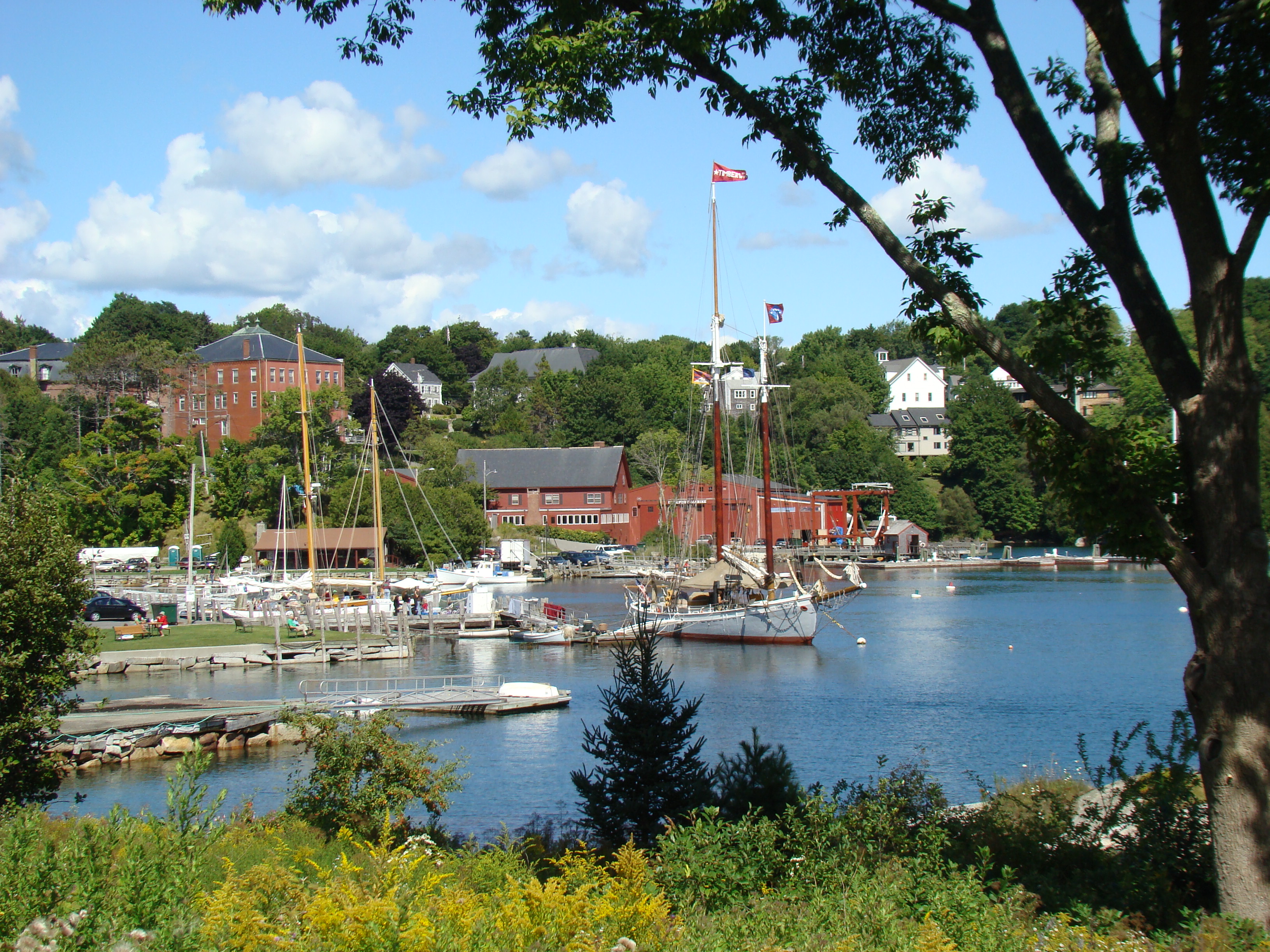
Rockport and Fulton sit in Aransas County, about a half-hour class of drive from Corpus Christi on US-181 and TX-35 in ordinary traffic — typical language, not a stopwatch guarantee. In winter they are not selling the same product as a downtown Corpus Christi bay condo in January. They are selling proximity to the only naturally migrating whooping crane flock on the continent, plus a harbor town that rebuilt after Hurricane Harvey’s Category 4 landfall story in 2017. That rebound is resilience and a place name people still recognize. It is not a yield model and not a reason to invent a crane-week ADR.
The U.S. Fish and Wildlife Service estimated a record 557 whooping cranes wintering on and around Aransas National Wildlife Refuge for the 2024–2025 season; that release went out June 30, 2025. The Service’s later survey for 2025–2026 estimated around 540 birds in the primary survey area; that release is dated June 17, 2026. Date both numbers every time you rewrite a listing. Do not leave 557 as “this winter” once the next survey is public. Texas Parks and Wildlife describes the flock on the Texas coast from November through March, with spring migration north in late March or early April. Aransas NWR is a drive from Rockport-Fulton, centered on the Blackjack Peninsula near Austwell — not a backyard viewing deck from every rental porch on the harbor.
Hosts who treat crane season as a slogan without a stay product will lose to hosts who write house rules for pre-dawn departures, muddy boots, and multi-night birders who actually book. The best towns post places Rockport beside Port Aransas and the urban bay. This post is why November through March on this harbor is not Corpus Christi’s mid-winter urban lull, and why the crane season product needs dated counts. Confirm FWS, TPWD, and rockport-fulton.org the week you price a night. Do not invent a snowbird headcount. Do not claim a current 2026 USA Today 10Best number one without a current ballot you can open.
Date the counts: 557, then about 540
On June 30, 2025, the U.S. Fish and Wildlife Service published the 2024–2025 wintering whooping crane count: a record estimate of 557 birds on and around Aransas National Wildlife Refuge, including at least 41 juveniles, with today’s flock still descending from the historic low of roughly a dozen adults on this coast in 1941. That sentence is a conservation milestone worth telling guests. It is also a marketing temptation. A host who freezes “record 557” into a 2026 listing headline after the next survey lands is teaching last year’s press release as if it were this year’s census.
On June 17, 2026, the Service estimated around 540 whooping cranes, including at least 57 juveniles, in the primary survey area of roughly 190,250 acres centered on Aransas NWR for the 2025–2026 winter. The release notes the difference from 557 is within the margin of error and that long-term growth has averaged on the order of four percent since 1938. Additional birds were documented outside the primary area through secondary surveys, tracking studies, and public reports to programs such as Texas Whooper Watch. Population estimates move year to year. Your listing copy should move with the dated release, not with a blog that never updated the number in the hero image.
For hosts, the operational point is simpler than the recovery curve on a chart. The flock is large enough, and famous enough, that winter birding demand is a real Coastal Bend product people plan trips around. It is not large enough to invent a guaranteed full calendar or a crane-week rate you made up in a spreadsheet. Quote FWS with the survey year attached in the house manual. Link guests to refuge pages and to local tourism, not to a screenshot of 557 with the date cropped off. The tourism data post is regional spending context for the wider coast. This section is why a Rockport winter is allowed to be busy when a city condo sits quiet in January.
November through March is the TPWD window
Texas Parks and Wildlife states that whooping cranes migrate to Texas coastal plains near Rockport, in and around Aransas National Wildlife Refuge, from November through March. Fall movement south can begin earlier in the broader Central Flyway migration story; spring departure toward Wood Buffalo National Park in Canada is described as late March or early April. For a host writing minimum stays, turnover days, and cleaning schedules, the practical product window is that November–March coastal presence. A random October flash sale labeled “crane season” without birds settled on the marshes is marketing fiction guests will fact-check.
Peak viewing weeks still vary with weather, blue-crab conditions on the flats, and how early or late the flock settles into the primary area. Do not promise a guest that every morning from a Harbor Street porch will produce a whooper in binoculars. Do promise accurate drive times to refuge overlooks, boat-tour operators, and public lands rules. Aransas NWR is the center of the primary survey story the Service publishes. Goose Island State Park and other Aransas County birding stops appear on local tourism birding pages as part of a wider trail network. None of those sites is automatically included with a Rockport rental key, and none replaces a car plan.
Opposite calendar matters for how you position the house against the rest of the bay. Corpus Christi’s urban and bayfront demand often softens in the coolest mid-winter weeks relative to spring break and summer beach peaks — see the shoulder season frame for that city pattern. Rockport-Fulton’s crane months can fill with birders, photographers, and longer winter stays when that urban lull is real. That is a positioning fact, not a guarantee that every January Saturday books at a summer ADR. The remote worker stay is a different product built on bandwidth and a desk. Crane guests want dark skies before dawn and a place to dry binocular straps between refuge runs.
Aransas NWR is a drive, not the backyard
Aransas National Wildlife Refuge sits on the Blackjack Peninsula with a visitor story oriented around Austwell and the wider refuge complex, not inside the Rockport city limits as a walking neighborhood you reach in five minutes. Guests who book a “Rockport crane cottage” still need a car, a plan, and often a boat-tour reservation if they want marsh-level looks at the birds. Write the drive honestly in the listing and the arrival book. Write refuge hours, entrance fee rules if any apply that season, and whether pets stay home. Do not imply the flock winters in the guest bedroom’s view corridor unless you have verified the sightline yourself on a clear morning.
Rockport-Fulton tourism pages describe a dense local birding trail network and year-round species diversity beyond whoopers. That is useful shoulder content for April and October when cranes are moving or already gone north. It is not a reason to erase the November–March headline that still pulls national interest. Whooping cranes are the rare, tall, endangered draw that national media still covers when the survey numbers land each year. Herons, egrets, and spoonbills keep binoculars busy the rest of the calendar. Price and market both layers without inventing that every week on the harbor is crane week with a premium attached.
Boat tours and guided outings are third-party businesses with their own capacity, weather cancellations, and booking windows. A host who oversells a tour slot the operator does not have creates a refund problem and a review problem, not a five-star save. Keep a short list of established operators and refuge links in the house binder. Update it when a dock moves or a phone number changes. The visitor guide is the wider Coastal Bend itinerary across three towns. This paragraph is the Rockport winter fork: birds first, beach second, bay third — or reverse the order only if your actual pin and photos justify a different lead.
USA Today 10Best is a dated plaque, not a 2026 ballot
Aransas National Wildlife Refuge has appeared in USA Today 10Best readers’ choice birding coverage in past cycles. The ranking pages that still circulate online are historical ballots, including mid-2010s recognition, not a live “number one birding destination in 2026” certificate you can mint without a current contest open in front of you. If you cite 10Best in a listing title or description, date the cycle. If you cannot open a current ballot that names Rockport-Fulton or Aransas NWR this year, do not write “current #1.” Dated awards still support a careful reputation sentence. They do not support a false superlative that a guest can disprove in thirty seconds.
Local tourism pages and refuge pages are stabler primary sources for what guests can actually do this month. FWS survey releases are stabler for how many birds wintered in a given season. TPWD is stabler for the November–March presence window on the Texas coast. User-generated “best of” lists expire quietly while the URL still looks current. A host who builds the entire SEO title on an expired crown will rewrite under pressure when a guest fact-checks mid-booking, and the rewrite always sounds worse than an honest dated award.
Reputation still matters for conversion because birders plan months ahead. They read trip reports. They compare Rockport-Fulton with other Texas coast stops and with inland wintering stories. Your job is accurate logistics and a house that tolerates early alarms and wet gear, not a museum label screwed to the porch rail. The DIY versus hire post is who keeps the lockbox and the binocular towel stocked when you do not live on TX-35. Crane season multiplies five a.m. messages about fog, road closures, and tour cancellations. Budget the response the same way you budget coffee.
Winter long-stays without the unverified headcount
Winter on this coast draws longer stays: retirees, remote workers fleeing harder freezes inland, and birders stacking weeks around refuge time and tour availability. Describe that pattern in plain language guests and lenders both understand. Do not paste an “8,000 snowbirds for 3.1 months” figure unless a primary local page you can open states it with a date. This cluster’s locked facts treat that headcount as unverified. Unverified numbers do not become marketing copy because they sound precise; they become a credibility problem when someone asks for the source.
What you can operationalize without a census is more useful than a fake total. Monthly and multi-week discounts that still clear cleaning cost. Quieter house rules for long-stay neighbors who live here year-round. HOT treatment for stays that cross the local less-than-one-month line so you do not invent an exemption. Rockport’s city HOT is posted at seven percent for hotels, including short-term and Airbnb-style stays under one month — confirm rockporttx.gov the week you file. Fulton is a different town with its own stack and its own page. Do not blend cashiers because the listing headline said “Rockport-Fulton” for marketing convenience.
Harvey’s 2017 landfall is part of why national audiences still recognize the name Rockport when a storm anniversary story runs. Recovery and rebuilt inventory are real and visible on the ground. They are not a RevPAR guarantee and not a reason to tell a lender the crane flock replaces insurance math or a maintenance reserve. The financing conversation wants tax accounts and registration paperwork, not a storm anniversary essay. The startup invoice wants the same line items. Crane photos go in the listing gallery after the city paper is real and the HOT login works.
Registration and HOT still beat the bird blind
Rockport’s short-term rental path is Ordinance 1928, adopted February 27, 2024, compiled in the municipal code as Article III material hosts should open on ecode360 or the city site the week they buy. Registration is required before you treat the house like a hotel. Occupancy ties to Texas Property Code 92.010 language on three times the number of sleeping rooms, with children not counted — quote the statute and the ordinance to the guest and to yourself, and do not invent a guest cap from a Facebook group. HOT proof appears on renewal. City HOT contact paths on public materials include the finance side and main city lines; confirm Judy Emerson at 361-556-5272 and city hall at 361-729-2213 on current pages before you rely on a phone tree saved from last year.
Port Aransas is a different city with Chapter 12 Article VIII, a December 31 annual registration rhythm, and a nine-plus-six HOT story of its own — see the Port Aransas permit post before you assume island rules travel north. Corpus Christi is a third government with Type 1 and Type 2 rules and a Padre and Mustang Island single-family complication inside city ADP lines. A crane guest does not care which clerk you ignored when the house next door files a complaint. The neighbor who reports you does, and so does the person who issues the next permit renewal.
Platform collection may or may not cover every local piece of tax on every stay. Ask the city and read the platform’s remittance notice for this ZIP. File on time even in January when the refuge parking lot is full and your phone is full of tour questions. A full birding weekend is not a defense for a missing remittance or a lapsed registration. The Port A permits path and Rockport’s Ordinance 1928 are compliance. This post is demand seasonality and product design. You need both files open before you buy another spotting-scope prop for the coffee table and call the house ready.
Product design for birders, not beach clones
Crane-season guests often book midweek, stack multiple nights around weather windows, and leave the house before sunrise with coolers and cameras. Stock coffee that timers can start at four-thirty without waking the whole block. Provide a sealed bin for wet gear and a place to hang coats that dripped salt marsh. Print a one-page drive sheet to Aransas NWR, boat-tour docks, and a grocery that opens early enough for a packed lunch. State pet rules clearly; refuge and tour rules may ban animals even if your house allows them on the porch. Quiet hours still matter when the house next door is a year-round resident, not a spring-break group that will be gone by Sunday.
Do not clone a Port Aransas beach-house template onto a Rockport bungalow and hope whoopers fix soft photos and soft house rules. Different water, different winter wind, different guest intent, different cleaning pattern after muddy boots. Beach gear still helps for warm shoulder days when someone wants the bay. Binoculars and a simple field guide help more in January when the product is birds. If you offer a pack-and-play or a workspace, say so — mixed parties happen — but lead with the birding use case from November through March. The shoulder essay for the city is the wrong lead image and the wrong SEO title for this pin in crane months.
Minimum-stay strategy should reflect tour schedules, fog delays, and weather cancellations, not an invented “crane week premium” dollar figure this page will not invent for you. Price from your own calendar history, comparable listings you can verify with your own eyes, and how many true birding weekends you can staff with cleanings and a local contact. When the flock departs in spring, rotate the headline toward fishing, bay, and summer coast without pretending the whoopers stayed for July fireworks. Honesty converts better than a stale superlative, and it survives a guest who already read the June survey release.
What this page will not claim
We will not leave 557 as the undated “current” flock size after the 2025–2026 survey estimate of about 540. We will not invent a crane-week ADR. We will not use an unverified snowbird headcount of eight thousand or a 3.1-month average stay. We will not call Aransas NWR the backyard of every Rockport porch. We will not write “USA Today 10Best #1 in 2026” without a current ballot. We will not treat Harvey recovery as a yield number. We will not paste Port Aransas or Corpus Christi permit math onto an Aransas County pin without naming the correct clerk and the correct ordinance.
We will say: FWS dated 557 for 2024–2025 on June 30, 2025, and about 540 for 2025–2026 on June 17, 2026; TPWD frames Texas coast presence November through March; Rockport-Fulton is a drive-base for refuge and tour logistics; winter long-stays are real without a fake census; the calendar can run opposite a Corpus Christi January lull; registration and HOT still govern before the first whooper photo goes up; product design should favor birders in the crane months and then rotate cleanly when the birds leave. Open the Service releases when you rewrite the listing each year. Open the city ordinance when you take the house live. The flock is the story that draws the search. The clerk is still the gate that keeps the house legal.
Frequently Asked Questions
When is whooping crane season near Rockport?
Texas Parks and Wildlife describes the flock on Texas coastal plains near Rockport, in and around Aransas National Wildlife Refuge, from November through March. Spring migration north is typically late March or early April. Exact peak weeks still vary with weather and habitat conditions.
How many whooping cranes wintered recently?
FWS estimated a record 557 for the 2024–2025 season (release June 30, 2025). The 2025–2026 survey estimated around 540 in the primary area (release June 17, 2026). Date both; do not leave 557 as an undated “this winter” figure.
Is Aransas NWR in downtown Rockport?
No. The refuge is centered on the Blackjack Peninsula near Austwell and is a drive from Rockport-Fulton, not a backyard amenity for every rental. Write honest drive times, hours, and tour logistics in the listing.
Can I call Rockport the current USA Today #1 birding town?
Only if you can open a current 10Best ballot that says so. Past readers’ choice recognition, including mid-2010s birding rankings for Aransas NWR, is dated history. Cite the cycle or skip the superlative.
Is crane season the opposite of Corpus Christi’s winter lull?
Often in product mix: Rockport-Fulton winter birding can be active while urban Corpus Christi mid-winter softens relative to beach peaks. That is positioning, not a guaranteed full calendar or an invented ADR.
Do I need a Rockport STR permit to host birders?
Yes if you short-term rent in the city. Ordinance 1928 (adopted 2/27/2024) requires registration; occupancy ties to Texas Property Code 92.010 language; HOT proof is part of renewal. Confirm the live code and city HOT pages.
Should I use the 8,000 snowbird figure?
No unless you open a primary local page that states it. This cluster treats that headcount and stay-length figure as unverified. Describe winter long-stays in plain language without inventing precision.
What should a crane-season listing emphasize?
Dated flock counts, November–March timing, drive-to-refuge logistics, early-morning house rules, and legal registration — not a fabricated crane-week rate. Update copy when FWS publishes a new survey.
Related Reading
The rest of the Corpus Christi and Coastal Bend cluster already live on Crest & Cove.
Beyond Padre & Mustang Island: The Coastal Bend's Best-Kept Vacation Towns
Filling Corpus Christi's Quietest Weeks With Remote-Worker Bookings
DIY vs. Hire: Three National Brands in Port Aransas, or Standing Out in Rockport-Fulton
Port Aransas Short-Term Rental Permits: A Host's Regulatory Feasibility Guide
Coastal Bend Tourism Data: Visitor Spending and What It Means for STR Hosts
The Complete Visitor's Guide to the Coastal Bend: Corpus Christi, Port A, Rockport
What It Actually Costs to Start a Short-Term Rental Near Corpus Christi, TX
How to Finance a Short-Term Rental Purchase in the Coastal Bend, Texas
Work with Crest & Cove Creative
Crane season is the opposite of a Corpus Christi January lull. Do not fold it into off-season.
Crest & Cove Creative works with independent short-term rental hosts who want marketing built around how their specific property and market actually work — not a franchise playbook. See what we do at crestcove.co, or call (256) 998-7502 to talk through your situation.


Comments