
Turn a Real Farm Calendar Into a Content Hook Guests Can Trust

Updated: Aug 27
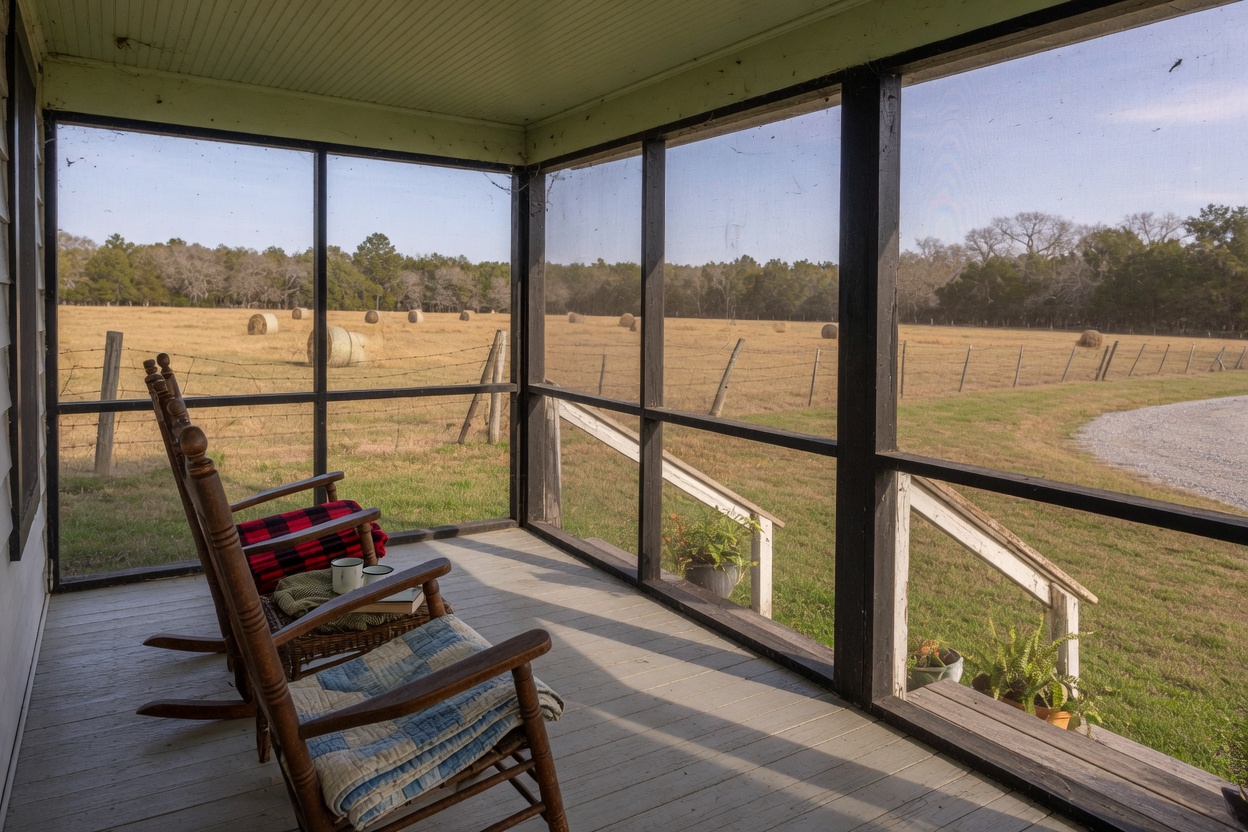
Farm and agritourism content is some of the easiest content a host can produce and some of the easiest to get wrong at the same time. A photo of an orchard in October or a strawberry field in June makes an instantly appealing post, warm light, a seasonal hook, an obvious reason to visit this month instead of some other month. The trap is that the appeal comes from the photo, while the actual guest experience depends on things the photo doesn't show: whether the gate is open the week the guest is actually arriving, whether the parking area turns to mud after rain, whether pets are allowed near livestock, whether the u-pick rows the guest pictured are even in season yet.
This page is about closing that gap, writing farm-calendar content that names real, checkable windows instead of a soft pastoral mood. It draws only on general seasonal-content practice, not on any specific farm's hours or any guessed statistic about visitor numbers or bookings driven by this kind of post. The goal is a calendar a guest can actually hold you to, not a vibe that falls apart the moment they show up on the wrong Tuesday. This is not legal advice.
Why 'farm-to-table' adjectives are the tell of an unfinished post
Words like rustic, pastoral, and farm-to-table do real work in a headline, but they do zero work in the paragraph that follows if nothing concrete backs them up. A guest reading "experience the charm of local farm life" learns nothing they can act on, not when to go, not what to bring, not whether the thing they're picturing is even open that week. The adjective creates a mood; only a specific detail creates a plan.
The fix isn't to drop the mood entirely, warm, seasonal language is part of what makes this content appealing in the first place. The fix is to always follow the adjective with the fact that makes it real: not just "charming u-pick orchard nearby," but "charming u-pick orchard nearby, typically open weekends through the fall harvest window. Check current hours before you plan the trip, since picking season shifts year to year with weather." The second version keeps the appeal and adds the honesty.
This distinction matters more for return content than for a one-off post, because a guest who visited once based on vague seasonal language and found the actual farm closed, muddy, or different than expected won't trust the next seasonal post from the same account. Specificity is what earns repeat attention, not just first-click appeal.
The details that actually determine whether a guest can go
Four things separate a usable farm-calendar post from a decorative one: hours, parking, mud, and pets. Hours matter because agritourism operations shift their open days seasonally and sometimes weekly depending on what's ready to pick or what events are scheduled. A post that doesn't flag this as something to verify is setting a guest up to arrive at a locked gate.
Parking and mud go together more often than hosts think to mention. A farm that's easy to visit on a dry October weekend can become genuinely difficult to reach after a week of rain, when the same gravel or grass parking area turns soft. If you know this from experience with a specific place, say so plainly. It's exactly the kind of detail a generic tourism listing won't include, and it's the detail that actually changes whether a guest has a good visit or a frustrating one.
Pet and animal-interaction rules deserve their own line, separate from the general vibe of the post. A farm with livestock often has specific rules about approaching animals, keeping dogs leashed, or excluding pets from certain areas entirely, and those rules exist for safety, not preference. Naming this upfront protects both the guest's experience and the working farm's actual operation.
The five anti-patterns that undercut a farm-calendar post
The first and most common is publishing pastoral slogans without a single access photo, a beautiful wide shot of a field with no image of the actual gate, parking area, or path a guest will use to get there. The second is hiding the mud: knowing from experience that a location gets difficult after rain and leaving that out because it undercuts the aesthetic of the post.
The third is pausing guest inbox replies to build out an elaborate seasonal content calendar, again, the wrong priority order, since a guest with a question about this weekend's plans needs an answer faster than a content project needs to ship. The fourth is measuring success only by post count or publishing cadence, rather than by whether the content is still accurate when a guest actually acts on it weeks later.
The fifth is copying photos or hours from a neighboring farm's marketing material and presenting them as current or as your own verified information. Seasonal agritourism hours change independently at every property; borrowing someone else's calendar and passing it off as checked information is exactly the kind of shortcut that produces a locked-gate surprise.
Building the calendar around windows, not single dates
A useful farm-calendar post describes a window, not a single perfect day, "typically open weekends from mid-September through the first hard frost" rather than a specific date that will be wrong the moment weather shifts the season. Windows survive the natural variability of agriculture; specific dates don't.
Inside that window, flag the parts most likely to shift: whether weekday access differs from weekend access, whether the farm closes for private events on short notice, whether the picking selection changes as the season progresses (early apples versus late apples, for instance, drawing different crowds and requiring different guidance). A guest reading a window-based post can plan a trip that survives the gap between when the post was written and when they actually go.
Always pair the window with a clear instruction to verify current hours directly before the trip, a phone call, a farm's own social account, or their posted hours. This isn't a hedge to avoid responsibility; it's the honest acknowledgment that a host's blog post is not the farm's live operating calendar, and treating it as one does the guest a disservice.
Photos that do the access job, not just the mood job
Every farm-calendar post should include at least one photo that shows something functional: the parking area, the entrance gate, the path condition, or the general terrain a guest will actually walk. This photo won't be the most beautiful image in the post, and that's fine. Its job is different from the hero shot's job.
If you don't have an access photo because you've never actually walked the route yourself, that's worth noticing before you publish. A post built entirely from someone else's promotional photography, without a single image or detail from an actual visit, is a post built on secondhand information, which is fine as a starting point but shouldn't be presented with the same confidence as firsthand knowledge.
Where you do have firsthand experience, let it show in specific, small details: which gate to use if there are two, where the informal overflow parking tends to form, what shoes actually work on the path in wet conditions. These are the details that make a post feel like it came from someone who was actually there, and they're the details competing generic tourism content almost never includes.
Keeping this content honest across a full season, not just at launch
A farm-calendar post written in August about the fall harvest window needs a plan for staying accurate as the season actually unfolds, not a one-time publish-and-forget. Revisit it once the season it describes actually arrives, and correct anything that's shifted: an earlier-than-expected closure, a rule change, a parking area that's been reconfigured.
This is a smaller task than it sounds like, especially if you scope it to a single short check rather than a full rewrite: does the window still hold, does the access information still match reality, has anything material changed. A five-minute check against a dated note from when you first published beats a full annual overhaul that never actually happens.
The discipline pays off specifically because seasonal content gets reused and re-shared across multiple years if it's evergreen enough, which means a stale detail from year one can keep misleading guests in year three unless someone revisits it. Treat the post as a living document tied to a real place, not a one-time creative project.
There's also a useful middle ground between a full annual rewrite and no revision at all: a short seasonal addendum appended to the original post rather than a full replacement. A single dated line at the top or bottom of the post, noting what's changed since the original publish date, gives returning readers an honest signal without requiring you to rebuild the whole piece from scratch. This is a smaller habit than it sounds, and it's the one most hosts can actually sustain year over year.
Related Reading
More independent-host reading on honest listing copy, distribution, and when hiring help is worth it.
Frequently Asked Questions
What makes a farm-calendar post different from a general tourism recommendation?
The difference is verifiability, not enthusiasm. A general tourism recommendation can stay vague, "a lovely farm nearby", and still read fine. A farm-calendar post is making an implicit promise about timing: that if a guest goes during the window you named, the experience you described will actually be available. That promise only holds if you've included real, checkable details like hours, access, and seasonal variability, not just an appealing photo and a warm adjective.
How do I write about a farm's mud or access issues without sounding negative?
Frame it as practical guidance, not as a complaint about the place. "The gravel parking area can get soft after rain, closed-toe shoes recommended if there's been recent weather" reads as helpful, specific host knowledge, not as criticism of the farm. Guests generally appreciate this kind of honesty; it's the surprise, not the mud itself, that damages trust in the recommendation.
Should I include exact opening hours in my post, or just a general season?
Prefer a general seasonal window plus an explicit instruction to verify current hours before the trip, rather than exact hours that are likely to change. Agritourism hours shift with weather, crop readiness, and staffing far more than a typical retail business's hours do. Presenting a window as a window, honestly, is more useful long-term than presenting a specific hour that will eventually be wrong.
Is it okay to use a farm's own promotional photos in my content?
Only with permission, and only labeled as such rather than presented as your own firsthand documentation. If you haven't visited yourself, say so, or better, pair any borrowed promotional imagery with at least one detail or photo from your own experience of the surrounding access (the drive, the parking, the general area) so guests get some genuinely firsthand information alongside the farm's own marketing material.
How often should I update a seasonal farm post once it's published?
At minimum, once per year, right before the season it describes arrives: a quick check that the window, hours, and access details still hold. If you know a location has had recent changes (new ownership, a reconfigured parking area, a rule change around pets or livestock), update it immediately rather than waiting for the annual check. Stale seasonal content compounds if it keeps getting reshared across multiple years unchecked.
What if I only have secondhand information about a farm, not firsthand experience?
Say so plainly, and keep the post more general as a result, a starting point for a guest's own research rather than a confident firsthand account. Presenting secondhand information with the same specificity and confidence as firsthand knowledge is where this kind of content most often goes wrong; if you haven't walked the path, don't describe the path as if you have.
Do I need to mention pet or animal-interaction rules even if my guests rarely travel with pets?
Yes, if the farm has livestock or working animals, because the rule usually exists for safety reasons that apply to any visitor, not just pet owners. A guest who brings a dog without knowing the rule, or who lets a child approach an animal without knowing the farm's actual policy, is a situation your content could have prevented with one clear sentence.
How specific should parking guidance actually be?
As specific as your own firsthand knowledge allows: which gate or entrance to use if there are multiple, roughly how much space is available, whether it's paved, gravel, or grass, and whether it holds up in wet weather. Vague parking guidance ("parking available on site") is one of the most common gaps in this kind of content, precisely because it's the detail hosts most often assume is obvious and skip mentioning.
Can I write about a farm-calendar hook I've never actually visited myself?
You can, but the post should read differently than one built on firsthand experience, more like a pointer toward the farm's own information than a confident guide. Be explicit that you're passing along general seasonal information rather than personally verified access details, and encourage guests to confirm directly. Misrepresenting secondhand research as firsthand knowledge is the core failure mode this whole approach is trying to avoid.
What's the single biggest improvement a host can make to existing farm-calendar content?
Add one honest access photo and one honest sentence about what could go wrong (mud, a locked gate on the wrong day, limited parking) to a post that currently only has mood and appeal. That single addition does more for guest trust than a longer, more elaborately written version of the same vague post would.
Work with Crest & Cove Creative
A pastoral photo and a farm-to-table adjective describe a mood, not a plan, and a guest who shows up to a locked gate on the wrong Tuesday learns the difference the hard way.
Crest & Cove Creative helps hosts turn farm calendars and harvest windows into copy that survives contact with an actual guest's trip.
Reach out at crestcove.co or (256) 998-7502.


Comments