
Balance Land and Landscape Photos Against What Guests Sleep In

Updated: Aug 27
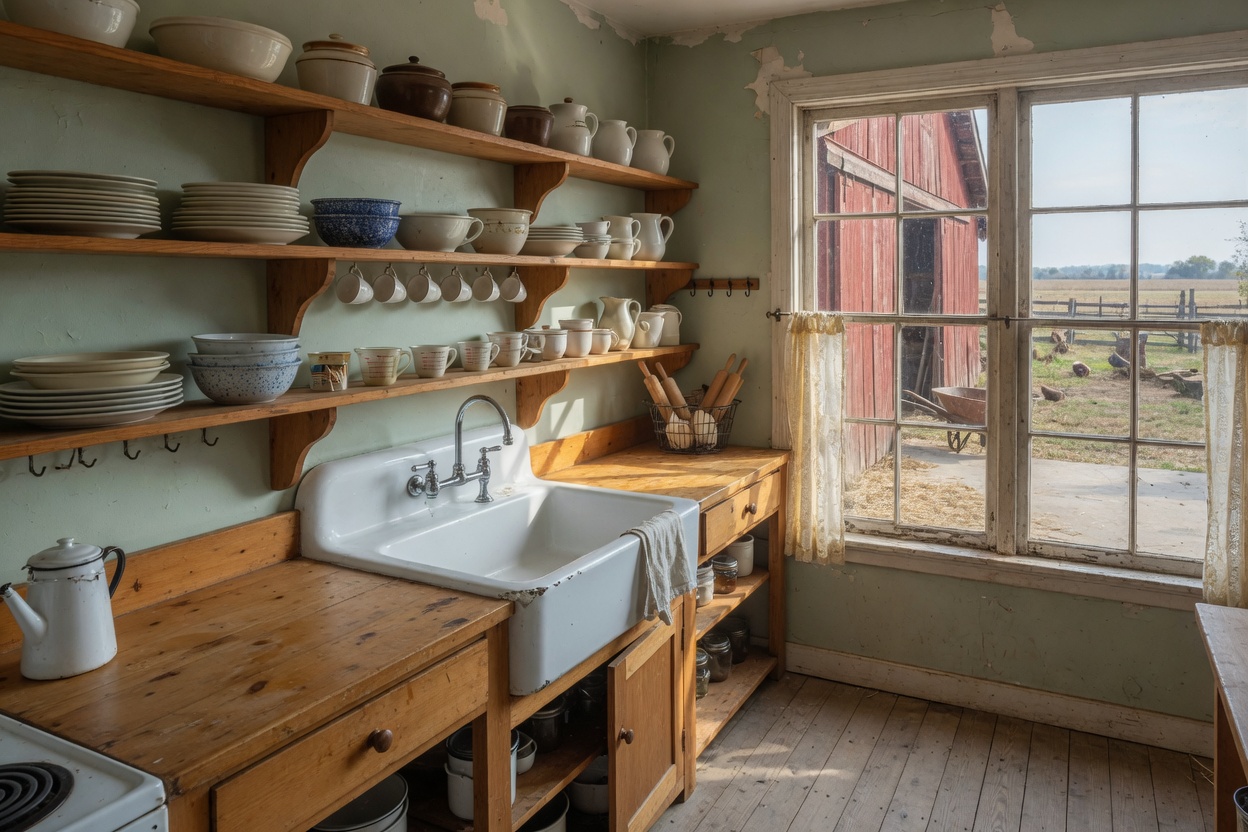
A property on acreage, near a view, or with genuine outdoor land to show off has a real photography temptation: lead with the land. Wide shots of a ridgeline, a pasture, a sunset over the property, a drone shot of the whole parcel from above. These photos are not wrong to include, and for the right listing they are a genuine draw. The mistake is letting them dominate the gallery to the point that a guest scrolling through cannot tell how many bathrooms the house has, what the beds actually look like, or how to get from the parking area to the front door.
This page is about the balance: land and landscape photography earns its place in the gallery, but it does not get to replace the guest-comfort information a booking decision actually depends on. A guest is not booking the land. They are booking a specific number of nights inside a specific house, and the photos need to serve that decision first, with the land as a genuine draw layered around it, not instead of it. This is not legal advice.
Why land-forward photo sets underperform on their own
A guest evaluating a property on acreage or with a striking view is still, underneath the appeal of the setting, asking the same practical questions any guest asks: how many people can sleep here, what does the bathroom situation look like, how far is the walk from the car to the door. A gallery dominated by wide landscape shots with only a token handful of interior photos leaves those questions unanswered, and an unanswered question does not get resolved by a more beautiful sunset shot; it gets resolved by the guest moving to a competing listing that showed the interior clearly.
The land itself, however striking, is rarely the entire reason a guest books a specific stay over another one nearby with a similar setting. What differentiates one property from a comparable neighbor is usually the house itself, the comfort, the layout, the specific beds and baths, and a photo set that under-represents that comparison point is competing on the one thing, the view, that is often shared with several nearby alternatives.
There is also a practical arrival-day cost to under-photographing access and layout. A guest who has seen twelve stunning land photos and two interior shots arrives with a strong sense of the setting and almost no sense of how the house itself will actually function for their stay, which produces exactly the kind of on-arrival surprise that shows up in a review.
What guest-comfort photography needs to cover before the land gets its share
Beds and baths first, shown clearly and specifically: how many bedrooms, what configuration, how many bathrooms and where they are relative to each bedroom. This is the information a guest is actually trying to extract from the gallery in the first thirty seconds of scrolling, and it deserves to appear early in the sequence, not after ten land shots a guest has to scroll past to reach it.
Access needs its own honest documentation: what does the walk from parking to the front door actually look like, are there stairs, is the path level or uneven, is there lighting for an evening arrival. A property with genuine acreage often has a longer or more complex access path than a standard in-town listing, and that is exactly the kind of detail a guest needs to see rather than discover on arrival with luggage in hand.
Show the interior's actual condition and layout with the same care given to the land shots: real lighting, real angles that represent the rooms' true proportions, not an afterthought handful of photos squeezed in after the landscape work got the bulk of the shoot's time and attention. If the land shots were clearly the priority of the shoot and the interior photos read as a rushed add-on, guests notice that imbalance even if they cannot name exactly what feels off about it.
Where the land photography genuinely earns its place
A land or landscape shot earns its place in the gallery when it shows something a guest cannot get a sense of any other way: the actual view from a specific window or porch, the actual scale of a usable outdoor space, a trail or feature on the property a guest would genuinely use during their stay. These are not decorative; they are functional information about what the stay includes, presented in visual form.
Sequence matters more than exclusion here. A land shot placed after the core interior questions have been answered, beds, baths, layout, access, adds real value without displacing the information a guest needs first. The same land shot placed as the hero image, ahead of any interior context, sets the wrong expectation about what the gallery is actually there to communicate.
If the land includes a genuine amenity, a fire pit, a trail, a pond, a barn a guest can access, photograph it the same way you would photograph an indoor amenity: specifically, honestly, and with enough context that a guest understands what they are actually getting to use, not just what the property looks like from a drone.
The five anti-patterns in land-forward photo sets
The first is promising a setting the property genuinely has while failing to keep the guest-comfort basics, an accurate bed count, a working description of access, at the same standard. A gallery that oversells the land and undersells the house sets up a guest for a mismatch between what drew them to book and what they actually experience once inside.
The second is pausing real inbox replies to manage an elaborate land or drone shoot. A guest asking a direct question about access or bed configuration deserves a prompt answer regardless of what photography project is underway; the shoot can be scheduled around the inbox, not the other way around.
The third is measuring the photo set's success by how many vanity-worthy landscape shots it produced rather than by whether pre-booking questions about the house itself, layout, access, capacity, actually decreased. A stunning drone shot that generates the same volume of "how many bathrooms" messages has not solved the real problem.
The fourth is copying unlabeled figures or claims about neighboring land-forward properties, acreage size, trail length, view quality, without confirming they actually apply to your specific parcel. A borrowed claim about a neighbor's land that does not match your own property is a factual error waiting to surface the moment a guest who researched the area notices the discrepancy.
The fifth is guessing at a booking lift the land shots supposedly created without any way to actually audit that claim. It is reasonable to believe a striking view helps bookings; it is not reasonable to present a specific, unaudited lift figure as though it were confirmed data.
The driveway problem: when the wide shot hides the actual arrival
A wide establishing shot of the property from a flattering angle, drone or otherwise, frequently omits the actual driveway, its surface, its grade, whether it is passable in bad weather, because that detail is not visually dramatic and does not serve the aesthetic goal of the shot. But the driveway is exactly the kind of fact a guest towing a trailer, driving a low-clearance car, or arriving after dark needs to know honestly before committing.
If the driveway is long, unpaved, steep, or seasonal in its condition, photograph it specifically and describe it in the listing rather than letting the beautiful wide shot stand in as the only visual reference for the property's approach. A guest who arrives to find the driveway is far rougher than the dramatic photos implied experiences that gap as a broken promise, regardless of how honest the rest of the listing was.
This is a version of the same soft-copy problem that recurs across listing marketing generally: a beautiful, evocative image standing in for a specific, operable fact the guest actually needed. The fix is the same too, keep the evocative shot if it earns its place, but make sure the specific fact, this time about the driveway and the approach, is documented somewhere the guest will actually see it before booking.
Seasonal honesty: what the land photos imply about the whole year
A land or view photo shot in peak season, green pasture, full foliage, a clear summer sky, sets an expectation for what a guest booking in a different season will find, and a gallery with no seasonal variation shown at all implicitly promises that peak-season version year-round. A guest who books an off-season stay based entirely on a summer photo set and arrives to bare trees or a muddy field has not been lied to in a technical sense, but they have absorbed a mismatch the gallery could have prevented.
If your booking calendar spans multiple seasons and the land looks meaningfully different across them, consider including at least one honest off-season or shoulder-season shot alongside the peak-season photography, particularly if a meaningful share of your bookings happen outside the peak window. This is not about making the off-season look worse than it is; it is about giving a guest booking then a realistic sense of what they will actually see.
The same logic applies to any land feature that is seasonal in its availability: a swimming hole that is only usable in summer, a trail that floods in spring, a view that is obscured by full leaf cover for part of the year. State the seasonal limitation plainly next to the photo rather than letting a single, best-case shot imply year-round access to something that is not actually available year-round.
Keeping neighbor-property land claims honestly labeled
If you reference how a neighboring property's land or setting compares to yours, in your own notes, in a conversation with a co-host, or in listing copy, keep any figure specific to that other property, acreage, trail access, distance to a landmark, clearly labeled as belonging to them rather than blended into a claim about your own parcel. A guest deciding based on your listing needs facts about your specific property, and an unlabeled comparison risks passing along a claim you cannot actually verify for your own land.
The same discipline applies to any general industry figure about how land-forward properties perform relative to standard listings. Treat it as background context if you have nothing more specific, not as a number you present as if it describes your own booking pattern.
Ordering the gallery so the land earns attention instead of stealing it
Gallery order is a decision most hosts make casually, roughly by which photos look best, rather than deliberately, by what a guest needs to see first. For a property with real land or a view to offer, a more deliberate order serves both goals at once: open with two or three interior shots that answer the immediate comfort questions, follow with access and layout, and only then bring in the wide land or view shots as a payoff rather than an opening statement.
This ordering does not diminish the land's appeal; if anything, it improves it, because a guest who already trusts that the practical questions have been answered engages with the scenic photos as a genuine bonus rather than scanning past them anxiously looking for the information the gallery has not yet provided. A guest who is still hunting for basic answers does not fully appreciate a beautiful view shot; they are too busy looking for the crib photo, the bathroom count, the driveway.
Revisit the gallery order specifically, not just the content, whenever you add or remove photos, since a well-intentioned addition, a stunning new drone shot, can quietly shift the sequence back toward land-forward even after a prior effort to rebalance it toward comfort information.
A 30-day and 90-day check on the land-versus-comfort balance
At 30 days after any gallery update, review whether guest questions about bed count, bathroom configuration, or access, driveway, walking path, lighting, have decreased. If they have not, the land shots may look better without the underlying comfort information having actually improved, which means the gallery still needs work regardless of how it now looks.
At 90 days, revisit the actual sequence of the gallery: does a first-time guest scrolling through hit clear answers to the core comfort questions within the first several photos, or do they still have to scroll past a long run of landscape shots first. Drop any further land-photography investment that is purely aesthetic if the comfort information is still thin; that gap is the higher-priority fix.
Related Reading
More independent-host reading on honest listing copy, distribution, and when hiring help is worth it.
Frequently Asked Questions
Should I remove land and landscape photos entirely if my listing has real acreage or a view?
No, a genuine view or usable outdoor space is real information a guest wants, and it deserves a place in the gallery. The fix isn't removing land shots; it's sequencing them after the core comfort questions, beds, baths, access, are already answered, and making sure they don't crowd out that information.
How many interior versus land photos should a rural or acreage listing have?
Enough interior shots to fully answer bed count, bathroom configuration, and layout before any land shots appear, typically meaning the first several photos in the gallery should be interior or access-focused, not landscape. Beyond that minimum, the land-to-interior ratio can reasonably favor the setting if it's a genuine draw.
Is a drone shot a good choice for a hero image?
Only if the core comfort information is already clearly represented elsewhere early in the gallery; a drone shot as the very first image a guest sees sets an expectation about what the gallery prioritizes, and if that expectation is scenery over substance, guests scroll further to find substance and may not find it fast enough.
What should I do if my driveway or access path is genuinely rough?
Photograph it honestly and describe it specifically in the listing, rather than letting a flattering wide shot serve as the only visual reference for the approach. A guest who arrives to find the driveway rougher than implied experiences that as a broken promise, regardless of how accurate the rest of the listing was.
Can I use a beautiful land photo to compensate for a smaller or plainer house?
No, and attempting it usually backfires, since the mismatch between an impressive setting and an underwhelming interior becomes the guest's actual experience once they're inside. Represent the house honestly at whatever level it is; let the land be a genuine bonus on top of that honest representation, not a distraction from it.
How do I know if my land shots are actually helping bookings?
Track whether pre-booking questions about the house itself, layout, capacity, access, decrease after a gallery update, rather than assuming a more scenic-looking gallery is automatically working better. A stunning landscape shot that still generates the same volume of basic comfort questions hasn't solved the real problem.
What's the biggest mistake in land-forward listing photography?
Letting the land photography dominate the gallery's early sequence to the point that a guest can't quickly find clear answers to bed count, bathrooms, and access. The land is a real draw, but it's rarely the actual reason a guest chooses one specific house over a comparable neighbor with a similar setting; the house is.
Should I mention seasonal driveway conditions, like snow or mud, in the listing?
Yes, if that's genuinely a factor for your property, since it directly affects whether a guest can safely and comfortably arrive during certain seasons. This is exactly the kind of specific, operable fact that a beautiful wide shot of the property cannot convey on its own.
Is it okay to reference a neighboring property's land or trail access in my own listing copy?
Only if it's clearly labeled as belonging to that neighboring property and genuinely relevant, such as a shared trailhead. Presenting a neighbor's acreage or feature as though it belongs to your own parcel is a factual error a guest who researches the area is likely to catch.
How often should I update land or landscape photos versus interior photos?
Land photos generally need updating only when the season or the land itself changes meaningfully; interior photos need updating whenever the house itself changes, furniture, layout, condition. Prioritize keeping the interior set current, since that's the information most directly tied to a guest's actual comfort during the stay.
Work with Crest & Cove Creative
A dramatic land shot sells a setting; it does not tell a guest how many bathrooms there are or what the driveway is really like, and a gallery that leads with scenery loses the booking decision it needed to win.
Crest & Cove Creative balances land and landscape photography against the beds, baths, and access facts guests actually need first, so a striking view adds to the listing instead of hiding it.
Reach out at crestcove.co or (256) 998-7502.


Comments