
Stabilization Marketing After Opening: Truth Before Channel Scale

Updated: Aug 25
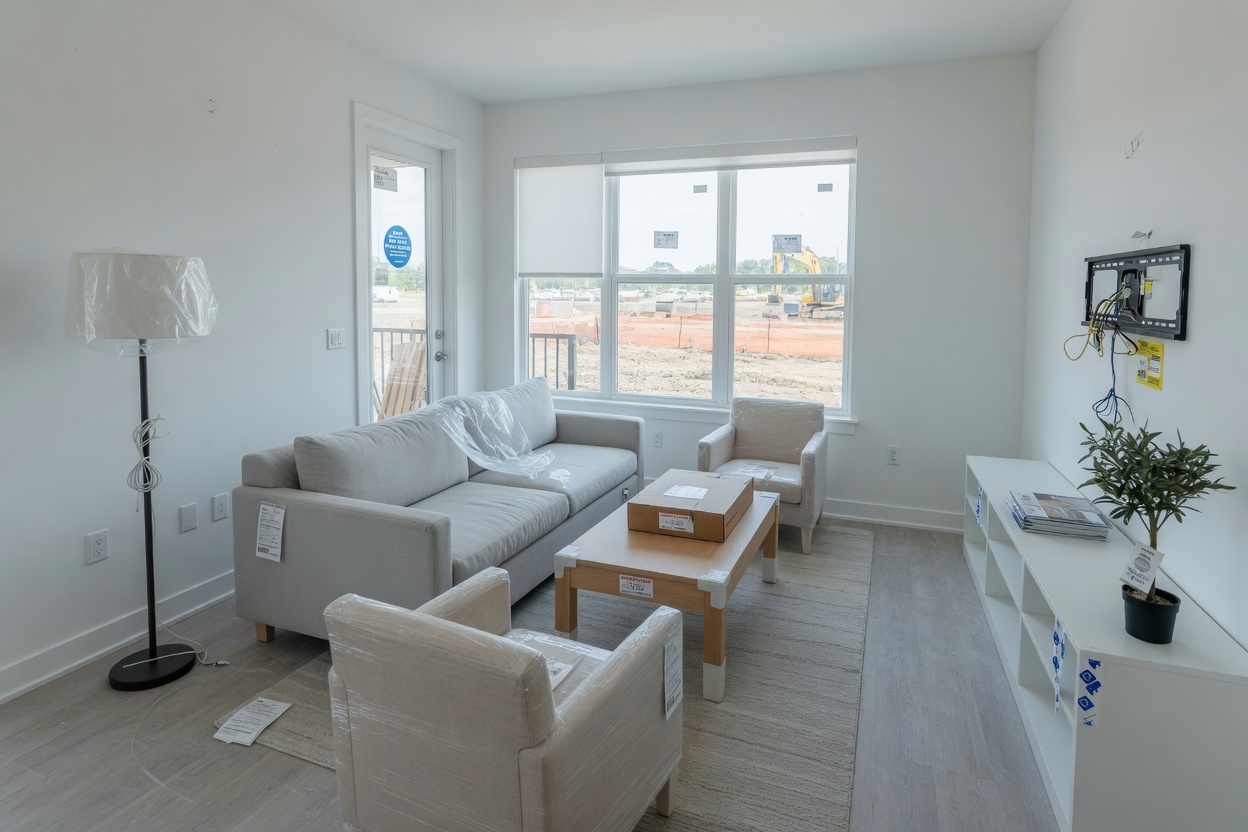
A newly opened listing is not a finished product; it is a hypothesis. The photos, the about section, the house rules, and the price were all written before a single real guest walked through the door, which means every one of them is a guess about what the stay actually is. The first ten or fifteen stays are the test of that guess, and the questions those guests ask - the ones they message about, the ones that show up as a hesitant line in a review - are the most honest feedback the listing will ever get, because it's coming from people with no stake in being polite about a business relationship.
This page is about what to do with that feedback before scaling anything: adding new booking channels, running ads, or pushing hard on direct bookings. It does not guess at an occupancy target, an ADR lift, or a timeline for how long stabilization should take for any specific house, because those numbers depend on a market and a property this page has no data for. What it offers is a sequence: listen to the first stays, fix what they reveal, and treat channel expansion as something that comes after, not alongside. This is not legal advice.
The First Ten Stays Are Your Real Beta Test
Every question a guest asks that isn't answered on the listing is a listing bug, in the same sense a software company would use the word. The guest who messages to ask where to park is telling you the parking instructions aren't clear enough to find without asking. The guest who mentions in a review that the house was colder than expected at night is telling you the climate-control section needs a sentence it doesn't have. None of these are personal failings; they are exactly the kind of information a business only gets by actually operating, and the first stays produce more of it, more honestly, than any amount of pre-launch planning could.
The discipline here is to actually log these questions as they come in rather than answering them one-off in a message thread and moving on. A running list - even a scrap of paper by the door - of what guests have asked in the first month becomes the most accurate stabilization checklist a new host could write, because it's built entirely from what real strangers actually needed to know, not from what the host assumed they'd need to know.
Fix Before You Scale, Not Alongside It
The instinct after opening is often to move fast on distribution - list on every platform available, run a launch promotion, push hard for early reviews - because momentum feels like the thing that matters most in the first weeks. But if the listing is still generating the same guest question over and over, adding more channels just means more strangers hitting the same unclear line, at a larger volume, before it's been fixed.
A parking instruction that confuses one guest a week confuses three or four a week once a second OTA and a direct-booking push are both live. The problem doesn't get diluted by more volume; it gets amplified, because now more guests are experiencing the same friction, and more of them are leaving reviews that mention it. Fixing the cited line first, then adding the channel, produces a smaller, calmer version of the same growth without multiplying an unresolved problem across it.
This doesn't mean sitting on a single platform indefinitely out of caution. It means treating the sequence as fix-then-scale rather than scale-and-hope-to-fix-later, because the second approach turns every channel addition into a bet that the listing was already right, which early stays have usually just proven it wasn't, at least in some small way.
What Actually Belongs in a Launch Promotion
A discount or launch promotion can be a legitimate way to build early reviews and occupancy, but it works only when it's promising something the house can genuinely deliver. A promotion that leans on language the listing itself doesn't support - "resort-style," "luxury," amenities that are aspirational rather than current - sets up the exact disappointment that a stabilization period is supposed to be catching and fixing.
The safer version of a launch promotion is a price incentive tied to accurate expectations: a lower rate for the first several bookings, explicitly framed as an opening special, with the listing description doing no more promising than the house can back up on arrival. Guests who book a fairly priced, accurately described new listing tend to be forgiving of small early rough edges. Guests who book an oversold listing at full price are not, and they say so in the review that every future guest reads first.
If a promotion is pulling in bookings that then generate the same complaint repeatedly, that's a signal to pause the promotion and fix the underlying line, not to run a bigger promotion to outrun the complaints with volume.
Knowing When Stabilization Is Actually Done
There's no fixed day count that marks the end of stabilization, because it depends entirely on how quickly the first cited issues get fixed and stop reappearing. The signal that actually matters is this: are the questions coming in from new guests different from the ones the first stays raised, or are they the same questions, just from different people? Repetition of the same question across multiple, unrelated guests means something on the listing is still unclear, no matter how many total stays have happened.
A reasonable working test is to track whether the last several stays produced any new accuracy-related question at all, as opposed to a preference or a request that isn't really about the listing being wrong. Once a run of stays passes without a repeat of an old complaint or the arrival of a new one, that's a fair signal the core listing has caught up to reality, and channel scale becomes a much lower-risk decision than it was during the first weeks.
It's worth being honest that stabilization can resurface later too - a change in the property, a new amenity, a neighbor's construction project - can reopen the same kind of question-gathering process the first stays did. Treating stabilization as a discipline you return to rather than a phase you graduate from permanently keeps the listing accurate as things change, instead of assuming the work is done once and stays done.
What This Page Will Not Promise
This page does not estimate how many days or stays stabilization should take, what occupancy rate a stabilized listing should reach, or what ADR lift follows fixing early complaints, because none of those numbers can be honestly generalized across markets and property types from the material behind this page. Any specific figure a host has seen for their own market belongs to that market, not to this page as a general rule.
It also does not address local permitting, licensing, or occupancy-tax questions that a newly opened listing may need to resolve - those questions belong with the relevant local authority or a qualified professional, and this is not legal advice. A listing can be operationally stabilized in the sense this page describes while still having open compliance questions that need separate attention.
Related Reading
More independent-host reading on honest listing copy, distribution, and when hiring help is worth it.
Frequently Asked Questions
What counts as the stabilization period for a new listing?
The stretch after opening during which the first real guest stays reveal what the listing description, photos, and house rules still get wrong. It isn't a fixed number of days - it's the period during which guest questions are teaching you something new about the listing rather than repeating something you've already fixed.
Why shouldn't I add new booking channels right after opening?
Because any unclear line on the listing - a confusing parking instruction, an outdated photo - gets hit by more guests once more channels are live, which multiplies the friction instead of diluting it. Fixing the line the first stays cite, then adding the channel, avoids turning one small problem into several review-worthy ones.
How do I know what to fix first after opening?
Keep a running log of every question guests actually ask that wasn't already answered on the listing - even something as simple as a note by the door. The questions that repeat across multiple, unrelated guests are the highest-priority fixes, because they're evidence of a real gap rather than one guest's unusual situation.
Is a launch discount or promotion a good idea?
It can be, but only if the listing description isn't promising more than the house delivers - a fair price on an accurately described new listing earns patience for small early rough edges. An aggressive promotion layered on oversold language just accelerates the same disappointment a stabilization period is supposed to catch.
How do I know when stabilization is actually finished?
Watch whether new guest questions are genuinely new, or the same ones that came up in the first stays. A run of bookings that produces no repeat of an old complaint and no new accuracy question is a reasonable signal the listing has caught up to reality, more reliable than any fixed day count.
Can a listing become unstable again after it's settled?
Yes - a property change, a new amenity, or something like nearby construction can reopen the same kind of question-gathering process the first stays required. Treating stabilization as a discipline to return to when something changes, rather than a one-time phase, keeps the listing accurate over time.
Should I pause guest replies to focus on fixing the listing?
No. Inbox coverage and listing fixes aren't competing priorities - the questions coming through the inbox are exactly the information you need to know what to fix, and a slow reply during stabilization creates a second, avoidable problem on top of whatever the listing already got wrong.
What should I avoid doing with reviews during this period?
Avoid treating a review that mentions a fixable issue as something to argue with or explain away publicly. It's more useful to treat it as confirmation of what needs fixing, then let the next guest's experience - and their review - show that the issue has actually been resolved.
Does this page tell me what occupancy or ADR I should expect while stabilizing?
No. This page doesn't estimate occupancy targets, ADR lifts, or a specific stabilization timeline for any market, because that depends on data specific to a property and location that isn't available here - treat any such figure you've seen elsewhere as belonging to that market, not a general rule.
What about permits or occupancy tax during the stabilization period?
Those are separate from the operational stabilization this page describes, and this is not legal advice - confirm permitting, licensing, and tax obligations with the relevant local authority or a qualified professional rather than assuming a smooth first month means those questions are settled.
Work with Crest & Cove Creative
The first stays after opening are the most honest feedback your listing will ever get, and scaling channels before you act on it just multiplies whatever the listing still gets wrong. Fix the cited line first, then add distribution.
We help newly opened listings work through the first months methodically - logging what real guests actually ask, fixing the lines that keep coming up, and deciding when it's genuinely time to add channels or push harder on direct bookings. Send us your listing and the questions your first stays have raised, and we'll help you sort what needs fixing from what's just noise.
Reach out at crestcove.co or (256) 998-7502.


Comments