
Stowe's 850-License Cap: What the July 22 Ordinance Actually Freezes

Updated: Aug 27
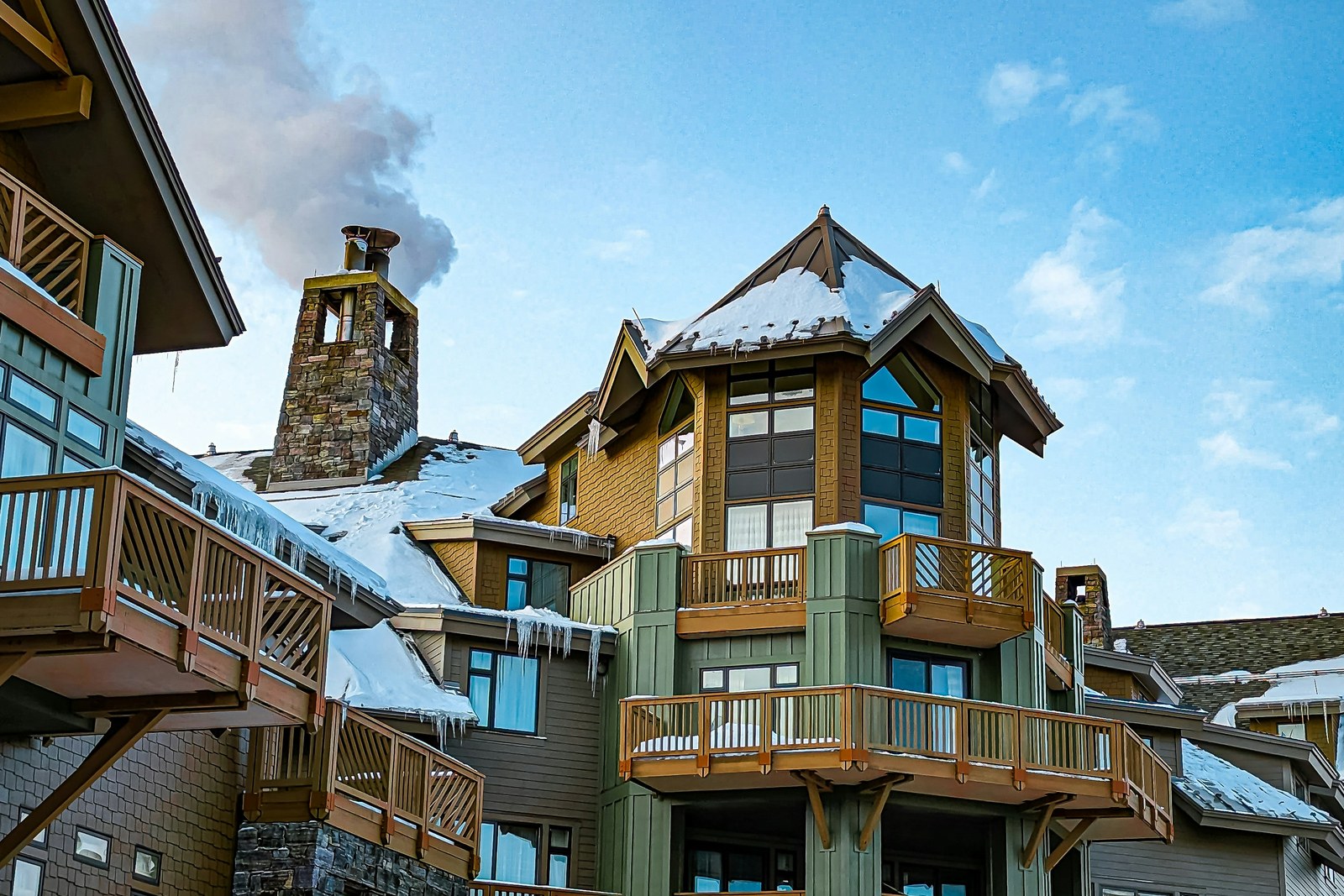
Stowe's July 22 ordinance put a hard number on something that used to be open-ended: the town will license no more than 850 active short-term rentals, effective September 15. That single number reshapes a handful of decisions hosts and buyers were previously free to make on their own timeline — when to renew, whether a license transfers with a sale, and what happens to a homestead property with more than one rentable unit.
The file behind this ordinance also carries Stowe's operating numbers: an AirROI typical year of $55,306, a $555 average daily rate, 37.9 percent occupancy, and $4,609 a month across 890 competing listings. Those figures explain why 850 licenses is a meaningful ceiling rather than an arbitrary one — Stowe's short-term rental market is dense and profitable enough that a hard cap changes who can enter it and when.
This piece walks through what 850 actually means on September 15, what renewals after January 1, 2027 look like, how the twenty-license lottery works, why a sale doesn't carry the license, what a homestead license covers, the operational requirements that come with any Stowe license, the tax stack layered on top of it, and exactly what happens if a renewal deadline gets missed. This is not legal advice.
What 850 means on September 15
As of September 15, Stowe will not issue new short-term rental licenses beyond a total of 850 active ones. That's the cap, full stop — not a target, not a soft guideline, a hard ceiling written into the ordinance adopted July 22. Once the town is at 850, a new applicant cannot simply file paperwork and get a license the way they could before the ordinance took effect.
What comes after 850 is either attrition — an existing license lapsing, getting revoked, or otherwise leaving the pool, opening a single slot — or a periodic lottery for a fixed batch of new licenses. New supply into Stowe's short-term rental market now runs through one of those two doors, not open enrollment.
Renewals after January 1, 2027 still sit above the cap
A detail worth sitting with: renewals filed after January 1, 2027 don't automatically drop below wherever the town's count stands relative to 850. An existing licensee renewing on time keeps their spot — the cap governs new entries into the pool, not the renewal of a license that's already active and in good standing. The risk isn't in renewing; it's in what happens if a renewal lapses and the town is still sitting at or above 850 when a host tries to reinstate it.
This is why the ordinance treats an on-time renewal and a lapsed one so differently. A current license renewed before it expires stays part of the 850, unaffected by whether the town happens to be exactly at the cap that month. A license that lapses has to re-enter through attrition or the lottery, competing with everyone else waiting for a slot.
The lottery is twenty licenses, not leftover twenty-five
When new licenses do open up through the lottery mechanism, the batch size is twenty — a fixed number set by the ordinance, not a rolling count of whatever happens to be left over from attrition in a given year. Anyone treating an older figure of twenty-five leftover licenses as still current is working from an outdated read of the ordinance; the file behind this piece confirms twenty as the lottery batch.
A lottery win also isn't a closing condition a buyer can pencil into a purchase timeline with any certainty. It's a chance to enter a fixed pool of twenty new licenses whenever the town runs the process, not a guaranteed date a deal can be structured around.
Because the batch size is fixed rather than variable, the odds of winning a given lottery cycle depend heavily on how many applicants enter that specific round, a figure that can shift from one cycle to the next. Treating a past lottery's odds as predictive of the next one is another version of the same mistake as treating a stale twenty-five-license figure as current.
Arms-length sales do not carry the license
A Stowe short-term rental license is non-transferable. Selling the underlying property in an arms-length transaction does not hand the buyer the seller's existing license — the new owner has to apply as if starting from zero, subject to whatever the cap situation is at the time of the sale. If the town is at 850 when the sale closes, the buyer is waiting on attrition or the next lottery just like anyone else.
This changes the math on buying a Stowe short-term rental as a going concern. A buyer isn't purchasing a license along with the house; they're purchasing a house and then separately competing for the right to operate it as a rental, under whatever rules and cap status exist at the time they apply. Underwriting a purchase around the assumption that the license comes with the deed is a mistake this ordinance makes explicit.
Homestead is two units on the house you live in
A homestead license applies specifically to an owner's primary residence in the Town of Stowe, and it allows licensing up to two dwelling units on that property, each needing its own license. Critically, these homestead licenses can issue even when the town's overall count is above 850 — they sit outside the general cap because they're tied to owner-occupancy rather than investment supply.
That carve-out comes with its own condition: if the owner stops using the property as their homestead, they're required to give seven days' notice, and the town revokes the license at that point. A homestead license isn't a permanent exemption from the cap that survives a change in how the property is actually used — it's tied specifically to the owner living there.
Forty-five minutes, a KnoxBox, and the $100 fee
Any active Stowe license, cap or no cap, comes with operational requirements that don't disappear once a host has secured a slot. The ordinance requires a 45-minute in-person response window for a designated responsible person, a KnoxBox installed for emergency access, and a $100 fee attached to the license process.
These requirements apply regardless of whether the license was obtained through the general pool, the lottery, or the homestead carve-out. Winning a lottery slot or qualifying for homestead status doesn't relax the 45-minute response requirement or waive the KnoxBox — the operational rules sit on top of whichever path got a host their license in the first place.
Vermont's 9 percent, 3 percent, and Stowe's 1 percent
The tax stack layered on top of a Stowe short-term rental license reads 9 percent, 3 percent, and 1 percent — a combination of state and local rates that apply to rental income. This stack sits independently of the license cap itself; it's a revenue obligation that applies whether a host got in before the cap, through the lottery, or via a homestead license.
A DSCR or underwriting file built around a Stowe property should open with the $4,609 monthly figure this file documents, not a stale or unrelated dollar figure pulled from a different context. Getting the tax stack and the actual monthly revenue figure both correct in the same file matters more once a cap makes the license itself a scarcer, more valuable asset.
What happens if you miss the April 30 deadline
The ordinance sets April 30, 2027 as a renewal deadline, and missing it carries a specific consequence: the right to rent stops until a new registration is approved, subject to the cap. This file does not establish a grace period beyond that sentence, and hosts shouldn't assume one exists just because it would be convenient — a silent lapse is not the same thing as a renewal that simply arrived a little late.
If the town is still at or over 850 when a lapsed license holder tries to re-register, a new registration may not be available at all, leaving that host waiting on attrition or the next lottery cycle just like a brand-new applicant. The safest posture is renewing while the current license is still valid, well before the April 30, 2027 date, rather than treating the deadline as a soft target.
A calendar reminder set well ahead of April 30, 2027 — not the week of, but weeks or months earlier — gives a host time to resolve any paperwork issue that turns up in the renewal process itself. A renewal submitted at the last possible moment leaves no buffer if a document is missing or a form needs correction, and under this ordinance that kind of delay carries a real consequence rather than a minor inconvenience.
A worked example: buying a Stowe property assuming the license comes with it
Consider a buyer who negotiates a purchase price for a Stowe short-term rental partly based on its current rental income, assuming the existing license transfers at closing the way a homeowner's insurance policy sometimes does. On the day of closing, that assumption turns out to be wrong: the license is non-transferable, and the buyer now has to apply as a new entrant, subject to whatever the cap situation happens to be that month.
If the town is sitting at or near 850 when that application goes in, the buyer could be facing a real wait — months of attrition, or an unpredictable lottery cycle — before the property can legally operate as a short-term rental at all. That gap between closing and getting a license changes the property's actual near-term cash flow in a way the purchase price never accounted for, because the deal was priced as if the license were part of the real estate rather than a separate, non-transferable permission.
Why the homestead carve-out gets misread as a loophole
Because homestead licenses can issue even when the town's overall count sits above 850, it's tempting to read the carve-out as a way around the cap entirely — buy a property, claim it as a primary residence, and pick up two licensed units regardless of where the general pool stands. The ordinance closes that door with the seven-day notice and revocation requirement: the moment the property stops functioning as the owner's actual residence, the license is gone.
That makes the homestead path genuinely useful only for someone actually planning to live in the property while renting the second unit, not a workaround for an investor trying to avoid the general cap's wait. Treating it as a loophole rather than a residency-conditioned exception is the kind of misread that leads to a revoked license down the line, once the actual living arrangement doesn't match what was claimed at application.
Anyone considering a homestead license as part of a purchase decision should plan around the seven-day notice requirement as a real, binding condition rather than a formality — it means the license is only as durable as the owner's actual residency, and a future decision to move out carries an immediate licensing consequence, not a gradual one.
Why a cap changes the value of an existing license itself
Before the cap, an active Stowe short-term rental license was a permission that ran alongside a property, valuable mainly for what it let a host do with the house. After the cap, an existing license carries a scarcity value of its own, separate from the property it's attached to — because a buyer without one now faces a real, uncertain wait to get one through attrition or the lottery, while a seller with a license in good standing is offering something that can't simply be recreated on demand.
That shift is worth naming explicitly in any conversation about a Stowe property's value, because it changes what's actually being negotiated. A property with an active, renewed license and a property without one, even if otherwise identical, are not equivalent assets anymore under this ordinance — the license itself, non-transferable as it is, has become part of what makes the operating property valuable, even though it can't legally follow the deed to a new owner.
Work with Crest & Cove Creative
If you're trying to read the 850-cap ordinance against your own parcel — whether you're renewing, buying a property with an existing license, or weighing a homestead application — send us the July 22 ordinance and your specific situation. We'll walk it against your parcel rather than a leftover note about a twenty-five-license lottery that no longer matches the current text.
Reach out at crestcove.co or call (256) 998-7502 — we'll help you get the renewal date, the transfer rules, and the tax stack right before they end up in a purchase or refinance file.
Related Reading
More Stowe, Vermont reading already live on Crest & Cove.
Frequently Asked Questions
What does Stowe's 850-license cap actually limit?
It caps the total number of active short-term rental licenses the town will issue at 850, effective September 15. Once the town reaches that number, new licenses only become available through attrition — an existing license leaving the pool — or a periodic lottery, not through open, ongoing applications.
Does renewing my license after January 1, 2027 put me at risk of losing my spot under the cap?
Not if you renew on time. The cap governs new entries into the licensed pool, not the renewal of a license already active and in good standing. The real risk is a lapsed renewal, which does require re-entering through attrition or the lottery, especially if the town is at or above 850 at that point.
How many licenses does Stowe's lottery release at a time?
Twenty. That figure is set by the current ordinance and should be treated as the operative number rather than an older, leftover figure of twenty-five that no longer reflects the current text.
Does buying a Stowe short-term rental property come with the seller's existing license?
No. Stowe licenses are non-transferable, so an arms-length sale does not hand the license to the new owner. The buyer has to apply separately, subject to whatever the cap situation is at the time, which may mean waiting on attrition or the next lottery cycle.
What is a homestead license and how many units does it cover?
A homestead license applies to an owner's primary residence in Stowe and covers up to two dwelling units on that property, each requiring its own license. These can be issued even when the town's overall count is above the 850 cap, since they're tied to owner-occupancy rather than general investment supply.
What happens to a homestead license if the owner stops living there?
The owner is required to give seven days' notice, and the town revokes the license at that point. A homestead license is conditioned on the property actually functioning as the owner's residence, not a permanent exemption that survives a change in how the property is used.
What operational requirements come with any Stowe short-term rental license?
A 45-minute in-person response window for a designated responsible person, a KnoxBox for emergency access, and a $100 fee. These apply regardless of whether the license came through the general pool, the lottery, or the homestead carve-out.
What is Stowe's tax stack for short-term rental income?
This file documents a combined rate of 9 percent, 3 percent, and 1 percent across state and local layers. That obligation applies independently of how a host obtained their license, whether through the general cap pool, the lottery, or a homestead application.
What happens if I miss the April 30, 2027 renewal deadline?
The right to rent stops until a new registration is approved, subject to the cap. This file documents no grace period beyond that consequence, and if the town is still at or above 850 when you try to re-register, a new registration may not be available, leaving you waiting on attrition or the next lottery like a new applicant.
What monthly revenue figure should I use in a DSCR or underwriting file for a Stowe property?
This file documents $4,609 a month as part of the same AirROI pull that names $55,306 as a typical year, a $555 average daily rate, and 37.9 percent occupancy across 890 listings. Use that figure rather than an older or unrelated dollar amount that isn't tied to the same documented pull.
Can I confirm the details of the 850-license ordinance before I underwrite a purchase around it?
Yes — send us the July 22 ordinance text along with your specific parcel and situation, and we'll walk through what actually applies to renewal timing, transfer rules, and the homestead carve-out rather than relying on an outdated summary. Reach out at crestcove.co or call (256) 998-7502.
Work with Crest & Cove Creative
The ordinance is four months old and a lot of the summaries circulating about it are already stale — twenty-five leftover licenses instead of twenty, a soft grace period that doesn't exist. Here's what the July 22 text actually says.
Send us the ordinance and your parcel's specific situation before you underwrite a renewal, a purchase, or a homestead application around it. Reach out at crestcove.co or call (256) 998-7502. Send the live listing draft and the facts you can actually cite.
Reach out at crestcove.co or (256) 998-7502.


Comments