
The Gatlinburg and Pigeon Forge Moonshine Trail: A Host's Guide to the Smokies' Real Draw

Updated: Oct 23
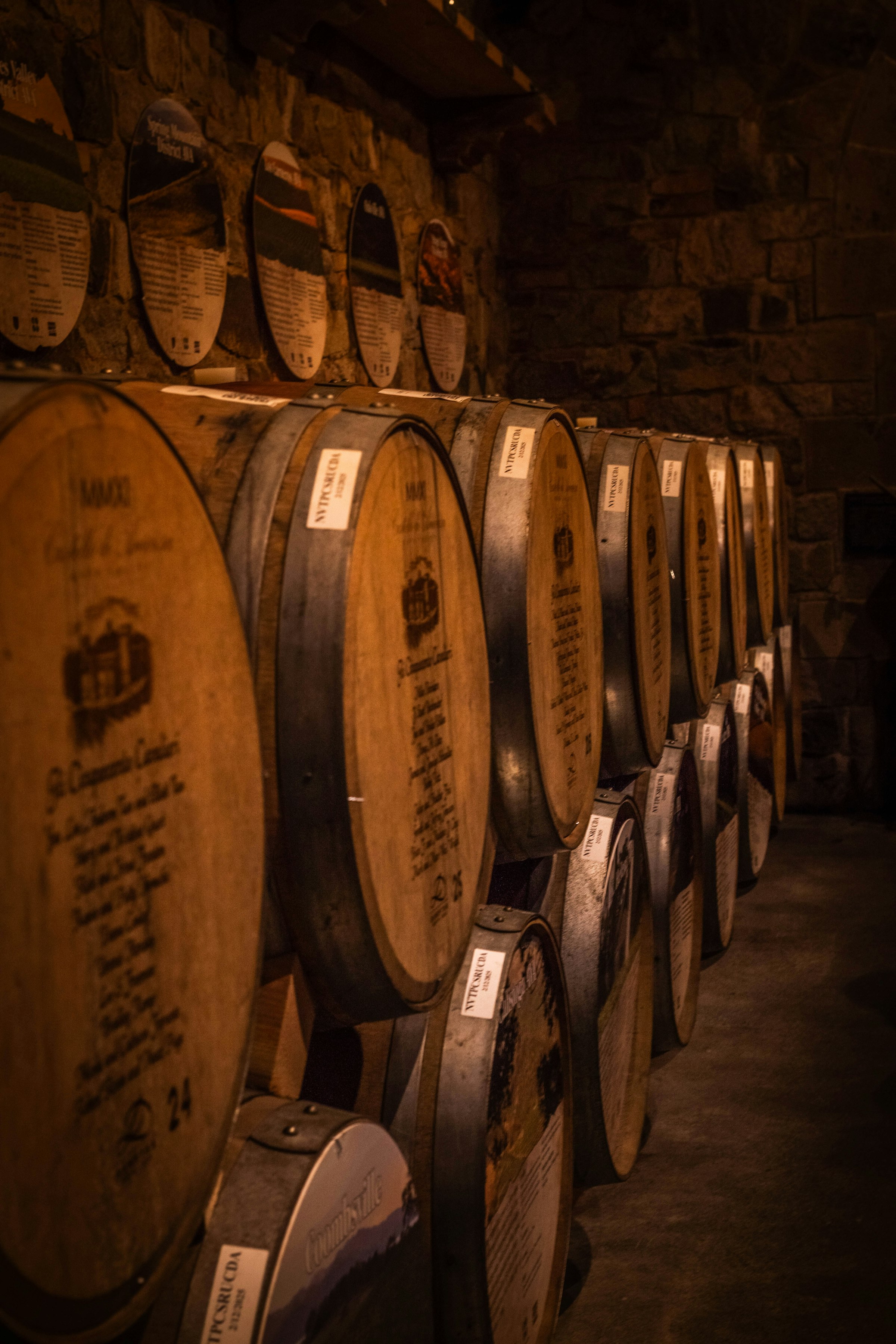
Ask a Gatlinburg guest what they actually want to do downtown, and “craft brewery crawl” rarely comes up. What comes up is moonshine — Ole Smoky, Sugarlands, the tasting rooms lined up along the Parkway within walking distance of each other. That's not incidental. Gatlinburg's real drink-scene identity is whiskey and moonshine, tied to the region's actual prohibition-era history, and it's one of the few things in this market that's genuinely walkable rather than a driving errand.
This guide is for hosts who run one to three cabins in Gatlinburg, Pigeon Forge, or Sevierville and want to describe this scene accurately — not as a ranked “best of” list, but as a real, named, verifiable part of what guests are already searching for. Every business named here was checked for current operating status as part of writing this piece, using official tourism sources and each distillery's own information rather than a single aggregator's top-ten list; hours and lineups still change seasonally, so confirm specifics before a guest heads out the door.
None of what follows is a ranking. There's no review methodology behind this site, no star system, and no claim that one distillery is “better” than another — just a description of what's actually there, where it is, and what a guest needs to know before they go. The distilleries below were confirmed operating as of this writing, named here as real examples of what's on the strip — not ranked against each other, and not described with words like “best” or “top,” since this site doesn't run a review methodology that would back that kind of claim.
It's also worth understanding why this scene exists at all before naming individual businesses. East Tennessee's mountain counties, including Sevier County, were historically hard places to move a legal, taxed product to market — the terrain made hauling corn to a distant mill or paying federal liquor tax on the finished product impractical for a lot of small farmers, and home-distilled corn whiskey filled that gap for generations before Tennessee began licensing modern moonshine producers. Today's tasting rooms are commercial, licensed, and squarely legal, but the branding and the product itself trace back to that real, specific regional history rather than a generic “mountain town” theme applied after the fact.
How This Guide Was Checked
Every business named in this guide was checked against multiple current sources — the businesses' own sites and listings, and regional tourism sources like Visit Gatlinburg, Visit My Smokies, and the official Tennessee Whiskey Trail site — rather than pulled from memory or lifted from a single ranked aggregator. That check confirmed a genuine rebrand (Doc Collier to Tennessee Shine Co.) that a lot of older content on the web still hasn't caught up to. It's an useful reminder for hosts, too: a welcome guide written once and never revisited is exactly how a rebrand or closure ends up sitting uncorrected in a guest-facing document for years.
Why This Is a Whiskey and Moonshine Scene, Not a Beer Scene
Gatlinburg does have a couple of beer options scattered around town, but they aren't what defines the destination, and treating them as the headline undersells what guests are actually coming for. What defines Gatlinburg's drink scene is legal, licensed white whiskey and aged whiskey production, built on top of a real regional history of moonshining along the Tennessee–North Carolina border in the Smokies. The distilleries lean into that history directly in their branding, their tasting-room decor, and the products themselves, which are built around moonshine and whiskey, not hops or IPAs.
A listing description or welcome guide that calls this a “brewery trail” or a “beer crawl” is naming the wrong attraction. A guest who booked specifically to walk the moonshine tasting rooms and instead reads about craft beer in their welcome packet will notice the mismatch immediately, and it reads as a host who doesn't actually know the area — the opposite of what a welcome guide is supposed to accomplish.
That distinction matters for search, too, not just for the guest experience once they've booked. Guests type specific terms into Google or into an AI search assistant — “moonshine tasting Gatlinburg,” “Smoky Mountain distillery,” “Tennessee whiskey trail” — not generic ones like “Gatlinburg nightlife.” A listing, blog post, or welcome guide that uses the accurate, specific vocabulary is more likely to match what a guest actually searched for than one that defaults to a vaguer, more generic framing that happens to be technically wrong.
The Parkway Distillery Cluster: Walkable, Named, Real
Downtown Gatlinburg's Parkway is a genuinely walkable tourist strip in a way most Smoky Mountain towns simply aren't — a dense corridor of shops, restaurants, and tasting rooms where a guest can park once and cover the core distilleries on foot over the course of an afternoon. That's a real, describable advantage worth naming specifically in a listing, distinct from the driving-heavy overlooks and trailheads covered inour companion guide to Gatlinburg's national park overlooks and attractions. The distilleries below were confirmed operating as of this writing, named here as real examples of what's on the strip — not ranked against each other, and not described with words like “best” or “top,” since this site doesn't run a review methodology that would back that kind of claim.
What ties the cluster together isn't just proximity — it's that each stop offers the same basic format: a free walk-in tasting room, a retail shop selling bottles and merchandise, and no reservation required for a quick visit. That consistency is part of what makes the strip work as a self-guided experience rather than something guests need to plan around a tour schedule.
Ole Smoky Moonshine — The Holler and The Barrelhouse
Ole Smoky operates two tasting locations on the Gatlinburg Parkway: The Holler, right in the heart of downtown, and The Barrelhouse, a short walk further down the strip. Both carry the full moonshine lineup plus seasonal flavors, offer free tastings, and lean into a front-porch, live-music atmosphere — The Holler's rocking-chair porch, with musicians playing through the day, is a recognizable fixture of the downtown block and shows up in a lot of guest photos independent of any marketing push.
Typical hours run late morning into the evening, seven days a week, though exact opening and closing times shift by season and by day of the week. That variability is normal for a tourist-strip business and isn't a reason to avoid mentioning it — it's a reason to phrase it as “generally open daily, hours vary” rather than committing a guest to a specific closing time that might be wrong by the time they read it.
Because Ole Smoky is the largest and most visually recognizable name on the strip, it's also the one guests are most likely to have already heard of before they book — which makes it a natural anchor point in directions rather than the whole story. Telling a guest “start at Ole Smoky and walk the block from there” is more useful than a bare address, because it uses a landmark they may already recognize.
Sugarlands Distilling Company
A few doors down the Parkway from Ole Smoky, Sugarlands Distilling Company runs its own tasting room and gift shop, producing moonshine and Tennessee whiskey under the Sugarlands name. Like its neighbors, it offers complimentary tastings in a walk-in tasting room, with hours that vary by day of the week and by season — generally shorter on weekdays and longer on weekends. It's one more stop that fits naturally into the same on-foot loop as Ole Smoky, without requiring guests to move a car or plan a separate outing.
Sugarlands has also built a reputation around collaborations and specialty releases beyond the core moonshine lineup, which is worth a mention for guests who are already whiskey-curious rather than trying it for the first time — but again, that's a factual note about product range, not a claim about which distillery is better. The tasting room format is similar enough to Ole Smoky's that a guest doing both in the same afternoon will notice the family resemblance in pacing and presentation, even with different branding.
Tennessee Shine Co. (Formerly Doc Collier Moonshine Distillery)
The business long known as Doc Collier Moonshine Distillery has rebranded to Tennessee Shine Co., with its original downtown Gatlinburg location commonly described as sitting at stoplight #3 on the Parkway — Gatlinburg's own numbered-traffic-light wayfinding system, which locals use in place of street addresses for a lot of downtown businesses. Tennessee Shine Co. now operates multiple locations across Gatlinburg, Pigeon Forge, Wears Valley, and Sevierville, continuing the same free-tasting, walk-in format the original Doc Collier location was known for.
Because the rebrand is recent enough that some directories and review sites still list the old “Doc Collier” name as closed, it's worth double-checking current signage, name, and hours before repeating either name in guest-facing material. This is a good example of exactly the kind of stale-detail trap a host can fall into by copying an old blog post or a directory listing without a fresh check — the underlying business is still there, but the name on the door has changed, and a guest following outdated directions could genuinely end up confused about whether the stop still exists.
Beyond Gatlinburg: The Pigeon Forge and Sevierville Presence
For hosts whose properties sit closer to Pigeon Forge or Sevierville than downtown Gatlinburg, the relevant name is Junction 35 Spirits. It runs a working distillery built into a full-service restaurant at the Mountain Mile development in Pigeon Forge, with a second combined distillery-and-restaurant location at the Tanger Outlets in Sevierville. Rather than a quick tasting-room stop, it's structured as a sit-down meal alongside an active still producing vodka, gin, rum, whiskey, and moonshine — a genuinely different kind of experience from the walk-in Parkway cluster, built around dinner rather than a fifteen-minute tasting.
That makes Junction 35 an useful, specific answer for a Pigeon Forge or Sevierville host whose guests aren't necessarily planning a dedicated Gatlinburg trip — it's a way to mention the same whiskey-and-moonshine identity without sending every guest twenty minutes down the road toward downtown Gatlinburg. It's a distillery experience close to home rather than a Gatlinburg-only draw, and it pairs naturally with a dinner recommendation rather than an afternoon-stroll recommendation, which is a different kind of guest suggestion than the Parkway cluster calls for.
The Tennessee Whiskey Trail and “Moonshine Mayhem”
The Tennessee Whiskey Trail is a real, official statewide trail run through the state's own tourism apparatus, and within it sits a themed destination called “Moonshine Mayhem” — a roughly 15-mile stretch of white-whiskey distilleries along Highway 66 in Sevier County, starting near Kodak at Interstate 40 and running through to Gatlinburg. The Gatlinburg end of that official route is exactly the Parkway cluster described above; the trail effectively links the smaller distilleries along Highway 66 to the larger, better-known names once it reaches town.
Sevier County — the county that contains Gatlinburg, Pigeon Forge, and Sevierville — is frequently cited as having more annual distillery visits than anywhere else in the country. That's less a marketing claim than a description of how central this scene already is to why people come to the area in the first place, alongside the national park itself. Framing the moonshine trail as a minor add-on undersells how many guests are already planning around it before they ever book a cabin.
This matters for hosts because it means the moonshine and whiskey scene isn't a niche curiosity — it's one of the primary reasons a meaningful share of guests book a Gatlinburg-area cabin at all. Naming it accurately, with real business names attached, gives a listing or welcome guide more credibility than a vague mention of “downtown shops and attractions” ever will.
For a guest planning a longer stay, the full “Moonshine Mayhem” stretch along Highway 66 offers more stops than the Parkway alone — smaller, lesser-known distilleries between Kodak and Gatlinburg that don't have the name recognition of Ole Smoky or Sugarlands but are part of the same official trail. That's a genuinely different day trip than the walkable Parkway loop, requiring a car and a full afternoon rather than a stroll, and it's worth distinguishing the two clearly in a welcome guide so a guest with only a couple of hours doesn't set out expecting to cover ground meant for a full day.
When to Go: Crowds, Seasons, and Foot Traffic
The Parkway cluster gets genuinely crowded during peak leaf season in October and around major summer holiday weekends, when foot traffic on the sidewalk itself can slow to a crawl and tasting-room lines stretch out the door. A host can set realistic expectations by suggesting guests visit earlier in the day — late morning, right after the distilleries open — rather than the early evening window when the whole strip fills up at once. That single piece of timing advice does more for a guest's actual experience than any amount of describing which distillery to visit first.
Winter and early spring bring a different rhythm: shorter operating hours, thinner crowds, and a much easier walk down the Parkway, though a handful of businesses in town do trim their schedules in the slowest weeks of January and February. None of that changes which businesses are on the strip — it changes how comfortable the visit is, which is exactly the kind of seasonal nuance that belongs in a house manual rather than a static listing description that has to work year-round.
What Guests Actually Want to Know Before They Go
Guests researching this scene tend to arrive with a short, practical list of questions, and a house manual or welcome guide that answers them directly ahead of time saves back-and-forth messages once the stay is underway. This guide is for hosts who run one to three cabins in Gatlinburg, Pigeon Forge, or Sevierville and want to describe this scene accurately — not as a ranked “best of” list, but as a real, named, verifiable part of what guests are already searching for.
Cost and What's Included
Tastings across the Parkway cluster are mostly free, occasionally structured as a small coupon or flight fee rather than an open pour. Nothing about the tasting-room format requires a reservation or a ticket purchase in advance, which is part of why it works so well as a self-guided, walk-up activity rather than something a guest needs to book ahead of arrival. Bottles and merchandise are, naturally, for sale — the tastings function as a sampling-before-buying model, not a paid experience in themselves.
Families and Age Requirements
Tasting rooms are open to all ages to browse, shop, and watch — this isn't a bar guests need to leave kids out of. But every distillery on the strip requires guests to be 21 or older with valid photo ID to actually sample the products, a rule that's consistently enforced given the licensing involved. That's an useful, concrete detail for a family traveling with older teenagers who might otherwise expect to try a sample alongside the adults in their group.
Walking, Driving, and Parking
The core downtown Parkway cluster — Ole Smoky's two locations, Sugarlands, and Tennessee Shine Co. — is coverable on foot from a single central parking spot, which is the single most useful piece of logistics advice a host can pass along. Junction 35 in Pigeon Forge and Sevierville is a separate drive, not part of the same walking loop, and shouldn't be grouped into the same afternoon plan without factoring in the drive time. Downtown Gatlinburg parking itself is limited and often paid during peak season, so the practical move is parking once in a central lot or garage and walking the strip end to end rather than trying to move a car between stops and re-park repeatedly.
None of that requires a ranked recommendation or a star rating — it requires accurate, specific, current information a guest can actually act on, which is exactly what a house manual is for and exactly what a generic “things to do nearby” page usually fails to provide. Guests type specific terms into Google or into an AI search assistant — “moonshine tasting Gatlinburg,” “Smoky Mountain distillery,” “Tennessee whiskey trail” — not generic ones like “Gatlinburg nightlife.” A listing, blog post, or welcome guide that uses the accurate, specific vocabulary is more likely to match what a guest actually searched for than one that defaults to a vaguer, more generic framing that happens to be technically wrong.
What to Put in the Listing Versus the House Manual
The listing description is the place for one specific, verifiable line: that the property sits within walking distance of, or a short drive from, Gatlinburg's Parkway moonshine and whiskey district — naming it as a real, searchable district rather than a generic “downtown nearby” claim. That's the same specificity argument covered inour guide to standing out in Gatlinburg's saturated cabin market: a listing that names the actual place reads as written by someone who knows the area, competing against roughly 15,000 nearly identical listings in the same corridor. Generic language loses that comparison every time.
The house manual is where the operational detail belongs, and it's worth writing out in full rather than an one-line mention: the 21-and-up ID rule for tastings, the note that Tennessee Shine Co. was formerly branded as Doc Collier (so guests searching the old name aren't confused by “closed” listings they find online), the Parkway's stoplight-number wayfinding system alongside street addresses, realistic guidance on parking during summer and fall weekends, seasonal timing advice for avoiding the worst of the crowds, and an one-line reminder that hours, lineups, and even business names change and should be confirmed before a guest heads out for the day. None of this needs a star rating or a ranked comparison between distilleries — it needs to be current, specific, and honest about what's likely to have changed since it was written.
A short photo or two in the welcome guide — the Parkway itself, a recognizable storefront — does more to set expectations than another paragraph of description, since it lets a guest recognize the block the moment they're standing on it. That's a small production lift for a meaningful gain in how confident a guest feels navigating somewhere new on foot, and it costs a host nothing beyond a few minutes with a phone camera on a walk downtown.
Putting It Together: A Sample Afternoon on the Parkway
A guest with a free afternoon and no set plan often just needs one concrete sequence to follow, rather than a list of options to sort through on their own. A workable pattern: park once in a central downtown lot near the middle of the Parkway, start at whichever distillery is closest to that lot, and walk the strip end to end from there — tasting rooms don't require an appointment, so the order doesn't matter as much as simply starting before the midday crowd builds.
Two to three hours covers the core cluster comfortably at an unhurried pace, including time to browse the retail shop at each stop and grab a bite at one of the restaurants mixed in along the same stretch. Guests who want to extend the day into the full “Moonshine Mayhem” route along Highway 66 should plan that as a separate half-day with a car, not an add-on to the walking loop — the two experiences have different logistics and shouldn't be described as one continuous outing.
For a host, writing this out as a simple sequence — where to park, which direction to walk, roughly how long to budget — does more for a guest's first afternoon downtown than a longer list of every possible stop. It's the same principle that runs through the rest of this guide: specific and actionable beats comprehensive and vague.
Frequently Asked Questions
Is Gatlinburg's Moonshine Trail the same thing as the Tennessee Whiskey Trail?
They overlap but aren't identical. The Tennessee Whiskey Trail is the statewide official trail (tnwhiskeytrail.com), and within it is a themed route called “Moonshine Mayhem” — roughly a 15-mile stretch of white-whiskey distilleries along Highway 66, starting in Kodak and running into Gatlinburg. “Gatlinburg's Moonshine Trail” is the informal, guest-facing name for the walkable cluster of tasting rooms right on the downtown Parkway, which sits at the Gatlinburg end of that larger official route. Both names point at the same real thing: a legitimate, named whiskey-tourism corridor, not a marketing invention.
Do guests need a car to visit the Parkway distilleries?
Ole Smoky's two Parkway locations, Sugarlands Distilling Company, and Tennessee Shine Co. all sit within the walkable downtown Parkway strip, close enough to cover on foot in an afternoon. That's genuinely unusual for a Smoky Mountains attraction and worth calling out by name in a listing or welcome guide, since most of what guests do near Gatlinburg — waterfalls, overlooks, Ober Gatlinburg — requires driving.
Is this a craft beer scene, or is it actually about whiskey and moonshine?
Whiskey and moonshine are the real identity here — Gatlinburg is not a brewery town. The Parkway cluster is built around legal white whiskey (moonshine) and aged whiskey production, tied to the region's actual prohibition-era moonshining history along the Tennessee-North Carolina border. A host describing this scene as a “brewery crawl” or “beer trail” is describing the wrong attraction, and a guest who searches for it will notice the mismatch.
What is Gatlinburg's stoplight numbering system, and why does it matter here?
Gatlinburg uses numbered traffic lights along the Parkway as its own informal address system — locals and businesses give directions by stoplight number rather than street address, because the Parkway itself is the address. Tennessee Shine Co., for example, is commonly located at “stoplight #3” in downtown Gatlinburg. Mentioning the nearest stoplight number in a house manual, alongside the street address, makes directions land the way a local would actually give them.
Are the distillery tastings free, and is there an age requirement?
Free tastings are standard at the Parkway distilleries — Ole Smoky, Sugarlands, and Tennessee Shine Co. all offer complimentary samples in their tasting rooms, sometimes structured as a small coupon or flight rather than an open bar. Every distillery on the trail requires guests to be 21 or older with valid photo ID to sample, even though the tasting rooms themselves are open to all ages to browse and shop. That's a detail worth stating plainly in a house manual for families traveling with older teens.
Is Doc Collier Moonshine Distillery still open under that name?
The business has rebranded to Tennessee Shine Co., with locations across Gatlinburg, Pigeon Forge, Wears Valley, and Sevierville. Guests who search the old “Doc Collier” name may find listings marked closed under that branding — it isn't a shutdown, it's a name change, but it's exactly the kind of stale detail that makes a welcome guide look out of date if it isn't caught. Confirm current names and hours before publishing them anywhere guest-facing.
Where's the whiskey and moonshine scene in Pigeon Forge, not just Gatlinburg?
Junction 35 Spirits runs a working distillery paired with a full-service restaurant at the Mountain Mile development in Pigeon Forge, with a second location at the Tanger Outlets in Sevierville. Unlike the Parkway tasting rooms, it's built around sit-down dining alongside the still, which makes it an useful option for a Pigeon Forge or Sevierville host whose guests aren't planning a Gatlinburg trip specifically for it.
What should a host actually put in the listing description versus the house manual?
The listing description benefits from one specific, named detail — that the property sits within walking distance (or a short drive) of Gatlinburg's Parkway distillery cluster, home to Ole Smoky, Sugarlands, and Tennessee Shine Co. The house manual is the place for the operational specifics: the 21-and-up sampling rule, the stoplight-number wayfinding, parking realities on a summer weekend, and the standing reminder that hours and lineups change and should be confirmed before a guest heads out.
Keep going on Crest & Cove:the Crest & Cove intro·local SEO keywords that actually book·the five elements of a converting hero·how to compare STR marketing agencies·OTA fees without leftover occupancy lifts·this cluster against named-town AirROI pins·Destin against AirROI, not leftover year·prior cluster against AirROI pins.
Related Reading
Keep reading in the Gatlinburg market spine and nearby towns in the same region: same-cluster pages hosts can use without costume-corridor copy.
Can Gatlinburg Stand Out DIY Ceiling: AirROI Pins, Not Leftover
Luxury Cabin Performance Blue Ridge GA vs Gatlinburg TN Where High End
What It Actually Costs to Start a Short-Term Rental in Franklin, TN
How to Finance a Short-Term Rental Purchase in Franklin, Tennessee
DIY vs Hire in Walland: Photos and Craft on a 45-Listing Hamlet
DIY vs. Hire: Marketing a Quiet-Luxury Franklin, TN Listing in an
The Quiet Side Cabin Market: Walland TN Short-Term Rental Report 2026
Franklin, TN Short-Term Rental Market Report: Revenue, Occupancy, and
Work with Crest & Cove Creative
Peak occupancy is not the year. Named-town AirROI pins only.crestcove.coor(256) 998-7502.
Peak occupancy is not the year. Named-town AirROI pins only.crestcove.coor(256) 998-7502.

Comments