
High Country Wine Beer Guest Types: Peak Occupancy Is Not the Year

Updated: Aug 28
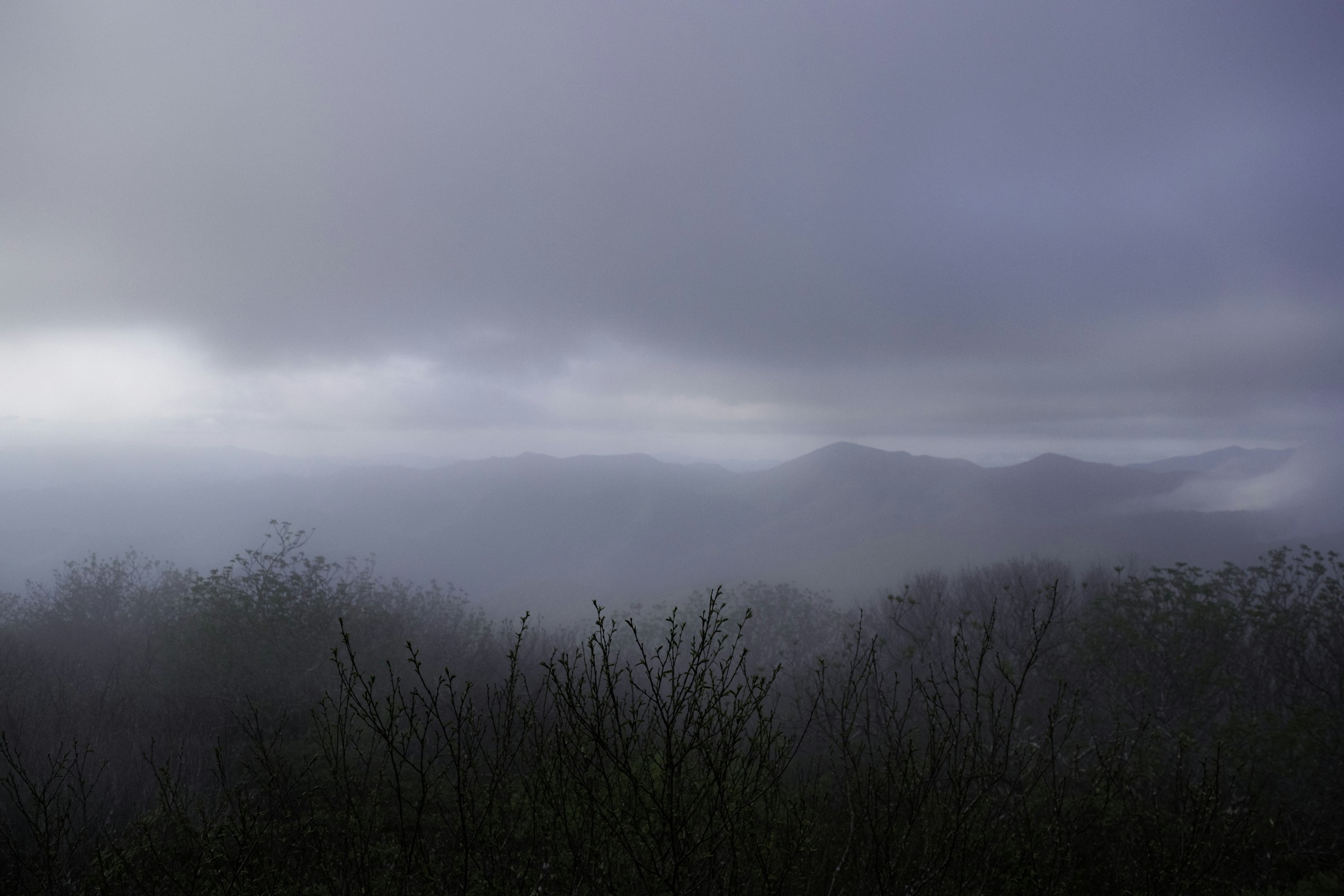
If you host a short-term rental anywhere in the High Country, you already know guests message you about the weather, the ski conditions, and where to eat. What a lot of hosts underestimate is how often "where can we grab a beer" or "is there anywhere to do a wine tasting nearby" shows up in that same thread. Boone anchors the region's drink scene -- it has the highest concentration of breweries in a walkable downtown -- but Banner Elk, Blowing Rock, and Beech Mountain each add a piece guests are also searching for: a winery with mountain views, a brewery attached to a ski resort, a tap room a short walk from a scenic overlook. Guests researching a High Country trip are typically looking at all of it as one region, not four separate destinations, and your listing and house manual should reflect that.
This guide is built for hosts, not for a weekend visitor building an itinerary. Every section below answers a narrower question: what does my guest actually want to know, and what should go in my listing description or house manual so they don't have to ask me. Names, towns, and drive times are described so you can point guests in the right direction -- not ranked, not rated, because there's no review methodology behind any of it. Hours, seasonal closures, and taproom schedules change often in a mountain resort economy, so the standing rule here is simple: confirm before you send a guest anywhere, and encourage them to do the same.
It also helps to think about why this matters for bookings, not just for guest happiness once they've arrived. A meaningful share of High Country trip planning happens on search engines and AI assistants before a guest ever opens a booking platform -- someone typing "Boone NC breweries" or asking an AI assistant to plan a High Country weekend is, in effect, pre-shopping the area your listing sits in. Hosts who write specific, accurate local detail into their listings and blog-adjacent content give themselves a better shot at showing up in that research phase, well before the guest compares your calendar to anyone else's.
Boone Is the Beer Hub of the High Country -- and Guests Already Know It
Boone sits where Appalachian State University, the Blue Ridge Parkway, and a decades-old craft beer identity all overlap in a few walkable downtown blocks along King Street. Local tourism coverage routinely describes Boone as a craft beer destination in its own right, not just a mountain town that happens to have a few taprooms, and that reputation is part of why visitors search for it before they arrive. For an STR host, that matters less as trivia and more as a search behavior: guests planning a Boone trip are frequently typing "breweries near Boone NC" or "things to do in Boone at night" into the same search session where they're comparing your listing to others.
That means the drink scene isn't an afterthought for your listing copy -- it's one of the first things a guest checks before deciding whether your property is close enough to the parts of town they actually want to spend an evening in. An one- or two-line mention of walking distance to downtown, paired with a short, accurate list of what's nearby, does more for booking conversion than most amenity bullet points.
It's worth separating two different guest profiles here, because they ask different questions. App State weekend visitors -- parents, alumni, tailgate groups -- tend to want something close to downtown they can walk to after a game, with food attached. Ski-season and leaf-season visitors, who are often booking further out and staying longer, are more likely to ask about a full day built around driving the wine trail or hitting more than one town in an afternoon. Knowing which guest you're usually hosting helps you decide whether your listing should lead with downtown walkability or with the day-trip framing.
The Breweries Guests Are Actually Asking About in Boone
Downtown Boone's brewery cluster is compact enough that most of it is walkable from King Street and the blocks around it, which is worth stating plainly in your listing if your property is within that radius -- guests weighing a downtown-adjacent stay against a quieter outlying property often decide based on exactly this kind of detail.
Appalachian Mountain Brewery was the first brewery to open in Boone and has built its identity around community involvement and sustainable brewing, including a tree-planting tie-in with one of its flagship beers. It has expanded over time to include a rotating food truck lineup alongside its taproom, which is a detail worth passing along to guests asking about food options on-site.
Lost Province Brewing Company started as a homebrew hobby before growing into a downtown brewpub with a two-story porch, and it has since added a second location, Lost Province at Hardin Creek. If a guest asks about a spot with outdoor seating downtown, this is the one most locals mention first for that reason -- not because it's rated higher than the others, but because the porch itself is the feature people remember.
Booneshine Brewing Company is newer than the other two, founded in 2015, and has grown to include a full-service tasting room and restaurant along with what's described locally as the High Country's largest outdoor beer garden. For guests traveling with a larger group or with kids, the outdoor-garden format tends to be the easiest to recommend, since it accommodates a mixed group better than a smaller indoor taproom.
For your house manual, the useful format is a short, neutral list -- names, general location relative to downtown, and a note that hours and days of operation shift seasonally -- rather than a ranked "best of" writeup. Guests can and will check current hours themselves; what they can't get from a search engine is that all three are within a short walk of each other if they're staying downtown.
A practical note on group size: if you regularly host larger groups -- reunions, bachelorette weekends, multi-family bookings -- it's worth flagging in your house manual which of the three breweries can realistically seat a big party without a wait. That's a more useful data point for a host to pass along than any general description of the beer itself, and it's the kind of specific, practical detail that tends to get a listing mentioned by name when guests are asked where they stayed.
The Boone Area Wine Trail -- the Region's Other Half of the Drink Scene
Alongside the beer scene, the Watauga County tourism authority has developed and promotes an official Boone Area Wine Trail, documented on Explore Boone's own travel-itinerary pages, connecting wineries and a cidery spread across Foscoe, Linville Falls, Banner Elk, and East Boone. It's worth naming specifically in your listing copy or house manual if you have guests who ask about wine rather than beer -- it's a real, tourism-board-recognized trail, not an informal grouping one blogger put together.
Grandfather Vineyard & Winery, in Foscoe, pairs its tasting room with mountain views and a blueberry farm on the same property that draws visitors when the fruit ripens in late July and early August. That seasonal detail is genuinely useful to pass along -- guests visiting in high summer sometimes don't realize the blueberry season overlaps with their trip.
Linville Falls Winery grows blueberries, raspberries, and apples on-site and has entered its wines in international competitions over the years, including recognition for its blueberry wine specifically. State that factually if a guest asks -- "they've won awards for their blueberry wine at international competitions" is a verifiable claim; "it's the best winery in the area" is not something this site has any basis to say.
Banner Elk Winery was the first commercial winery built in the region, opening in the mid-2000s, and is known for vineyards planted at some of the highest elevations in the eastern United States. It produces several estate wines including a blueberry wine from its own berries. Boone anchors the region's drink scene -- it has the highest concentration of breweries in a walkable downtown -- but Banner Elk, Blowing Rock, and Beech Mountain each add a piece guests are also searching for: a winery with mountain views, a brewery attached to a ski resort, a tap room a short walk from a scenic overlook.
Mill Camp Wines & Ciders, in East Boone about ten to fifteen minutes from downtown, is a newer addition to the trail and markets itself locally as "Boone's Back Porch" -- a small-batch wine and cider tasting room with a more relaxed, low-key setting than some of the drive-out wineries. For guests who want a wine-trail experience without leaving Boone proper, this is the one to mention.
For your listing, the wine trail is worth a single sentence: that a recognized regional wine trail runs through the area, with tasting rooms ranging from a short drive from downtown Boone to about forty-five minutes out toward Banner Elk and Linville. Let guests build their own day from there. A line like "an easy walk to Boone's downtown brewery scene, with the Boone Area Wine Trail and day trips to Banner Elk, Blowing Rock, and Beech Mountain all within about forty-five minutes" tells a guest exactly what they're getting without making a claim you'd have to defend.
One thing worth flagging to guests directly, since it trips people up: several wine trail stops are working farms as much as they are tasting rooms, meaning hours can be tighter and more weather-dependent than a downtown brewery with a fixed taproom schedule. A guest planning to drive out to Linville Falls Winery on a whim, late in the day, has a real chance of finding it closed -- worth a line in your house manual suggesting they check ahead or call before making the drive, especially outside peak season.
Day Trip: Banner Elk's Drink Scene
Banner Elk is roughly a thirty- to thirty-five-minute drive from downtown Boone via NC-105 and NC-184, and it's the town most guests associate with Banner Elk Winery specifically, since it shares the town's name. Beyond the winery, Banner Elk has its own small craft beer presence -- Kettell Beerworks and the Blind Elk Tap Room both operate in town, giving guests an option to combine a winery stop with a brewery stop without a second long drive.
If your property sits closer to Banner Elk than to downtown Boone, this is worth flipping around in your listing copy: lead with Banner Elk Winery and the town's own tap rooms, then mention Boone's larger brewery scene as the day-trip option in the other direction. If your property is closer to one town than another -- Banner Elk instead of downtown Boone, for instance -- lead your description with the closer option and frame the rest of the region as the day-trip layer.
Banner Elk also tends to draw a slightly different guest than downtown Boone -- more couples and small groups looking for a quieter, resort-town pace, often paired with a stay near Sugar Mountain or Beech Mountain. If that matches your typical guest, it's worth naming Banner Elk Winery ahead of the Boone breweries in your listing description, since it's the more relevant stop for that traveler.
Day Trip: Blowing Rock's Drink Scene
Blowing Rock is closer to Boone than Banner Elk, roughly twenty to twenty-five minutes via US-321, and it's a common half-day add-on for guests already planning to see the town's namesake rock formation or do some shopping on Main Street. Blowing Rock Brewing Company, at 152 Sunset Drive, pairs its taproom with the Blowing Rock Ale House restaurant next door, which uses local, seasonal ingredients in a menu built to complement the brewery's beers -- useful to mention for guests asking where to eat in town, not just where to drink.
Because Blowing Rock combines a walkable Main Street, a well-known scenic overlook, and a brewery-and-restaurant pairing in one stop, it tends to work well as a recommendation for guests who want an easy half-day out without a long drive back after dark. Guests booking a Boone-area stay in fall often layer a Parkway overlook drive, a downtown brewery stop, and dinner into one afternoon, which means your listing's drink-scene mention works better when it's tied to a nearby overlook or trailhead than when it stands alone as a bullet point.
Blowing Rock's shorter drive time from Boone also makes it a reasonable evening option, not just a daytime stop -- something worth noting for guests staying downtown who want a change of scenery without committing a full day to it. A twenty-minute drive each way still leaves plenty of evening for dinner and a beer before heading back.
Day Trip: Beech Mountain's Drink Scene
Beech Mountain is the outlier on this list because its brewery sits at a ski resort rather than in a town center. Beech Mountain Brewing is one of the few craft breweries in the country located directly at a ski resort, and it stays open to the public in both the winter ski season and the summer months -- worth flagging for guests who assume a ski-resort brewery is only relevant if they're skiing. At roughly forty minutes from Boone and sitting near 5,500 feet of elevation, it's also the coolest spot on this list temperature-wise, which some guests specifically ask about during summer heat.
For winter bookings tied to skiing or snowboarding, Beech Mountain Brewing is worth naming directly in your house manual alongside lift ticket and rental information, since guests already planning a ski day are an easy audience for an on-mountain taproom recommendation. Having the day-trip towns clearly laid out in your house manual, not just the downtown Boone basics, gives returning guests a reason to explore Banner Elk or Beech Mountain instead of repeating the same downtown evening they've already done.
Because Beech Mountain sits well above Boone in elevation, weather and road conditions can diverge from what a guest sees checking the forecast for Boone itself -- worth a note in your house manual that winter driving conditions on the mountain can be noticeably different from downtown, particularly for guests unfamiliar with mountain driving. If your property sits closer to Banner Elk than to downtown Boone, this is worth flipping around in your listing copy: lead with Banner Elk Winery and the town's own tap rooms, then mention Boone's larger brewery scene as the day-trip option in the other direction.
What to Put in Your Listing Description
Keep listing copy descriptive, not comparative. A line like "an easy walk to Boone's downtown brewery scene, with the Boone Area Wine Trail and day trips to Banner Elk, Blowing Rock, and Beech Mountain all within about forty-five minutes" tells a guest exactly what they're getting without making a claim you'd have to defend. Avoid "best breweries in town" or "top-rated winery nearby" -- phrasing like that implies a review process this listing doesn't actually have behind it, and it reads as generic marketing copy to guests who've seen the same phrase on ten other listings.
If your property is closer to one town than another -- Banner Elk instead of downtown Boone, for instance -- lead your description with the closer option and frame the rest of the region as the day-trip layer. Guests searching for a Banner Elk stay specifically will skip a listing that only talks about downtown Boone, even if the actual drive time difference is small.
It also helps to write this content the way a guest would actually search for it, rather than the way a brochure would describe it. "Walk to downtown Boone breweries" and "day trip to the Banner Elk wine trail" are closer to how someone actually phrases a question to a search engine or an AI travel assistant than a phrase like "vibrant local nightlife." Specific, checkable detail tends to outperform generic enthusiasm both with guests and with the platforms increasingly summarizing listings for them.
What to Put in the House Manual
The house manual is where specificity earns its keep. Include the general downtown walking radius if you're close enough to walk, plus a short, plainly labeled list of the drink-scene spots covered above, organized by town rather than by any kind of ranking. Add one line noting that hours, taproom schedules, and seasonal closures change throughout the year, and that guests should check ahead -- this protects you from a guest showing up to a closed taproom based on outdated information in your manual.
For downtown Boone specifically, note parking realities -- street parking fills up on weekend evenings and during App State home game weekends -- since that's a more common source of guest frustration than which brewery to visit. For the day-trip towns, a simple drive-time note next to each (Banner Elk ~30-35 min, Blowing Rock ~20-25 min, Beech Mountain ~40 min) lets guests plan their own afternoon without texting you to ask.
It's worth revisiting your house manual's drink-scene section at least once or twice a year, since this is one of the faster-changing categories of local information -- new tasting rooms open, taprooms adjust hours seasonally, and the occasional closure happens. A manual that was accurate a year ago can quietly go stale in ways that generate an awkward guest message instead of a smooth evening out.
Drive Times at a Glance for the High Country Region
From a Boone-based property: downtown Boone's own brewery cluster is walkable if you're centrally located, or a five- to ten-minute drive from most outlying parts of town. Mill Camp Wines & Ciders in East Boone runs about ten to fifteen minutes out. Grandfather Vineyard & Winery in Foscoe and Banner Elk itself run roughly thirty to thirty-five minutes via NC-105 and NC-184. Blowing Rock is closer, at twenty to twenty-five minutes via US-321. Beech Mountain and Linville Falls Winery both run closer to forty to forty-five minutes. These are general drive-time ranges, not guarantees -- winter weather and weekend traffic on NC-105 in particular can add real time, and it's worth saying so if a guest is planning a tight schedule.
If your property is outside Boone proper -- in Sugar Grove, Todd, or closer to Banner Elk or Beech Mountain -- these drive times shift, sometimes significantly. It's worth mapping the actual drive from your specific address to each town rather than reusing generic Boone-to-town estimates, since a property fifteen minutes outside downtown can have meaningfully different numbers than what's listed here.
Seasonal Timing Guests Ask About
Winter bookings cluster around ski season, when Beech Mountain Brewing and the resort itself become the day-trip anchor, alongside App Ski Mtn closer to Boone. Fall brings Blue Ridge Parkway leaf-peeping traffic and App State football weekends, both of which push downtown Boone's breweries and the wine trail's fall hours into heavier use -- and also tighten parking and taproom crowds, worth mentioning to guests planning an evening out during a home game weekend. Summer is blueberry season at Grandfather Vineyard and pairs naturally with a wine trail day trip, while Beech Mountain's elevation makes it a popular heat-escape stop even outside ski season. None of this needs to be exhaustive in your listing -- one sentence tied to the season a guest is actually booking for goes further than a full calendar of events.
Spring is the quieter shoulder season across most of this list, with some tasting rooms and taprooms trimming hours before summer traffic picks back up. If you're hosting a spring booking, it's worth a slightly more cautious note in your house manual -- confirming hours matters more in April than it does in the middle of October, when nearly everything is running full seasonal hours.
How This Fits Into Your Broader Local Guide
The drink scene is one piece of a larger local-guide strategy, not a standalone feature. Pairing this section with your existing information on hiking, the Blue Ridge Parkway, and App State event weekends gives guests a fuller picture of the region without forcing them to piece it together from four separate listings or town websites. Hosts who maintain this kind of specific, regularly-checked local detail tend to see it show up in guest reviews and repeat bookings more than hosts who rely on generic "close to everything" language.
If you host across more than one High Country town -- a Boone property and a Banner Elk property, for instance -- this same regional framing works for both, with the emphasis flipped depending on which property a guest is asking about. The underlying facts don't change; which town you lead with does. The practical habit worth building as a host is the same one recommended throughout this guide: before you tell a guest something is open, or before you update your own house manual from this article, take thirty seconds to check the business's current hours or social media rather than assuming last season's information still holds.
Combining the Drink Scene With the Rest of a Guest's Trip
Most High Country trips aren't built around drinking alone -- a brewery stop or wine trail afternoon is usually one piece of a longer day that also includes a hike, the Blue Ridge Parkway, or an App State event. Guests booking a Boone-area stay in fall often layer a Parkway overlook drive, a downtown brewery stop, and dinner into one afternoon, which means your listing's drink-scene mention works better when it's tied to a nearby overlook or trailhead than when it stands alone as a bullet point.
For hosts near the Moses Cone Memorial Park or the Parkway itself, it's worth pairing a mention of nearby hiking with the closest brewery or tasting room, since guests frequently ask for exactly that combination -- somewhere to walk, followed by somewhere to sit down. A single sentence connecting the two saves a guest from having to ask you to build that itinerary themselves.
Multi-night guests are the group most likely to actually use a day-trip recommendation rather than just read it. A two- or three-night stay leaves room for a Boone evening one night and a Banner Elk or Blowing Rock afternoon on another day, whereas an one-night guest is more likely to stick close to downtown. If you track average length of stay for your property, it's worth calibrating how much of this regional detail you put front and center in your listing versus saving for the house manual guests read after check-in.
It's also worth thinking about this from a repeat-guest angle. Guests who come back to the High Country for a second or third trip -- common for ski-season regulars and App State football families -- often want a different itinerary from their last visit. Having the day-trip towns clearly laid out in your house manual, not just the downtown Boone basics, gives returning guests a reason to explore Banner Elk or Beech Mountain instead of repeating the same downtown evening they've already done.
None of this replaces checking current information before a guest's trip. Businesses open and close, trails get rerouted, and a brewery's outdoor space that worked for a group of ten last summer might be under renovation this summer. Treat this guide as a starting framework for your listing and house manual, not a permanent script -- revisit it the same way you'd revisit your own local recommendations once or twice a year.
A Note on Sourcing This Guide
Every business named in this guide -- Appalachian Mountain Brewery, Lost Province Brewing Company, Booneshine Brewing Company, Mill Camp Wines & Ciders, Grandfather Vineyard & Winery, Linville Falls Winery, Banner Elk Winery, Kettell Beerworks, the Blind Elk Tap Room, Blowing Rock Brewing Company, and Beech Mountain Brewing -- was confirmed as currently operating at the time this guide was written, using a combination of the businesses' own sites, local press coverage, and the Watauga County tourism authority's own Explore Boone travel-itinerary pages for the wine trail specifically.
That confirmation has a shelf life. Mountain resort economies see real turnover -- a taproom can change ownership, a seasonal tasting room can close for winter, a brewery can add or drop a location -- and none of that shows up automatically in a piece of written content. The practical habit worth building as a host is the same one recommended throughout this guide: before you tell a guest something is open, or before you update your own house manual from this article, take thirty seconds to check the business's current hours or social media rather than assuming last season's information still holds.
This is also why the guide avoids star ratings, "best of" rankings, or any claim about which spot guests will enjoy most. There's no review methodology behind this site that would support that kind of claim, and a host passing along an unsupported ranking to a guest risks setting an expectation the business itself never promised. Sticking to what's verifiable -- what a place is, where it is, and roughly how guests describe it -- holds up better over time than a superlative that ages badly the moment a business changes hands or changes its menu.
Frequently Asked Questions
Is there an official wine trail in the Boone area, or is that just a marketing phrase?
It's an official, tourism-board-recognized trail. The Watauga County tourism authority documents the Boone Area Wine Trail on Explore Boone's own travel-itinerary pages, connecting wineries in Foscoe, Linville Falls, Banner Elk, and East Boone. It's a real regional itinerary, not an informal list one site put together. Alongside the beer scene, the Watauga County tourism authority has developed and promotes an official Boone Area Wine Trail, documented on Explore Boone's own travel-itinerary pages, connecting wineries and a cidery spread across Foscoe, Linville Falls, Banner Elk, and East Boone.
Can guests walk to breweries from downtown Boone, or do they need a car?
If your property is within downtown Boone or close to King Street, Appalachian Mountain Brewery, Lost Province Brewing Company, and Booneshine Brewing Company are generally walkable from each other. Properties farther out will need a short drive -- worth checking your specific distance before promising walkability in your listing. Downtown Boone's brewery cluster is compact enough that most of it is walkable from King Street and the blocks around it, which is worth stating plainly in your listing if your property is within that radius -- guests weighing a downtown-adjacent stay against a quieter outlying property often decide based on exactly this kind of detail.
How far is Banner Elk from Boone for a day trip built around the winery?
Roughly thirty to thirty-five minutes via NC-105 and NC-184 under normal conditions. Winter weather or weekend traffic can add time, so it's worth building in some buffer if a guest is planning a tight schedule around dinner reservations. These are general drive-time ranges, not guarantees -- winter weather and weekend traffic on NC-105 in particular can add real time, and it's worth saying so if a guest is planning a tight schedule.
Is Beech Mountain Brewing only open during ski season?
It's one of the few craft breweries in the country located at a ski resort, and it stays open to the public in both the winter ski season and the summer months. It's a reasonable recommendation for guests visiting outside ski season too, particularly as a cooler-elevation stop in summer heat. Beech Mountain Brewing is one of the few craft breweries in the country located directly at a ski resort, and it stays open to the public in both the winter ski season and the summer months -- worth flagging for guests who assume a ski-resort brewery is only relevant if they're skiing.
What's the closest wine-trail stop to downtown Boone without a long drive?
Mill Camp Wines & Ciders, in East Boone, runs about ten to fifteen minutes from downtown and markets itself locally as "Boone's Back Porch." It's the option to mention for guests who want a wine-trail-style stop without committing to a longer drive out toward Foscoe or Banner Elk. Mill Camp Wines & Ciders, in East Boone about ten to fifteen minutes from downtown, is a newer addition to the trail and markets itself locally as "Boone's Back Porch" -- a small-batch wine and cider tasting room with a more relaxed, low-key setting than some of the drive-out wineries.
Do any of these breweries or wineries have food, or do guests need to plan dinner separately?
Appalachian Mountain Brewery runs a rotating food truck lineup, Booneshine Brewing Company operates a full-service restaurant alongside its tasting room, and in Blowing Rock, Blowing Rock Brewing Company sits next to the Blowing Rock Ale House restaurant. Guests planning a full evening out at one stop generally have food covered without a separate reservation. Every business named in this guide -- Appalachian Mountain Brewery, Lost Province Brewing Company, Booneshine Brewing Company, Mill Camp Wines & Ciders, Grandfather Vineyard & Winery, Linville Falls Winery, Banner Elk Winery, Kettell Beerworks, the Blind Elk Tap Room, Blowing Rock Brewing Company, and Beech Mountain Brewing -- was confirmed as currently operating at the time.
What should I tell guests about parking downtown during App State football weekends?
Be upfront that street parking in downtown Boone fills up quickly on weekend evenings and especially during home football weekends. It's a more common source of guest frustration than any question about which brewery to visit, so flagging it in your house manual ahead of time saves a same-day text. For downtown Boone specifically, note parking realities -- street parking fills up on weekend evenings and during App State home game weekends -- since that's a more common source of guest frustration than which brewery to visit.
Should I list specific hours for these breweries and wineries in my house manual?
It's safer not to hardcode exact hours, since taproom schedules and seasonal closures change throughout the year in a resort economy. A short note that hours shift seasonally, paired with a prompt for guests to confirm before heading out, holds up better over time than a list of hours that goes stale within a season. Hours, seasonal closures, and taproom availability change throughout the year across the High Country -- confirm directly with each business before sending guests, and encourage guests to do the same before they head out.
Keep going on Crest & Cove:the Crest & Cove intro·local SEO keywords that actually book·the five elements of a converting hero·how to compare STR marketing agencies·OTA fees without leftover occupancy lifts·this cluster against named-town AirROI pins·Destin against AirROI, not leftover year·prior cluster against AirROI pins.
Related Reading
Keep reading in the Boone market spine and nearby towns in the same region: same-cluster pages hosts can use without costume-corridor copy.
Boone, NC Visitor Spending and Tourism: High Country Hub Economics
Finance Boone Nc Peak Occupancy Is Not the Year Peak Occupancy Is Not
Boone Tailgaters Skiers With DIY Ceiling: AirROI Pins, Not Leftover
This Market Host Guide: What Guests Actually Ask for Independent Hosts
Boone Overlooks: What to Put in the Listing for Independent Hosts
What It Actually Costs to Start an STR in Beech Mountain, NC
What It Actually Costs to Start an STR in Linville Falls, NC
Work with Crest & Cove Creative
Peak occupancy is not the year. Named-town AirROI pins only.crestcove.coor(256) 998-7502.
Peak occupancy is not the year. Named-town AirROI pins only.crestcove.coor(256) 998-7502.


Comments