
The Listing Title and Description Mistakes New Hosts Keep Making

Updated: Aug 26
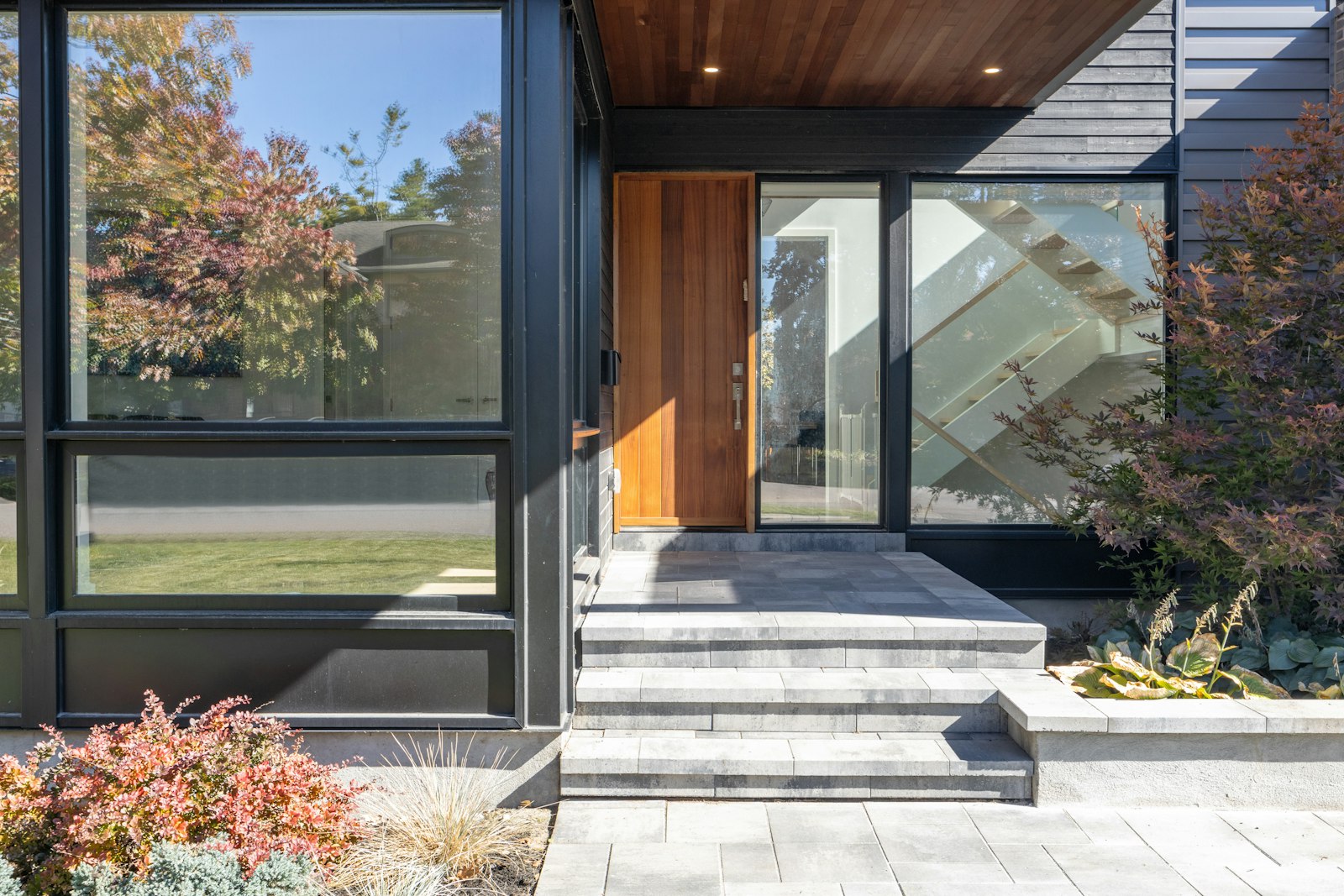
The title and the first two lines of a description do more work than any other part of a new listing, and they get the least deliberate attention. A host who has spent a weekend photographing every room and writing a full house-rules page will often write the title itself as an afterthought, typed once into a form field right before hitting publish. That order of priorities is backwards — the title is what a browsing guest sees before anything else, and it either earns a click into the full listing or it doesn't.
This page covers the specific, repeatable mistakes new hosts make in a listing's title and opening description lines, and what to do instead. None of it requires new photography, a redesign, or professional copywriting — most of these fixes take less time than the original mistake took to make.
These mistakes are common precisely because a first listing is usually written under a specific kind of pressure: excitement to publish, uncertainty about what actually matters, and no prior guest feedback yet to correct course by. None of that makes the mistakes a reflection of a host's judgment overall — it makes them a predictable, fixable byproduct of writing the very first version of something with no data yet to guide it. This is not legal advice.
Mistake one: the title describes the house instead of the stay
A common first-listing title reads something like "3BR 2BA House With Pool" — accurate, complete, and almost entirely forgettable, because it describes a category of property rather than a specific reason to choose this one over the dozen other three-bedroom houses with pools showing up in the same search. Bedroom and bathroom counts matter, but they belong in the filterable details a platform already surfaces, not in the one sentence a host controls entirely.
A stronger title leads with the single most distinct, true thing about the stay — a specific view, a specific proximity, a specific feature that is genuinely uncommon among nearby competitors — and lets the bedroom count live in the details below rather than eating the limited space in the title itself. "Creekside Cabin With a Private Dock, 10 Minutes From Town" tells a browsing guest something a spec-sheet title never can: what it would actually feel like to stay here.
The fix does not require guessing a feature that doesn't exist. It requires an honest listing stock of what's actually true and distinct about the property, then leading with that instead of the generic bedroom-and-bathroom count every competing listing already states in the exact same format.
Mistake two: keyword stuffing that reads like a list, not a sentence
New hosts who have read a little bit about search visibility sometimes overcorrect into a title that reads like a string of search terms mashed together — "Cozy Lake House Mountain View Hot Tub Pet Friendly Family Getaway." This does not read as an appeal to a human being; it reads as a list, and browsing guests notice the difference even if they can't articulate why a listing feels less trustworthy than a competing one with a cleaner title.
A title needs to survive being read out loud to another person. If it sounds like something a person would actually say when describing the house to a friend, it's working. If it sounds like a checklist of features crammed into fifteen words with no connecting language, it has crossed from persuasive into noise, and noise gets scrolled past faster than a plainer, more human sentence would.
The instinct behind keyword stuffing isn't wrong — hosts are right to think about what a guest might search for. The execution is the problem. A title can still include a genuinely important searchable term (lake, pet-friendly, hot tub) without cramming in every possible one; pick the one or two that are actually the strongest draw and build a real sentence around them instead of listing all of them side by side.
Mistake three: the description's first line repeats the title
A guest who has already read the title and clicked into the listing does not need the first line of the description to restate the same information in slightly different words. This is a common pattern in new listings — the title says "Creekside Cabin With a Private Dock" and the description opens with "Welcome to our creekside cabin, which features a private dock" — wasting the description's most valuable real estate on a sentence the guest has already read.
The first line of a description should do new work: name a second distinct detail the title didn't have room for, or immediately address the practical question a guest is likely wondering right after the title caught their attention (how far from town, what the layout is like, what makes this specific stay different from the alternative they're also considering). Redundant opening lines are a missed opportunity, not just a stylistic flaw.
A simple test catches this: read the title and the description's first sentence back to back. If the second sentence could be deleted without losing any information the guest didn't already have, it needs to be rewritten to add something the title couldn't fit.
Mistake four: burying the practical facts guests actually search for
New hosts often write descriptions in the order the ideas occurred to them rather than the order a guest actually needs them, which means practical, decision-driving facts — parking situation, distance to the nearest town or attraction, whether the space is genuinely private or shares a driveway — end up in paragraph four instead of near the top, buried under paragraphs of atmosphere and adjectives.
This matters more for a new listing than an established one, because a new listing has no review history yet to reassure a hesitant guest. Established listings can afford a slower, more atmospheric opening because trust signals elsewhere on the page do some of the reassuring work; a brand-new listing with zero reviews needs its practical facts working harder and sooner, since atmosphere alone is not yet backed by proof anyone has actually stayed there and had a good experience.
The fix is a simple reordering exercise, not new writing: pull out every genuinely practical, decision-relevant fact already present somewhere in the description, and move them into the first two or three sentences, ahead of anything purely atmospheric. Nothing needs to be deleted — much of what's wrong with a new host's first description is sequencing, not content.
Mistake five: adjectives standing in for specifics
"Beautiful," "cozy," "charming," and "stunning" appear in an enormous share of short-term rental listings, which means none of them do any differentiating work anymore — every competing listing in the search results claims the same four adjectives, so a guest's brain filters them out as noise almost automatically. A new host reaching for these words is not wrong that the house deserves praise; the problem is that unspecific praise has stopped registering as praise at all.
The fix is replacing an adjective with the specific detail that would have made a guest believe the adjective in the first place. Instead of "beautiful mountain views," describe what's actually visible from a specific window or the porch. Instead of "cozy living room," describe the actual seating, the fireplace, or whatever specific detail earns the word cozy rather than just claiming it. Specificity does the persuading; adjectives alone just take up space a specific detail could have filled.
This does not mean cutting every adjective from a description. It means auditing each one and asking whether there's a specific, true detail sitting behind it that could replace it — and if there is, using the specific detail instead, since specific details are what a guest actually remembers and repeats when deciding between several similar-looking options.
Mistake six: writing the title once and never revisiting it
A title written the night a listing first goes live often stays untouched for months or years afterward, even as the host learns — through actual guest inquiries, actual booking patterns, and actual questions in the inbox — what guests really respond to about the property. That early information almost never makes its way back into the title, because revisiting a title feels like a bigger task than it actually is.
A title is one of the easiest pieces of a listing to test and revise, since changing it carries no photography cost, no rewrite of the full description, and no disruption to existing bookings. A host who notices that guests consistently mention one specific feature in their booking messages or reviews — a view, a hot tub, a short walk to something specific — has real evidence about what's actually drawing interest, and that evidence belongs in the title far more than whatever the host guessed at on day one.
Treating the title as a living piece of the listing, worth revisiting every few months against real guest behavior, tends to produce a stronger title over time than treating it as a one-time task finished the day the listing first published.
Mistake seven: copying the tone of a resort or hotel brand
Some new hosts, trying to sound professional, unconsciously borrow the language of a chain hotel or resort brochure — "experience luxury and comfort in this exceptional retreat" — language built for a completely different kind of trust relationship, where a recognizable brand name is doing most of the reassuring work before a guest ever reads a word of description. An independent listing does not have that brand cushion, and borrowing its language without the brand behind it tends to read as slightly hollow rather than professional.
Guests choosing an independent short-term rental over a hotel are often specifically looking for the opposite of brochure language — something that feels like it was written by an actual person who knows the actual house, not a marketing department describing an interchangeable property type. A title or description that leans into specific, personal, verifiable detail plays to that expectation; one that borrows resort language works against it.
This does not mean a listing should sound unpolished or careless — it means the polish should come from precision and clarity rather than from adopting a vocabulary built for a different kind of trust entirely. A well-written, specific, plainly stated description reads as more professional to most guests than a description dressed up in borrowed luxury-brand language it can't actually back up.
Mistake eight: ignoring how the title and description look on a phone
Most guests browse and book on a phone screen, where a listing title gets truncated after a relatively small number of characters and the description's opening lines are visible only a sentence or two at a time before a guest has to tap to expand. A title or opening line written and reviewed only on a desktop screen can look complete and well-balanced there while getting cut off mid-thought on the device most guests are actually using.
This is an easy mistake to make because most hosts write listing copy on a laptop, where there's no visible reminder that the experience will be different for the majority of actual readers. The fix costs nothing beyond a habit change: after writing or revising a title or opening description line, open the listing on an actual phone and check where it gets cut off, then make sure the most important word or detail lands before that cutoff point, not after it.
A title that reads perfectly on a desktop screen but gets truncated into a confusing half-sentence on mobile is functionally a worse title than a shorter, plainer one that reads completely on every device — since a browsing guest who sees a fragment is less likely to tap through than one who sees a complete, if shorter, thought.
A fast way to fix a live title and description this week
None of the mistakes above require a full rewrite to fix. Start with the title alone: write down the single most distinct, true thing about the property, check it against the six words that appear in nearly every competing listing (cozy, beautiful, charming, stunning, luxury, retreat), and remove any of those words in favor of the specific detail sitting behind them. This alone usually takes less than fifteen minutes and produces a noticeably stronger title.
Next, read the description's first two sentences and check them against the title for redundancy, then check whether the practical, decision-relevant facts a guest actually needs — parking, distance, privacy — appear in the first paragraph or are buried further down. Moving a sentence up costs nothing and requires no new writing, just reordering material that's often already present somewhere in the description.
Finally, open the listing on a phone, read the title and first two lines exactly as a browsing guest would encounter them, and confirm nothing important gets cut off mid-thought. This entire process, done honestly and without rushing, usually takes under thirty minutes for a listing that has been live and untouched for months — a small investment relative to how much weight the title and opening lines carry in a guest's decision to click through at all.
Related Reading
More independent-host reading on honest listing copy, distribution, and when hiring help is worth it.
Frequently Asked Questions
What's the single most common title mistake new hosts make?
Leading with bedroom and bathroom counts instead of the one specific, distinct thing that actually sets the stay apart from nearby competing listings. Bed and bath counts already live in a platform's filterable details — the title is better spent on the detail a filter can't capture, like a specific view, feature, or proximity.
Is keyword stuffing in a title actually harmful, or just unhelpful?
It reads as noise to a human browsing guest, who tends to trust a title that sounds like a real sentence more than one that reads like a list of search terms strung together. The underlying instinct — thinking about what guests search for — isn't wrong; the fix is picking one or two genuinely strong terms and building a real sentence around them instead of listing every possible one.
Should the description's first line ever repeat the title?
No — the first line should add new information the title didn't have room for, not restate what the guest already read seconds earlier. A simple test: if the description's opening sentence could be deleted without losing any new information, it needs to be rewritten to do actual work.
Why do practical facts matter more in a brand-new listing's description?
A new listing has no review history yet to reassure a hesitant guest, so it has to work harder to earn trust through the description itself. Practical, decision-relevant facts like parking and distance to town should move near the top of the description rather than being buried under paragraphs of atmosphere that an established listing with reviews could afford to lead with instead.
What should replace generic adjectives like 'cozy' and 'beautiful'?
The specific, true detail that would have made a guest believe the adjective in the first place — the actual view from a specific window instead of 'beautiful views,' the actual fireplace and seating instead of 'cozy living room.' Specific details do the persuading that an overused adjective no longer can, since nearly every competing listing claims the same handful of adjectives.
How often should a host revisit and update their listing title?
Every few months, or whenever real guest behavior — inquiries, booking messages, reviews — reveals what guests are actually responding to about the property. A title is one of the cheapest parts of a listing to change, since it requires no new photography or full description rewrite, so there's little reason to leave it untouched indefinitely.
Does a longer title always perform better than a shorter one?
No — length isn't the goal, specificity is. A short title with one genuinely distinct, true detail usually outperforms a longer title crammed with generic features or keywords, because the short version reads as a real sentence a guest can actually process while scrolling quickly through search results.
What's a quick way to test whether a title is working?
Read it out loud as if describing the house to a friend. If it sounds like something a person would actually say, it's likely working. If it sounds like a spec sheet or a list of search terms, it has drifted away from the sentence a browsing human actually responds to.
Should every genuinely important amenity be mentioned in the title?
No — pick the one or two strongest, truest differentiators and let the rest live in the details section and description body, where a platform already surfaces filterable amenities. Trying to fit every amenity into the title usually produces the keyword-stuffing problem this page addresses directly.
Is it worth hiring help just to fix a title and opening description lines?
Often not necessary — most of these mistakes are fixable by a host directly once they know what to look for, since the fixes are about sequencing and specificity rather than new writing skill. Professional help becomes more useful when a host has already tried these fixes and still isn't seeing the description work the way they'd expect.
Work with Crest & Cove Creative
A title written in ten minutes late at night, right before a first listing goes live, usually leads with bedroom counts instead of the one detail that would actually earn a click. Fixing it costs nothing and takes less time.
Crest & Cove Creative audits new and existing listing titles and opening description lines against what guests are actually asking and booking on, not a generic template. If your listing has been live for months with the same day-one title, we can help you find the specific detail worth leading with instead.
Reach out at crestcove.co or (256) 998-7502.


Comments