
Virginia City Nv Shoulder: Peak Occupancy Is Not the Year

Updated: Aug 28
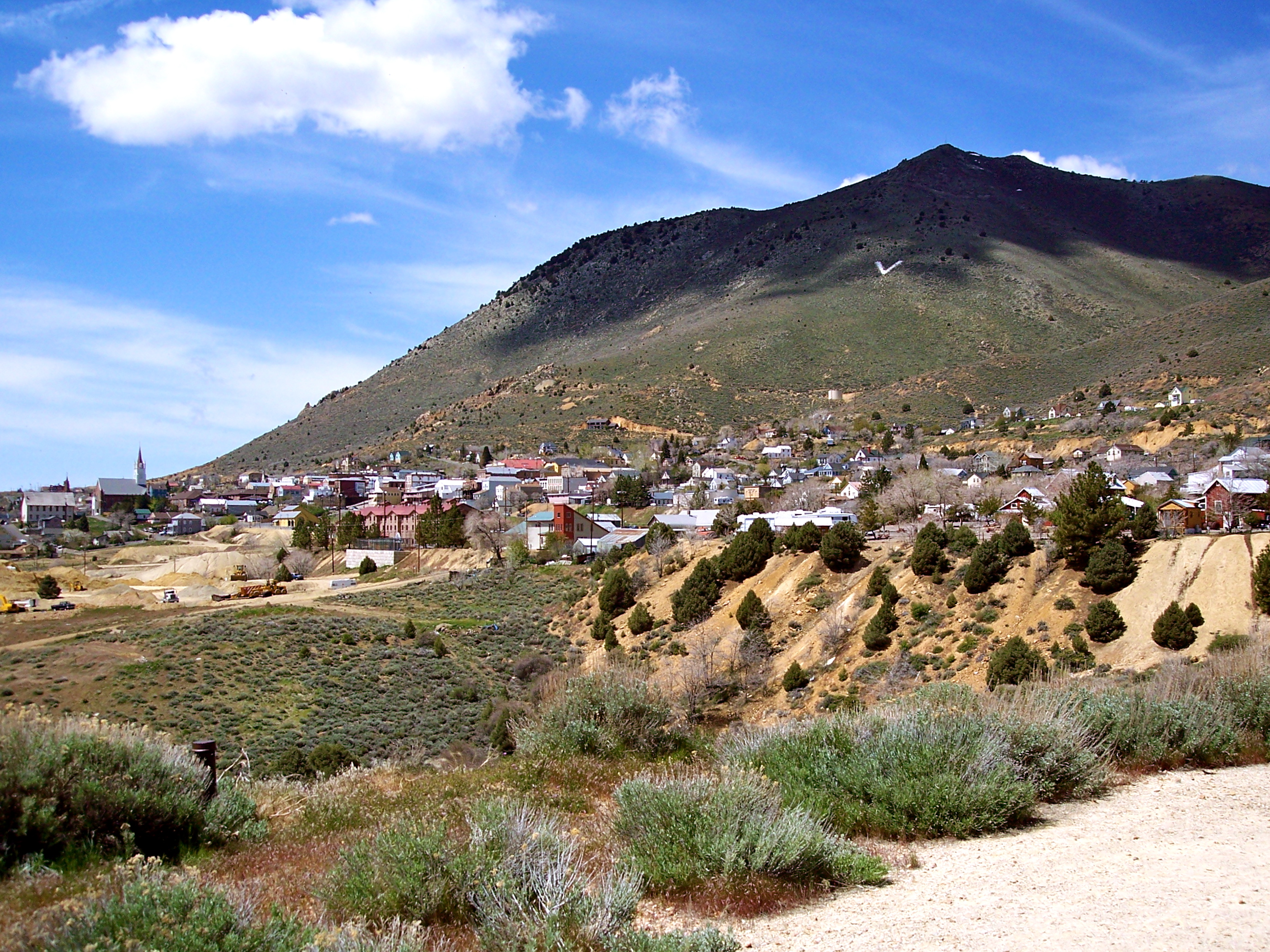
Virginia City does not run a Las Vegas valley calendar. NOAA station USC00268761, 1991-2020 normals, puts July’s mean daily maximum at 83.8°F and July’s mean minimum at 61.5°F. August’s mean max is 82.4°F, and june is 74.3°F. January is 40.9°F, and the town sits near 6,100 feet. Visit Virginia City’s weather page calls the summers mild. Wikipedia’s July mean maximum , the average of the hottest days, not a typical afternoon , is about 93.3°F. Extremes have reached 100°F, and that is warm. It is not a triple-digit shutdown, and it is not a reason to copy a desert-portfolio mid-40s occupancy story we do not have for this CDP.
The brief for this cluster described summer as the trough and spring, fall, and winter as the peak. Official climate does not support the heat half of that story. We have no locked monthly occupancy series to prove the seasonality half. We follow NOAA and the tourism weather page. If a later extract shows a summer hole, date it. Until then, do not close June through September because a template said desert.
What you can operate without a pull: high-80s afternoons, cool nights, Geiger Grade ice in winter, event weekends VCTC actually dates, and Reno drive guests who will not recross NV-341 twice if the listing gives them a night. Theregulationpost is the clerk. This page is the calendar. Thehow-to-marketpost is why the night still has to be sold in July.
Do not import a valley shutdown
A mean high of 83.8°F with a 61.5°F July night is a boardwalk-and-mine-tour summer, not a closed pool in Henderson. C Street, the V&T, and the mine tours run in summer when their operators say they run. The Hillclimb is a dated NV-341 event, not a climate law. If you empty the calendar from June through September, you are inventing a trough NOAA did not publish. Official tourism weather copy at 6,150 feet already told visitors the summers are mild. Believe that page before you believe a Phoenix playbook.
Virginia City Highlands, in Washoe County, is a different place with a hotter July in secondary tables. Do not paste that town onto this CDP, and do not paste Reno’s valley floor. Do not paste Phoenix. Working cooling still matters in the low 80s at altitude. Shade at 6 p.m, and is a real patio sentence. Unusable until after dark is a valley sentence, and call the system you have. A swamp cooler and refrigerated air are different promises.
If your last two summers were empty, read the listing before you blame July. A generic Nevada mountain page will lose to a neighbor who named the Landmark after dark and the afternoon light on brick. C Street in July is still a tourist street. A closed calendar is a choice, not NOAA.tourismpost will not turn a million-visitor marketing line into a July occupancy percent. Do not divide 1.6 million by 12 and call it science.
Winter is ice on Geiger Grade, not Palm Springs
NV-341 is a mountain road, and first snow and ice are guest-message facts. We do not have a locked winter occupancy percent. The brief’s winter is peak is unverified, and use your own calendar. Fireplaces and blackout curtains are amenities you can photograph. Bare pavement is a promise you cannot make, and january’s mean daily maximum is 40.9°F. That is a coat, not a slogan.
A seven-night January minimum may be wrong if the history buff wants two nights around a dated event. A 15 to 20 percent weekly discount is a starting lever, not a law.remoteguest wants a 30-night number in any quiet month you actually have. Confirm with the treasurer whether that month is still transient under Code 3.60. Do not advertise monthly, no tax from another state’s ordinance.
Do not keep a bleached desert stock photo as the January hero. Do not keep a snow hero in July, and swap the first frame with the season.DIYpost is who changes it. If you live in Reno, budget the drive to change the lockbox batteries and the hero on the same trip. A January listing with a July crowd is bait. A July listing with ice on the grade is the other bait.
Events are dates, not a seasonality chart
Virginia City Hillclimb, Street Vibrations Spring, and holiday events belong on the calendar the week VCTC or the organizer publishes them. Recheck visitvirginiacitynv.com. Leave out unverified a monsoon festival or a silver-rush weekend you cannot date. An event weekend is a two-night product and a parking problem. Say where the car lives. A Hillclimb Saturday is not a history-buff Saturday unless you Keep both and have the driveway.
Fire restrictions and wind on the grade can erase a week you already priced. Put the current county or state notice in the first message. A canceled week is cheaper than a guest who drove into a closure you hid.visitor guideis the day plan. This paragraph is why a closed grade is a calendar event. C Street in a wind warning is still a street. The grade is the variable, and caption the difference.
We will not rank seasons without a monthly series. Spring light, summer boardwalks, fall brick, winter ice can all be real. Themarket reportwill not invent the table. Your last year, if you have one, is the only ranking that matters. County visitor lines of more than 1.6 million or over one million are annual marketing sentences on two different official pages. They are not a July percent.
Minimums and the Reno drive
Typical drive language is 35 minutes, and twenty-four miles on the map. A two-night weekend from Reno or Carson City is a real product in any season you operate. A seven-night summer minimum on a house that sits on a drive market will sit empty if the extract later shows short-stay demand. Start with one or two nights unless your last year already filled at more. Put the nightly total on the listing so a 3 p.m. walker can say yes without a chat.
Same-day Saturday from the valley is the conversion the marketing post is built for. Do not hide the night behind a weekly-only calendar in July because a desert brief told you to take monthlies. Monthlies are a second product, and the remote page is that product. Mixing them is how both reviews mention each other. Protect the history Saturday from a party. A CDP of 787 reviews faster than a city block. Quiet hours after 8 p.m, and are a Landmark fact.personapost is the split.
Parking for two cars is not parking for a Hillclimb field. Say the count. A house that converts the drive-in and then has no place for the car will refund the night you just won. Winter parking is a different sentence than July parking. Keep both if you operate both. What you can operate without a pull: high-80s afternoons, cool nights, Geiger Grade ice in winter, event weekends VCTC actually dates, and Reno drive guests who will not recross NV-341 twice if the listing gives them a night.
What not to copy from other deserts
Do not copy a Tucson summer-shutdown. Do not copy a Moab shoulder as if it were Geiger Grade. Do not copy Clark County event occupancy or AB363 scarcity. Do not keep event copy from the Hillclimb in March. Do not Keep unusable patio copy at 83.8°F, and do not use Virginia City Highlands frames. If a photographer sends Highlands or Reno skyline, do not use them on this URL.
If VCTC or the Hillclimb publishes a dated weekend, use it. If not, the Landmark and the night are the product. Piper’s, Fourth Ward, and the V&T keep their own hours. Recheck. A Monday energy on a Tuesday-closed museum is a review. Gold Hill is a caption, and carson City is a different government. Reno is the drive, not the twin town.
Theinvestmentthesis is a timing bet without hard revenue data. A fake summer trough does not make that bet safer. It makes the listing dumber. Keep the elevation. Let the extract, if you later buy one, argue with you. A seven-night summer minimum on a house that sits on a drive market will sit empty if the extract later shows short-stay demand.
A week-by-week way to run 6,100 feet
On the first of each season, change the first photo and the first six sentences. Winter: ice, fire, grade honesty, 40.9°F January normals. Summer: 83.8°F honesty, cool nights, dusk boardwalk, working cooling. Spring and fall: light on brick, event check, layers. Leave the NOAA July sentence in the guide year-round. It is better than a desert slogan.
Once a month, read inquiries. If they all ask whether July is too hot, your hero is still a valley photo. If they ask about the night after the tours, you are talking to this town. In fire season or a wind warning, put the current notice in the first message. Code 3.60 does not take a summer holiday. File even at zero if the form says so. Recheck VHR status the same day you flip the hero. The January 20 research item can become an ordinance. A summer listing that ignores a new age rule is a complaint.
Thestartupstack includes that habit and the insurance question as short-term lodging. A house you cannot insure in July is not a summer product. Ask the carrier before you open the calendar. A refused policy is a closed season no brief can reopen. Until then the operating sentence is: 6,100 feet, 83.8°F July normals, cool nights, a draft ordinance, and a drive market that books two nights when you let them.
What a year looks like without a fake table
January through March: ice, possible event weekends, a fireplace you have photographed, a grade you have driven. Do not call it peak, and call it what you can operate. April and May: light, Street Vibrations Spring if VCTC dates it, layers, mud on side streets. June through August: 74.3 to 83.8°F mean highs, 61.5°F July nights, dusk boardwalk, working cooling, Hillclimb only if the date is live. September: 73.9°F mean max, still a boardwalk month. October: 61.3°F mean max, brick light, first freeze possible. November and December: 48.8 and 40.3°F mean max, holiday copy only if the town is actually dressing the street.
Those NOAA numbers are climate, not occupancy, and they stop you from writing a closed summer. They do not tell you which Saturday fills. File 3.60 every month you operate, including the quiet ones. A zero return is still a return. If a later extract shows July empty, date it and come back. Until then the operating sentence is: 6,100 feet, 83.8°F July normals, cool nights, a draft ordinance, and a drive market that books two nights when you let them. That sentence is enough to open the calendar, and it is not enough to invent a trough.
A host who still wants a dead summer should have to show their own two Julys, not a brief. Two empty Julys with a noon hero and a seven-night minimum are an operations file, not climate destiny. Fix the listing. Then, if the nights are still empty, date that and we will update this page. We will not update it on a hope.
Price the season you can cite
We will not publish a monthly occupancy table. We will not tell you July always runs 45 percent. Price from your last year if you have one. If you do not, start conservative on the night and honest on the elevation. Raise after four weekends, and Leave out unverified an ADR. Leave out unverified a winter peak because the brief wanted one.
A two-night weekend from Reno is the default until your own nights say otherwise. A 30-night listings is a second product for the quiet month you actually have. A seven-night minimum is a choice you earn. Virginia City is a 6,100-foot Landmark town with mid-80s July normals, cool nights, and a draft VHR ordinance. Operate the seasons you can photograph. Do not close summer because a desert brief told you to. Do not pretend January is a valley floor, and Keep the elevation. Then set the minimum, and the.financingnote will not accept a trough you cannot open.
If you need a single operating year: winter sells the fire and the ice honesty; summer sells the boardwalk, the 83.8°F afternoon, and the cool night; spring and fall sell the light and any dated VCTC event. Every season sells NV-341 as it actually is that week. The house that tells that truth will outperform the house that borrowed a Phoenix calendar, even if both sit on the same thin PM field. Your last year, if you have one, already ranked the Saturdays. NOAA already ranked the thermometer, and use both. Invent neither.
Frequently Asked Questions
Is summer actually the off-season in Virginia City?
There's no locked occupancy series confirming a June-through-September shutdown, so don't assume one. What is confirmed: NOAA's July mean daily max is 83.8°F at about 6,100 feet, with nights averaging 61.5°F, and official tourism copy already describes mild summers here. Don't import a desert-town summer trough onto a mountain climate that doesn't match it.
How hot does it actually get in July?
NOAA's 1991-2020 normals from station USC00268761 put July's mean daily maximum at 83.8°F and mean minimum at 61.5°F. Wikipedia's July mean maximum, an average of just the hottest days rather than a typical afternoon, runs closer to 93.3°F, and recorded extremes have reached 100°F. Most July afternoons are comfortable, not triple-digit.
Should I close the calendar for summer?
No. C Street still sees real visitor traffic in July. If your last two summers came up empty, look at your listing and hero photo before blaming the season, a flat noon photo will lose bookings to a competing listing that actually sells the experience. Guests asking whether July is too hot are often responding to a valley-desert-style photo that doesn't match this mountain climate.
Is winter actually the true peak season here?
There's no locked monthly occupancy series confirming that either. What's known: January's mean daily max runs about 40.9°F, and ice on NV-341 is a genuine guest-safety detail worth including in your welcome message. Don't promise bare, ice-free pavement in winter without checking current conditions first.
What minimum-stay length should I run?
One or two nights, unless your own booking history over the past year has already filled reliably at a longer minimum. This is roughly a 35-minute drive market from Reno, which tends to book short stays. Put the full nightly total plainly on the listing rather than hiding pricing behind a long minimum-stay requirement you haven't actually earned yet.
Do I still need air conditioning at this elevation?
Yes, working cooling still matters even with July afternoons in the low 80s. At 6,100 feet with cool nights, the honest pitch is a comfortable patio at 83.8°F rather than an unusable-until-dark valley-heat story that doesn't describe this town.
How should I handle the Hillclimb and other local events in my calendar?
Only reference an event once VCTC or the event organizer has published a confirmed date, and check visitvirginiacitynv.com for current listings. Treat an event weekend as its own two-night product with a parking consideration, and take event copy down promptly once the actual date has passed so it doesn't sit stale on the listing.
When should I change my hero photo through the year?
At each real seasonal turn: ice and fire imagery in winter, an honest 83.8°F afternoon and a dusk boardwalk shot in summer, and the brick-and-light look of C Street in spring and fall. Match the photo to the actual season a guest will arrive in, rather than running one generic hero image year-round.
Related Reading
Keep reading in the Virginia City market spine and nearby towns in the same region: same-cluster pages hosts can use without costume-corridor copy.
Virginia City, NV STR Market Report 2026: The Structural Facts
Virginia City Nv Requirement Permits: Clerks, Not Occupancy Ranking
Virginia City Nv Marketing: AirROI Pins, Not Leftover Occupancy
How to Market a Short-Term Rental in Prescott for Independent Hosts
How to Market a Short-Term Rental in Truckee North Tahoe Competing
Work with Crest & Cove Creative
A Virginia City listing that treats summer as a closed season is fighting NOAA's own numbers — July afternoons run in the low 80s, not valley-floor heat. That mismatched pitch empties a calendar the climate never closed.
We help Virginia City hosts write listing copy around this town's actual mining-era summer, not a pasted-on Reno or Las Vegas valley template.
Reach out at crestcove.co or (256) 998-7502.


Comments