
Amenity Storytelling for Purpose-Built Layouts: Match the First Photo

Updated: Aug 25
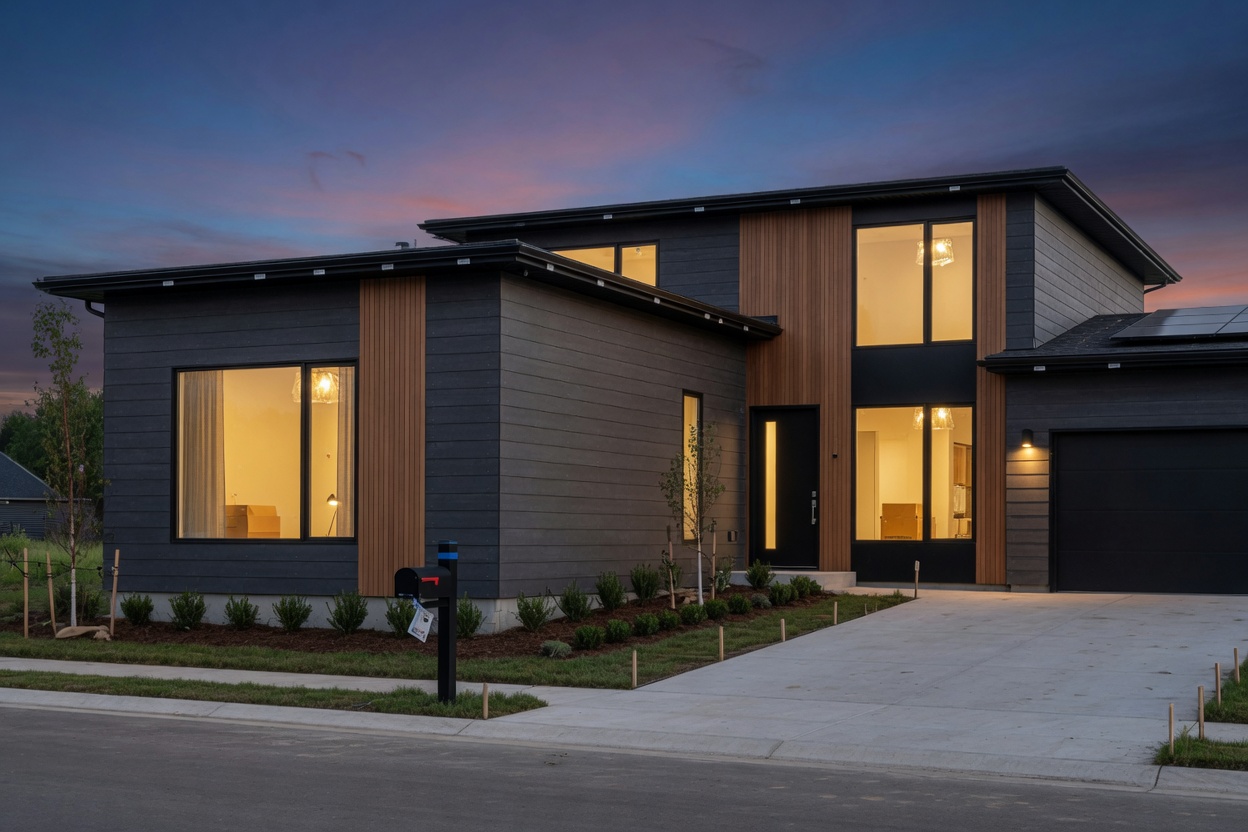
A purpose-built layout - a bunk room designed for a group of eight, a separate entrance built for two households sharing one property, a kitchen island sized for a crowd - gives a host a genuinely good story to tell. The layout was designed with an actual guest experience in mind, not repurposed from a house that happened to have extra bedrooms. That story is worth telling well. It is not worth telling before the first photo, the parking note, and the access instructions already match what a guest finds when they arrive.
This page is about that ordering problem specifically: what to finish before investing in amenity storytelling, and what a storytelling effort can and cannot fix on its own. It does not guess at occupancy lifts, booking increases, rankings, or fee schedules, because none of those figures exist in a verifiable form for this topic. This is not legal advice, and any local rules or contract questions that come up around a purpose-built layout should go to a qualified professional rather than a marketing page.
Start With Operable Listing Facts Before Amenity Storytelling
Soft marketing slogans about a purpose-built layout, published without the operable facts a guest needs, create work nobody can staff on Saturday. A beautifully written paragraph about a bunk room "designed for connection" does not tell a guest where to park or what time quiet hours start, and a guest who cannot find those facts will text about them regardless of how good the amenity story reads.
Before writing anything about the layout's design intent, confirm the basics are already true on the public listing: does the first photo show the actual space a guest will walk into, do the house rules name access and quiet hours plainly, and does the parking note match what exists today. If any of those is off, fix it first. Amenity storytelling is a layer added on top of an accurate foundation, not a substitute for one.
Date each change made to the listing and tie the next inbox theme back to the specific line that was edited. This habit - one dated edit, one specific thing to watch for afterward - is what turns a listing update into something a host can actually learn from, rather than a vague sense that things got better.
Write Against the Questions Already in the Inbox
The best source material for amenity storytelling is not a mood board - it is the parking, access, and quiet-hours questions that have already arrived in the guest inbox, plus whatever confusion keeps coming up about the first photo specifically. If guests keep asking whether the layout actually sleeps the number advertised, that question belongs in the listing description before it belongs in a storytelling caption.
One-house hosts in particular should finish one public object this week - the parking note, the first-photo caption, or the access instructions - before expanding into a broader storytelling project. A single, dated, verifiable fix is worth more than a wide storytelling push that never touches the specific line guests are actually asking about.
When a comparison to another property or town is useful for context, keep that figure on its own labeled line pulled from a live report, never blended into a host's own numbers. An unlabeled comparison eventually gets read as a claim about the host's own listing, which is a mistake worth avoiding even in casual internal notes.
Retire Soft Decks That Never Touch the About Section
A host who commissions a full storytelling deck - photography, copy, a narrative arc about the layout's design philosophy - without ever updating the listing's about section or house rules has spent money on a presentation that the guest booking the stay will never see in the place that actually matters. The deck can be beautiful and still fail, because a guest does not read a pitch deck before checking in; they read the listing.
If the first photo and the house rules still disagree with what a guest finds on a Saturday, pause the storytelling project until that gap closes. This page will not guess at occupancy, booking lift, rankings, or any package pricing for storytelling services, because no verified figures like that exist here. Confirm contracts and any local rules that come up with a qualified professional - this is not legal advice.
The Composite Failure Pattern
The failure this page is built to prevent looks like this: a host publishes soft slogan or framework language about the purpose-built layout while parking, access, or the actual scale of the unit stays unnamed on the listing itself. Guests complain about the mismatch even as engagement charts on the storytelling content move in the right direction, because the chart and the guest experience are measuring two entirely different things.
The fix is to rewrite the public listing line first - the specific sentence that misdescribes access or scale - and only then decide whether the broader storytelling framework still belongs. Inbox themes are the actual audit here, not vanity engagement metrics on their own. A caption that performs well and a guest experience that keeps generating the same complaint are not in tension; the caption is simply measuring the wrong thing.
What a Single Week Can Realistically Finish
For most independent hosts, the realistic unit of progress here is one public object per week: title honesty, the first photo's scale accuracy, a parking clarification, an access instruction, or a quiet-hours note. Pick one, make the edit, date it, and watch the next round of inquiries before moving on to a second storytelling deck or framework.
Depth in this kind of work comes from expanding verified operating facts, not from adding more decorative layers. Stop when Saturday no longer surprises anyone - when the guest who arrives finds what the listing described. That is the actual finish line for this phase of work, well before any storytelling project is considered complete.
When Storytelling or Hired Help Becomes Optional
If the listing already matches arrival - the photos, the house rules, the access instructions are all accurate - additional storytelling frameworks are optional load rather than a required next step. Hire outside help only against a named operable gap once the public-facing facts are already honest, and reject any deliverable from a hired professional that never actually touches the about section or house rules, because that kind of deliverable cannot close the gap it was hired to close.
A useful comparison here is a genuine before-and-after on a similar house - what the listing said before an edit and what it says now - rather than a costume comparison built from unrelated market averages. The before-and-after tells a host whether the specific change worked; the costume comparison tells them nothing about their own listing.
Five Anti-Patterns to Retire
The recurring failures here are specific enough to name directly: launching a storytelling deck while access copy still misdescribes the layout, blending an unlabeled neighbor-town figure into a host's own notes, pausing guest replies to finish a template or framework, measuring success by polish alone without checking whether any listing line actually changed, and treating a moving engagement chart as proof that trust improved when the underlying complaint has not gone away.
None of these require abandoning amenity storytelling altogether - the layout genuinely deserves a good story once the foundation underneath it is accurate. What they require is sequencing the work correctly: operable facts first, story second, and a clear-eyed check afterward on whether the story actually changed anything a guest noticed.
Related Reading
More independent-host reading on honest listing copy, distribution, and when hiring help is worth it.
Frequently Asked Questions
What should a host finish before starting amenity storytelling for a purpose-built layout?
The title, first photo, and house rules need to already match what a guest finds at arrival - especially parking, access, quiet hours, and the actual scale of the space. Soft storytelling published on top of an inaccurate listing creates work nobody can staff on the actual Saturday a guest checks in.
What figures does this page refuse to estimate?
Occupancy lifts, booking lifts, rankings, fee tables, and unlabeled neighbor-town blends. None of those are verifiable from this research, and confirming contracts or local rules with a qualified professional is the right move rather than treating a marketing page as that kind of guidance.
How can a host tell whether a listing edit actually worked?
Date the edit and watch whether the specific inbox theme it targeted changes in the following weeks. If the same pre-arrival question about the layout keeps repeating after the edit, the public-facing copy still lags what the edit intended, regardless of how the new sentence reads to the host who wrote it.
What is the composite failure this page is trying to prevent?
A host publishing soft storytelling or framework language about a purpose-built layout while parking, access, or the unit's actual scale stays unnamed on the listing, so guests keep complaining even as engagement metrics on the storytelling content look fine. The listing line needs rewriting before any broader framework is worth keeping.
How should a comparison to another listing or town be handled?
On its own clearly labeled line, sourced from a live report, and never blended into a host's own figures. An unlabeled comparison tends to get read later as a claim about the host's own property, which turns a useful reference point into an accidental overstatement.
When does hiring outside help for amenity storytelling make sense?
Only after the listing's public-facing facts are already honest and there is a specific, named gap that hiring would close. A hired deliverable that never actually updates the about section or house rules cannot close a gap that lives in those specific fields, no matter how polished the deliverable itself looks.
What can a single week realistically accomplish here?
One dated, verifiable edit - title honesty, first-photo accuracy, a parking clarification, or an access or quiet-hours note - checked against the next round of inquiries before moving to a second project. This is a more realistic unit of progress than a full storytelling deck attempted all at once.
What are the recurring anti-patterns hosts should retire?
Launching a storytelling deck while access copy still misdescribes the layout, blending unlabeled neighbor-town figures into personal notes, pausing guest replies to finish a template, measuring success by polish alone, and treating a moving engagement chart as proof of improved trust when the underlying guest complaint has not actually changed.
Is amenity storytelling ever unnecessary?
Yes - stopping is a legitimate outcome once a listing is no longer surprising anyone at check-in, not a sign the work is incomplete. Extra decorative layers do not improve a listing that is already telling the truth; they just add more content to maintain without changing what a guest experiences.
What proves a storytelling effort actually helped?
A genuine before-and-after on the same listing - what a specific line said before the edit and what it says now, checked against real inquiries and reviews - not a costume comparison pulled from unrelated market averages. The before-and-after answers whether this listing changed; the costume comparison does not.
Work with Crest & Cove Creative
A beautifully told amenity story can't fix a first photo that still misrepresents the layout guests will actually find. Match the listing to Saturday before spending on the story about it.
Send us the current listing for your purpose-built layout and we'll flag where the copy or photos still outrun what a guest finds at arrival. Reach out and we'll help you sequence the storytelling work so it lands after the foundation is already true.
Reach out at crestcove.co or (256) 998-7502.


Comments