
Cape May, NJ STR Market Report for Independent Hosts

Updated: Aug 28

Cape May does not behave like the rest of the Jersey Shore, and treating it as a generic beach town data point misses the actual story. It is the nation's premier Victorian-heritage beach destination, a National Historic Landmark district where gingerbread trim, wraparound porches, and walkable streets built more than a century ago sit two blocks from the Atlantic. That combination stacks a genuine architecture-and-history premium on top of ordinary beach demand, and it means a host or buyer trying to read this market with the same lens they'd use on Wildwood or Ocean City is going to misread it.
The clearest way to understand Cape May's short-term rental economy is to stop treating it as one market. It is really two markets that happen to share a zip code. The same caution applies to Cape May's municipal short-term rental ordinance. There is a fixed, non-expanding supply of true period Victorians in a federally recognized historic district, and a listing that photographs and markets that character well is competing in a pool that a beach town without Cape May's architectural pedigree simply cannot enter.
Most market reports treat Cape May as one line item in a larger Jersey Shore roundup, next to Wildwood or Ocean City, differentiated only by price. That framing misses what actually makes this town's rental economy work, and it is the wrong lens for anyone trying to make a real decision about buying, listing, or marketing a Cape May property in 2026.
Historic Core vs. Beachfront: Two Markets Under One Name
The first market is the historic-district core: the streets of Victorian-era homes within walking distance of Washington Street Mall, the promenade, and the town's dense concentration of house-museum architecture. Properties here compete on scarcity and character. There is a fixed, non-expanding supply of true period Victorians in a federally recognized historic district, and a listing that photographs and markets that character well is competing in a pool that a beach town without Cape May's architectural pedigree simply cannot enter.
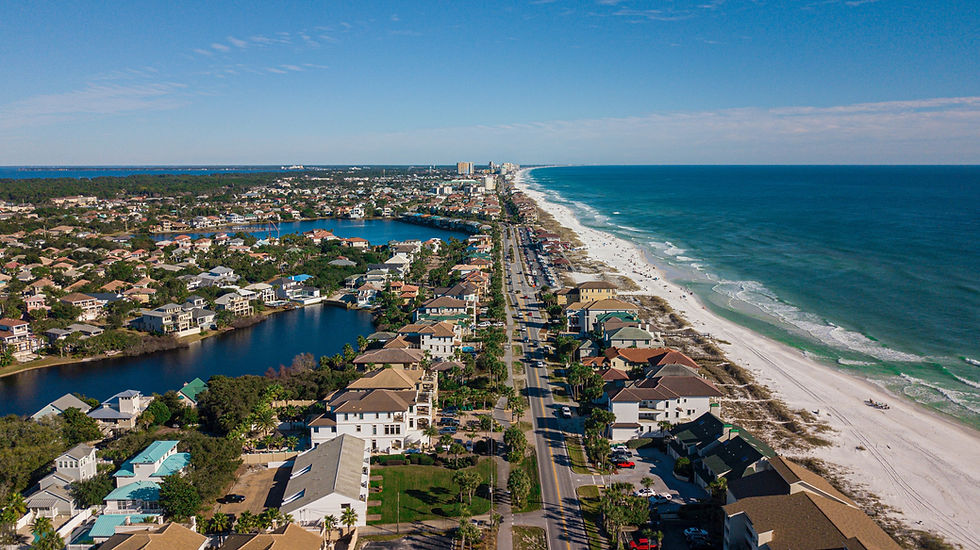
The second market is West Cape May and the town's beachfront submarkets, where properties compete more like a conventional shore town: on distance to sand, parking, and standard beach-house amenities. These homes can still perform well, but they are competing on the same terms as Wildwood Crest or Avalon, not on heritage. A newer build two blocks from the water in West Cape May is not selling a Victorian Week weekend to a heritage traveler. It is selling a beach week to a family, and it needs to be priced and marketed accordingly.
A market report that averages these two submarkets together produces a number that describes neither one accurately. A serious buyer or self-managing host needs to know which pool a specific property sits in, because the demand drivers, the guest expectations, and the realistic ceiling on rate all diverge from there. That combination stacks a genuine architecture-and-history premium on top of ordinary beach demand, and it means a host or buyer trying to read this market with the same lens they'd use on Wildwood or Ocean City is going to misread it.
What Pulls Guests to Cape May Outside of Summer
Cape May's demand calendar extends well beyond the standard June-through-August beach window, and the reasons are specific to this town rather than generic to the Jersey Shore. Birders plan trips around specific migratory windows, and a town with Cape May's reputation on the birding calendar pulls a guest who is booking with real purpose and real lead time, in months that would otherwise sit quiet for most other shore towns.
Cape May sits on a major Atlantic migratory flyway, and it draws a dedicated birding-tourism audience across spring and fall. This is not a casual nature-walk crowd. Birders plan trips around specific migratory windows, and a town with Cape May's reputation on the birding calendar pulls a guest who is booking with real purpose and real lead time, in months that would otherwise sit quiet for most other shore towns.
Layered on top of the birding calendar is a food-and-wine festival circuit, Victorian Week each fall, and a genuine holiday and Christmas season draw built around the town's decorated Victorian streetscape. Each of these events creates a dated, specific booking window rather than a generic seasonal bump, and each pulls from the same base: an affluent Philadelphia, New York City, and Washington, D.C. drive-market audience that treats a Cape May weekend as a destination in its own right, not a fallback when the beach towns closer to home are full.
The practical result is that Cape May's shoulder seasons carry real, event-anchored demand in a way that a lot of comparable shore towns simply do not have. That is a structural advantage for a host or investor thinking about occupancy across a full calendar year rather than just the fourteen peak summer weeks. Cape May's demand calendar extends well beyond the standard June-through-August beach window, and the reasons are specific to this town rather than generic to the Jersey Shore.
A Market of Individual Owners, Not Consolidated Brokerages
Cape May's ownership structure looks different from a lot of mature vacation-rental markets. This is a fragmented scene of individual heritage-home owner-operators rather than a market dominated by a handful of large property-management brokerages controlling most of the inventory. Many of the historic-core Victorians are owned and managed by the same family or individual who bought and restored the property, not by a regional management company running dozens of near-identical units off a shared template.
That fragmentation matters for anyone competing in this market. It means no single competitor has already standardized the best way to market a Cape May Victorian at scale, and it means listings vary widely in quality: some owners invest heavily in professional photography and copy that captures the architecture, while plenty of others still run generic beach-house listing templates on properties that could be commanding a real heritage premium. For a marketing-focused audience, that gap between what these properties are and how they're currently presented is the single biggest opportunity in the market, and it is a theme this cluster returns to directly in the companion piece on whether a marketing agency is worth it for a Cape May owner.
What a Historic-Core Listing Actually Needs to Compete On
A property in the historic core is not competing against every other Cape May rental. It is competing against a small pool of other true Victorians within walking distance of the same streets, and the guest shopping in that pool has already decided they want architectural character, not just a beach week. That means the property's period details, its porch, its proximity to Washington Street Mall, and its walkability to the promenade are the actual selling points, not an afterthought to mention after the bedroom count.
It also means the guest booking a historic-core Victorian tends to be a different traveler than the one booking a standard beach house two towns over. This is often the festival-and-heritage guest, or the architecture-focused traveler choosing Cape May specifically for its National Historic Landmark identity, both of whom this cluster covers in detail in the guest persona breakdown linked below. A historic-core owner who understands that distinction can price and photograph toward it. One who defaults to generic beach-house marketing is leaving the scarcity premium on the table.
What a West Cape May or Beachfront Listing Competes On
A property in West Cape May or one of the town's beachfront submarkets is playing a different game, and it is worth naming plainly rather than pretending every Cape May listing should chase the same Victorian-heritage angle. These properties compete on distance to sand, parking, updated interiors, and standard shore-town amenities, the same variables that decide bookings in Wildwood Crest, Avalon, or Stone Harbor.
That is not a weaker position, but it is a different one. A beachfront owner trying to layer heritage language onto a property with no real architectural story is working against the listing rather than for it. The better move for that submarket is leaning into what it actually offers: beach proximity, straightforward family-friendly amenities, and, where relevant, the same festival and holiday calendar that pulls Philadelphia, New York, and D.C. drive-market guests to Cape May outside of summer, even if the property itself isn't a Victorian.
What the Data Still Needs to Confirm
This report intentionally does not manufacture precision it cannot back up. Current average daily rate, occupancy, and active short-term rental listing counts for Cape May are not confirmed in the research behind this cluster, and any host or investor using this report should treat specific figures on those points as needing direct verification against current listing-platform data before making a pricing or purchase decision.
The same caution applies to Cape May's municipal short-term rental ordinance. The city does require rental licensing and, for historic-core properties, some level of design oversight on exterior changes, but the exact registration process, fees, and the boundaries of what counts as a historic-district review trigger are specific enough that they deserve their own dedicated explanation rather than a paragraph here. This cluster covers that ground in full in a separate regulation guide, and any reader weighing a purchase or a new listing in Cape May should treat that as required reading before assuming what applies.
Where This Leaves a Buyer or Host Heading Into the Year
Put the pieces together and Cape May reads less like a single beach-town data point and more like two adjacent markets with different demand drivers, different ownership patterns, and different marketing needs. A historic-core Victorian is selling architecture, walkability, and a scarcity that no other Jersey Shore town can replicate. A West Cape May or beachfront property is selling proximity to sand on largely the same terms as its neighbors up and down the coast, with a boost from the same festival calendar when it's marketed well.
The event-anchored demand from birding season, the food-and-wine circuit, Victorian Week, and the holiday season stretches the useful season for both submarkets well past summer, provided a listing actually names those windows rather than leaving them implicit. And because ownership here is genuinely fragmented rather than consolidated under a few large brokerages, the properties that lean into what makes them specific, whether that's heritage character or straightforward beach access, tend to outperform the ones running a generic template. That is the real starting point for anyone deciding how to position a Cape May rental this year, and it's the thread the rest of this cluster picks up in more tactical detail.
Frequently Asked Questions
Is Cape May, NJ one short-term rental market or two?
The historic-district core, with its concentration of Victorian-era homes near Washington Street Mall, competes on architectural scarcity and walkability. West Cape May and the town's beachfront submarkets compete more like a conventional shore town, on proximity to the beach. Averaging performance across both pools obscures what is actually driving demand in each. The second market is West Cape May and the town's beachfront submarkets, where properties compete more like a conventional shore town: on distance to sand, parking, and standard beach-house amenities.
What makes Cape May's demand calendar different from other Jersey Shore towns?
Cape May sits on a major Atlantic migratory flyway and draws a dedicated birding audience each spring and fall, on top of a food-and-wine festival circuit, Victorian Week, and a strong holiday season draw. Those events pull an affluent Philadelphia, New York City, and Washington, D.C. drive-market guest well outside the pure summer window, giving Cape May real shoulder-season demand that a lot of comparable shore towns don't have.
Who owns most of the short-term rentals in Cape May?
The market is fragmented among individual heritage-home owner-operators rather than concentrated under a handful of large property-management brokerages. That means listing quality varies widely from property to property, and it also means no single competitor has already standardized how to market a Cape May Victorian at scale. This is a fragmented scene of individual heritage-home owner-operators rather than a market dominated by a handful of large property-management brokerages controlling most of the inventory.
Are current ADR and occupancy figures for Cape May available?
Not within the research behind this report. Hard performance figures and active listing counts should be verified directly against current listing-platform data before they're used in a pricing or investment decision, rather than assumed from general Jersey Shore benchmarks. Current average daily rate, occupancy, and active short-term rental listing counts for Cape May are not confirmed in the research behind this cluster, and any host or investor using this report should treat specific figures on those points as needing direct verification against current listing-platform data before making a pricing or purchase decision.
Does Cape May have special short-term rental rules because of its historic district?
The city requires rental licensing citywide, and historic-core properties can face additional design-review requirements for exterior work. The specific mechanics of registration, fees, and what triggers historic-district review are covered in full in this cluster's dedicated regulation guide, linked above. The city does require rental licensing and, for historic-core properties, some level of design oversight on exterior changes, but the exact registration process, fees, and the boundaries of what counts as a historic-district review trigger are specific enough that they deserve their own dedicated explanation rather than a paragraph here.
How does Cape May's birding season affect rental demand?
Cape May sits on a major Atlantic migratory flyway and draws a dedicated birding-tourism audience across spring and fall. Birders plan trips around specific migratory windows with real lead time, which gives listings near known birding sites meaningful demand outside the typical summer season. Birders plan trips around specific migratory windows, and a town with Cape May's reputation on the birding calendar pulls a guest who is booking with real purpose and real lead time, in months that would otherwise sit quiet for most other shore towns.
Why does Cape May's fragmented ownership structure matter for a buyer or host?
Because inventory isn't consolidated under a handful of large brokerages, listing quality varies widely from property to property. Some owners invest in professional photography and copy while others still run generic beach-house templates on properties that could command a real heritage premium, which is the core marketing opportunity in this market. It means no single competitor has already standardized the best way to market a Cape May Victorian at scale, and it means listings vary widely in quality: some owners invest heavily in professional photography and copy that captures the architecture, while plenty of others still.
Should a West Cape May or beachfront property try to market itself as a Victorian heritage listing?
A property without genuine period character does better leaning into what it actually offers, beach proximity, straightforward amenities, and the same festival and holiday calendar that pulls visitors outside of summer, rather than forcing a heritage angle it cannot back up. Cape May's two-market split, festival calendar, and fragmented ownership are exactly the conditions where a generic beach-house listing leaves real revenue on the table. Whether a property sits in the historic core or out toward the beachfront changes what the listing should actually be selling, and most owners here are competing against individual neighbors, not.
Related Reading
Keep reading on same-cluster Crest & Cove pages that stay on labeled local lines without costume-corridor copy.
Cape Elizabeth Maine STR Market Report for Independent Hosts
Reading the Massachusetts Outer Cape North Shore Short-Term Rental
Cape Fear Brunswick Islands STR Market Report for Independent Hosts
Eastern Shore VA STR: No Invented Town Years, Visitor $ Kept
Is Cape May a Smart Short-Term Rental Investment? Independent Hosts
Str Marketing Agency Worth It Cape May: What Independent Hosts Should
Is an STR Marketing Agency Worth It for Cape Fear Coast Brunswick
Work with Crest & Cove Creative
Cape May's independent inventory isn't consolidated under a few brokerages, so listing quality swings wildly, and a beachfront property without real Victorian character undersells itself by chasing a heritage angle it can't back up.
We help Cape May hosts market what their property actually offers, beach proximity and the festival calendar, instead of borrowing a Victorian-heritage story that belongs to a different listing.
Reach out at crestcove.co or (256) 998-7502.


Comments