
Character Details Beat Generic Livability Claims in Photos

Updated: Aug 27

Every short-term rental listing claims to be clean, comfortable, and fully equipped. Those words appear so often in search results that guests stop reading them. What actually earns a click, and later a booking, is a detail a guest can picture and verify: the specific fireplace, the specific reading nook, the specific view. This is the practical difference between a generic livability claim and a real character detail, and why swapping one for the other is one of the highest-leverage edits an independent host can make without spending a dollar on new photography.
This is a general strategy article, not a market report. Nothing below is a promise of a booking increase, a ranking change, or a specific revenue outcome. It's a way to look at your own listing photos and copy with a guest's eyes instead of a host's habits. This is not legal advice.
Why Generic Livability Claims Fall Flat
A search results grid for any popular destination shows dozens of listings using nearly identical language: clean, comfortable, quiet, fully equipped, close to everything. When every competitor uses the same words, those words stop functioning as information and start functioning as noise. A guest scanning twenty thumbnails can't use "cozy" to tell your property apart from the one next to it, because every host describes their property as cozy.
A specific detail works differently. A sentence naming a wood-burning stove, a claw-foot tub, or a hand-built farmhouse table gives the guest something to picture and something the photo can prove in the same glance. It also signals honesty: a made-up mood is easy to write, but a specific object either exists in the house or it doesn't, and guests have gotten good at sensing the difference between the two.
None of this means livability words are forbidden. "Clean" and "quiet" still matter as filters guests use to rule properties out before they ever get to the character details. The problem is treating them as the whole pitch instead of the baseline every listing needs to clear before a character detail can do the work of standing out from the rest of the search grid.
Think of it as two separate layers a listing has to get right, in a specific order. The livability layer is the entry ticket: a guest who suspects a property isn't actually clean or actually quiet won't get far enough into the listing to notice anything else about it, no matter how distinctive the fireplace is. The character layer is what happens after that entry ticket is punched - it's the reason a guest picks this specific clean, quiet property over the six other clean, quiet properties also showing up in their search results. Skipping straight to character copy without first clearing the livability bar wastes the character detail's persuasive power on a guest who was never going to get that far anyway.
What Actually Counts as a Character Detail
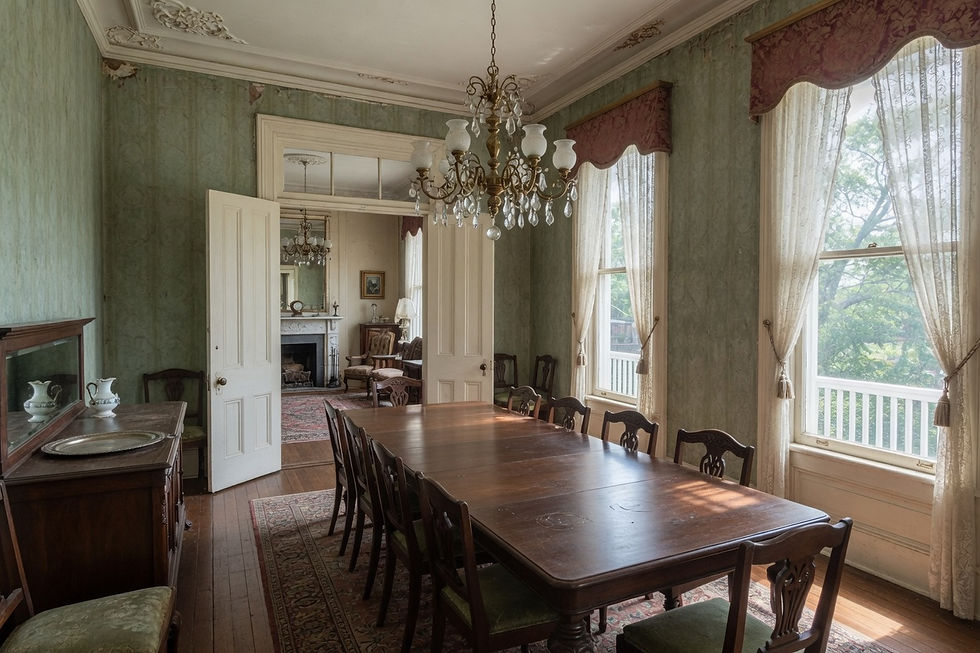
A character detail is anything specific, visible, and tied to a real object the guest will encounter during the stay. It doesn't have to be architectural or expensive. A curated bookshelf, a local artist's painting on the living room wall, a record player with a small vinyl collection, or a porch swing facing a documented view can all function as character details, because each one is a concrete thing a guest can look forward to and then photograph themselves during the stay.
The test is simple: can you point at the object in the house, and would it still be there if a guest showed up unannounced? "Charming" fails that test because it describes a feeling, not a thing. "Original 1920s hardwood floors" passes because a guest can look down and see it. This distinction matters most in the title, the first line of the description, and the caption of the lead photo, since those are the spots most likely to be read before a guest decides whether to click further into the listing.
Character details also differ from the standard amenity list. Amenities answer practical filtering questions: does it have parking, how many bedrooms, is there air conditioning. Character details answer a different question guests ask once they've already narrowed the field: which of these otherwise-similar options do I actually want to stay in. Both layers matter, but they do different jobs, and neither should be dropped in favor of the other.
A useful way to sort candidate details is to ask whether the detail is unique to this property or shared with most comparable listings nearby. A gas fireplace is common enough in a mountain-cabin market that naming it alone won't differentiate much; a specific, named piece of furniture, a documented view of a specific landmark, or a distinctive design choice tied to the property's actual history does more work precisely because a competing listing can't simply copy the sentence and have it be true for their own property too.
Finding the Character Details Already in Your Property
The fastest way to find real character details is to reread your own guest reviews and past messages. If more than one guest has mentioned the reading nook, the porch swing, or the fireplace without being prompted, that detail is already doing marketing work for free, whether or not it currently appears in your listing copy or lead photo.
Next, walk through the property the way a first-time guest would, starting at the front door, and note anything you'd photograph if you were the one on vacation there. Hosts who live near their property and hosts who manage remotely both tend to stop noticing details that a first-time visitor would find distinctive, simply from familiarity built up over repeated visits.
If nothing distinctive turns up inside the house, look at the setting instead. Walking distance to a named landmark, a documented water view, or a neighborhood feature a guest can verify on a map can serve the same function as an interior detail. What matters is specificity, not location. Never guess a feature the property doesn't have; a guest who arrives expecting a claw-foot tub that turns out to be a standard shower unit will write a review about that gap, not about the rest of the stay.
A third source worth checking, beyond reviews and a fresh walkthrough, is anyone who's recently seen the property with new eyes - a cleaner, a contractor, a friend staying over, or a co-host. People who visit occasionally rather than living with the property day to day often notice exactly the kind of detail an owner has stopped seeing: a particular light at a certain hour, a corner that photographs unusually well, a small fixture that guests keep asking about. Asking one of these occasional visitors what stood out to them can surface a detail faster than another solo walkthrough of a space you already know too well.
Common Mistakes Hosts Make With Character Copy
A few patterns show up repeatedly when hosts try to add character to their listings and end up making things worse instead of better. The first is piling on adjectives instead of naming an object: a description crowded with "charming," "unique," and "special" reads as filler precisely because none of those words point at anything a guest can verify, and stacking more of them doesn't fix the underlying problem - it just makes the copy longer without making it more specific.
The second common mistake is burying the one genuine character detail a property has on page three of the photo gallery instead of leading with it. A guest deciding whether to click into a listing rarely scrolls past the first few thumbnails, so a distinctive reading nook or a documented view photographed only deep in the gallery is doing almost none of the marketing work it could be doing in the lead position.
The third mistake is guessing or exaggerating a detail that doesn't hold up on arrival - describing a feature as a full library when it's really a shelf of paperbacks, or calling a partial tree-line glimpse a mountain view. This backfires specifically because character details work by being verifiable; a guest who catches the gap between the listing's claim and the actual property doesn't just discount that one detail, they start questioning everything else the listing says.
The fourth mistake is letting character copy go stale after a renovation or a change in furnishings. A listing that still describes a claw-foot tub that was replaced during a bathroom remodel two years ago isn't lying on purpose, but the guest experience is the same either way: an expectation set by the listing that the property no longer meets. Character details need the same periodic accuracy check that house rules and amenity lists get, not a one-time write-up that's never revisited.
A fifth mistake, less common but worth naming, is using the same character detail in every room's caption or every seasonal update, which flattens exactly the specificity that made the detail work in the first place. If the reading nook shows up in the caption of five different photos, or the same sentence about the porch swing appears in every monthly listing refresh regardless of season, guests start reading it the same way they read "cozy" - as filler rather than information. Rotating which specific detail gets emphasis, and updating the seasonal framing around it, keeps the copy doing real work instead of becoming its own kind of background noise.
A Simple Monthly Photo and Copy Audit
You don't need occupancy data or analytics access to run this check, and a single host managing one property can complete it in under twenty minutes. Open the public listing as a guest would and ask three questions.
First, does the lead photo match the first sentence of the description? If the copy promises a view or a feature, that should be visible in the first image a guest sees, not buried on page three of the gallery. Second, does the about section name at least one concrete, checkable detail rather than only generic adjectives? Third, do the house rules still reflect current reality - current parking instructions, quiet hours, and trash pickup day - since these are the details most likely to drift out of date after a season or a change in local ordinances.
Run this same three-question check any time you update photos, change a house rule, or notice a review mentioning something the listing doesn't currently describe. A five-minute monthly habit catches most of the drift between what the listing promises and what the house actually delivers, which is the gap that generates the review comments hosts most want to avoid in the first place.
It's worth treating this audit as a standing calendar item rather than something done only when a listing feels stale or a booking pace slows down. Waiting for a problem to show up in occupancy or reviews before checking whether the listing still matches reality means the gap has usually already cost a host several bookings or a negative review by the time it gets caught. A recurring monthly reminder, even a simple one, turns this from a reactive fix into routine maintenance - the same category as cleaning checks or restocking supplies, not a special project that only happens during a slow season.
Applying This Across Multiple Properties
Hosts managing more than one listing face a version of this problem that a single-property host doesn't: the temptation to write one character-detail template and lightly adapt it across every property, which reintroduces the exact genericness this whole approach is meant to fix. A multi-property host should treat each listing's audit and detail-finding process as its own separate exercise, since a detail that's genuinely distinctive at one property - a specific view, a specific piece of furniture - is often completely absent at another, and copying language across properties can accidentally describe a feature the guest won't actually find.
The upside for a multi-property host is that once this process is established for one listing, it's mostly repeatable rather than something to relearn from scratch each time: reread reviews, walk the property with fresh eyes, ask an occasional visitor what stands out, and run the same three-question monthly audit. The specific details will differ property to property, but the method for finding and maintaining them stays the same, which makes this approach scale reasonably well even for a host managing a small portfolio rather than a single property.
Related Reading
More independent-host reading on listing copy, calendars, and operable decisions guests can trust.
Frequently Asked Questions
What is a character detail in a short-term rental listing?
A character detail is a specific, verifiable feature guests will actually encounter, such as a working wood stove, a hand-built bookshelf, original heart-pine floors, or a claw-foot tub. It's something a guest can point at in person, not an adjective describing a feeling. The test is whether it would still be there if a guest showed up unannounced.
Why do generic livability claims fail to convert bookings?
Words like clean, comfortable, and fully equipped appear on nearly every competing listing, so they carry no information a guest can use to choose between similar options. A specific, photographable detail stands out precisely because a competitor can't copy it without lying, and that's exactly why it earns more attention in a crowded search grid.
Where should a host look for character details that already exist?
Start with past guest reviews and messages. If multiple guests mention the same feature unprompted, that detail is already doing marketing work for free. Then walk the property the way a first-time guest would, starting at the front door, and note anything you'd photograph if you were the one on vacation there rather than the owner.
What if the property genuinely has no standout interior feature?
Inventing a feature is a fast way to generate a bad review. Shift the specific detail to the setting instead: walking distance to a named landmark, a documented water view, or a neighborhood feature a guest can verify on a map. What matters is specificity, not whether the detail is inside the house or just outside it.
Should character copy replace the standard amenity list?
No. Amenities like wifi speed, parking, and kitchen equipment still need to be listed accurately, since guests use them as practical filters before they ever get to character details. Character details are a separate, smaller layer added on top of accurate amenity information, not a replacement for it.
How often should hosts audit their photos and copy against reality?
A monthly check is enough for most single-property hosts: confirm the lead photo matches the first line of the description, confirm house rules reflect current parking and trash-pickup reality, and confirm any seasonal features mentioned in the listing are actually available right now rather than left over from an earlier season.
What is the most common mistake hosts make with character copy?
Piling on adjectives instead of naming an object. A description crowded with words like charming and unique reads as filler because none of it points at anything a guest can verify. Naming the actual wood-burning fireplace instead gives guests something concrete to look forward to, and something the photos can prove.
Does better character copy replace the need to answer guest messages?
No. Strong listing copy reduces basic questions but doesn't eliminate the need for a responsive host. A guest who can't reach the host during a stay will still leave a review reflecting that gap, regardless of how well-written or specific the original listing description was.
Work with Crest & Cove Creative
Every listing claims to be clean and cozy - guests have stopped reading those words entirely. A specific, verifiable detail is what actually earns the click.
We help hosts turn generic livability copy into specific, verifiable character details that actually convert. Reach out at crestcove.co or (256) 998-7502. Send the live listing draft and the facts you can actually cite. We will pressure-test what stays public before you scale the claim.
Reach out at crestcove.co or (256) 998-7502.


Comments