
Complete Visitors Guide to Edgartown, MA for Hosts and Guests


Every Edgartown host eventually gets the same question from a guest a day or two into their stay: what should we actually do here? This guide is built to answer that question the way an experienced local host would — walking a guest through Edgartown the way hosts actually send people, not the way a generic regional travel article would. It's meant to double as both a guest-book resource and a mine for listing copy, since the same specific details that make a good guest recommendation also make good marketing language.
This is not a regional Martha's Vineyard guide with Edgartown's name attached to it. Every recommendation here is anchored specifically to Edgartown — its harbor, its historic district, and Chappaquiddick as the labeled day-trip extension it actually is — and the neighboring towns are named honestly as separate destinations, not folded into an undifferentiated island itinerary. This is not legal advice.
Start in the historic district
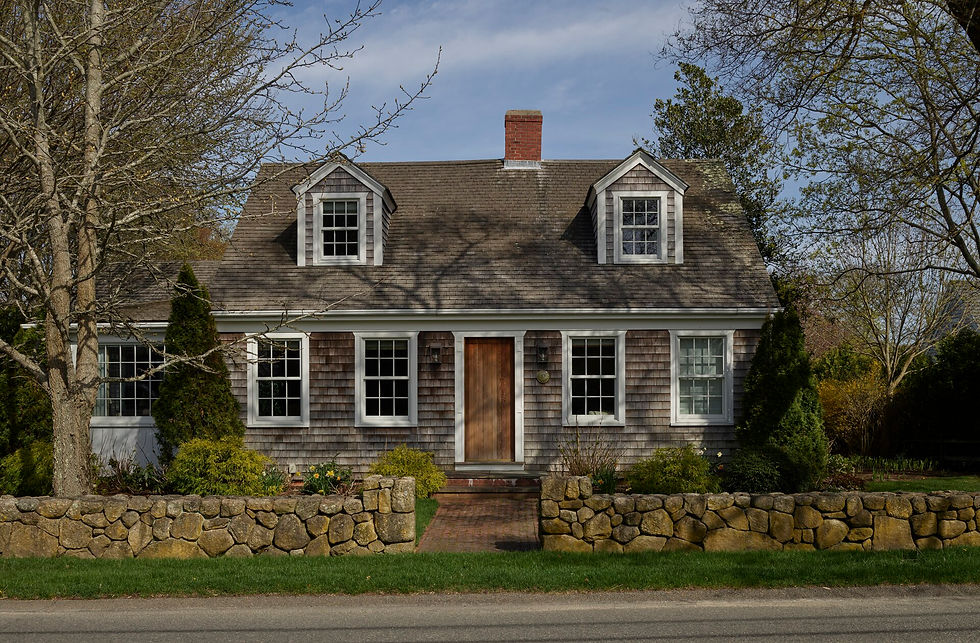
Edgartown's historic district is the town's actual center of gravity for a guest's first walk — Main Street and North Water Street lined with white clapboard captains' houses, black shutters, widow's walks that once let whaling wives watch for returning ships. This isn't a recreated or curated historic zone; it's the town's genuine architectural core, still lived in and walked through daily rather than roped off as a museum piece.
A good first recommendation to a guest is simply: walk it without a fixed destination. The Old Whaling Church, with its white steeple visible from much of downtown, and the Vincent House nearby are natural anchors for that walk, but the real value is in the streetscape itself — brick sidewalks, mature trees, a scale and quiet that rewards slow walking rather than a checklist of stops.
The harbor: boats, not a boardwalk
Edgartown's harbor is a working and recreational harbor — sailboats, the occasional classic wooden vessel, ferry traffic to and from Chappaquiddick — rather than a commercial waterfront built around shops and rides. Guests expecting an Oak Bluffs-style boardwalk scene should be told plainly that Edgartown's harbor experience is quieter and more about the view and the water itself than about waterfront commerce.
Recommending a harbor-adjacent walk or a meal with a water view is a safe, reliable suggestion for almost any Edgartown guest, since the harbor is genuinely central to what makes the town feel distinct from its Vineyard neighbors.
Chappaquiddick: a labeled day trip, not a second Edgartown
Chappaquiddick, reached by the small On Time ferry across the harbor, is a legitimate and worthwhile day trip for guests staying in Edgartown — quieter beaches, hiking and walking trails, a noticeably slower pace than downtown. It should be presented to guests exactly as what it is: a nearby, easily reached extension of the Edgartown stay, not a separate destination requiring its own overnight arrangements.
Practical guest guidance matters here: ferry hours, parking near the landing, and any current reservation requirements for specific Chappaquiddick destinations should be verified at the time a host actually shares this recommendation, since operating details shift season to season and this guide does not have a standing, always-current schedule to cite.
Eating in Edgartown
Edgartown's dining scene skews toward the town's overall character — a mix of casual and upscale options within walking distance of the historic district and harbor, generally reflecting the town's higher price point relative to some Vineyard neighbors. Specific restaurant recommendations age quickly in a seasonal market where hours, ownership, and even existence can change year to year, so a host's best move is maintaining a current, personally-verified short list rather than relying on a static guide that may reference a closed or changed business.
What's safe to say generally: guests should expect to walk to most dining options from a downtown or near-downtown property, and reservations are worth recommending for anything upscale during the June-through-August peak season when the town's population swells substantially.
Getting around without overselling walkability
Downtown Edgartown and the immediate historic district are genuinely walkable, and a property within that zone doesn't need a car for most day-to-day activity. Properties further from downtown are a different story, and a host should be honest with guests about actual walking distance rather than a generic "walkable" claim that doesn't hold up once a guest is actually on foot with grocery bags or beach gear.
Bikes are a popular and practical way to cover more ground than walking allows without needing a car, and Edgartown's relatively flat, compact geography suits biking well for guests comfortable with it. A host whose property has bike storage or is near a bike rental option should mention this directly, since it's a genuinely useful piece of practical guidance, not just a marketing amenity.
Parking realities in the historic district
Edgartown's historic district has narrow streets and genuinely limited on-street parking, and this is worth telling guests directly rather than letting them discover it on arrival. A host whose property includes dedicated parking should say so clearly and specifically in both the listing and the guest book, since parking anxiety is a real and common source of guest stress in this particular town's downtown core.
For guests without dedicated parking, honest guidance about the nearest public parking options — without guessing specific current rates or regulations that need to be verified locally — is more useful than silence on the topic, which tends to produce a frustrated guest circling the historic district looking for a spot.
Shopping in the historic district
Main Street and the surrounding historic-district blocks hold a mix of independent shops — clothing, home goods, art, the kind of small-business retail that tends to define a walkable New England downtown rather than a mall-style shopping experience. This is worth mentioning to guests as a low-key activity for an afternoon, particularly on a day when beach conditions aren't ideal.
As with dining, specific shop recommendations change over time as businesses open and close, so the more durable guidance is simply pointing guests toward the historic-district core itself as the right place to browse, rather than naming individual businesses that may not be current by the time a guest reads the recommendation.
A note on noise and quiet hours
Edgartown's historic district is largely residential alongside its commercial core, and guests should understand that this is a lived-in neighborhood, not an entertainment district — late-night noise, loud gatherings, or a party-house approach to a stay is likely to draw neighbor complaints quickly in a town with this character. Setting that expectation clearly, ideally in the listing description itself and reinforced in the guest book, heads off a common source of guest-host friction before it starts.
This isn't a compliance requirement being described here — it's a practical, town-character point. Edgartown's appeal for many guests is precisely its quiet, historic evening atmosphere, and a host who protects that atmosphere (both for neighbors and for other nearby guests) is protecting the exact quality that drew most of these guests to this town over a livelier alternative in the first place.
What to skip labeling as "Edgartown"
Oak Bluffs' gingerbread cottages, its Ferris wheel, and its nightlife scene are a genuinely fun day trip from Edgartown, but they should be labeled honestly as an Oak Bluffs excursion, not folded into an "Edgartown experience" that implies they're part of this town's own character. The same goes for Tisbury's Vineyard Haven ferry-town scene. Guests generally appreciate this kind of honest labeling — it helps them plan a multi-town day rather than being confused about which town they're actually standing in.
This distinction matters for the same reason it matters in listing marketing: Edgartown's specific identity is worth protecting and presenting clearly, both to guests deciding where to stay and to guests already staying who are deciding how to spend their day.
Seasonal guidance: what's open when
AirROI's Edgartown data confirms June through August as the town's peak season, and January through March as its quietest stretch — and that seasonal rhythm affects what's actually open and operating, not just booking demand. A summer guide heavy on specific business recommendations may be substantially less useful to a winter guest, when some seasonal businesses close entirely and the town's pace slows dramatically.
A host building a guest book that covers the full calendar should maintain separate notes for peak-season and off-season guests rather than a single static document, since recommending a summer-only business to a guest visiting in February produces exactly the kind of frustrating dead-end this guide is trying to help hosts avoid.
Beaches, honestly labeled by which are Edgartown's
Edgartown has its own beach access, and guests deserve an honest picture of what's genuinely close versus what requires a longer drive or a Chappaquiddick crossing. A host should be specific about which beach is actually walkable or a short bike ride from the property versus which requires a car or the ferry, rather than a blanket "beaches nearby" claim that leaves a guest guessing on arrival day.
Current beach access rules, parking permits, and any seasonal restrictions should be verified locally at the time a host shares this guidance, since these details are exactly the kind that shift from year to year and this guide does not have a standing, always-accurate set of rules to publish. This is not legal advice.
A rainy-day plan for Edgartown
Not every day of a Vineyard stay is a beach day, and a host who has a ready answer for a guest asking "what do we do if it rains" adds real value beyond the standard sunny-day itinerary. The historic district itself holds up reasonably well as an indoor-adjacent activity — house museums, small shops, and covered dining options exist within the same walkable core recommended for a first day's exploration.
This is another category where specific current recommendations age faster than general guidance, so a host is better served maintaining their own short, personally verified list of rainy-day options than relying on anything that isn't checked each season.
Traveling with kids in Edgartown
Edgartown's pace — quieter, more historic-district-focused, less built around amusements than Oak Bluffs — is worth setting accurate expectations about for families traveling with children. That's not a knock on the town; plenty of families specifically choose Edgartown for exactly that quieter, walkable character, but a family expecting an Oak Bluffs-style Ferris-wheel-and-arcade scene should know before they arrive that Edgartown offers a different, calmer experience.
Harbor walks, beach time, and a Chappaquiddick day trip tend to work well for families at almost any age, and a host who frames Edgartown honestly this way sets a family guest up for a better match between expectation and reality than a listing that oversells activity-heavy entertainment the town doesn't really offer.
Keeping this guide current, season to season
A guest guide built once and never revisited tends to age poorly in a seasonal market like this one — businesses close, ferry schedules shift, and a host's own understanding of the town deepens with every season of hosting. Treating this guide as a living document, updated at least once a year before the season's first guests arrive, keeps it useful rather than becoming a source of outdated recommendations that erode guest trust.
The most practical version of this discipline is simple: whenever a host personally tries something new in town — a restaurant, a shop, a Chappaquiddick trail — that's the moment to add or update the guest-book entry, rather than trying to reconstruct the whole guide from memory once a year. Small, continuous updates beat an annual rewrite.
Using this guide as a listing-copy mine
Beyond its role as a guest resource, this guide doubles as a source for listing description language — the historic-district texture, the harbor's working character, Chappaquiddick as a clearly labeled day trip, are all details that make for stronger, more specific listing copy than generic Vineyard language. The how-to-market post in this cluster goes deeper on exactly how to weave these details into titles, photo captions, and amenity notes.
The throughline for both uses — guest guidance and marketing copy — is the same discipline this entire cluster returns to repeatedly: be specific about Edgartown, and be honest about what belongs to a neighboring town instead.
Related Reading
More Complete Visitors Guide to Edgartown, MA for Hosts and Guests host reading on desks, calendars, and listing clarity.
Edgartown, MA STR Market Report 2026: A Harbor Town's Own Year
How to Market an Edgartown Stay Without Borrowing Oak Bluffs
Edgartown Shoulder Season: Pricing the Months Between the Ferries
Buying an Edgartown Rental in 2026: Underwrite This Town's Year
Edgartown Tourism Numbers: Why Visitor Counts Aren't Occupancy
Financing an Edgartown Rental: Reading Your Own Numbers for a Lender
Edgartown vs Dukes County: Which Desk Actually Governs Your STR
Edgartown vs Oak Bluffs: Two Towns, Two Very Different Years
Frequently Asked Questions
What should I recommend to guests visiting Edgartown for the first time?
Start with a walk through the historic district along Main Street and North Water Street, then time near the harbor, and consider a Chappaquiddick day trip via the On Time ferry if their schedule allows. Verify current hours for any specific business or ferry schedule before sharing it.
Is Chappaquiddick part of Edgartown?
It's reachable from Edgartown by the small On Time ferry and functions as a nearby day-trip extension of an Edgartown stay, but it should be presented to guests as a distinct destination requiring its own ferry crossing, not as part of downtown Edgartown itself.
Do I need a car to enjoy Edgartown?
Downtown Edgartown and the historic district are genuinely walkable, and many guests don't need a car for that core area. Properties further from downtown are a different story, and hosts should be honest about actual walking distance for their specific property.
Is parking difficult in Edgartown?
Yes, particularly in the historic district, where narrow streets and limited on-street parking are a real consideration. Hosts should tell guests directly whether the property includes dedicated parking, since this is a common source of guest stress.
Should I recommend Oak Bluffs activities to my Edgartown guests?
You can, but label it honestly as an Oak Bluffs day trip rather than folding it into the Edgartown experience — guests generally appreciate the clarity, and it helps distinguish the two towns' distinct characters.
What's the best time of year to visit Edgartown?
AirROI data confirms June through August as Edgartown's peak season with the fullest range of open businesses and activity, while January through March is the quietest stretch, when some seasonal businesses may be closed.
Are Edgartown restaurants expensive?
Edgartown's dining scene generally reflects the town's higher overall price point among Vineyard towns. Specific pricing changes often enough that hosts should verify current information directly rather than relying on a static guide.
Can I bike around Edgartown instead of walking or driving?
Yes — Edgartown's relatively flat, compact geography suits biking well, and it's a popular way for guests to cover more ground than walking allows without needing a car.
Should my guest book be the same for summer and winter visitors?
No — given the seasonal shift in what's actually open, it's more useful to maintain separate summer and off-season sections or notes rather than a single static guide that may recommend closed businesses to an off-season guest.
How is this guide different from a general Martha's Vineyard visitors guide?
It's built specifically around Edgartown's own harbor, historic district, and Chappaquiddick day-trip geography, with neighboring towns like Oak Bluffs and Tisbury labeled honestly as separate destinations rather than folded into a single undifferentiated island itinerary.
Work with Crest & Cove Creative
A generic Vineyard guest book sends guests to the wrong town's highlights. This one keeps Edgartown's identity — and its neighbors' — clearly labeled.
Want this same level of Edgartown-specific detail built into your actual listing copy, not just your guest book? A marketing audit shows exactly where to add it. Send the live listing draft and the facts you can actually cite.
Reach out at crestcove.co or (256) 998-7502.


Comments