
Who Books an Edgartown Rental? Three Guests, Not One


Ask most hosts who books their Edgartown rental and the answer tends to be a shrug: "vacationers," or "tourists," or some version of "people visiting the Vineyard." That answer isn't wrong exactly, but it's too broad to be useful for actually writing listing copy or planning a season. Edgartown's guest base breaks down into a handful of recognizable, distinct patterns, and each one responds to a different pitch, a different set of photos, and in some cases a different length of stay.
This post walks through the personas that actually show up in this market, grounded in what the town's own character and calendar tell us rather than a generic vacation-rental persona template. None of this is guessed demographic data — it's a reading of what kind of guest a harbor-and-historic-district town with a $905 ADR and a sharp summer peak actually attracts, based on the town's confirmed character and calendar.
Getting this right matters beyond just writing better ad copy. It shapes which amenities are worth prioritizing, how a host should think about group size and layout, and even which months are worth actively marketing versus quietly closing the calendar. It also helps a host set realistic expectations for who's likely to inquire, which makes screening and communicating with prospective guests noticeably more efficient. This is not legal advice.
The harbor-and-historic-district week
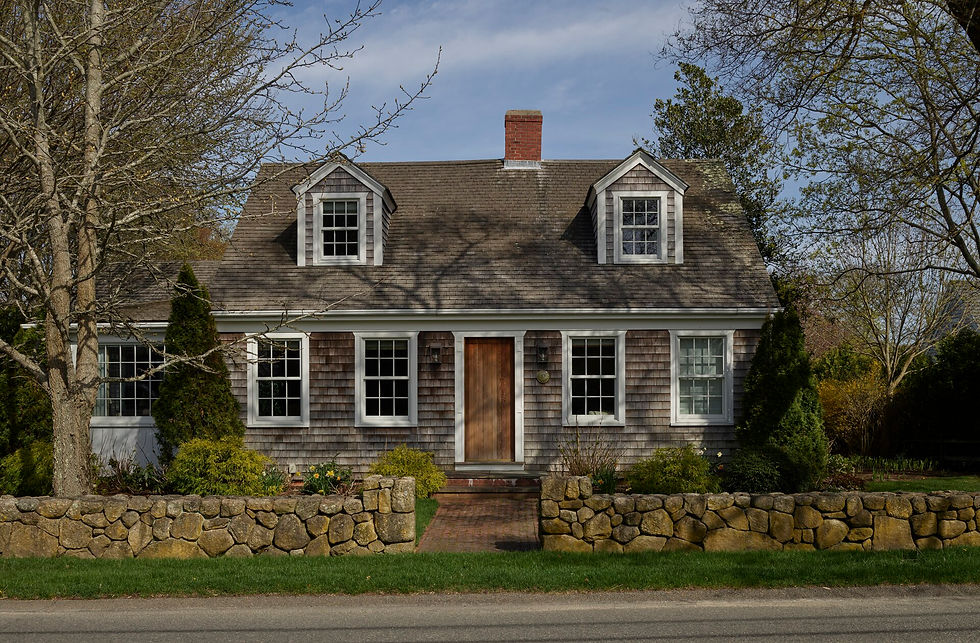
The core Edgartown guest is booking a full week (or close to it) built around the town's classic texture — walking the historic district, spending time on or near the harbor, eating well without needing a car for every meal. This guest is choosing Edgartown specifically, often over Oak Bluffs or Tisbury, because they want that particular kind of quiet, walkable, historic New England week rather than a livelier scene.
This guest is the primary audience for most of a listing's marketing effort, and the how-to-market post in this cluster is built largely around this exact persona: someone who responds to specific, place-establishing photos and copy rather than generic beach-house language. They tend to book during the June-through-August peak that AirROI identifies as Edgartown's strongest stretch, at or near the town's $905 ADR.
The wedding-adjacent traveler (verify locally)
Martha's Vineyard generally, and Edgartown's historic listing stock specifically, is a recognized wedding destination, and it's reasonable to expect that some share of Edgartown bookings come from wedding guests, wedding parties, or families in town for a wedding weekend. This pack does not have a verified count or percentage for how large that segment actually is in Edgartown specifically, so this should be treated as a plausible, worth-confirming persona rather than a hard data point — a host who has hosted wedding-adjacent guests can confirm this pattern from direct experience faster than any market report can.
For a host who does see this pattern, the practical takeaway is that wedding-adjacent bookings often come with specific needs: proximity to the wedding venue, larger group sizes if the property accommodates multiple travelers, and sometimes a tighter, less flexible booking window than a standard vacation guest. Listing copy that flags group-friendly features (multiple bedrooms, ample parking, a comfortable common space) speaks directly to this persona when it applies. This segment also tends to book further out and less price-sensitively than a typical leisure guest, since a wedding date is fixed and lodging near the venue is a necessity rather than a discretionary choice. (This is not legal advice; any occupancy limit relevant to a larger group booking should be confirmed against the rules post in this cluster.)
The Chappaquiddick day-trip guest who sleeps in Edgartown
A third recognizable pattern is the guest whose actual daytime plans center on Chappaquiddick — the beaches, the quieter trails, a slower pace reachable by the small On Time ferry — but who books lodging in Edgartown proper rather than staying on Chappaquiddick itself. This guest wants easy ferry access and a comfortable home base, and Edgartown's downtown and near-downtown listing stock serves that need well.
Listing copy for a property with genuinely convenient ferry access can speak to this guest directly — naming the walk or drive time to the On Time ferry landing, for instance — without overstating the connection for a property that isn't actually close. This persona overlaps with the harbor-and-historic-district guest in many cases; it's less a fully separate booking pattern than a specific reason some Edgartown-week guests give for choosing this particular town over another Vineyard option.
Why these three, and not a neighbor's guest
It's worth being explicit about what this list deliberately excludes: Oak Bluffs' nightlife-and-campground crowd and Tisbury's ferry-commuter-adjacent guest base are real personas in their own right, but they belong to those towns' markets, not Edgartown's. Oak Bluffs runs a lower ADR ($696 versus Edgartown's $905) tied to a different guest expectation, and mashing that persona into Edgartown marketing copy — hoping to catch overflow demand — tends to attract a guest shopping a different experience than what an Edgartown property actually delivers.
The same caution applies to assuming a Nantucket guest persona transfers here. Nantucket is a separate island with its own ferry system and its own guest base, and while there's likely some overlap in traveler type at a very broad level (New England coastal getaway, higher-end travel budget), treating the two islands as interchangeable in persona terms misses meaningful differences in what each destination actually offers.
How persona should shape listing copy
The how-to-market post in this cluster covers photo sequencing and title construction in detail, but the persona lens adds a layer worth calling out directly: a listing trying to speak to all three personas at once in every sentence usually ends up speaking clearly to none of them. It's more effective to let the property's own strengths determine which persona gets primary emphasis — a larger, group-friendly property might lean into the wedding-adjacent angle more, while a compact, harbor-view unit might lean hardest into the classic week-long historic-district pitch.
None of this requires excluding other personas entirely from the listing description — a property can mention Chappaquiddick access as a secondary detail even if its primary pitch is the historic-district week. The point is prioritization: knowing which guest the property serves best, and making sure that guest's specific interests are addressed clearly and early in the listing, rather than spreading equal, diluted attention across every possible guest type.
Persona and seasonality together
These personas don't distribute evenly across the calendar. The harbor-and-historic-district week-long guest is heavily concentrated in the June-through-August peak that AirROI identifies, when the town's full character — outdoor dining, harbor activity, warm-weather walking — is on display. Wedding-adjacent travel likely follows a similar warm-weather concentration, tied to the broader New England wedding season, though this pack doesn't have verified wedding-date data to cite specifically for Edgartown.
A host thinking about shoulder-season and winter demand (covered in more depth in the shoulder-season post in this cluster) should recognize that these three personas may simply book less in the off-season, and that filling that calendar gap likely requires either a different guest type entirely — the remote-worker persona covered elsewhere in this cluster — or accepting lower occupancy during those months rather than trying to force a peak-season guest type into an off-season booking.
A note on group size and property fit
Persona and property size interact more than a lot of hosts account for. A compact one- or two-bedroom unit is a poor fit for a wedding-party group booking, and marketing it toward that persona will produce a lot of inquiries that don't convert because the space simply doesn't work for the group. Conversely, a larger four- or five-bedroom historic property trying to compete purely on the intimate-week-for-two positioning is underselling its actual capacity to serve group travel, whether that's a wedding party, an extended family reunion, or several couples traveling together.
Matching the persona emphasis to the property's actual physical capacity — not just its aesthetic — avoids both problems: wasted inquiries from a mismatched group, and undersold revenue potential from a larger property marketed too narrowly. This is a straightforward audit any host can run on their own listing: does the described ideal guest actually match who could comfortably stay here?
Reviews as a signal for which persona actually converts
A host uncertain which persona their property attracts doesn't need to guess — their own review history is a direct record. Reviews that mention a wedding, an anniversary trip, a week spent walking the historic district, or a Chappaquiddick day trip all signal which persona is actually booking and enjoying the property, as opposed to which persona the listing copy is nominally targeting. A mismatch between the persona a listing markets toward and the persona that actually shows up in reviews is a useful, low-cost diagnostic that a host can run without any outside help.
If reviews consistently mention one persona's interests and the listing description barely addresses them, that's a signal the copy hasn't caught up to the property's real-world demand pattern — an easy, high-value fix once identified. Pulling the last twenty or thirty reviews and simply tallying which persona each one implies is a quick, low-effort way to run this check without any specialized tools.
What this means for a host building next season's strategy
The practical value of thinking in personas rather than a single generic "vacationer" category is that it turns listing optimization into a series of specific, testable decisions: does this photo speak to the harbor-and-historic-district guest? Does this amenity note help a wedding-adjacent group traveler? Does this line about ferry access serve the Chappaquiddick day-tripper? Each of those is a concrete edit, not an abstract improvement.
Over a full season, a listing that's been deliberately built around its actual, best-fit guest tends to convert better than one built around a generic sense of "people who visit the Vineyard," simply because specific copy resonates more strongly with the guest who's actually reading it and deciding whether to book.
A worked walkthrough: the harbor-and-historic-district guest
It's useful to walk through one persona's actual decision process to see how these principles apply in practice. Picture a couple planning a week-long summer trip who has narrowed their search to Martha's Vineyard broadly, without yet committing to a specific town. They're comparing listing photos and descriptions across Edgartown, Oak Bluffs, and Tisbury side by side, and what tips the decision toward an Edgartown property is usually specific, place-establishing detail — a photo that actually shows the historic district's architecture or the working harbor, a description that mentions walking to dinner rather than needing a car, language that signals quiet evenings rather than nightlife.
A listing that instead leads with generic "beach getaway" language, stock-feeling photos, or amenity lists indistinguishable from a hundred other Vineyard properties gives this specific guest nothing to anchor their decision to, even if the property itself would genuinely suit them well. This guest is, in effect, doing the town-versus-town comparison this cluster's market-comparison post lays out formally — just informally, in a few open browser tabs — and a listing that speaks clearly to Edgartown's actual character wins that comparison more often than one that could describe any of the three towns interchangeably.
Revisiting persona fit each season, not just once
A property's dominant persona can shift over time — a listing that historically drew mostly wedding-adjacent group bookings might see that pattern change after a renovation that reduces bedroom count, or a listing that used to draw quiet week-long historic-district guests might start attracting more Chappaquiddick day-trippers after a change in nearby ferry access or parking. Treating persona fit as a fixed, one-time assessment rather than something worth revisiting each season risks marketing copy that quietly falls out of step with who's actually booking.
A simple annual check — cross-referencing the past year's reviews and booking notes against the listing's current positioning — keeps this from drifting unnoticed. It's a small amount of work relative to the value of making sure the property's marketing still matches its real guest base a year or two after the original listing was written, and it's worth pairing with the broader listing self-audit described in the how-to-market post in this cluster.
Related Reading
More Who Books an Edgartown Rental? Three Guests, Not One host reading on desks, calendars, and listing clarity.
Edgartown, MA STR Market Report 2026: A Harbor Town's Own Year
How to Market an Edgartown Stay Without Borrowing Oak Bluffs
Edgartown Shoulder Season: Pricing the Months Between the Ferries
Buying an Edgartown Rental in 2026: Underwrite This Town's Year
Edgartown Tourism Numbers: Why Visitor Counts Aren't Occupancy
Complete Visitors Guide to Edgartown, MA for Hosts and Guests
Financing an Edgartown Rental: Reading Your Own Numbers for a Lender
Edgartown vs Dukes County: Which Desk Actually Governs Your STR
Edgartown vs Oak Bluffs: Two Towns, Two Very Different Years
Frequently Asked Questions
Who books a typical Edgartown vacation rental?
Three recognizable patterns: guests booking a full week around the harbor and historic district (the core persona), wedding-adjacent travelers (a plausible but locally unverified segment worth confirming from a host's own experience), and Chappaquiddick day-trippers who base their stay in Edgartown proper.
Is Edgartown's guest base the same as Oak Bluffs'?
No. Oak Bluffs draws a different guest tied to its nightlife-and-campground identity and a lower $696 ADR, compared to Edgartown's $905 ADR and quieter, historic-district-focused guest base. The two towns' guest personas shouldn't be blended in marketing copy.
How large is the wedding-adjacent guest segment in Edgartown?
This research doesn't have a verified count or percentage specific to Edgartown, so it's presented as a plausible, worth-confirming pattern rather than a hard data point. Hosts who've directly experienced wedding-adjacent bookings can confirm this pattern from their own history.
Should my listing mention Chappaquiddick if I'm not located there?
Yes, if the property genuinely offers convenient access to the On Time ferry landing for a day trip — this is a legitimate secondary selling point for the harbor-and-historic-district guest, framed accurately as an Edgartown property near Chappaquiddick access rather than implying an on-island location it doesn't have.
When do most Edgartown guest personas book?
The core harbor-and-historic-district and likely wedding-adjacent personas concentrate heavily in the June-through-August peak that AirROI identifies as Edgartown's strongest season. Off-season demand from these personas likely thins out substantially.
Does Edgartown attract the same guest as Nantucket?
There's likely some broad overlap in general traveler profile, but Nantucket is a separate island with its own ferry system and market, and this report treats the two as distinct guest bases rather than interchangeable personas.
Should my listing copy target all three Edgartown personas equally?
Not necessarily — it's often more effective to let the property's own strengths (size, location, layout) determine which persona gets primary emphasis, while still mentioning other relevant details as secondary selling points.
Who books Edgartown rentals in the winter months?
The three core personas described here (historic-district week, wedding-adjacent, Chappaquiddick day-tripper) likely book far less during Edgartown's confirmed winter trough (January–March). Filling that gap often requires targeting a different guest type, such as remote workers, covered in a separate post in this cluster.
How does knowing the guest persona actually improve my listing?
It turns generic optimization into specific, testable edits — matching individual photos, amenity notes, and description lines to a real guest type, which tends to convert better than copy written for a vague 'anyone visiting the Vineyard' audience.
Where should I use these personas beyond the listing description itself?
The how-to-market post in this cluster shows how to weave persona-specific language through titles, photo captions, and amenity tags, not just the main description body, since guests scan multiple parts of a listing before deciding to book.
Work with Crest & Cove Creative
Writing one generic listing for 'anyone visiting the Vineyard' means speaking clearly to no one. Three real guest types book Edgartown, and each responds to different copy.
Want your listing tuned to the guest most likely to book your specific property? A marketing audit reviews how well your current copy speaks to Edgartown's actual guest personas. Send the live listing draft and the facts you can actually cite.
Reach out at crestcove.co or (256) 998-7502.


Comments