
How to Market an Edgartown Stay Without Borrowing Oak Bluffs


Open ten Edgartown listings on any platform and count how many first photos show a Ferris wheel, a beer garden, or a row of gingerbread cottages. That's not Edgartown — that's Oak Bluffs, fifteen minutes up the road, and it's a different town with a different guest and a different desk. Somewhere along the way, a lot of Edgartown hosts inherited stock photography and stock language built for the wrong side of the island, and it shows up in flat booking pace even at a $905 average daily rate.
That pattern is easy to fall into, especially for a host managing a listing remotely or working from a template built for a different Vineyard property. But it's also one of the cheaper problems to fix, since it rarely requires new construction, a full renovation, or even new photography in most cases — just a rebuild of how the existing assets are titled, sequenced, and described.
The fix isn't complicated, but it does require pulling the listing apart and rebuilding it around what a guest actually types when they're looking for this specific town: harbor views, historic captains' houses, brick sidewalks, a quieter evening than the Circuit Avenue scene. This post walks through the concrete changes — titles, photo order, amenity tags, calendar strategy — that separate a listing that reads as generic "Martha's Vineyard" from one that reads as unmistakably Edgartown. This is not legal advice.
Start with what the guest actually typed
Search terms like "Edgartown Airbnb" and "Edgartown vacation rental" carry intent that's already distinct from "Martha's Vineyard rental" — that guest has already ruled out Oak Bluffs and Vineyard Haven, or they're deciding between towns and need a reason to pick this one. A listing title and description that just says "Martha's Vineyard cottage" is competing in the widest, least qualified pool possible instead of winning the guest who already wants Edgartown specifically.
The AirROI data backs up why that distinction is worth the effort: Edgartown runs a $905 ADR against Oak Bluffs' $696, a meaningfully different price point tied to a meaningfully different guest expectation. A guest paying Edgartown rates wants Edgartown's texture, not a beach-town-in-general experience with an Edgartown address attached.
The first five photos carry the whole pitch
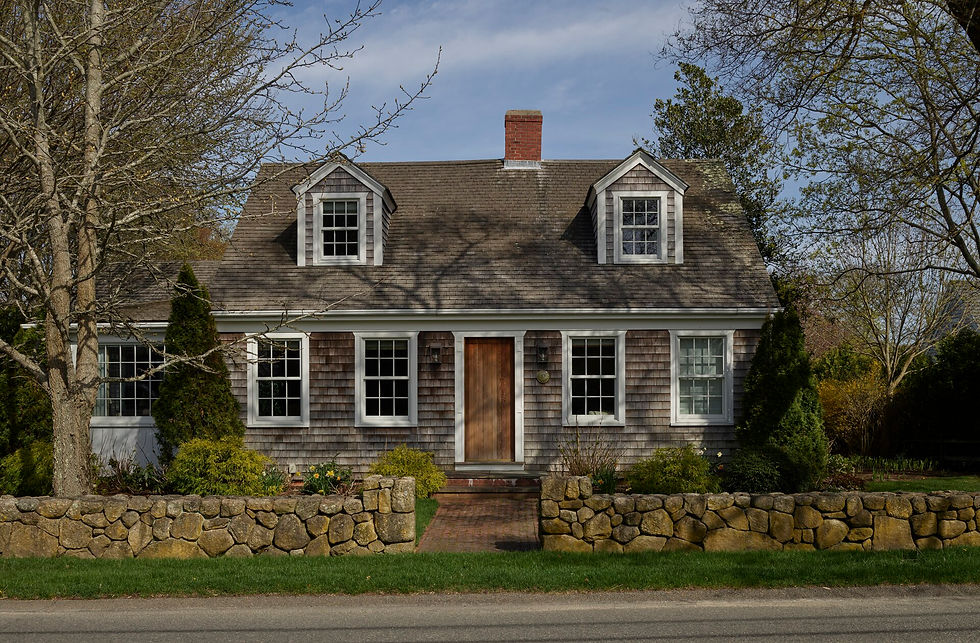
Most guests decide whether to click into a listing based on the first two or three images, and most of the scrolling that follows just confirms a decision already made. For Edgartown, that means leading with the town's actual visual identity — harbor water framed by white sailboats, a widow's walk or a captain's-house facade, brick or cobbled streets, the Old Whaling Church steeple if the property is close enough to shoot it credibly — before ever getting to interior shots.
A common mistake is leading with a generic beach or pool photo that could be anywhere on the East Coast. That photo might be technically accurate, but it does nothing to signal "this is Edgartown" to a guest who is actively choosing between Vineyard towns. Save the pool and the deck for photos four through eight; spend the first three establishing place.
Amenity tags and keywords that actually match search behavior
Secondary search terms worth weaving through the listing description and amenity notes include "Edgartown listing photos" style phrasing (i.e., naming what's visible — harbor view, walk to Main Street, historic district) and "Edgartown vacation rental marketing" concepts like proximity to the town center rather than a generic "close to everything" claim. Specificity reads as credibility: "eight-minute walk to the Chappy ferry landing" beats "near the water" every time, provided the claim is accurate.
If the property sits within or near the historic district, say so by name — that phrase does real work for both search visibility and guest expectation-setting. If it sits outside the district in a quieter residential pocket, that's a legitimate selling point too (parking ease, less foot traffic, still a short walk or bike ride to the harbor), but it should be framed honestly rather than implied to be downtown when it isn't.
Pricing the calendar to match the season, not a flat rate
AirROI names August as Edgartown's peak month, with July and June close behind, and January through March as the softest stretch. A listing that runs one flat nightly rate year-round is either underpricing the summer ferry peak or sitting overpriced and empty through the winter hole — both cost real revenue over a full year.
The tactical move: drop minimum-stay requirements specifically in the confirmed winter trough, where demand is thin enough that a shorter minimum can pick up bookings that a seven-night requirement would simply lose to an empty calendar. Keep peak-season minimums firm — Edgartown's summer weekends don't need a discount to fill, and dropping the price during the town's strongest month just leaves margin on the table. The shoulder-season post in this cluster goes deeper on exactly where that trough starts and ends.
Don't discount the identity into a cheaper neighbor
There's a temptation, especially in a soft month, to market an Edgartown listing as "just like Oak Bluffs but quieter" or to borrow Oak Bluffs keywords hoping to catch overflow search traffic. That's a mistake for two reasons: it undersells what Edgartown actually offers, and it puts the listing in competition with a genuinely lower-ADR market instead of positioning it against comparable Edgartown listing stock.
Oak Bluffs sits at roughly $41,957 a year across 319 listings — a real, healthy market, but a different one, built around a $696 ADR and a nightlife-and-campground identity. Tisbury runs about $46,220 across 185 listings at a $656 ADR, tied to the Vineyard Haven ferry dock. Neither of those numbers is Edgartown's number, and marketing an Edgartown property as interchangeable with either town caps its earning potential at a lower ceiling than the market actually supports.
The same logic applies to Nantucket, which shows up constantly in the same search conversations despite being a separate island with its own ferry system and its own market entirely. A guest who searched "Nantucket" and landed on an Edgartown listing through loose keyword matching is unlikely to book — they're planning a trip to a different island — so chasing that traffic with cross-island keywords wastes exposure that could go to guests actually shopping this town. (This post covers marketing only; this is not legal advice, and any minimum-stay or occupancy language should be checked against the rules post in this cluster.)
Writing for the guest personas who actually book here
Edgartown draws a harbor-and-historic-district guest looking for a full week in the town's classic texture, plus a smaller but real slice of wedding-adjacent travelers and Chappaquiddick day-trippers who sleep in Edgartown proper. Listing copy that speaks to the first group — "a week to walk the historic district, sail the harbor, and eat well without a car" — tends to outperform copy written for a generic weekend beach crowd, because it matches what the majority of Edgartown's guest base is actually shopping for.
The who-books post in this cluster breaks these personas down in more detail, but the marketing takeaway here is straightforward: write the listing for the guest who is already choosing Edgartown, not for a guest who might be persuaded away from Oak Bluffs with a lower price. That second guest exists, but chasing them undercuts the ADR premium this town's listing stock can actually command.
Amenities that actually matter to this guest
Beyond the standard checklist, a handful of amenities carry outsized weight for the Edgartown guest specifically: bike storage or bike-friendly setup, since much of the town is genuinely bikeable and guests plan around it; a workable outdoor space, since a good porch or patio does real work for a harbor-town evening; and clear, honest parking information, since the historic district's narrow streets make parking a real logistical question rather than an afterthought.
None of these need to be guessed or exaggerated — the goal is simply not to bury them. A property with two dedicated parking spots two blocks from Main Street should say so explicitly, because that single detail resolves a real anxiety for a guest comparing several Edgartown listings side by side.
Writing the description body, not just the title
A strong title gets the click, but the description body is where a guest either confirms the decision or bounces to the next listing. Structure it in the order a guest actually reads: what the space is (bedrooms, layout, what makes the interior distinct), then where it sits in Edgartown specifically, then what's walkable versus what needs a car or bike. Burying the location context after three paragraphs of interior detail loses guests who are scanning for place before they scan for amenities.
Avoid stacking adjectives without specifics — "charming, cozy, quintessential New England" reads as filler next to a concrete detail like "a five-minute walk to the harbor and the Chappy ferry landing, on a quiet residential street two blocks off Main." The concrete version does more selling in fewer words, and it reads as more credible because it can be verified.
Matching photo captions to search intent
Most hosts skip photo captions entirely, but on platforms where they're supported, captions are free real estate for the exact phrases guests search — "Edgartown harbor view from the front porch," "walk to Main Street shops and restaurants," "historic district street, two blocks from the property." These captions reinforce the same specificity that makes the description body work, and they give search algorithms more signal about what the listing actually is.
This is a small effort relative to a full photo reshoot, and it's one of the easiest wins available to a host who already has good photos but generic or missing captions. It costs nothing but time and it directly supports the broader goal of this post: making the listing unmistakably Edgartown rather than unmistakably "a Vineyard rental."
A quick self-audit before republishing
Before touching pricing or photos, pull up the live listing and ask three questions: does the title name Edgartown specifically, or does it say "Martha's Vineyard"? Do the first five photos establish this town's texture, or could they be swapped with a listing from any coastal town on the East Coast? Does the description mention the historic district, the harbor, or a specific landmark by name, or does it stay generic?
If two or three of those answers land on the generic side, that's the fastest place to start. A rewrite of the title and the first photo set is a same-day fix, and it's the change most likely to move click-through rate before anything about pricing or amenities even comes into play.
It's worth revisiting this audit at least once a season, not just at initial setup. A listing that was correctly positioned for last year's Edgartown market can drift generic over time as photos age, competing listing stock changes, or a host copies language from a template without checking whether it still fits. Treating the listing as a living document — reviewed and adjusted each season alongside the pricing calendar — keeps it aligned with both the town's identity and the current competitive set, rather than locking in a positioning decision made once and never revisited.
Related Reading
More How to Market an Edgartown Stay Without Borrowing Oak Bluffs host reading on desks, calendars, and listing clarity.
Edgartown, MA STR Market Report 2026: A Harbor Town's Own Year
Edgartown Shoulder Season: Pricing the Months Between the Ferries
Buying an Edgartown Rental in 2026: Underwrite This Town's Year
Edgartown Tourism Numbers: Why Visitor Counts Aren't Occupancy
Complete Visitors Guide to Edgartown, MA for Hosts and Guests
Financing an Edgartown Rental: Reading Your Own Numbers for a Lender
Edgartown vs Dukes County: Which Desk Actually Governs Your STR
Edgartown vs Oak Bluffs: Two Towns, Two Very Different Years
Frequently Asked Questions
How do I make my Edgartown rental listing stand out?
Lead with photos and language specific to Edgartown's actual identity — harbor views, historic captains' houses, brick sidewalks, proximity to the Old Whaling Church or Main Street — instead of generic Martha's Vineyard beach-house imagery. Naming the historic district and specific walkable landmarks does more work than broad claims like "close to everything."
Should my Edgartown listing use Oak Bluffs or Vineyard keywords to reach more guests?
No. Oak Bluffs runs a different ADR (about $696 versus Edgartown's $905) and a different guest expectation built around nightlife and the ferry terminal scene. Borrowing that positioning undersells Edgartown's premium and puts the listing in competition with a lower-rate market instead of comparable Edgartown listing stock.
What should the first photo in my Edgartown listing show?
Something that immediately signals place — harbor water and sailboats, a captain's-house facade, a brick or cobbled street — rather than a generic pool or beach shot that could be anywhere. Guests deciding between Vineyard towns respond to specificity in the first two or three images.
How should I price my Edgartown calendar across the seasons?
AirROI shows August as the peak month, with July and June close behind, and January through March as the softest stretch. Keep summer minimum stays firm since peak demand doesn't need a discount, and consider shorter minimum stays specifically in the confirmed winter trough to pick up bookings that a longer requirement would lose entirely.
Is Chappaquiddick worth mentioning in my Edgartown listing?
Yes, if the property is genuinely convenient to the On Time ferry landing or the day-trip route, since it's a real draw for guests. Frame it accurately as a nearby extension of Edgartown rather than implying the property is on Chappaquiddick itself if it isn't.
Should I mention proximity to the historic district even if I'm not inside it?
Be accurate either way. If the property is genuinely within or adjacent to the historic district, name it directly since that phrase carries real search and credibility value. If it's in a quieter residential area outside the district, frame that honestly as a benefit (parking, quiet, still walkable or bikeable) rather than implying a downtown location it doesn't have.
What guest is actually booking Edgartown rentals?
The core guest books a full week around the harbor and historic district, with a smaller share of wedding-adjacent travelers and Chappaquiddick day-trippers who base out of Edgartown. Listing copy built around that week-long, historic-district experience tends to outperform generic weekend-beach-crowd language.
Do I need professional photography for an Edgartown listing?
Professional photography isn't strictly required, but the photo sequencing matters more than the camera — leading with place-establishing shots before interior detail shots applies whether the photos are professional or well-composed phone images. The sequencing fix is often more valuable than a full reshoot.
How often should I update my Edgartown listing description?
At minimum, revisit it seasonally to make sure calendar-specific claims (minimum stays, seasonal amenities) stay accurate, and anytime the property or neighborhood changes in a way that affects the pitch. A description that hasn't been touched in years often still reads generic even if the photos have been updated.
Does a higher price automatically mean fewer bookings in Edgartown?
Not necessarily — Edgartown's $905 ADR reflects what the market actually supports for well-positioned listing stock, and discounting toward a neighbor town's rate often just narrows the guest pool without meaningfully increasing bookings. The stronger lever is usually better-matched positioning and photos, not a lower price.
Work with Crest & Cove Creative
A generic 'Martha's Vineyard cottage' listing competes against the whole island. An Edgartown-specific listing competes against the right five properties and wins the guest who already wants this town.
Want a second set of eyes on whether your Edgartown listing photos and copy actually match what guests search for? A marketing audit pinpoints the exact fixes worth making first. Send the live listing draft and the facts you can actually cite.
Reach out at crestcove.co or (256) 998-7502.


Comments