
Complete Visitors Guide to Temecula, CA for Independent Hosts

Updated: Aug 27
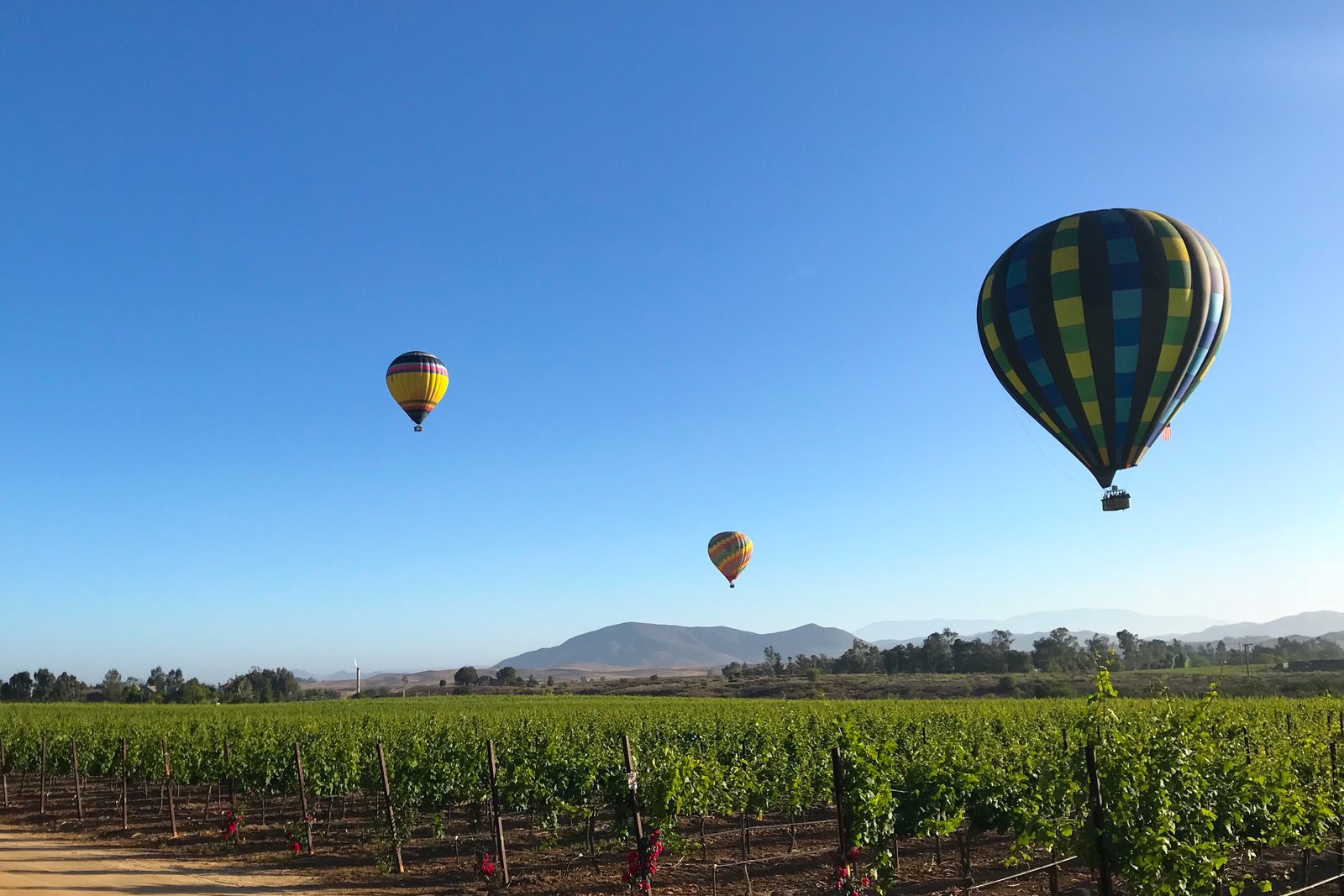
Temecula's biggest draws - hot-air balloons at dawn, more than 40 wineries along the trail, and Old Town's Front Street with its shops and restaurants - are real, but only one part of that picture is a legal overnight stay. Old Town sits inside city limits, where short-term rentals are prohibited outright, which means a guest booking a Temecula stay is almost always booking a Wine Country house outside city limits, not a bed on Front Street itself.
That distinction should shape a listing's entire visitor-facing copy. Balloons, the wine trail, and Old Town are all day plans a guest reaches by driving from a legal Wine Country house - not amenities the house itself provides, and not a substitute for naming Temecula specifically and accurately in the first line of the listing.
This guide separates what a Wine Country house can honestly sell from what it can only point to, so a listing describes the actual trip a guest will have rather than a composite of balloons, vineyards, and a downtown strip that legally can't host them overnight. This is not legal advice.
Old Town Is a Walk You Visit, Not a Legal Bed
Front Street and the rest of Old Town Temecula sit inside city limits, where short-term rentals are banned outright - not restricted, not capped, banned. A listing should never imply that a booked property sits on or near a bookable Old Town address, and a guest should never be sold a city nightly that this market cannot legally deliver.
The honest version of this trip: drive in from a legal Wine Country house outside city limits, park once, walk Old Town's shops and restaurants, eat, and return to the house. That's a genuinely good day trip, and it's the one a Wine Country listing should describe - not a fictional Old Town stay the property doesn't and can't provide.
Keep the steps-to-Old-Town framing in the day-trip section of a listing, not in the headline pitch, unless the parcel genuinely sits on that banned sidewalk - which, by definition, a legal short-term listing in Temecula cannot.
Hot-Air Balloons Are a Dawn Drive, Not a Backyard Amenity
Hot-air balloons over Temecula Valley are a real, distinctive draw, and they deserve a specific mention in visitor-facing copy - but they are a dawn product a guest drives to and books separately, not a backyard amenity the house provides and not a rate a host should guess for the listing itself.
Balloon flights sit inside a May-through-June peak window on the data behind this guide. That window is a visitor-planning detail, not an occupancy or ADR figure, and it should be described to guests as a seasonal experience to plan around - checking the operator's own desk for launch times, weather calls, and ticket availability - rather than folded into the property's own pricing story.
A listing shouldn't imply a launch happens from the porch unless the porch genuinely looks out at one. For most Wine Country houses, the honest framing is that balloons are a short, bookable drive away at dawn - still a strong selling point, just an accurately described one.
The Wine Trail Is a Designated-Driver Day, Not a Property Feature
With more than 40 wineries along the Temecula Valley wine trail, this is genuinely one of the region's strongest draws - and, like the balloons, it's a day plan reached from the house, not a feature the house itself supplies. A listing should note proximity honestly and remind guests to plan for a designated driver or car service.
Confirming tasting hours, reservations, and any event schedule sits with each winery's own desk, not with the host - a listing can point guests toward planning ahead without claiming to manage or curate the wine-trail experience itself.
Pechanga, the neighboring resort, is worth a brief, clearly labeled mention as a separate evening option - not a substitute for the wine trail, and not something to conflate with a Temecula Wine Country stay. Guests choosing between a vineyard evening and a Pechanga evening are choosing two different nights out, and a listing should keep that distinction clear.
What to Eat and Do Without a Manufactured Package
Temecula's food scene, split between the Wine Country tasting rooms and Old Town's restaurants, gives a listing plenty of genuine specifics to describe without guessing a curated package the property can't actually deliver - a private chef dinner or a concierge wine tour, unless the host is genuinely offering it.
The more useful approach: describe what's realistically reachable from the specific property - how far the drive to Old Town runs, whether the house sits close enough to a cluster of wineries to skip a long trail day, what a typical evening looks like without a car if the guest doesn't want to drive after tasting.
That kind of grounded, specific description tends to convert better than a generic "wine country experience" pitch, because it tells a guest exactly what their actual day will look like from this specific address.
Shoulder Months Belong to the Visitor, Not the Host published monthly rate
January, February, and September read as shoulder months for visitors in this market - useful to name in a guest-facing calendar since tasting rooms and restaurants are typically easier to get into without a long wait, even though these months may carry different meaning in a host's own pricing strategy.
May, June, September, and October carry more visitor traffic, tied to the balloon season and the broader wine-country calendar - worth naming specifically for a guest weighing which month to book, separate from any host-side occupancy or rate discussion.
Keeping this seasonal detail in visitor-facing language, rather than blending it with host rate-panel thinking, keeps the guide useful to the person actually reading it: someone planning a trip, not managing a calendar.
How a Listing Should Point at This Map
Name Temecula specifically in the first screen of the listing description, and describe the actual product honestly: a vineyard house, with balloons as a dawn drive, the wine trail as a designated-driver day, and Old Town as a walk visited by car - not a claim to any of the three as an on-site amenity.
The market data behind this guide shows Los Angeles and San Diego as the largest visitor feeder markets, with an average lead time of about 61 days between booking and stay - useful context for a host's own planning, but not something that belongs pasted into guest-facing copy. Temecula's own extract shows 34.0 percent occupancy, a $496 average daily rate, and a $55,092 clear year, alongside a $320 median cleaning cost - again, host-side figures, not visitor trip-planning content.
Two nearby markets carry very different numbers that should never be blended into a Temecula listing's own story: Healdsburg's $89,368 and Murrieta's $39,956 are separate towns' figures, useful only as clearly labeled comparisons, never as a stand-in for what a specific Temecula property earns.
What This Guide Is Not
This is a visitor-facing map of the actual trips available from a legal Temecula Wine Country property - not a market report and not a substitute for a host's own investment analysis, which should be read separately using the property's own labeled market year.
It is also not a workaround for the city's short-term rental ban. Nothing in this guide should be read as a suggestion that an Old Town address can be marketed as a bookable nightly; the ban is a legal fact, not a marketing obstacle to route around.
Any planner-level compliance question is worth routing directly to the county or city desk that handles it rather than guessing at current rules, since permit and zoning details can shift and a listing's own compliance language should reflect the current, confirmed status.
Related Reading
More Temecula Valley wine-country reading already live on Crest & Cove.
Frequently Asked Questions
Can a short-term rental legally operate in Old Town Temecula?
No — Old Town sits inside city limits, where short-term rentals are banned outright. A listing should never imply an Old Town address is a bookable overnight stay; it's a day-trip destination reached from a legal Wine Country property outside city limits.
When is hot-air balloon season in Temecula Valley?
Balloon flights sit inside a May-through-June peak window based on the data behind this guide. Guests should confirm launch times, weather calls, and tickets directly with the balloon operator rather than assuming availability.
Is Pechanga a substitute for the Temecula wine trail?
No — Pechanga is a neighboring resort that makes for a separate, distinct evening out. It shouldn't be conflated with a wine-country evening; guests are choosing between two different kinds of nights, not interchangeable versions of the same trip.
What are the shoulder months for visitors to Temecula?
January, February, and September read as shoulder months in the visitor calendar, generally meaning lighter crowds and easier reservations at tasting rooms and restaurants compared to peak months like May, June, and October.
Should a Temecula listing use Healdsburg's or Murrieta's market numbers?
No — those are separate towns' figures ($89,368 for Healdsburg, $39,956 for Murrieta) and should only appear as clearly labeled comparisons, never blended into a Temecula property's own market story.
What does Temecula's own market data show?
The relevant extract shows 34.0 percent occupancy, a $496 average daily rate, a $55,092 clear year, and a $320 median cleaning cost — figures useful for a host's own market report, not for visitor-facing trip-planning copy.
Where do most Temecula visitors travel from?
Los Angeles and San Diego are the largest visitor feeder markets for this area, with an average lead time of roughly 61 days between booking and the actual stay.
What should a Temecula Wine Country listing say about balloons and wine country?
It should frame both as day plans reached from the house — a dawn drive for balloons, a designated-driver day for the wine trail — rather than claiming either as a backyard amenity or an on-site feature the property itself provides.
Work with Crest & Cove Creative
Complete Visitors Guide to Temecula, CA for Independent Hosts only works when the listing shows operable facts guests can check. Cut soft slogans that hide the real stay.
We help Temecula-area hosts write listing copy that separates the legal Wine Country stay from the day trips guests actually plan around it. Reach out at crestcove.co or (256) 998-7502. Send the live listing draft and the facts you can actually cite.
Reach out at crestcove.co or (256) 998-7502.


Comments