
Temecula DSCR on $4,248 With That City Ban in View

Updated: Aug 27
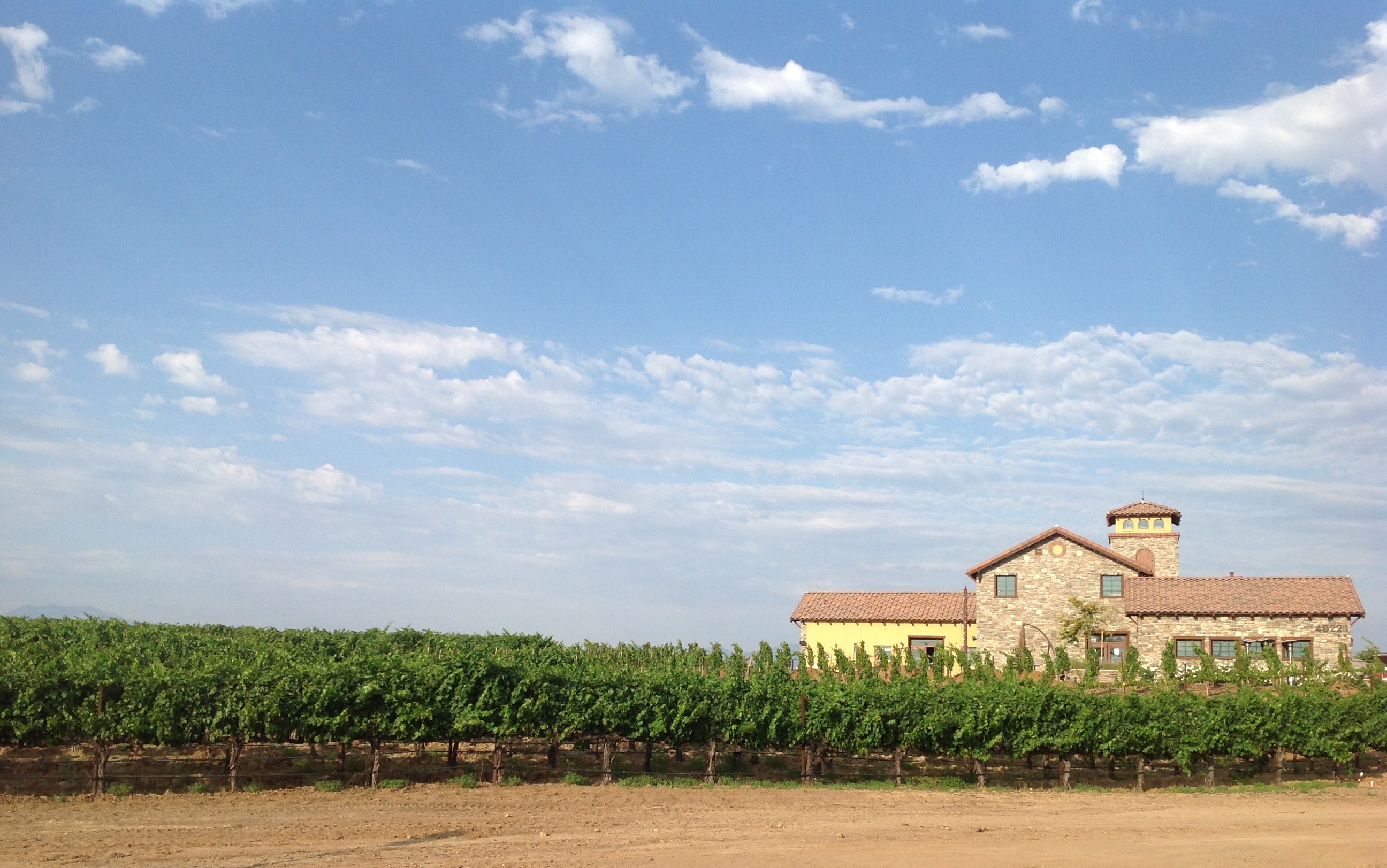
A Temecula underwrite starts with a $4,248 month, not with a local DSCR product this packet will not invent. AirROI’s extract updated 2026-08-08 locks the cell at, ADR $496, occupancy 34.0 percent, RevPAR $180, and a $55,092 clear year. Peak three are May, June, and October, and the hole is January, February, and September. February is the lowest month. Those sentences are the file you bring to a lender. They are not a rate sheet from a shop that promised a Temecula DSCR overlay this page cannot screenshot.
Second-home and DSCR are different questions on the same parcel. A second home can survive a February hole if household income carries the note. A DSCR story has to survive 34.0 percent occupancy and a clerk that may say no, without pretending May is twelve months. Read this beside theinvestment page, thestartup stack, and themarket report. This page will not invent a purchase price, a coupon, or a Healdsburg remesh to make the ratio prettier.
Most city houses still cannot list. Short-term rentals are prohibited under TMC 17.06.030, including Old Town, at $1,000 a day. AirROI Low is not that permit. A 33.1 percent thirty-plus setting is not booked winter. Finance that repeats those errors is not conservative. It is fiction with an amortization table attached to a house the city will not bless and February will not rescue. Call the GIS lookup before you pledge the nights on this published market year.
Bring the $4,248 month, not May
$4,248 is trailing host revenue for a typical active unit in monthly form. $55,092 is the same sentence as a year, and the year sits on a clear line. The median sits on a watch line, and they are not a purchase price. They are not a coverage ratio, and they are not twelve Mays. A DSCR desk that treats a May screenshot as guaranteed year-one cash is already off the file. A DSCR desk that refuses to read the watch month at all is ignoring the only dated host month this cluster will print.
Those dollars sit next to ADR $496, occupancy 34.0 percent, and RevPAR $180. The math is a wine-weekend cell, not a 70 percent resort. Revenue moved minus 3.3 percent while supply grew 14.0 percent, which is a host-market sentence, not a debt-service promise. Superhost share is 64.3 percent, and professional management is 17.1 percent. Cleaning’s median is $320. None of that converts $4,248 into a mortgage constant, and this page will not invent the price, rate, or tax stack required to pretend it does.
Bring the watch month as the stress case, then haircut it if the house is new, illegal-until-proven, or still waiting on 927.2. Do not raise it with Healdsburg’s $89,368, and do not raise it with Murrieta’s $39,956. Do not raise it with Temecula Valley’s $1.2 billion visitor spend. Visitor dollars are not host years, and neighbor extracts are not your note. The desk wants one published market year, one year, and a month that can survive February without a May calendar standing in for the watch line on this cell.
34 percent occupancy is the file
Occupancy at 34.0 percent means well under half the available nights clear and more than half do not, on average, across the year. RevPAR of $180 already bakes those empty nights into the cell. ADR of $496 is the rate band, and July is the ADR peak, not the year. Lenders who underwrite from one May calendar export will overstate nights and understate January. Bring the dated extract. Bring the peak three and the hole three. Bring the watch Keep so the file stays honest.
Lead time averages 61 days and average stay is 4.6 nights. Those are booking-cadence facts, not coverage facts, but they explain why a trailing twelve will not look like a sold spring. Two-night floors sit at 33.9 percent of the cell. Thirty-plus floors sit at 33.1 percent as a setting, not as booked winter. Los Angeles then San Diego are the feeders. A lender who wants a fully automated 70 percent story is reading the wrong town. A lender who wants leftover harvest-only seasonality is reading the wrong calendar.
Stress the hole on purpose. If the deal still stands when January, February, and September earn like hole months, you have a conversation. If the deal requires those months to impersonate May, you have a no.shoulder pageis the calendar exhibit, and this page is the credit translation. Do not replace either exhibit with a screenshot of one sold Saturday in May and call that screenshot the year. February is still the lowest month on the file and still the first stress test here. May is the peak.
A banned city lot is not a DSCR story
City short-term rentals are prohibited, and old Town is city. A house that cannot list is not a short-term DSCR asset. It may be a second home, and it may be a long-term rental. It is not a weekend lockbox a lender should treat as $55,092 of pledged income. AirROI Low does not create a license, and a published market year does not create a license. City Planning at (951) 694-6444 and the GIS lookup create the answer, and the answer may be a $1,000-a-day fine.
Ask for the city-versus-county line before you ask for coverage. Guests are already punished when a listing fakes Old Town. A lender should not be less curious than a guest. Illegal signs , a city house on Airbnb, a room listed for Saturday, a seller who says the ban is optional , are not a credit overlay. They are a shutdown risk, and underwrite that as binary, not as a haircut.Old Town fileis the sidewalk exhibit. This page is the credit reading of that sidewalk.
County parcels do not rescue a failed city lot by pretending they are the same asset. Ordinance 927.2 is a different clerk. County TOT is 10 percent, plus 2 percent TWCTMD. A Rancho California Road driveway is a different product than a Front Street walk. Do not paste the extract year onto a city published market year and call it conservative. Do not paste a county hope onto a residential city lot. If the clerk says no, the DSCR story is over before the ratio is calculated.
County certificates do not run with the land
A 927.2 certificate is issued to an operator, not to a driveway. New owner, new certificate. You may not advertise until the new paper exists. The application is $740, and renewal is $540. Caps, 500-foot spacing, and a two-certificate owner limit still apply. A purchase file that assumes the seller’s certificate transfers is already wrong. A DSCR file that pledges nights during the gap between closing and Deckard approval is pledging a shutdown, not a takeout story. The certificate dies on sale. Underwrite the dark weeks between recording and a new Deckard approval as empty nights, not as a seamless STR transfer.
The treasurer TOT certificate is a second object that also has to be current. Platform remittance is not that object, and a manager logo is not that object. Avant Stay Temecula’s twenty-seven homes are their book, sitting on whatever clerk those parcels actually have. Professional management at 17.1 percent does not make the certificate run with the land.rules fileowns the ordinance path. This page only needs the credit translation: no paper, no pledged nights.
Ordinance 927.3 is a draft on a 2026 Board track. Do not underwrite draft caps as if they already replaced 927.2. Do not underwrite Idyllwild’s village cap or the Thousand Palms moratorium as Temecula Wine Country. Confirm the live Planning page the week the loan committee meets. A certificate that does not travel is a takeout risk, a refinance risk, and a sale risk. Put that sentence in the memo before anyone talks coverage on this note. Leave out unverified a local loan product that assumes the paper travels.
Second-home versus investment on this published market year
A second-home file asks whether the household can carry the house when the lockbox is quiet. on this market sample the quiet is not hypothetical, and january is the occupancy floor. February is the lowest month. September closes a low that leftover harvest language still tries to deny. $4,248 is a median month, labeled watch, not twelve Mays and not a coupon. If the note only works when every month prints peak, you do not have a second home with upside. You have a payment that needs a season the file did not print.
A DSCR or investment file asks whether rental income covers the debt on terms a specific lender will actually offer. This packet will not invent those terms. It will not name a local DSCR product. It will not convert $55,092 into a coverage ratio without a purchase price this page also will not invent. What it will say is that 34.0 percent occupancy and a city ban that may apply are hard inputs. Household income is what keeps a second home honest when those inputs fail in January and again in February.
Choose the file that matches how you will actually use the house. Personal May weekends plus a legal listing in the other weeks is a second-home story, and it still needs 927.2, 10 percent TOT, 2 percent TWCTMD, the sign, and the 60-minute response. A house that must clear DSCR on trailing host math is a tighter story. Cleaning at a $320 median, photos against a 64.3 percent Superhost bar, and a January reserve are operations, but they are also the difference between a watch month and a hole that breaks coverage.
What a lender will ask that marketing cannot answer
A serious lender will ask for the dated AirROI extract, not a blog recap. They will ask for trailing twelve on the actual house if it has one, and they will haircut a vacant-house pro forma that looks like twelve Julys. They will ask whether the parcel is inside the city, whether 927.2 exists or can exist, whether TOT and TWCTMD remittance are in hand, and whether stay lengths honor the county two-night floor. They will ask who answers the hotline in sixty minutes.
They will ask about the hole. January, February, and September need a reserve story or a second-home income story. They will ask about cleaning and vacancy, because RevPAR at $180 already admits empty nights and the median clean is $320. They will ask whether winter is being sold as leftover harvest. The honest answer is no. They will ask whether 33.1 percent at 30-plus means winter is booked. The honest answer is that it is a listing setting, and the certificate path is still stays under thirty days.
They should also ask what marketing cannot put in the memo. Purchase prices this page does not have. Local DSCR product names this page will not invent. Comps from Healdsburg’s $89,368 or Murrieta’s $39,956 used as if they were this note. A blend wine-country visitor dollar. A city-only visitor line this cluster refused to invent.tourism filealready refused to divide $1.2 billion. If your package needs those inventions to clear, the package is not ready. Bring household income if this is a second home that must carry the hole.
Healdsburg’s $6,849 is a different extract
Healdsburg prints a $6,849 median month on its own AirROI extract, next to an $89,368 year. That is a Plaza CUP town in Sonoma County. It is a different cell, a different identity, and a different clerk. It is not your Temecula watch month. It is not a target you may use to mark $4,248 up. Murrieta prints $39,956 as a year, which is also not your note. Thecompare pageexists so those years stay labeled. A loan memo that borrows Healdsburg’s month to fatten a Temecula worksheet is not conservative.
Visitor-economy neighbors fail the same test. Temecula Valley visitor spending of $1.2 billion is a tourism-desk total from Visit Temecula Valley and Dean Runyan. It is not pledged income, and it is not TOT. It is not TWCTMD, and it does not fill January. A lender who wants a wine-country blended year is asking you to import someone else’s desk. Refuse. Temecula is $55,092 clear and $4,248 on 504 listings at 34.0 percent occupancy. That is the whole geography of the note.
Named operator books do not rescue a thin file either. Avant Stay Temecula, Sunny Days, and Fieldtrip Hospitality are their trailing revenue, not your coverage. Do not staple their totals to a one-house DSCR worksheet. Do not staple a balloon Saturday to a debt-service ratio. Neighbor years, neighbor visitor totals, and neighbor books are context. The note is this parcel, this clerk, and this extract, labeled as Temecula, not as Healdsburg’s $6,849 and not as a corridor mean. Keep the neighbor years labeled.
When to wait
A clear year can still be a wait. $55,092 and $4,248 do not rescue a city lot that cannot list. They do not rescue a model that needs twelve Mays. They do not rescue a county driveway underwritten as an Old Town walk. They do not rescue a file that treats 34.0 percent occupancy as a marketing problem rather than the stress case. Occupancy is already the warning label. Ignore it and the answer is wait even though the year is labeled clear.
A narrow yes looks like an unincorporated parcel, a 927.2 certificate in hand or a Planning answer you can screenshot, stay lengths that match the county floor, household income that can carry January, and a listing that picks one published market year. The extract stays labeled. May is not the model month. Los Angeles remains the feeder you can name without a tourism invention. Cleaning, photos, and a reserve are funded before the first guest. That can be a second home with a listing. It can be a DSCR conversation only if a real lender, using real terms, still clears after a hole-month haircut.
If you are between those poles, do not buy time with a markdown or a fake peak. Fix the clerk, and fix the reserve, and fix the first screen. Then bring the file back to the same watch numbers.remote-stay fileis the thirty-plus exhibit. This page is only the credit reading of the gate, not a new story. When the watch month is still not enough, keep the house as a second home or do not buy it. A Temecula note that can only clear by becoming a different town is a no that has not been said yet.
Related Reading
More Temecula Valley wine-country reading already live on Crest & Cove.
Frequently Asked Questions
What do the $55,092 and $4,248 figures mean for a Temecula DSCR file?
They're AirROI's August 2026 Temecula figures: $55,092 is the typical active year, and $4,248 is the median month, alongside an ADR of $496 and 34.0 percent occupancy. Neither number is a purchase price or a coverage ratio on its own — they're the revenue inputs a lender plugs into its own DSCR formula. Don't inflate either figure with Healdsburg's $89,368 year or with valley-wide visitor-spending totals; both belong to a different market.
Why does 34 percent occupancy matter for underwriting a Temecula rental?
Because it reflects a wine-weekend calendar, not a resort market running near 70 percent. RevPAR of $180 already bakes the empty nights into the average, and the median cleaning cost runs $320 per turnover, both of which reduce what actually reaches debt service. May, June, and October are the peak three months; January, February, and September are the hole. A lender underwriting off one strong May weekend, rather than the full-year figure, will overstate what the property realistically earns.
Can a short-term rental inside city limits still qualify as a DSCR asset?
Not if it's actually within the City of Temecula, where short-term rentals are prohibited outright under Municipal Code section 17.06.030, including in Old Town, with fines running $1,000 a day. A GIS parcel lookup, or a direct call to city Planning at (951) 694-6444, settles the question — an AirROI "low regulation" label is not the same thing as a confirmed permit. If the parcel sits inside city limits, the DSCR story is over before it starts.
Does Riverside County's Certificate 927.2 transfer to a new buyer?
No. The certificate doesn't run with the land — a new owner needs a new certificate before advertising the property, and the application runs $740 with a $540 renewal fee, subject to the county's caps and 500-foot spacing rules. A DSCR file that pledges rental income during the gap between closing and a new certificate being approved is pledging income the property isn't legally allowed to earn yet.
Should a Temecula property be underwritten as a DSCR loan or a second home?
That depends on what the file is actually testing. A second-home loan asks whether the household's own income can carry the mortgage through January, February, and September without rental help; a DSCR loan asks whether rental income alone covers debt service on terms a real lender will offer. This packet won't invent a purchase price or a local DSCR product to make either answer easier — if the file only works when every month prints like May, it isn't a conservative one.
What will a lender ask that Temecula marketing materials typically don't answer?
Expect questions about the dated AirROI extract, trailing-twelve-month numbers if the house has an operating history, proof the parcel sits in the county rather than the city, a valid 927.2 certificate or a Planning department confirmation, TOT and tourism-district remittance status, and a reserve plan for the hole months. A 30-plus-night minimum on roughly a third of comparable listings is a booking setting, not proof that winter is already booked.
Can Healdsburg's or Murrieta's revenue figures be used to strengthen a Temecula file?
No. Healdsburg's $6,849 median month and $89,368 year come from a different AirROI extract and a different permitting regime entirely; Murrieta's $39,956 typical year is another separate, labeled neighbor. Borrowing either number to make a Temecula worksheet look stronger isn't conservative underwriting, it's a remesh of someone else's market into this one. The file should keep Temecula's own $4,248 month as the anchor and treat both neighbor figures as context only.
When should a buyer hold off on a Temecula DSCR or purchase file?
Wait when the parcel turns out to be inside city limits, when the pro forma only works if every month performs like May, when a county property gets modeled on Old Town assumptions, or when 34.0 percent occupancy gets treated as a problem to explain away rather than the market's real number. A file that's ready to move has confirmed county paper in hand, one published market year, and household income able to carry the softer months on its own.
Work with Crest & Cove Creative
Most Temecula listings still get marketed like a straightforward wine-country rental, when city code (TMC 17.06.030) bans short-term rentals outright across most of the city, including Old Town. Copy that skips that reality risks selling a stay that legally can't exist at that address.
We help Temecula hosts and buyers write listing copy that's honest about where short-term rentals are actually permitted in this market. Send us the address, and we'll flag if the listing copy is describing a banned zone.
Reach out at crestcove.co or (256) 998-7502.


Comments