
PA and Mid-Atlantic Inland SEO Starts With the House You Run

Updated: Aug 26
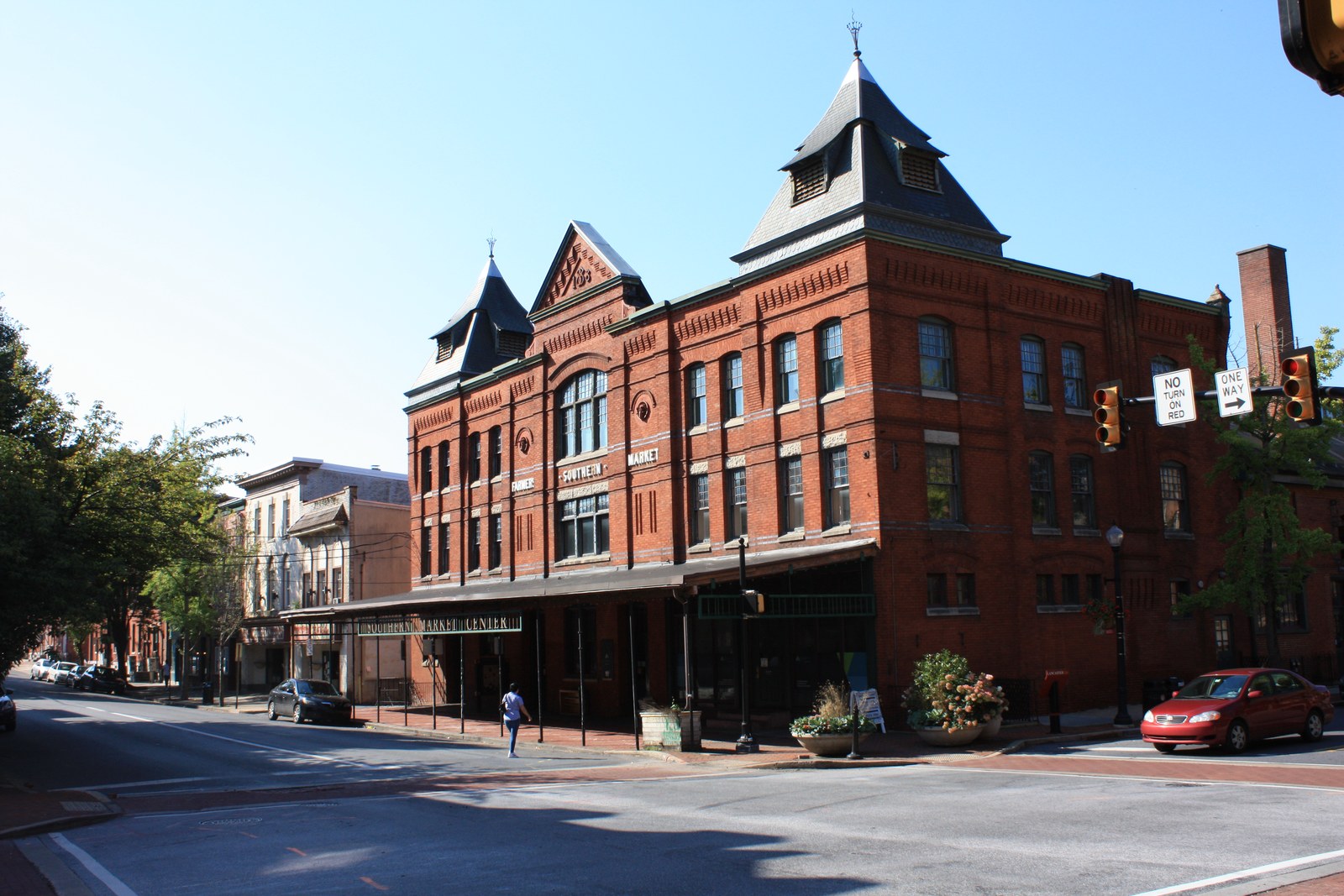
Content SEO for an inland Pennsylvania or Mid-Atlantic listing has a specific temptation baked into it: the corridor between Lancaster and points south feels like one continuous market to write about, so it's tempting to write one continuous pitch — Amish country charm, rolling countryside, a soft blend of whatever's true across the whole stretch. The problem is that a Lancaster, PA listing and an Ashland, VA listing are genuinely different markets with genuinely different guest bases, and a piece of content that blends them produces something that isn't specific enough to be useful for either.
This page is about the narrower, more useful version of inland SEO: writing the actual house you operate, in the actual town it sits in, with the actual facts guests will meet — parking, quiet hours, who the stay realistically fits — ahead of any keyword-driven attempt to rank for a regional phrase that doesn't correspond to anything specific on the ground. Ranking for a soft inland phrase doesn't help if the listing behind it still surprises arriving guests with a mismatch between the pitch and the property.
Two labeled figures from live reporting appear in this piece, kept strictly separate and on their own lines: Lancaster labeled near $28,791 across 216 listings, and Ashland labeled near $25,215 across 18 listings. Neither number is blended into the other, and neither should be borrowed into a listing pitch for a town it doesn't describe. No ranking lift or traffic forecast is estimated here — that's not a number this kind of content page can honestly give.
This distinction matters most for a host who operates in one of these towns and is tempted to borrow language, tone, or figures from a nearby market because it feels like efficient content strategy. It rarely is. A guest researching Lancaster wants Lancaster information, not a blended regional impression that happens to include a number from a different state. This is not legal advice.
Two different markets, kept on two different lines
Lancaster, PA and Ashland, VA sit in the same loose regional conversation about inland, non-coastal Mid-Atlantic hosting, but they're not comparable markets in any way that helps a host write better copy by blending them. Lancaster's reporting shows figures near $28,791 across 216 listings, tied to a market built around Central Market, the surrounding countryside, and a well-established tourism identity. Ashland, VA's reporting shows figures near $25,215 across 18 listings, a much smaller inland Virginia market with its own separate relationship to nearby Richmond.
Those two numbers are not interchangeable, and neither is the guest base each town actually draws. A Lancaster listing writing copy that borrows Ashland's smaller-market character, or vice versa, isn't creating efficient regional content — it's creating a pitch that describes neither town accurately. The specific figures matter less here than the discipline they represent: keep a labeled number on its own line, attached to the town it actually describes, and never let it drift into a sentence about a different market.
This discipline extends past these two towns specifically. Any inland Pennsylvania or Mid-Atlantic host writing content that references a neighboring market's reported numbers should apply the same rule — label the source town explicitly every time the figure appears, rather than letting it become an unlabeled 'the numbers show' claim partway through the piece.
'Corridor' content is a costume, not a strategy
A piece of content built around a phrase like 'Amish country getaway' or 'Pennsylvania Dutch countryside retreat' can rank for something, but what it ranks for often has little to do with the actual house behind it. If the listing is a converted barn outside Lancaster proper, or a modest inland Virginia farmhouse near Ashland, dressing the copy in a regional costume that implies something more generic and more tourist-postcard than the actual property creates the same problem as a photo that oversells a room.
The guest who arrives via that soft corridor phrase was sold an idea, not a specific place, and the specific place they actually booked has to now compete with whatever image the costume phrase put in their head. That's a harder position for the listing to be in than if the content had described the real house from the start — a farmhouse outside Lancaster, a quiet stay near Ashland — because a specific, honest description sets an expectation the property can actually meet.
This isn't an argument against writing about the region at all. It's an argument for writing about the region the way the actual guest will experience it through this specific property, rather than reaching for the most generic, evocative regional phrase available and hoping it ranks.
What inland SEO angles actually work
The angles that hold up under an actual guest's scrutiny are specific and operational rather than atmospheric: what parking looks like at this address, what quiet hours are and why they matter in a residential inland setting where neighbors are often closer than they'd be at a rural resort property, who the stay realistically fits — a couple, a small family, a group that needs multiple bedrooms — and what access to the actual town, not a generic regional identity, looks like from this specific address.
These angles rank less dramatically than a broad regional phrase might, in the sense that they're narrower and more specific searches. But they attract a guest who's actually looking for what the listing actually offers, which is a better trade than ranking broadly for a phrase that pulls in guests expecting something the property was never going to deliver.
Content built on these angles also holds up better over time, because it doesn't need to be periodically softened or walked back as the property changes. A specific parking description stays accurate until the parking situation actually changes. A soft regional costume phrase has no such anchor — it just keeps implying the same generic thing whether or not it's ever been true.
Five habits that quietly break inland content SEO
The first is what might be called ranking theater — content that's clearly built to rank for a keyword phrase but pairs that phrase with an otherwise empty listing, house rules that say almost nothing specific, an about section that reads as filler. Ranking for a phrase doesn't help if the page behind it fails a guest the moment they look for an actual fact. The second is blending labeled figures from two different towns into one implied regional average, which misrepresents both towns and produces a number that describes neither.
The third is publishing a festival or seasonal post with genuinely empty content underneath an appealing headline — a page that ranks for a specific local event search but offers the reader nothing concrete once they click through. The fourth is pausing core listing accuracy work specifically to produce SEO content, treating the content calendar as more urgent than the facts a guest will actually check before booking.
The fifth is linking to or referencing towns that don't yet have their own solid, published content — sending a reader toward a page that doesn't actually exist or doesn't say anything useful, which damages trust in the content that sent them there in the first place.
The composite failure: ranked, then contradicted
The clearest version of this problem is a piece of content that successfully ranks for a soft inland corridor phrase, draws a guest who forms a specific mental picture from that phrase, and then delivers an arrival experience that doesn't match — the wrong architectural style, the wrong pace of town, a house that's honest and pleasant on its own terms but nothing like what the ranking phrase implied.
The SEO worked, in the narrow sense that the content ranked and drove a click. The listing failed anyway, because ranking and matching are two different achievements, and a page that only does the first one has done half the job while creating an expectation gap the property now has to overcome in person.
This is the practical argument for narrower, more specific content over broad regional costume phrases: a narrower angle ranks for a smaller audience, but it's an audience that arrives already knowing roughly what they're getting, which produces a better first impression than a bigger audience arriving with the wrong picture in their head.
Refreshing content without contaminating it
Content built around labeled town figures needs periodic refreshing as those figures update in the source reports — a Lancaster page referencing last year's reported number should be updated when a new labeled year is published, rather than left to quietly go stale while still being presented as current. The same applies to Ashland-specific content and any other inland town a host writes about directly.
The refresh has to preserve the labeling discipline, not just update the number. A refreshed page should still say plainly which town and which reporting year a figure comes from, rather than smoothing the update into a vaguer 'current data shows' phrasing that loses the specific attribution. That attribution is part of what makes the number trustworthy to a reader checking it against another source.
This is also the point to check whether any content still links to a town page that's since gone stale, been removed, or never had solid content published for it in the first place — an outbound link from a well-maintained Lancaster page to a thin or dead Ashland reference does more harm to reader trust than simply not linking there at all.
A 30-day and 90-day inland content check
At 30 days, review recently published content for the ranking-theater problem specifically — does every page that's built around a keyword phrase actually deliver specific, checkable facts underneath the headline, or does any of it read as filler dressed up to rank. Also confirm any labeled town figures still appear on their own clearly attributed lines, with no drift toward blending Lancaster and Ashland numbers into a shared regional claim.
At 90 days, check whether any referenced labeled figures have been superseded by a newer published year in the source reports, and update accordingly while preserving the attribution discipline. This is also a reasonable point to reread the region's content as a whole and ask whether it's collectively describing the actual houses being marketed, or whether a soft corridor costume has crept back in across multiple pages even where no single page obviously violates the rule on its own.
This page doesn't estimate a ranking lift or a traffic forecast, because no defensible, listing-independent number exists for that. What a regular check does confirm is narrower and more durable: that the content still describes real, specific, currently accurate things about the actual house a guest is about to book.
Writing for a guest who's genuinely comparing Lancaster and Ashland
It's realistic that some readers researching inland Pennsylvania or Mid-Atlantic stays are comparing multiple towns directly, sometimes including both Lancaster and Ashland in the same search session. Content written for that comparing reader should still keep each town's facts on its own line — describing what's actually different about the two, rather than what's the same, is more useful to a comparing reader than a piece that flattens both into one regional pitch.
A genuinely useful comparison names the real distinctions: Lancaster's larger, more established tourism market against Ashland's smaller, quieter inland Virginia footprint; the different regional identity each town carries; the different pace of town each guest would actually experience. That's a more honest and more useful comparison than implying the two towns are interchangeable versions of the same inland getaway.
This kind of comparison content also protects the labeling discipline naturally, because the entire value of the piece depends on the reader being able to tell the two towns apart — a comparison that blends them together defeats its own purpose, which makes it a good forcing function for keeping Lancaster's $28,791/216 and Ashland's $25,215/18 figures clearly separated every time they appear.
Auditing existing content for quiet contamination before writing anything new
Before adding new inland content, it's worth doing a single pass through whatever already exists — old listing descriptions, past blog posts, saved social captions — looking specifically for places where Lancaster and Ashland language may have already blended together without anyone noticing at the time. This kind of contamination tends to creep in gradually, one borrowed phrase or unlabeled figure at a time, rather than arriving as one obvious mistake.
The audit doesn't need to be exhaustive on day one. A host can reasonably start with the highest-traffic or most-linked pieces of content first, since those are doing the most work in shaping what a reader or search engine associates with each town, and work backward through less-visible content afterward as time allows.
Finding and fixing this kind of drift before writing new content matters because new content built on top of an already-contaminated foundation tends to inherit the same blended language, simply because it's easier to echo what's already published than to write every new piece from a clean, town-specific starting point each time.
Related Reading
More inland Mid-Atlantic reading on live Lancaster and Ashland pages, PA hubs, and regional bridges that stay clickable.
Frequently Asked Questions
Can I write one piece of content that covers both the Lancaster and Ashland markets together?
Only if the two towns' figures and characteristics stay clearly labeled and separate within the piece, rather than blended into one implied regional average that describes neither accurately. Lancaster's reported near $28,791 on 216 listings and Ashland's near $25,215 on 18 listings describe genuinely different markets, and merging them misrepresents both towns to any reader checking the numbers.
What's wrong with using a broad phrase like 'Amish country getaway' in my listing content?
It ranks for an idea rather than for the specific house behind it, which can draw guests expecting something more generic or postcard-like than the actual property delivers on arrival day. A specific description of the real house, in the real town, tends to attract a guest whose expectations the property can genuinely meet, without any letdown at check-in.
Should I avoid mentioning the broader region at all?
No — regional context is fine and often useful, as long as the content stays anchored to the specific property and town rather than dissolving into a generic corridor pitch. The distinction is between describing the region as context for a specific house versus using the region as a costume that replaces the specifics entirely.
How often should I update labeled figures in my content?
Whenever the source report publishes a newer year for that specific town — update the number and keep the attribution clear about which town and which year it's referencing, rather than smoothing it into a vaguer, unattributed claim. Stale labeled figures presented as current undermine trust the moment a reader checks another source and finds a discrepancy.
What counts as 'ranking theater' in inland SEO content?
Content clearly built to rank for a keyword phrase that pairs the phrase with a thin or empty page underneath — vague house rules, a filler about section, no specific facts a guest could actually use. Ranking for a phrase doesn't help if the page fails the guest the moment they look for something concrete to check.
Is it okay to link to a nearby town's content if that town doesn't have much published yet?
No — linking to a thin or unpublished town page damages trust in the page that sent the reader there, even if the linking page itself is solid and well-written throughout its own copy. Wait until the referenced town has genuine, specific content before linking to it, or simply don't link there at all yet.
Does inland SEO content need a legal disclaimer?
Generally no — content-SEO and marketing-angle topics like these don't involve regulation, permitting, or compliance guidance directly in most cases you'll encounter. If a specific inland post happens to reference local ordinances or occupancy rules in passing, that's the point to add a plain not-legal-advice note near that specific content, not buried elsewhere on the page.
What should I do if I find labeled figures blended together in older content?
Separate them onto their own labeled lines immediately, attributing each figure to its actual town and reporting year rather than leaving them merged together indefinitely. A blended, unlabeled average misrepresents both towns and is exactly the kind of contamination this whole discipline exists to prevent from spreading further into any new pieces you publish later.
Will writing narrower, more specific content actually rank as well as broader regional content?
It typically ranks for a narrower set of searches, but for an audience that arrives already understanding roughly what the property offers and expects from the stay. That produces a better match between expectation and arrival than a broader phrase pulling in guests expecting something far more generic than the house actually turns out to be.
How do I know if my content is still describing the actual house I operate?
Periodically reread it as if you were a guest who'd never seen the property, and check whether the parking, quiet hours, and general character described match what's currently true today. Content that was accurate when written can drift out of sync with a property that's since changed, the same way any other listing fact can.
Work with Crest & Cove Creative
Lancaster, PA and Ashland, VA are not the same market wearing different names, and blending their labeled figures into one soft corridor pitch loses both. Rank the house you actually operate, not a costume built from two separate reports.
Writing inland content that's specific enough to actually match your property takes more discipline than reaching for a regional keyword phrase, but it produces guests who arrive with the right expectations. If you want help auditing your content for blended or borrowed regional language, reach out and we'll go through it with you.
Reach out at crestcove.co or (256) 998-7502.


Comments