
Family vs. Couples: Picking a Beach Rental Position You Can Actually Deliver

Updated: Aug 28
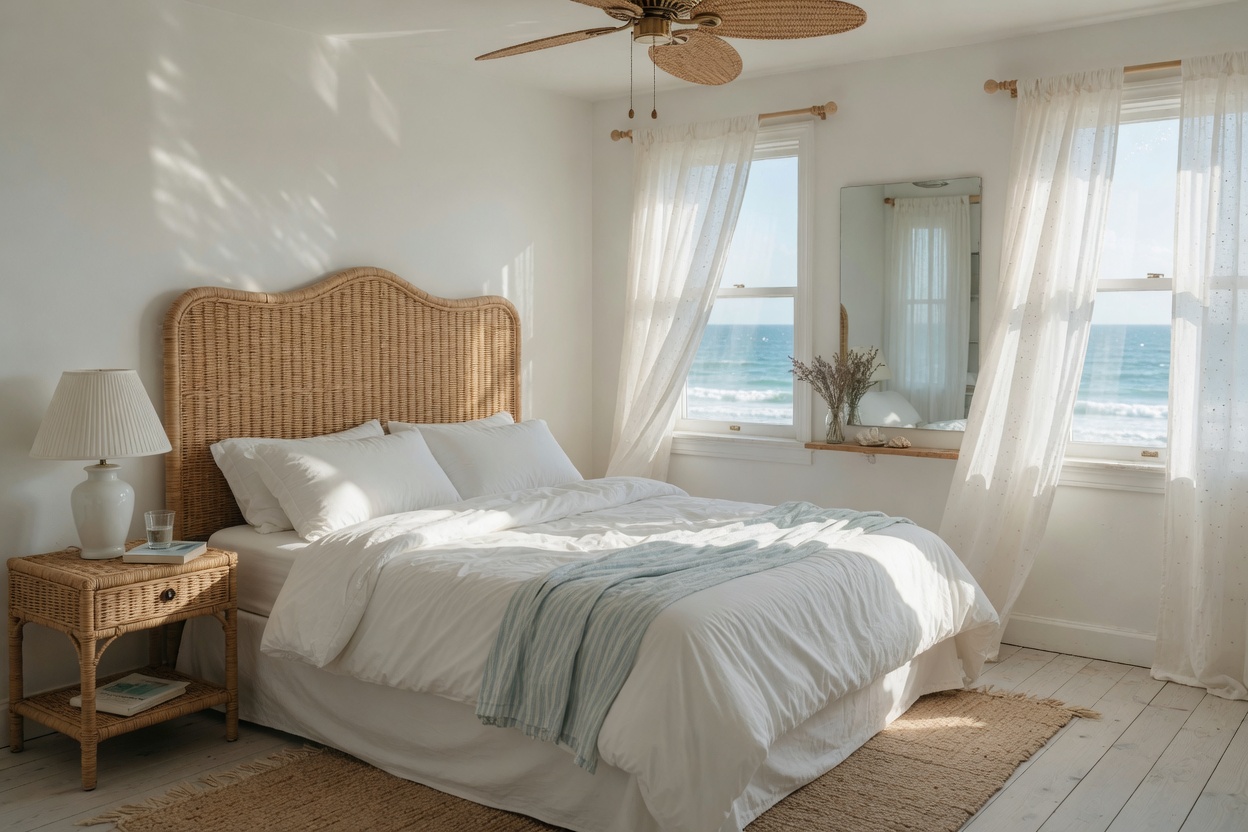
Most beach rentals don't underperform because the house is wrong. They underperform because the listing tries to be two vacations at once: a hushed, adults-only retreat in the headline and a bunk-bed family basecamp in the photo gallery. Guests notice the mismatch before they book, and the ones who miss it notice at check-in, which costs a review instead of just a click. Positioning isn't a marketing flourish for a short-term rental; it's a promise about who the house is for and what a Saturday there will actually feel like.
This is a strategy piece, not a market report. There's no occupancy figure, ADR number, or booking-lift claim attached to either position here, because no honest source has one. What follows is a framework for deciding, house by house, whether a family or a couples position fits the property a host actually has, and how to avoid the common trap of claiming both and delivering neither.
Family and Couples Positioning Solve Different Problems
A family position answers the questions parents ask before they'll trust a rental with their kids: is there a crib, a gate at the stairs, enough real beds that nobody ends up on a pullout, a kitchen stocked enough to make breakfast instead of eating out three meals a day. It sells logistics as much as location, proximity to a grocery store, a washer and dryer on site, beach access that doesn't involve carrying a toddler across a hot parking lot.
A couples position answers a different question: will this place feel like it was chosen for us, not left over after the family units got booked first. That position is built on quiet, a good bed, natural light, maybe a soaking tub or a private outdoor shower, and the visible absence of things families need, bunk rooms, high chairs, plastic everything within reach. It sells atmosphere over capacity.
Both positions are legitimate. Neither works layered on top of the other. A four-bedroom house with two bunk rooms photographed under a "romantic getaway" headline disappoints the couple who books it and loses the family who scrolls past because the copy never mentioned the bunk rooms at all.
What a Family Listing Has to Actually Deliver
Claiming family-friendly means the listing has to answer the practical questions before a parent has to ask them in the inbox. Sleeping arrangements need a real breakdown, not just "sleeps 10", travelers with kids want to know exactly how many are actual beds versus a sofa bed or air mattress. If a pack-and-play or high chair is on site, say so. If it isn't, say that too, because a family that assumed one was provided and drove six hours without one leaves the worst kind of review.
Safety details matter more here than in almost any other segment: pool fencing, stair gates, outlet covers, distance from a busy road. Hosts don't need to over-promise childproofing they haven't done, an honest line about what is and isn't set up for young kids builds more trust than a generic "family-friendly" badge with no specifics behind it.
House rules matter too: quiet hours that make sense for a household with an early riser, a check-out routine that doesn't require deciphering, and parking that fits two cars if grandparents are along. None of this is glamorous copy, but it's the copy that gets a family to book with confidence instead of hedging by messaging five other listings first.
What a Couples Listing Has to Actually Deliver
Claiming a couples or romantic position means the photos and copy have to lead with atmosphere, not headcount. A wide shot of the primary bedroom, the view from the deck, the soaking tub if there is one, these do more work than a photo of a dining table that seats twelve. If a second bedroom exists but rarely gets used, it's fine to mention it as a bonus for a second couple traveling together, but the headline shouldn't be built around it.
Quiet is the actual product being sold. That means being honest about the surroundings, if the house sits next to a family-heavy complex with a pool full of kids all summer, "peaceful retreat" isn't an accurate claim, and the review that calls it out does more damage than a more modest, accurate description ever would.
Amenities that read as couples-specific, a fire pit for two, a hot tub, blackout curtains, a coffee setup that doesn't require leaving the house before either person is ready, are worth calling out by name rather than folding into a generic amenities list. That specificity is what separates a listing a couple picks over a dozen similar ones nearby.
The Positioning Mistake That Costs the Most Bookings
The most common and most expensive mistake is running both positions on one listing without reconciling them, a headline that promises a "romantic beach escape" next to a gallery that opens with a bunk room, or a family-friendly title on a one-bedroom cottage with no crib, no second bathroom, and a steep unfenced staircase down to the beach. Either version pulls clicks from the wrong audience and loses them at the message stage or, worse, after check-in.
The fix isn't complicated, but it does mean picking a lane. If a property genuinely works for both, a three-bedroom house with a private primary suite that suits a couple and enough beds and safety features for a family, it's fine to say so, but the copy has to earn that claim by naming both use cases explicitly rather than leaning on a vague word like "versatile" and hoping guests fill in the blank themselves.
The other frequent error is borrowing a position from a competitor's listing without checking whether the house can deliver it. A "family basecamp" headline copied from a nearby property with a fenced yard and a game room doesn't transfer to a house that has neither. Positioning has to be built from what the house has, not from what sounds appealing in a search result.
Choosing a Position for the House You Actually Have
Start with an honest inventory: bed count and type, number of bathrooms, safety features already in place, proximity to noise sources, bars, a shared pool, other short-term rentals, and what's genuinely walkable. That inventory usually makes the decision on its own. A two-bedroom, one-bath cottage a block from a lively strip is a hard sell as a family retreat and a much easier sell as a couples getaway or a friend-group weekend.
Next, look at what guests have actually asked in past inquiries, if the listing has history. Repeated questions about crib availability point toward family demand already finding the listing; repeated questions about noise or privacy point the other way. Inbox history is a more reliable signal than a guess about which segment seems more profitable in the abstract.
Once a position is chosen, every part of the listing needs to agree with it, title, first photo, amenities list, house rules, and the welcome message a guest gets after booking. A mismatch anywhere in that chain reintroduces the exact confusion the position was supposed to remove.
Testing a New Position Without a Full Rebrand
Hosts don't need to rebuild a listing from scratch to test a position change. Start with the title and the first photo, those two elements do most of the work in a search result before a guest ever opens the listing. A two-week test with a revised title and lead photo, tracked against inquiry questions and booking pace, gives a reasonable read on whether the new position is landing.
Watch the inbox, not just the booking count. If inquiry questions shift to match the new position, fewer "is this good for kids" messages after switching to a couples-focused title, for example, that's a sign the repositioning is reaching the right audience even before conversion numbers move.
If the test doesn't land, revert the title and photo rather than layering a third position on top of the first two. A listing repositioned twice in a month with no clear signal from either test is better served by going back to whichever version had the longer track record and rebuilding the case for change with more data.
Related Reading
Keep reading on same-cluster Crest & Cove pages that stay on labeled local lines without costume-corridor copy.
How to Market a Short-Term Rental in Surfside Beach SC the Family
How to Market a Short-Term Rental in Atlantic Beach NC Fort Macon
How to Market a Short-Term Rental in Holden Beach NC the Quiet Family
How to Market a Short-Term Rental in Oak Island NC the Big listing
How to Market a Short-Term Rental in Litchfield Beach SC the Quiet
How to Market a Short-Term Rental in North Myrtle Beach SC Winning
How to Market a Short-Term Rental in Sandbridge VA the By Right Dog
How to Market a Short-Term Rental in Mexico Beach FL the Rebuilt
How to Market a Short-Term Rental in Ocean Isle Beach NC South
School Break and Summer Family Demand: A Calendar Guide for Hosts
Frequently Asked Questions
Can one beach rental listing target both families and couples?
Only if the copy names both use cases explicitly and the house genuinely supports both - enough beds and safety features for a family, plus a private, quiet primary suite for a couple. A vague "great for any group" line doesn't do this work; it just leaves guests guessing which promise applies to them.
What's the biggest signal that a house should lean family instead of couples?
Multiple real bedrooms, a fenced yard or safe stair access, a full kitchen, and proximity to family-friendly amenities like a grocery store or a calm stretch of beach. If a property already has these features, a family position lets the listing lead with what's genuinely there instead of downplaying it for a romance angle that doesn't fit.
What's the biggest signal that a house should lean couples instead of family?
A small footprint, one primary bedroom with a strong view or private outdoor space, and a lack of the safety infrastructure a family with young kids would need. Forcing a family claim onto a house like this usually produces disappointed guests and inbox questions the listing can't answer well.
How do I know if my current positioning is actually working?
Read the last twenty or so inquiry messages and see whether the questions match the position the listing claims. If a "couples retreat" keeps getting asked about pack-and-plays and bunk beds, the position and the listing aren't aligned, regardless of how the copy reads to the host.
Does changing a listing's positioning hurt existing reviews or ranking?
Existing reviews stay attached to the listing regardless of a title or photo change, and repositioning doesn't erase past guest feedback. What it can do is reduce future mismatched reviews, since guests who book after the change are seeing a more accurate picture of what the house actually delivers.
Should the first photo change if I switch from a family to a couples position?
Yes. The first photo carries most of the positioning weight in a search result, more than the title text does. A dining table that seats twelve signals family capacity; a wide shot of the primary bedroom or the view signals a couples focus. Matching the lead photo to the new position matters more than rewriting the full description.
How long should I test a new position before deciding if it worked?
Two to four weeks is usually enough to see whether inquiry questions and booking pace shift, though the exact window depends on how much search traffic the listing already gets. Watching inquiry content, not just final bookings, gives an earlier read than waiting for a full booking cycle to close.
What if my house honestly fits neither a clear family nor a clear couples position?
Some properties genuinely suit a broader group traveler - multi-generational trips, friend groups, or work retreats - better than either family or couples framing. In that case, position around the actual use case the house supports best rather than forcing it into a category it doesn't cleanly fit.
Work with Crest & Cove Creative
A four-bedroom house with two bunk rooms photographed under a 'romantic getaway' headline disappoints the couple who books it and loses the family who would've been a better fit. Most beach listings pick neither, and the blended headline is what leaves the calendar half full.
We help beach hosts pick one honest position, family or couples, and rebuild the listing headline and gallery to match. Send us your current listing, and we'll show you which promise the photos are actually keeping.
Reach out at crestcove.co or (256) 998-7502.


Comments