
Underwrite K DSCR on This Year Only

Updated: Aug 30
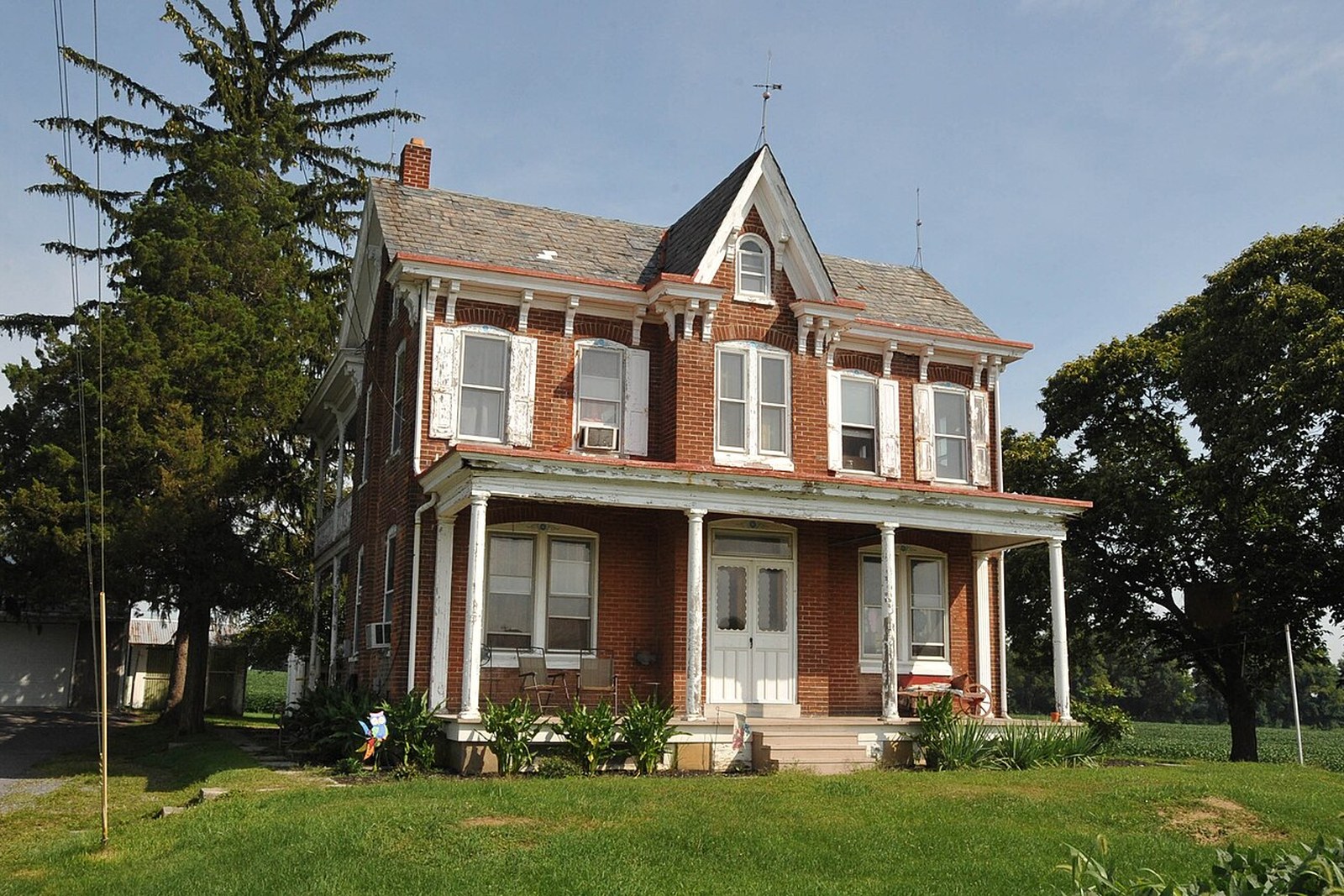
A Kutztown note does not care what a leftover Lancaster packet printed last winter. It cares whether the house can service debt on rent a lender will actually accept. AirROI 404s on Kutztown. There is no Borough of Kutztown ADR to annualize and no borough typical year to drop into a DSCR grid. Allentown city, updated as a Lehigh County extract, pins a typical year at $12,120, ADR at $159, occupancy at 36.6 percent, RevPAR at $57,. That is the city desk. Leave out unverified a borough year to fill a cell the extract never published.
The housing license is required to rent or let any borough house or apartment. The short-term ordinance is still a proposal as of March 9, 2026. A DSCR lender who treats that draft as adopted law is underwriting a story. Ask which clerk the driveway actually has before you argue about rate. Borough Hall at 45 Railroad Street is one desk. Maxatawny Township at 127 Quarry Road is another. Borough housing-license rules do not automatically apply on a township lot.
This file is the underwrite, not the brochure. Crystal Cave is open March 1 through November 30 and closed December through February. The Homestead Festival is July 2 through 5, 2026, at the Fairgrounds. Kutztown Fair is August 3 through 8, 2026, and those hours are visitor traffic, not coverage. If you still need the inventory pinned, start with the.market reportand keep any borough parcel off the Allentown year. Bring documents a loan officer can use. Do not bring a costume trailing twelve.
No Lender Should Accept an Invented Borough Year
Debt-service coverage on a Kutztown house cannot start at a borough year nobody published. AirROI 404s on Kutztown. There is no Borough of Kutztown ADR to annualize, no borough occupancy to haircut, and no borough RevPAR to dress as a T12. A broker who still writes a typical Kutztown year is inventing the rent roll. A lender who accepts that number is underwriting fiction. Use this parcel’s nights if they exist under a living housing license. If they do not, underwrite a house, not a stay you cannot legally advertise.
Do not midpoint an Allentown cell either, and do not import Lancaster. Kutztown is Berks County, not Lancaster Dutch Country. This cluster will not borrow Lancaster city’s $28,791 as this year, and it will not mint a borough figure to look conservative. Festival weekends and cave Saturdays are demand stories. They are not a monthly rent you can drop into a DSCR worksheet.Shoulder seasonis a calendar file, not coverage. Keep the nights you can prove on this parcel, then Keep the gap a lender will have to carry.
If a packet still quotes a Kutztown typical year, send it back. Ask for the source. If the source is Allentown city, the published market year is wrong for a borough driveway. If the source is Lancaster, the county is wrong. If the source is Crystal Cave hours divided by a fake listing count, the math is a press release.Buying the houseon invented rent is how the note and the clerk diverge in year one. The loan officer should refuse that page.
$12,120 Is Allentown City, Not This Deed
Twelve thousand one hundred twenty dollars is the Allentown city typical year. ADR is $159, and occupancy is 36.6 percent. RevPAR is $57, and the cell is 130 listings. Lead time is 28 days, and average stay is 6.4 nights. Entire-home share is 76.2 percent, and professionally managed is 10.0 percent. Thirty point eight percent of listings already set thirty-plus nights. Year over year is minus 26.3 percent, and that is the extract. It is not a promise this borough parcel will print the same year, and it is not this deed.
Peak-3 in Allentown is December, June, and August, and softest month is January. A DSCR grid that pastes those city months onto a Berks borough is lying about the published market year. Kutztown’s dated traffic is the cave window, the Homestead weekend, August fair week, and KU commencement May 15 and 16, 2026. Those are calendars you can name, and they are not Allentown’s December peak. Use the city year only as a labeled satellite, never as this house’s trailing twelve.
A lender who wants a number will still ask. Give them this parcel’s ledger if nights were legal under a housing license. Give them the Allentown extract as context, labeled city. Give them Reading city’s $11,474 only as another Berks city, not as Kutztown. Give them a second-home occupancy plan with no short-term income until a license prints. Do not give them a borough year. Do not give them Lancaster’s $28,791 as a conservative case.Borough versus township clerksis the published market year file. Drive time from Allentown does not move city rent onto a borough note.
A Proposal Is Not Collateral That Travels
The March 9, 2026 Planning Commission minutes still called the short-term ordinance a proposal. Chair Robert Weller reported a discussion with Council member Lisa Ladd-Kidder. Code Enforcement was to reach solicitor Keith Mooney on wording. That is a draft conversation at Borough Hall, not collateral. A DSCR package that assumes the proposal is already adopted, already priced, and already transferable is fiction on this borough clerk. Do not treat minutes as adopted text. Ask Community Development, not the listing agent, what status the parcel actually holds before anyone orders a rent-roll appraisal on those nights.
Township parcels are a different door. Borough housing-license rules do not automatically apply inside Maxatawny. Confirm township zoning at 127 Quarry Road,, before a lender treats a cave-road house as a borough listings. A township driveway that cannot take a stay is a house loan. It is not a DSCR story you can paper over with Allentown’s $12,120.The rules fileis the clerk path, not a rumor from another county.
Put the question in writing before the rate lock. Will a housing license exist for this buyer, this entity, and this occupancy plan after the deed records. If the answer is no, the rent roll is zero until 45 Railroad Street says a license can print. This file will not invent transfer rules the proposal never adopted. The note cannot mint an ordinance. Ask again after closing if the buyer entity changed. If the clerk cannot name a surviving path, underwrite the first season as a house you occupy or leave empty, not as a stay already booked.
DSCR on Clerk Risk and Named Weekends
Coverage math on this published market year starts with the clerk, not with a costume T12. There is no measured Kutztown listing count. Allentown’s is a city inventory. A new borough listings is not a rounding error you can hide inside that cell. It is another tile in a 4,180-person borough next to a township that holds Crystal Cave. DSCR that assumes easy replacement of a seller’s July nights is ignoring the 2025 Folk Festival cancellation and the fact that 2026 is a Homestead weekend, not a copy of 1950.
Occupancy in Allentown is 36.6 percent. That is not a full borough calendar you can haircut to 1.25 coverage and call conservative. Thirty point eight percent of Allentown listings already gate thirty-plus nights. Those settings change how a city rent roll looks even when the headline year stays $12,120.A thirty-night stayis a different object from a July fairgrounds weekend. Align the occupancy letter with the nights you can legally sell on this clerk.
A lender who wants coverage on nights that may not exist is not asking a rate question. They are asking whether the house still works as a second home if the housing license dies at closing, the township clerk says no, or January stays empty. Price the Homestead weekend and August fair week as named peaks. Price the cave’s closed months as closed. Do not tell the officer the borough is an open desk. The housing license is live, and the STR ordinance is still a proposal. Those are different risks and they belong on different lines of the worksheet.
Pennsylvania Second-Home and DSCR Facts Only
Pennsylvania lenders still sort houses into second-home and investment boxes. Those boxes are not Borough Hall’s boxes. A second-home note expects you to occupy the place for your own weeks. An investment or DSCR note expects rental income, including short-term guests, to help pay the debt. Community Development cares whether a housing license exists to let the unit. Mixing the occupancy story is how both desks bounce you when they compare files. The township clerk has the same problem on a Quarry Road lot.
This file will not invent a Kutztown DSCR product, a special Pennsylvania short-term mortgage, or a borough rate sheet. Those pages do not exist in the clerk stack. What exists: second-home occupancy letters, investment-property underwriting, and DSCR worksheets that compare rent to PITIA. None of them create a Borough of Kutztown year. None of them adopt the March 2026 proposal. If the occupancy letter says you will use the house and the application says you will rent every Homestead weekend, one of those pages is false. Leave out unverified a transfer rule to make the boxes match.
Investment occupancy without a surviving license is vacant occupancy. Price the note as if the first season is owner use or a longer hold, not as if a fairgrounds Saturday is already yours. A stay under 30 days is the hotel-tax object. A longer hold is a different desk. Align the occupancy letter, the insurance binder, and the clerk file before anyone orders an appraisal that assumes nightly rent. One story for the bank, the borough or township, and the carrier is the only story that survives a call to the desk.
What Cave Hours Do Not Support
Crystal Cave is the dateable hook: discovered November 12, 1871, billed as Pennsylvania’s oldest show cave, at 963 Crystal Cave Road. Open March 1 through November 30, and closed December through February. Typical hours 9:00 a.m, and to 5:00 p.m., later in summer. Those hours are visitor traffic, and they are not host T12. A lender who annualizes cave hours as occupancy is reading a tourist calendar as a rent roll. Do not divide the cave by a fake listing count or treat a Saturday tour as a covered month.
The same warning applies to the Allentown extract itself. $12,120 is a typical year across 130 city listings, not this house times the cave’s open days.Tourism dataexists so you can quote the cave without lying about the note.The cave and festival filekeeps the walk on township ground. Neither page supports a coverage ratio. Neither page replaces a housing license a buyer still has to earn at 45 Railroad Street after the deed records.
Tax remittance is also not debt service. Pennsylvania hotel occupancy tax is 6 percent. Berks County hotel room rental tax is 5 percent. Those lines are not host revenue and they are not a T12. A loan officer should not need those percents as income on day one. You should, because failing to remit turns legal nights into a tax problem. Compliance is how you keep the nights you already underwrote. Do not add those percents to the rent roll. The note is a different calendar. Keep both posted on the same wall as the occupancy letter.
Questions a Loan Officer Will Ask
They will ask what the house rented last year. If the seller held a housing license, that ledger is the seller’s nights, not yours, unless Community Development says a new license can print for you. They will ask whether the proposed ordinance is adopted. As of March 9, 2026, it is not, and they will ask which clerk the driveway has. Answer with the borough or the township, not with Kutztown. They will ask whether you will live there, and answer with the life you will lead. They will ask about January. Tell them it is quiet on the Allentown extract, not a borough T12.
They will ask for a market comp, and do not hand them a borough year. Do not hand them Lancaster’s $28,791. Hand them Allentown $12,120 labeled city, Reading $11,474 labeled Reading, and this parcel’s actual nights if any exist. They will ask about taxes. The 6 percent state tax and the 5 percent county tax are remittance, not principal. They will ask about management. Allentown’s 10.0 percent professionally managed share is a city fact, not a rent add-on.Startup costsbelong in the same packet as the occupancy letter.
They will ask what happens if Borough Hall adopts the draft. Tell them you can service the note as a house if the path changes or the license does not print. If you cannot say that, you are not ready to close. The officer is not the clerk, and the clerk still has to say yes. Lancaster County rules do not decide this file. A different county’s year is not Kutztown collateral and it does not belong in this packet.
What to Send Instead of a Costume T12
Bring the city facts labeled city: Allentown $12,120, $159, 36.6 percent, $57,, peak-3 December June August, January soft. Bring Reading $11,474 only as Reading. Bring the seller’s housing-license status if one exists, plus a written answer from 45 Railroad Street or from 127 Quarry Road. Bring the entity papers, the occupancy letter, and the tax IDs you will use if nights are legal. Bring insurance that names short-term rental on this use. Leave the costume trailing twelve at home, and leave any invented borough year in the trash.
Bring a reserve schedule that does not assume twelve named fairgrounds weekends. Bring a statement of which clerk the driveway has. If the parcel is borough, bring the 45 Railroad Street answer, not a copied Lancaster page. If the parcel is township, bring the Quarry Road zoning path.How you market the houseis not a rent roll. Do not staple a tile to the note as income. Do not staple cave hours to the note as occupancy.
Do not bring a packet that averages Kutztown with Lancaster. Do not bring a marketing deck as rent. Do not bring Crystal Cave tour hours as coverage. Borough Hall sits at 45 Railroad Street and answers at if the published market year is borough. The township desk is 127 Quarry Road at. The loan officer wants a rent roll that survives closing. Give them that, or give them a house they can underwrite as empty. A brochure is not a rent roll, and an invented borough year is not a document they should keep.
Frequently Asked Questions
What Kutztown year should a DSCR lender put on the rent roll?
None, currently -- there's no confirmed Borough of Kutztown typical year in the published research. Allentown city prints $12,120 typical year, $159 ADR, 36.6 percent occupancy, $57 RevPAR, but that extract is a city figure, not this borough deed. Use the parcel's own legal nights if a housing license exists for the buyer; don't import Lancaster city's $28,791 as a substitute either.
Can I use Allentown's $12,120 as a conservative Kutztown comp?
No. $12,120 is Allentown city in Lehigh County, and drive time on US-222 doesn't move city rent onto a borough note. A haircut applied to the wrong desk is still the wrong desk. Reading city's $11,474 is Reading's own figure. Neither number is a Borough of Kutztown typical year, and neither belongs on this file.
Is the March 2026 STR ordinance collateral that travels with the deed?
No, not yet. Planning Commission minutes from March 9, 2026 still called it a proposal, and this file won't invent transfer rules the draft never adopted. A housing license is required to let any borough unit today, which is a rental-housing desk matter, not adopted short-term-rental law. Ask Community Development what status the parcel actually holds before ordering a rent-roll appraisal.
How should a lender treat Crystal Cave's visiting hours?
As visitor traffic, not occupancy. The cave, sitting in Maxatawny Township, runs March 1 through November 30 and closes December through February. Don't divide those hours by a fake listing count, and don't annualize a Saturday tour as a rent roll. Allentown's $12,120 remains a city extract -- it isn't the cave's hours multiplied by a listing count.
Is there a special Pennsylvania STR or Kutztown DSCR product?
Not in any published clerk stack this file will invent. Pennsylvania lenders still sort second-home occupancy from investment or DSCR underwriting, and those categories aren't the same thing as Borough Hall's housing license or the March 2026 proposal. None of them create a borough year, and none of them adopt the draft ordinance on their own.
How should DSCR treat clerk risk and named weekends?
There's no measured Kutztown listing count to underwrite from. Price the Homestead Festival, July 2 through 5, 2026, and the Kutztown Fair, August 3 through 8, as named peaks, and price the cave's closed winter months as closed. The 2025 Folk Festival cancellation belongs on the calendar too -- don't treat Allentown's 36.6 percent occupancy as a borough coverage ratio.
What will a loan officer ask besides last year's rent?
Whether the proposed ordinance is adopted (it isn't yet), which clerk actually governs the driveway, whether you'll live there, and how you'll service the note if a housing license never comes through. Expect questions on January, Pennsylvania's 6 percent hotel tax, Berks County's 5 percent tax, and management -- Allentown's 10.0 percent professionally managed share is a city fact, not extra rent.
What should I send instead of a pro forma T12?
Allentown extract facts labeled as Allentown, Reading figures labeled as Reading, the seller's housing-license status in writing, the borough or township clerk's contact, an occupancy letter, entity papers, tax IDs, and insurance that names short-term use. If the parcel is borough, bring the 45 Railroad Street answer; if it's township, bring the 127 Quarry Road answer instead.
What should a lender file leave out entirely?
Any invented borough typical year, any Lancaster-cell figure presented as Kutztown's own, and any coverage ratio the borough clerk hasn't confirmed in writing. Allentown and Reading numbers stay useful only when clearly labeled as neighboring-city context -- never as a substitute for a Kutztown figure that, as of this writing, simply hasn't been published.
Related Reading
More Kutztown, Pennsylvania reading already live on Crest & Cove.
Work with Crest & Cove Creative
A Kutztown listing that presents an unlabeled Lancaster figure as this borough's own typical year is describing a house that doesn't exist. Allentown and Reading numbers only belong in the story when they're clearly marked as neighboring-city context.
We write Kutztown listing copy that keeps borough facts separate from Allentown and Reading context, never blended into one invented typical year. Send us the listing and we'll rebuild the story around the borough or township clerk's own confirmed facts.
Reach out at crestcove.co or (256) 998-7502.


Comments