
Underwrite Ojai DSCR on $3,739 and Real 30-Night Stays

Updated: Aug 27
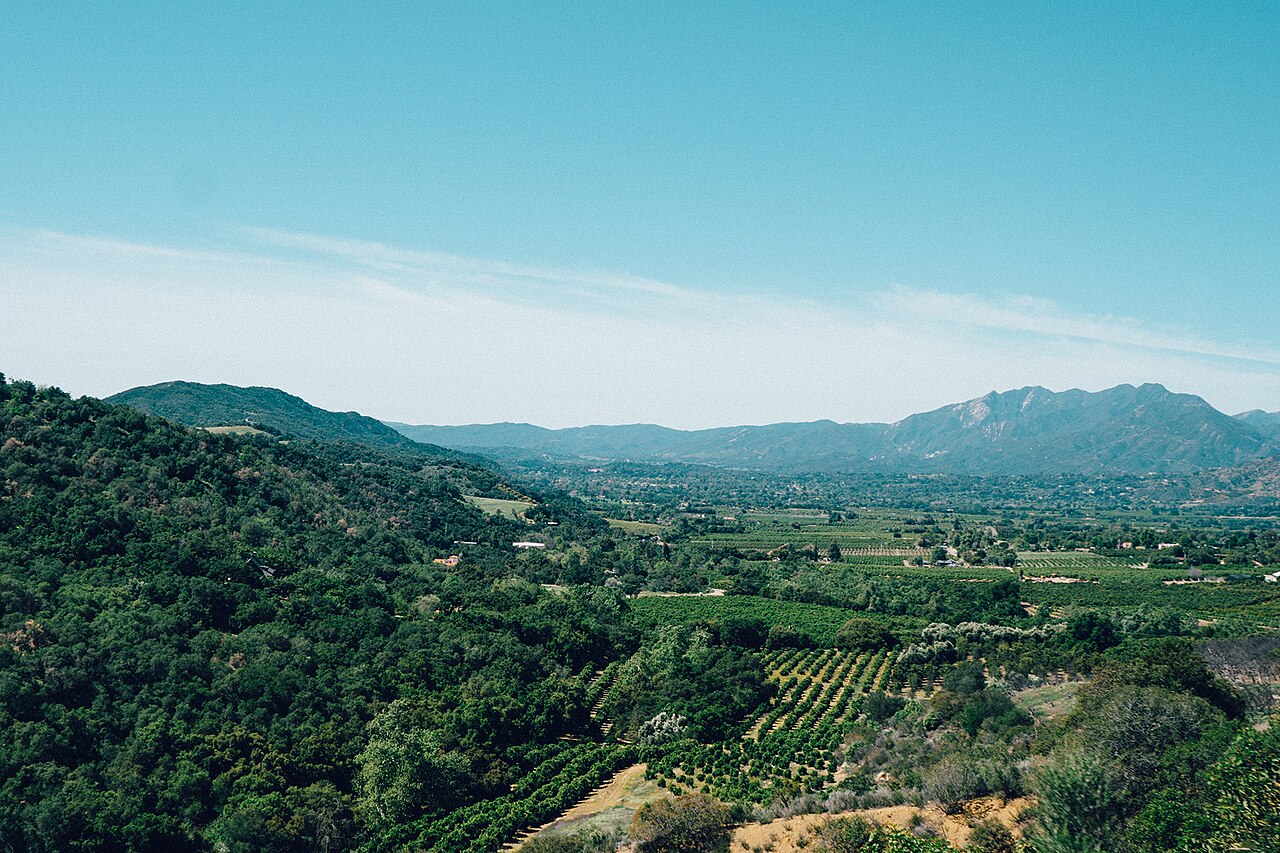
A DSCR conversation on an Ojai house starts with the median month and the ban, not with a June screenshot. AirROI’s Ojai extract updated 2026-08-08 locks annual revenue at $48,651, median month at $3,739, occupancy at 41.0 percent, ADR at $440, and RevPAR at $176 across 145 listings. Peak months are June, August, and March, and the hole is January, February, and December. City of Ojai residential and village mixed-use cannot sell under-30 stays; advertising them is a violation. Hotels, motels, and B&Bs are exempt, and thirty-plus nights are the city investment product.
Lenders who underwrite a banned nightly story will not save the file when code enforcement does. Lenders who underwrite Lisa’s $527,176 year as if it were the borrower’s year will not save the file when the median shows up in diligence. This page is the finance companion to theinvestment thesis, themarket report, and thestartup cost sequence. We do not manage Ojai. We Leave out unverified purchase prices, rate sheets, or Inn ADR. Bring the extract, the ordinance, and a 30-night operating plan, or bring a second-home story that does not pretend to be nightly DSCR. If the only way the payment clears is a weekend premium the city closed, you are not financing a house; you are financing a violation.
DSCR files the median, not June
Debt service coverage wants a repeatable income story. In this cell the repeatable host-performance anchors are $48,651 annual and $3,739 median month watch, not a single peak Saturday. Peak-season averages near $7,531 a month, 50.8 percent occupancy, and ADR near $424 describe a stronger band. Low-season averages near $5,317, 44.1 percent occupancy, and ADR near $382 describe the hole band. Market ADR remains $440. Filing only the peak band is how optimistic term sheets become default risk.
June is the peak month, and it is not twelve months. August and March complete the peak three. A loan memo that annualizes June without January will overstate coverage. Supply is flat and revenue is up 1.3 percent, stable, not explosive. Professional management is 2.1 percent, so do not assume a branded operator haircut solves thin coverage unless you actually have a contract and a track record.
Cleaning median is $265. That expense still exists on a 30-plus calendar at turnovers and resets. Superhost share at 60.0 percent and a 4.91 average rating mean quality spend is not optional if you want the revenue line to stay credible. DSCR files should net real operating costs, not gross a fantasy ADR.
When you present comps, prefer the cell over the hero. A 145-listing extract with flat supply and +1.3 percent revenue is a steadier story than one screenshot of a June calendar. If your unit has trailing twelve months, bring those too, and still show how they sit next to $3,739 and 41.0 percent so the lender sees you are not cherry-picking. Honesty is a credit feature when the ban already removes the usual short-stay upside narrative.
41.0 percent occupancy is the occupancy file
Occupancy at 41.0 percent is a valley calendar, not a 70 percent resort. RevPAR at $176 already embeds empty nights. If a lender’s model needs 65 percent to clear, this extract is not that model’s friend unless the borrower brings a different income story with proof. Average stay is 7.8 nights and 55.2 percent of listings already run 30-plus, so the occupancy that exists is often longer-stay shaped, not a stack of perfect weekends.
Empty nights are not automatically a management failure in a banned under-30 city. They can be the legal calendar. January is the lowest month; February and December complete the hole. Stress the file with hole months rather than apologizing for them. Remote and midterm merchandising is the operational response; it is not a promise that occupancy jumps to resort levels.
Domestic guests are 94.8 percent of the extract, Los Angeles then New York. Origin concentration can be a strength for drive-to and hybrid remote demand. It is not a guarantee every month fills. Lead time averages 56 days; pipeline visibility exists, but DSCR still needs a vacancy assumption that looks like 41.0 percent unless the borrower has trailing actuals that beat the market.
Sensitivity tables help more than slogans. Show coverage at market occupancy, at a modest beat, and at a soft miss. Show one scenario where January and February both look like hole months. If only the beat case clears debt service, equity or price is wrong. Lenders who see you run the soft case first tend to trust the rest of the packet more than borrowers who only ship a June victory lap.
$3,739 is a watch-line month
The median month is $3,739 and this cluster labels it watch. Watch means do not treat it as a preferred-line lifestyle number. Annual $48,651 clears a $45k conversation in market terms, but the median month is where payment stress shows up when the peak three are not carrying the year. A mortgage payment that only works if every month prints peak-season averages is mis-sized for this cell.
Use the median as a diligence checkpoint: can the borrower fund the note, taxes, insurance, cleaning readiness, and a January reserve if several months look like watch rather than peak? City TOT at 15 percent or county TOT at 8 percent still come out of guest-facing pricing and remittance habits; they are not free. Overlay fee anchors such as $1,525 plus deposits matter if that is the paper path, but they do not replace monthly coverage math.
Do not “fix” the watch line by inventing under-30 volume. Illegal nights are not a DSCR input. They are a credit risk. The fix for a thin median is a cheaper basis, more equity, a true second-home payment that does not need the rent, or a documented 30-night operating plan, not a weekend premium the city closed.
Second-home versus 30-night investment
Second-home financing assumes personal use and a payment the borrower can make without perfect rental coverage. Investment or DSCR financing assumes rental income is part of the repayment story. In Ojai those two frames collide with product law. A city house investment story is a 30-night story. A second-home story can include personal June weekends, but personal use is not proof of DSCR.
Borrowers sometimes want both: family months and rental months. That can work when the rental months are legal lengths and the payment still clears if rent is soft. It fails when the only way the spreadsheet balances is a banned short-stay premium. Overlay homeshare is even more personal-use shaped because owner presence is required; do not underwrite vacant whole-home STR income on a homeshare paper.
Ask which file you are actually in before rate shopping. Second-home with occasional legal long stays is one conversation. Full DSCR on $3,739 median and 41.0 percent occupancy is another. Mixing them in one email to a lender creates avoidable credibility damage.
Cash-to-close planning should include more than down payment theater. Reserves for January, setup for a 4.91-rating quality bar, cleaning readiness at a $265 median, and tax registration time all hit before the first stable quarter. A rate that looks perfect on a peak-season average sheet can still be the wrong rate if hole months empty the account. Decide the use case first, and shop the program second. Lock third.
What a lender will not count
A lender will not reliably count a banned under-30 pro forma. A lender will not reliably count named-operator revenue from Lisa, Xclusive Management, Adam, Kam, or Therese as your trailing twelve. Lisa’s $527,176 is one listing’s story in the concentration table, not the market median. Xclusive Management’s $412,984 and Therese’s $222,668 across three are not transferable by wishing.
A lender may haircut or ignore projected income without leases, platform histories, or appraisals that support the story. Instant Book at 7.6 percent and exact location at 15.2 percent are market texture, not income. Visitor-spend totals are not income either; no Ojai city visitor-spend dollar is locked this week, and destination spend is not DSCR. AirROI Low / 0 licensed is not proof of legal cash flow.
Cleaning averages that look like $2,329 because of outliers should not be used to invent either a cost cushion or a fee income tale. Use the $265 median for operations thinking. Expense discipline is part of what a careful lender wants to see, not only top-line ADR.
Platform screenshots without context also fail, and a single high month is not a year. A calendar full of blocked personal days is not occupancy. A rate you hope to charge is not ADR. Bring the 2026-08-08 extract as market context, your own books if they exist, and a legal product statement. Leave the rest out of the income column.
Named operator revenue is not your DSCR
Concentration exists. A few names print large books relative to a $48,651 market annual and a $3,739 median. That is a warning about variance, not a template. New borrowers who paste a top-operator year into a DSCR sheet are financing someone else’s outcome. Underwrite the cell, then underwrite your unit’s actuals when you have them.
Operator concentration also interacts with thin PM share at 2.1 percent. This is not a market where professional management is ubiquitous infrastructure. If your coverage depends on a specific manager’s channel, document the contract and the cancellability. If you are self-managing, document your time and systems. Cohost share at 36.6 percent is a middle path some listings use; it is still not Lisa’s year.
When diligence compares your projection to market, the fair comps are ADR $440, occupancy 41.0 percent, RevPAR $176, annual $48,651, median $3,739, and the seasonal bands, not a single hero listing. Peak three and hole three should appear in the memo so the lender sees you understand January.
If an agent or seller hands you only the top of the concentration table, ask for the median and the hole months next. A serious buyer’s packet already has both. Variance is how Ojai can show a $48,651 annual lock and still print operator years many times larger. Your loan is not entitled to the right tail.
The ban as credit risk
The ban is credit risk in two directions. First, income risk: under-30 revenue cannot be the repayment engine for a city residential house. Second, compliance risk: advertising and operating illegal stays can trigger enforcement that interrupts cash flow and clouds title conversations. Overlay whole-home bans except 2018 landmarks create the same class of risk with different geography.
Lenders and appraisers who understand local STR rules may reduce or zero short-stay income. Borrowers who hide the ban invent a worse problem than a thin DSCR: a credibility problem. Put Resolution 16-07 and the overlay date in the memo. State the product as 30-plus or true homeshare. Show calendar settings that match. That is how you turn a regulatory constraint into a defined operating plan instead of a surprise.
Insurance and liability interact with the same risk. Overlay facts lock a $500,000 CGL requirement on the permit path described there. City hosts still need coverage that matches real use. A policy that assumes hotel-like weekly turnover may not match a month product, or may not cover illegal use. Align insurance with the legal calendar before you lock a rate that assumed a different use.
Title and HOA documents deserve the same pass. A recorded restriction or association rule can be stricter than city code. Overlay versus city line errors are expensive after you are under contract. Finance work is parcel work. The interest rate is the last number you negotiate, not the first.
The question to ask before you lock a rate
Before you lock a rate, ask: which income months survive diligence if the appraiser and lender file the median, 41.0 percent occupancy, and a 30-night legal product, not June alone, not a banned weekend premium, and not a named operator’s year? If the answer is that coverage fails, change basis, equity, loan program, or the decision to buy. Do not change the ordinance with a spreadsheet.
Second question: is this a second-home payment I can make if rent is zero for a winter, or is this a DSCR deal that needs $3,739-class months often enough to sleep? Third: do my photos, minimum stay, and tax registration match the story in the loan file? Inconsistency is how good rates attach to bad outcomes. Lead time, guest origins, and cleaning median should appear in the operating plan as practical constraints, not decoration.
Ojai can still be a narrow yes for a buyer who wants citrus-valley quiet, accepts 41.0 percent market occupancy, prices the hole, and runs a legal 30-night house, or a true overlay homeshare. It is a no for a buyer who needs illegal nightly yield to clear debt service. Lock the rate only after the file can say $48,651, $3,739, peak June/August/March, hole January/February/December, and 30-plus without flinching. That is the finance standard this cluster will keep.
Print the standard on the first page of the loan packet if you have to: median $3,739, occupancy 41.0 percent, annual $48,651, peak June/August/March, hole January/February/December, city product 30-plus, cleaning median $265, PM share 2.1 percent. Those locks are enough to start an honest conversation. They are not enough to force a yes. A narrow yes still requires basis, reserves, and a borrower who can live with a citrus-valley calendar instead of a resort fantasy.
Related Reading
More Ojai, Ojai Valley, and Ventura County, California reading already live on Crest & Cove.
Ojai STR Rules: The City Ban, the Overlay, and the 30-Night Path
How to Market an Ojai Stay: Wellness Copy on a Legal 30-Night Listing
DIY vs Hire in Ojai: Craft Against the Inn, Not Against a Franchise
2.1% PM and a Destination Spa: Is an Agency Worth It in Ojai?
Is Ojai a Good Short-Term Rental Investment in 2026? The Ban Is the Thesis
Who Books an Ojai Stay: Wellness Weekend and the 30-Night Guest
Ventura County Tourism Spending and Ojai Hosts: What the Visitor Dollar Measures
Frequently Asked Questions
What revenue number should a DSCR file use for Ojai?
Start with the AirROI market anchors updated 2026-08-08: annual $48,651, median month $3,739 (labeled watch), 41.0 percent occupancy, $440 ADR, and $176 RevPAR across 145 listings. Use peak-season and low-season averages as bands, not twelve copies of June. Do not file a banned under-30 pro forma or a named operator's single year as if it were the market.
Why is 41.0 percent occupancy the occupancy figure to file?
That is the locked market occupancy on the AirROI Ojai extract, and RevPAR at $176 already embeds the empty nights. Models built on resort-level occupancy will not match this valley cell without strong unit-level proof. January is the lowest month, so stress the hole months rather than annualizing only June, August, and March peak demand.
What does a $3,739line month mean?
The median month is $3,739 and is labeled watch because it is not a preferred lifestyle number. Payment stress shows up when several months look like the median rather than the peak-season average near $7,531. Size the note and reserves so a watch month is survivable without inventing illegal short-stay volume to cover it.
How is second-home financing different from 30-night investment financing?
Second-home stories assume the buyer can pay without perfect rental coverage and may include personal use; DSCR stories assume rental income supports the debt. In Ojai, a city investment story is 30-plus nights, not under-30 weekends. Overlay homeshare requires owner presence and is not vacant whole-home STR income, so do not underwrite vacant-home income on a homeshare paper.
What income will a lender not count?
Do not expect credit for banned under-30 projections, another operator's single reported year, visitor-spend totals, or a vendor's license label. No Ojai city visitor-spend dollar is locked this week, and destination spend is not DSCR income. Bring legal product design and, when available, the borrower's own trailing actuals instead.
Why is the short-term rental ban a credit risk, not just a compliance detail?
Illegal short-stay income can be ignored or zeroed by a lender, and enforcement action can interrupt cash flow mid-loan. Ojai's residential under-30 rules and overlay whole-home limits are operating constraints, not marketing suggestions. Document a legal 30-plus or true homeshare use in the memo, match the booking calendar to it, and align insurance with that legal use before locking a rate.
What question should a borrower ask before locking a rate?
Ask which income months survive diligence on the median, the 41.0 percent occupancy figure, and a legal 30-night product. If coverage only works on June or on a banned weekend premium, the basis, equity, program, or purchase price needs to change. Confirm the listing story, tax registration, and loan file all describe the same legal house.
What number should open a DSCR conversation on an Ojai house?
The median month and the ban, not a June screenshot. Annual revenue of $48,651 clears a $45k conversation in market terms, but the median month is where payment stress shows if the peak three months are not carrying the year. A useful shorthand for the packet: median $3,739, occupancy 41.0 percent, annual $48,651, peak June/August/March, hole January/February/December, city product 30-plus nights.
Does a 30-night rental setting fill Ojai's slow months?
Ojai can still be a narrow yes for a buyer who wants citrus-valley quiet, accepts 41.0 percent market occupancy, prices the hole months honestly, and runs a legal 30-night house or a true overlay homeshare. Independent host share is a market fact here, not a marketing slogan.
Do short-term rental licenses transfer with the deed?
Licenses usually do not transfer with the deed, so confirm the desk the county tax map names for this specific parcel before assuming an existing permit carries over. Leave any unverified town permit fee off the file until it is confirmed directly. A lender's model that needs 65 percent occupancy to clear will not be satisfied by this extract without a different, documented income story.
Work with Crest & Cove Creative
An Ojai house listing that leans on a banned nightly rate story instead of the confirmed $3,739 median month is marketing a stay code enforcement could shut down.
We help Ojai hosts write listing copy and photos around the compliant 30-night-plus story that actually holds up, not a screenshot month that won't survive a code review.
Reach out at crestcove.co or (256) 998-7502.


Comments