
Market Ojai for the Guest Who Actually Books

Updated: Aug 30
Ojai marketing fails in two predictable ways, and the first is illegal product language. A city house that cannot take nights under thirty still gets written like a Friday wellness escape, complete with a short minimum and a spa-weekend promise the ordinance will not support. The second is honest product written in the wrong place. Hosts published market year a vague Southern California vibe, borrow beach adjectives, or compete with Ojai Valley Inn on spa rates nobody locked for this cluster. Both mistakes waste a real asset.
The valley has citrus light, an arts-colony downtown, the arcade, quiet under Topa Topa, and a guest base that is 94.8 percent domestic, led by Los Angeles and then New York. The AirROI extract dated 2026-08-08 still shows one hundred forty-five listings, $440 ADR, 41.0 percent occupancy, $176 RevPAR, $48,651 annual revenue that clears forty-five thousand, and a $3,739 median month on a watch line. Fifty-five point two percent of listings already run a thirty-plus-night minimum. Instant Book is only 7.6 percent. Cleaning median is $265.
We Keep this as operators who care about legal first screens. Those figures shape rate and calendar language. They do not authorize a banned ad. If you need the ban map first, read therules guide. For craft versus hire, seeDIY versus hire in Ojai. For who actually books, use thepersonas guide. No invented Friday drive minutes, no invented Inn ADR, and no coaching of under-thirty city nights.
Pin Ojai, not a banned weekend
Search ranking and guest trust both start with the published market year and the title. Name Ojai. Name the valley. Do not hide the house behind a generic California mountain escape that could sit in three other counties. Exact location shows on only 15.2 percent of extract listings, so many guests decide from title, photos, and first-screen copy before they ever see a precise map published market year. That makes honest place language more important, not less. If the house is in the city, say the city product you can actually sell. If the house is overlay stock, say the paper you actually hold.
A banned weekend published market year is not a published market year problem. It is a product problem. Titles that lead with two-night getaways, girls-weekend energy, or last-minute spa hops on a city residential house are advertising a stay under thirty days. That is a violation path, not a conversion path. Rebuild the first screen around thirty nights and longer when that is the legal use. Midterm remote work, a long wellness month, arts season depth, and a quiet valley base for Los Angeles guests who can stay are legal frames. A Saturday checkout party is not a legal frame on that stock.
Guests still care about arrival shape. You may say the house sits in the Ojai Valley under Topa Topa and that travelers commonly come via US-101 and Highway 33 from the Los Angeles side. Leave out unverified Friday minute counts, and Leave out unverified traffic guarantees. Do not published market year Santa Barbara, Malibu, or beach towns as if the bed were there. The bed is Ojai. The marketing should make that obvious in the first two lines so the right guest keeps reading and the wrong guest leaves early.
Sell citrus, the arcade, and quiet
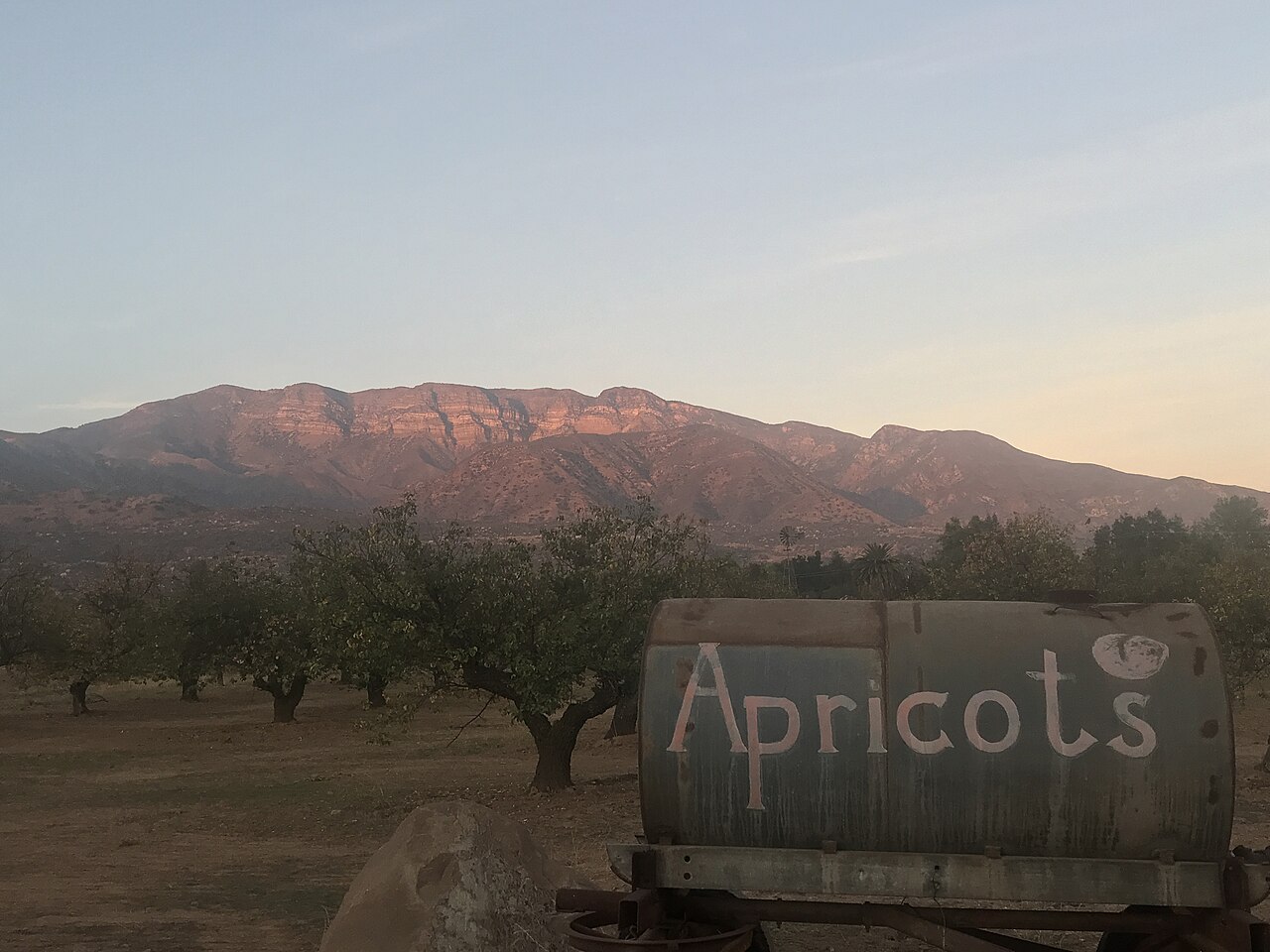
Ojai's honest product is citrus valley, arts-colony downtown, the arcade, wellness pace, and quiet. That is enough. You do not need to steal beach copy or invent a wine loop. Guests who already know the town come for light on the ridge, a walkable downtown thread, galleries and performance energy, and a house that feels like a house rather than a party shell. Average guests on the extract land near 4.4. One- and two-bedroom stock is 60.0 percent of the cell. Much of your volume is couple and small-household language, not a twelve-person beach blend.
Keep sensory and specific without faking amenities you do not have. Orange grove light at the edge of town, morning quiet on a side street, coffee before a downtown loop, a reading chair that faces the ridge, a kitchen that supports a month of real cooking. Those lines sell a thirty-night stay better than a list of borrowed resort adjectives. Superhost share is 60.0 percent and Guest Favorite share is 53.1 percent, so the competitive set already looks cared for. Soft generic copy loses to specific valley copy every week of the year.
Keep mini-Sedona to one sentence of shape if you use it at all. Some guests recognize the ridge light that way. It is atmosphere, not a desert underwrite and not permission to import Sedona rate logic. Ojai is not desert, not beach, and not wine country. When the copy stays inside citrus, arcade, arts, wellness, and quiet, the right guest self-selects and the wrong guest scrolls on. That filter is a feature of honest marketing, not a conversion bug you need to paper over.
Thirty-night copy is the legal first screen
For a City of Ojai residential or village mixed-use house, thirty-night copy is not a secondary FAQ. It is the first screen. Title, subtitle, and the opening paragraph should make the minimum stay obvious. Guests who need a two-night spa hop should bounce before they message you. Guests who need a month of quiet valley time should feel invited. Fifty-five point two percent of the extract already shows a thirty-plus minimum. You are not inventing a weird product. You are matching the legal majority path that already dominates the cell.
Explain what a month in the house includes without overpromising. Reliable workspace language only if the desk and upload are real. Kitchen depth, laundry, storage for a longer bag, parking that works for a full stay, and neighbor-aware quiet hours. Average stay across the mixed extract is 7.8 nights and lead time averages fifty-six days, which still supports planned travel. Monthly guests plan even more carefully. Give them the facts early so the message thread is about fit, not about whether you will secretly accept a weekend.
Rate language should defend value across a month rather than fake a discounted weekend. ADR on the extract is $440 and RevPAR is $176. Peak months are June, August, and March, and lows are January, February, and December. A thirty-night price that ignores seasonality will either leave money on the table in June or scare off January demand you still need. The year at $48,651 clears forty-five thousand. The median month at $3,739 is a watch line. Keep rates that can live with both facts without pretending every month is peak.
Photos that prove valley and house
Photos have to prove two things at once: that the guest is in Ojai's valley setting, and that the house will hold a real stay. Exterior context, tree light, ridge if you have it, and downtown-adjacent cues matter because exact map pins are rare on the extract. Interior photos should show the bed, the bath, the kitchen, the desk if you sell remote work, and storage that implies more than a toothbrush visit. Hotel or boutique product is 13.8 percent of the extract, and Ojai Valley Inn sets a high visual bar in the same destination.
Private houses will not match Inn finish dollar for dollar. They still cannot look careless. Shoot daylight that matches the citrus and ridge story. Avoid heavy filters that turn the valley into a fake desert. Avoid stock-looking composite skies. Avoid party-house wide angles that promise a guest count the floor plan cannot hold. Homes that sleep two are 22.8 percent of stock and homes that sleep six or more are 33.2 percent. Photograph the true capacity. Cleaning median is $265, so the set should look like a house that can actually be reset to that professional standard between stays.
Sequence the gallery like a guest arrival. Context, entry, primary living, kitchen, primary bed, bath, workspace, outdoor quiet, then practical shots of parking and laundry. Rating across the cell averages 4.91. Guests who book into that average arrive with high expectations for cleanliness and accuracy. Photos are where you either justify ADR of $440 or train the guest to doubt you before they read a word of house rules or minimum-stay policy.
How to name the Inn without competing on spa rates
Ojai Valley Inn is the named resort in this cluster. Guests know it. You may name it as destination context. You may say the house sits in the same valley as a well-known resort and spa town atmosphere. You may not invent the Inn's ADR, spa menu prices, or package rates. You may not claim your house is the Inn. You may not fight a resort marketing budget by discounting into a banned weekend product that the city will not support on ordinary residential stock.
The useful comparison is guest expectation, not rate war. The Inn trains visitors to expect polished service, quiet grounds energy, and a wellness-forward town. Your house can promise clean execution, honest photos, and a calm base for the same town without claiming resort staffing. Professional management share on the extract is only 2.1 percent. Most private listings are not full-service agencies. That means review quality and host responsiveness carry more of the brand than a logo does in search results.
If your guest is choosing between a resort night and a thirty-night house, lean into kitchen, laundry, workspace, and neighborhood quiet. If your guest is choosing among private homes, lean into specific citrus and arcade access you can prove on foot or by a short local drive. Either way, keep the Inn as geography and standard, not as a fake competitor rate card. Crest & Cove markets craft. We do not manage Ojai, and we do not need you to out-advertise a resort on spa dollars that were never locked here.
Calendar language that matches June, August, and March
Calendar copy should follow the extract, not a desert myth. Peak month is June, and peak three are June, August, and March. Soft three are January, February, and December. Peak-season averages land near $7,531 revenue, 50.8 percent occupancy, and ADR near $424. Low-season averages sit near $5,317, 44.1 percent occupancy, and ADR near $382. Summer is not the hole on this market sample. January is the month that should show up in every soft-season plan you Keep for guests.
In peak months, defend rate and be clear about thirty-night minimums if that is your legal product. Do not open a two-night gap in June because a message sounds urgent or flattering. In soft months, sell the quiet intentionally. A January month of soft light, fewer downtown crowds, and deep work or recovery is a real product for the right Los Angeles or New York guest. Discounting into a banned short stay is not the fix for a soft month. Better monthly positioning and honest rate discipline are the fix.
State lead-time expectations in the listing so guests know how you work. Fifty-six days average lead time means many strong bookings are not same-week impulse buys. Instant Book at 7.6 percent means most hosts still review the guest before the stay locks. Say how far ahead you prefer inquiries for peak months. Say whether January can be more flexible on rate while staying firm on legal minimums. Seasonal honesty builds trust. Fake always-booked language in a 41.0 percent occupancy market does not.
Homeshare language if that is the overlay product
If the parcel is unincorporated overlay stock and the legal path is homeshare, the listing must say so without euphemism. Owner present in the same dwelling. Rooms, not a secret empty house. Two bedrooms and five guests as the locked limit on this cluster's overlay facts. No cottage product dressed up as a private home. No ADU workaround dressed up as a guest suite for strangers. Guests should understand they are sharing a home with a host, not renting a vacant shell for a private month of total privacy.
Homeshare photos should show the hosted reality so there is no surprise at check-in. Common spaces look shared because they are shared. House rules should cover quiet hours, kitchen norms, and how the host uses the dwelling during the stay. Marketing that promises total privacy while the paper requires owner presence is a complaint machine and a compliance risk. The fee and insurance stack on the overlay is real. The listing should feel as serious as the paper that allows the stay.
City thirty-night whole-home copy and overlay homeshare copy are different products and should never be mixed in one listing. If you hold landmark whole-home status as of June 19, 2018, that is a narrow special case and should be documented, not implied with soft language. When in doubt, send the guest-facing language back through therules guidebefore you publish anything that could be read as advertising a banned use.
What not to advertise
Do not advertise stays under thirty days for a City of Ojai residential or village mixed-use house. Do not advertise whole-home short-term stays on overlay land without the landmark exception. Do not advertise ADU vacation use the overlay makes ineligible. Do not advertise a cottage homeshare the rules do not allow. Do not advertise beach access, wine-country loops, or desert solitude the property does not provide. Do not advertise invented Inn spa rates or invented Friday drive times that collapse the moment a guest opens a map.
Do not treat 15.2 percent one-night minimums on the extract as a playbook. That share is an illegal-product signal for city houses, not a conversion tip. Do not promise seventy percent occupancy in a 41.0 percent market. Do not promise twelve peak months when January, February, and December are the hole. Do not promise portfolio revenue like Lisa's $527,176 single-listing extract line as if it were median math for your door. Do not promise that AirROI Low means enforcement is optional or that neighbors will not care.
Advertise the house you have, the paper you hold, and the valley that is actually outside the door. Citrus, arcade, quiet, wellness pace, arts-colony downtown, legal thirty-night depth in the city, or honest homeshare on the overlay. That is enough to stand in an one-hundred-forty-five-listing set with a 4.91 rating bar. For what to keep in-house versus hire, continue with DIY versus hire. For who the copy should speak to, continue with who books an Ojai stay.
Related Reading
More Ojai, Ojai Valley, and Ventura County, California reading already live on Crest & Cove.
Ojai STR Rules: The City Ban, the Overlay, and the 30-Night Path
DIY vs Hire in Ojai: Craft Against the Inn, Not Against a Franchise
2.1% PM and a Destination Spa: Is an Agency Worth It in Ojai?
Is Ojai a Good Short-Term Rental Investment in 2026? The Ban Is the Thesis
Who Books an Ojai Stay: Wellness Weekend and the 30-Night Guest
Ventura County Tourism Spending and Ojai Hosts: What the Visitor Dollar Measures
Financing an Ojai House: DSCR on $3,739 and a 30-Night Product
Frequently Asked Questions
How should I title a legal Ojai city listing?
Name Ojai and the valley in the first screen, and make a thirty-plus-night minimum obvious if that is the legal product for the parcel. Do not lead with two-night getaways or weekend spa language on a city residential house. Exact location shows on only 15.2 percent of extract listings, so the title and photos carry more of the place-proof burden. Sell citrus, quiet, arts-colony downtown, and the arcade rather than beach or desert adjectives.
What amenities and story should Ojai copy emphasize?
Emphasize the citrus valley setting, quiet, wellness pace, arts-colony downtown, and the arcade. One- and two-bedroom stock is 60.0 percent of the market and average guest counts run near 4.4, so couple and small-household language often fits. Prove kitchen depth, laundry, and workspace only if they're genuinely usable for a longer stay. Keep any "mini-Sedona" ridge-light comparison to one sentence, and leave out beach or wine-country claims the property can't back up.
How do I mention Ojai Valley Inn without starting a rate war?
Name the Inn as destination context — guests already know it as a polish bar for the town. Don't invent the Inn's ADR, spa menu prices, or package rates, and don't claim your house is the resort. Compete on honest house product for a thirty-night stay instead: kitchen, laundry, quiet, and accurate photos. Professional management share in this market is only 2.1 percent, so review quality and clear copy carry more weight than borrowed resort branding.
What calendar language matches Ojai's actual seasonality?
Peak three months are June, August, and March; soft three are January, February, and December. Peak-season averages land near $7,531 revenue, 50.8 percent occupancy, and ADR near $424; low-season averages sit near $5,317, 44.1 percent occupancy, and ADR near $382. Sell the quiet of January intentionally rather than opening a banned short stay to fix a soft month — better monthly positioning and honest rate discipline are the actual fix.
How should overlay homeshare listings be written?
Say plainly that the owner is present in the same dwelling — don't market a vacant whole home if the paper on file is homeshare. Stay inside the locked overlay limits of two bedrooms and five guests, and don't sell a cottage or ADU path the rules make ineligible. Photos and house rules should match shared living. City thirty-night whole-home copy is a different product entirely and shouldn't be mixed into homeshare language.
What should Ojai hosts not advertise?
Don't advertise stays under thirty days on a city residential or village mixed-use house, or banned whole-home short-term use on overlay land without landmark status. Don't advertise beach, wine-country, or desert experiences the property doesn't actually offer, or invented Ojai Valley Inn rates and drive times. Don't treat the extract's 15.2 percent one-night minimums as a playbook — for city stock, that's a signal of an illegal product, not a conversion tip.
Does thirty-night copy hurt conversion in Ojai?
It filters out the wrong guest and invites the right one. Fifty-five point two percent of listings in this market already show a thirty-plus-night minimum, so monthly product is the majority path here, not an outlier. Average lead time is 56 days, and guests are 94.8 percent domestic, led by Los Angeles and then New York. A guest who needs a banned weekend should bounce early; a guest who needs a valley month should see the fit immediately.
Why does the listing title matter so much in Ojai?
Because exact location shows on only 15.2 percent of listings in this market, many guests decide from the title, photos, and first-screen copy before they ever see a precise map pin. That makes honest place language more important, not less. If the house is on city stock, the title should say the legal product it can actually sell; if it's on overlay stock, it should say the paper it actually holds, rather than a vague Southern California description.
What should photos prove on an Ojai listing?
Photos need to prove two things: that the guest is genuinely in Ojai's valley setting, and that the house can hold a real stay. Show true capacity — homes sleeping two are 22.8 percent of stock and homes sleeping six or more are 33.2 percent, so the photos shouldn't imply a guest count the floor plan can't support. Avoid heavy filters that turn the valley into a fake desert, and avoid composite skies or party-house wide angles; the market's average rating is 4.91, so guests arrive expecting accuracy.
Work with Crest & Cove Creative
Ojai listings that promise a spa weekend on a legal 30-night-minimum house break the ordinance before a guest ever books; the fix is citrus light and arts-colony specifics, not a banned pitch.
We rewrite Ojai copy around the legal 30-night product and the 94.8 percent domestic, LA-led guest base, so the listing sells what it can actually deliver.
Reach out at crestcove.co or (256) 998-7502.


Comments