
A 30-Night Ojai House for LA and New York Remote Workers

Updated: Aug 27
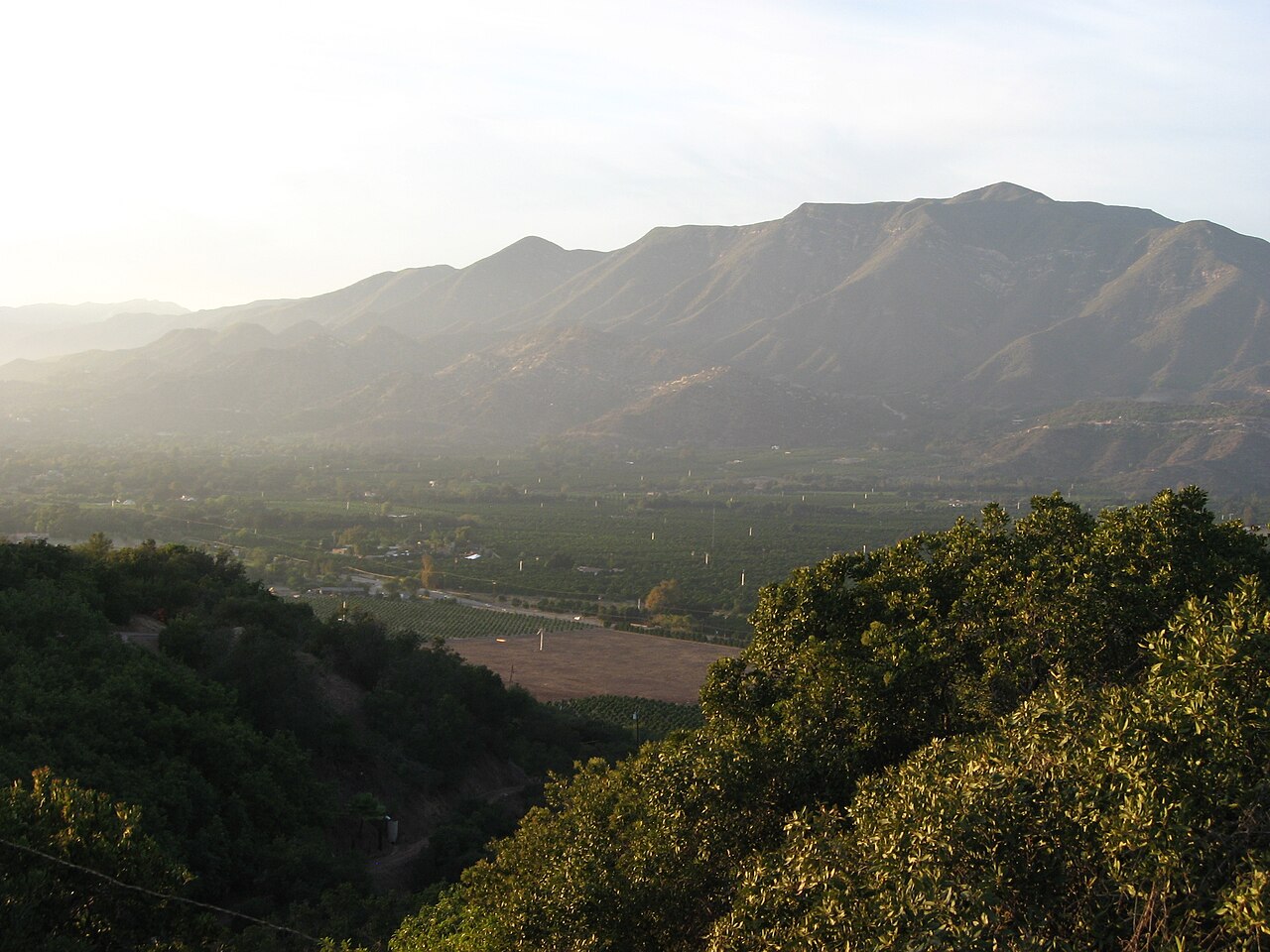
Ojai already sells months, not only weekends. AirROI’s Ojai extract updated 2026-08-08 shows 55.2 percent of listings running a 30-plus-night minimum. That is not a blog experiment. It is the volume product in a 145-listing cell where average stay is 7.8 nights, lead time averages 56 days, and guests are 94.8 percent domestic, Los Angeles then New York. For a City of Ojai residential or village mixed-use house, 30-plus nights is also the legal path: under-30 stays are banned, and advertising an under-30 rental is a violation.
This page is the desk-and-upload companion to theshoulder-season calendar, not a workaround for a banned Friday ad. January is the lowest month on the extract; June, August, and March are the peak three. Remote and midterm guests are how the hole becomes inventory instead of a shrug. Read this besidewho books an Ojai rentaland thecomplete visitor’s guide to Ojai Valleyso the first screen, the house rules, and the guest map all tell one story.
We do not manage Ojai. We Leave out unverified drive minutes from Los Angeles, Inn spa rates, or a Friday traffic number you cannot screenshot. We do not coach a city house into a weekend product the ordinance forbids. The job here is simpler: prove the desk, prove the quiet, price a month against the low-season averages, and keep the listing honest when leisure weekenders stay home.
55.2 percent already run 30-plus
More than half the cell already thinks in month-shaped stays. Thirty-plus-night minimums sit at 55.2 percent, and one-night floors sit at 15.2 percent. Two-night floors sit at 14.5 percent, and seven-to-twenty-nine-night floors sit at 11.0 percent. Entire-home share is 92.4 percent and houses are 62.8 percent of the mix, so the inventory shape already looks like a house you can live in for a month, not a hotel room you flip every Saturday.
That structure matters when you underwrite, and annual revenue on the extract is $48,651. The median month is $3,739, and occupancy is 41.0 percent. ADR is $440 and RevPAR is $176. Those locks describe a market where empty nights are common and long stays already carry volume. You are not inventing a midterm niche when more than half the listings publish a 30-plus floor. You are joining the product the cell already runs.
Professional management is only 2.1 percent here, so most of this long-stay inventory is owner-operated or cohosted. Cohost share sits at 36.6 percent. Superhost is 60.0 percent, Guest Favorite is 53.1 percent, and rating averages 4.91. Quality is table stakes. Instant Book is rare at 7.6 percent, which fits a month product where screening matters more than speed. Exact location shows on only 15.2 percent of listings, so arrival instructions and honest photos matter more than a map published market year.
The guest is Los Angeles and New York
Domestic guests are 94.8 percent of the extract, and los Angeles leads. New York is next. That origin pair is the remote and midterm story in plain language: people who can leave a dense coastal or coastal-adjacent office for a citrus valley under Topa Topa, keep a laptop open, and still reach home when the month ends. They are not a beach blend. They are not a wine-country tasting weekend imported from another corridor.
Los Angeles origin guests already know the corridor shape: US-101 and Highway 33 into the valley. Leave out unverified Friday minutes. Do not promise a commute you cannot prove. Sell quiet, citrus light, a real kitchen, and a desk that holds a full workday. New York origin guests are flying farther; they need the same honesty plus packing clarity and a house that works as a month base, not a three-night gallery with a futon.
Average guests across the cell sit near 4.4. Two-guest capacity appears on 22.8 percent of listings; six-plus appears on 33.2 percent. One-bed units are 37.9 percent; one- and two-bed together are 60.0 percent; three-plus are 32.4 percent. Remote product often lives in the one- and two-bed volume where a couple or a solo worker can own the house without renting a party shell. Match capacity to the month guest, not to a peak-weekend fantasy.
Prove the desk and the upload
A remote guest books the work surface before they book the view. Photograph a real desk or table with a chair that can hold eight hours, not a laptop balanced on a bed edge. Show outlet access, lamp light for evening work, and a closed door if the house has one. If upload and download are reliable, say so without inventing a megabit number you have not tested on a weekday afternoon. If the signal is soft in one room, say that too.
Kitchen proof matters as much as desk proof on a 30-night stay. A full month needs cookware, storage, and a grocery plan that does not require a restaurant every night. Cleaning median is $265; for a long stay you still need turnover discipline at the edges of the month, not daily hotel service. Stock basics that survive a screenshot: coffee tools, trash capacity, laundry access if the house has it, and climate control that works when January is the floor.
Do not lead the gallery with a spa-resort fantasy the house cannot deliver. Ojai Valley Inn trained guests to expect a polished valley aesthetic; your job is a residential house that still looks intentional. Keep citrus and Topa Topa views if you have them. Add the desk frame early in the set for winter searches. Rotate the first screen when the shoulder calendar says the hole is open.
30 nights is the city-legal product
City of Ojai Resolution 16-07 bans under-30 stays in residential and village mixed-use. Advertising a under-30 rental is a violation, and hotels, motels, and B&Bs are exempt. Thirty-plus nights are allowed, and that is not optional branding. It is the product boundary for a city house. Community Development is the desk on the city side; this page will not print a phone number that belongs to another post’s CTA.
The unincorporated Ojai Valley overlay is a different map. Whole-home short-term rentals are banned except historic landmarks as of June 19, 2018. Homeshare is allowed with the owner present in the same dwelling, no cottage product, one TRU per owner, and rules that expire on sale. ADUs are ineligible. Homeshare caps at two bedrooms and five guests. Fees, deposits, insurance, and a business tax certificate are real paper. Do not blend overlay homeshare into a city 30-night ad as if they were the same product.
AirROI’s Low / 0 licensed vendor Keep is not the ban. The ban is city code and overlay zoning. A listing can look empty of a license tag in a vendor extract and still sit under a hard under-30 prohibition. Underwrite the parcel first. Then publish a 30-plus floor that matches the paper you actually hold.
Quiet valley in January is the product
January is the lowest month, and february and December complete the hole. Peak-season averages run about $7,531 a month, 50.8 percent occupancy, and ADR near $424. Low-season averages run about $5,317 a month, 44.1 percent occupancy, and ADR near $382. Market ADR remains $440, and the median month remains $3,739. Annual remains $48,651. Winter remote product prices against the low band and the occupancy reality, not against a June Saturday.
Quiet is the offer. Citrus valley under Topa Topa, downtown arcade and arts energy without a beach roar, and a house that holds focus. Guests who book a month in the hole are buying fewer interruptions, not a festival calendar. Your copy should say valley quiet, work-ready house, and honest weather or light language, not a banned weekend party and not a desert heat story this cell does not run.
Supply is flat and revenue is up 1.3 percent on the extract. That is not a gold rush. It is a stable, constrained cell where the ban already gates volume. A January remote booking that covers the watch-line month is better math than three soft short stays that never legally fit a city house and still cost $265 to clean each time.
Peak months still matter for the remote host. June, August, and March can host long stays too when a guest wants valley light and a full month of outdoor evenings. Do not close the peak three to remote product just because leisure demand is stronger. Do price peak long stays with more confidence than January, and keep the same desk proof year-round so the listing does not look like two different houses.
House rules that survive a month
Month guests need rules that still make sense on day twenty. Quiet hours should protect neighbors for the whole stay, not only a Saturday night. Parking instructions should survive a guest who learns the block slowly. Trash and recycling schedules matter when someone is living there, not just visiting. Pet policy, visitor policy, and smoking rules should be explicit so a 30-night stay does not become a soft hotel for the guest’s entire social circle.
Screen for fit. Instant Book at 7.6 percent already hints that this cell prefers requests. Ask what the work pattern is, how many people will actually live in the house, and whether the guest understands a residential quiet standard. Average stay market-wide is 7.8 nights; your month product is longer than the average, so the review risk of one bad stay is higher. Superhost and Guest Favorite rates in the cell show that quality and consistency already win.
Maintenance access is part of the rule set. A 30-night guest still needs a way to report a broken heater in January. You still need a way to enter for emergencies with notice. Keep that into the guide before the booking, not after a midnight message. Cleaning at the end of the month should be scheduled with the same seriousness as a weekend turnover, even if the middle of the month is quiet.
Utilities and fair-use language belong here too. A month of air conditioning, heaters, or an extra freezer in a citrus-valley summer or winter can surprise an owner who only modeled weekend loads. State what is included, what is excessive, and how you will communicate if something looks wrong. Guests from Los Angeles and New York will accept clear utility expectations more readily than a vague surprise bill on day twenty-eight. Keep the tone residential, not punitive, and put the same standards in the listing so screening happens before arrival.
How this sits next to any remaining weekend listing
Some inventory in the cell still shows short floors: 15.2 percent one-night, 14.5 percent two-night, 11.0 percent seven-to-twenty-nine. Hotels, motels, B&Bs, and exempt or differently zoned products can exist without making a residential city house legal under 30 nights. Do not read a short-floor neighbor as permission. Read it as a different paper, a different use, or a listing you should not copy.
If your parcel is a legal city 30-plus house, keep the calendar clean. Do not publish a weekend product “just for research.” Do not soft-advertise two-night gaps in the description while the minimum says thirty. Community enforcement can start at the ad, not only at the lockbox. Overlay hosts on a true homeshare paper should keep owner-present language honest and stay inside the two-bed, five-guest cap.
Persona work still matters. The wellness overnight guest exists in demand stories and at the Inn; the legal city house sells the longer product. Keep those people clean on thepersonas page, and peak months still deserve rate defense. Low months deserve the remote tier. One house, two seasons of copy, one legal floor.
What not to promise
Do not promise under-30 availability on a city residential or village mixed-use house. Do not promise Inn-level spa service, invented restaurant prices, or trail fees this guide cannot lock. Do not promise a beach, a wine trail, or a desert sunrise. Ojai is a citrus valley under Topa Topa with wellness and arts energy. Shape comparisons stop at one sentence of form, not a borrowed itinerary.
Do not promise Lisa’s $527,176 year, Xclusive Management’s $412,984, or Therese’s $222,668 across three listings as your remote-worker math. Named operator revenue is concentration, not your DSCR and not your January. Your files are $48,651 annual, $3,739 median watch, 41.0 percent occupancy, and $440 ADR. Do not promise 70 percent occupancy in a cell that posts 41.0 percent.
Do not promise a property manager will solve a banned product. PM share is 2.1 percent. We do not manage Ojai. A legal 30-night listing still needs desk photos, house rules, tax registration, and a calendar that matches the ban. Promise quiet, a real house, a workable desk, and a month that can clear a watch-line when January is the floor. That is enough product when you stop trying to sell a weekend the city already closed.
If you need a single operating rule for this page, use this: the calendar floor matches the ordinance, the first five photos prove work and kitchen, and the rate card has a winter tier that does not apologize for 41.0 percent market occupancy. Everything else, arcade tips, citrus language, Topa Topa views, is merchandising on top of a legal month product. That is how a 30-night Ojai house serves Los Angeles and New York without becoming a banned Saturday ad.
Related Reading
More Ojai, Ojai Valley, and Ventura County, California reading already live on Crest & Cove.
Ojai STR Rules: The City Ban, the Overlay, and the 30-Night Path
How to Market an Ojai Stay: Wellness Copy on a Legal 30-Night Listing
DIY vs Hire in Ojai: Craft Against the Inn, Not Against a Franchise
2.1% PM and a Destination Spa: Is an Agency Worth It in Ojai?
Is Ojai a Good Short-Term Rental Investment in 2026? The Ban Is the Thesis
Who Books an Ojai Stay: Wellness Weekend and the 30-Night Guest
Ventura County Tourism Spending and Ojai Hosts: What the Visitor Dollar Measures
Financing an Ojai House: DSCR on $3,739 and a 30-Night Product
Frequently Asked Questions
What share of Ojai listings already run 30-plus nights?
AirROI's Ojai extract, updated 2026-08-08, shows 55.2% of listings with a 30-plus-night minimum. One-night floors are 15.2%, two-night 14.5%, and seven-to-twenty-nine 11.0%. Month-shaped stays are the volume product in this cell, not a novelty, and for a City of Ojai residential or village mixed-use house, 30-plus nights is also the legal path under Resolution 16-07.
Who books long stays in Ojai?
Guests are 94.8% domestic, with Los Angeles first and New York next. That origin pair fits remote and midterm guests who want a citrus-valley base under Topa Topa with a real desk and kitchen. They are not a beach blend and not a wine-weekend import, so match capacity and photos to a month of living, not a three-night party.
Is a 30-night stay legal in the City of Ojai?
Yes, for residential and village mixed-use when the stay is 30-plus nights. Under-30 stays are banned in those zones, and advertising an under-30 rental is a violation. Hotels, motels, and B&Bs are exempt. The unincorporated overlay bans whole-home short-term rentals except 2018 landmarks and treats homeshare as separate paper, so confirm the parcel before you publish.
Why market remote stays in January?
January is the lowest month on the extract, with February and December completing the hole; peak months are June, August, and March. Low-season averages run about $5,317 a month, 44.1% occupancy, and ADR near $382, versus peak-season averages of about $7,531 a month, 50.8% occupancy, and ADR near $424. Quiet valley nights and a work-ready house are how soft months become inventory without inventing a banned weekend product.
What should a remote listing prove in photos?
Prove a real desk or work table, chair, light, and outlets. Prove a kitchen that can cover a full month, and climate control and laundry if the house has them. Leave out unverified megabit speeds you haven't tested, and rotate winter first screens toward quiet and work rather than peak-weekend energy.
How do house rules change for a 30-night guest?
Keep rules that still work on day twenty: quiet hours, parking, trash, visitors, pets, and emergency access. Screen for actual headcount and work patterns. Instant Book is only 7.6% in this cell, so request-based booking fits, and end-of-stay cleaning deserves the same seriousness as a short turnover even when the middle of the month is calm.
What should hosts not promise on a remote listing?
Don't promise under-30 city availability, resort spa rates, beach access, wine trails, or desert scenery, and don't promise a named top operator's revenue as your own. Use the market's own locks instead: $48,651 annual, $3,739 median month, 41.0% occupancy, $440 ADR, and don't promise a manager can legalize a banned weekend product.
How does the month-long product compare to a remaining weekend listing?
It's the volume product in a 145-listing cell where average stay is 7.8 nights and lead time averages 56 days, with guests 94.8% domestic, led by Los Angeles then New York. A month product runs longer than the market average stay, which raises the review risk of one bad stay, and Instant Book stays rare at 7.6%, which fits a product where screening matters more than speed.
Does a 30-night minimum setting fill the slow month by itself?
No. A 30-night minimum is a platform filter, and typical stay on these extracts is still a short trip market-wide. The filter doesn't fill a slow month on its own and isn't a substitute for an actual remote-work product you've photographed and priced. A January remote booking that covers the watch-line month is better math than several soft short stays that don't legally fit a city house and still cost $265 to clean each time.
Work with Crest & Cove Creative
Ojai's remote-worker market runs on 30-plus-night stays, yet listings still lead with weekend photography that promises a product the city ordinance will not allow.
We help Ojai hosts rebuild listing copy around the month-shaped stay their permit actually supports. Weekend photography aimed at LA and New York remote workers stays out when the ordinance requires 30-plus nights.
Reach out at crestcove.co or (256) 998-7502.


Comments