
Who Books an Ojai Stay: Wellness Weekend and the 30-Night Guest

Updated: Aug 27
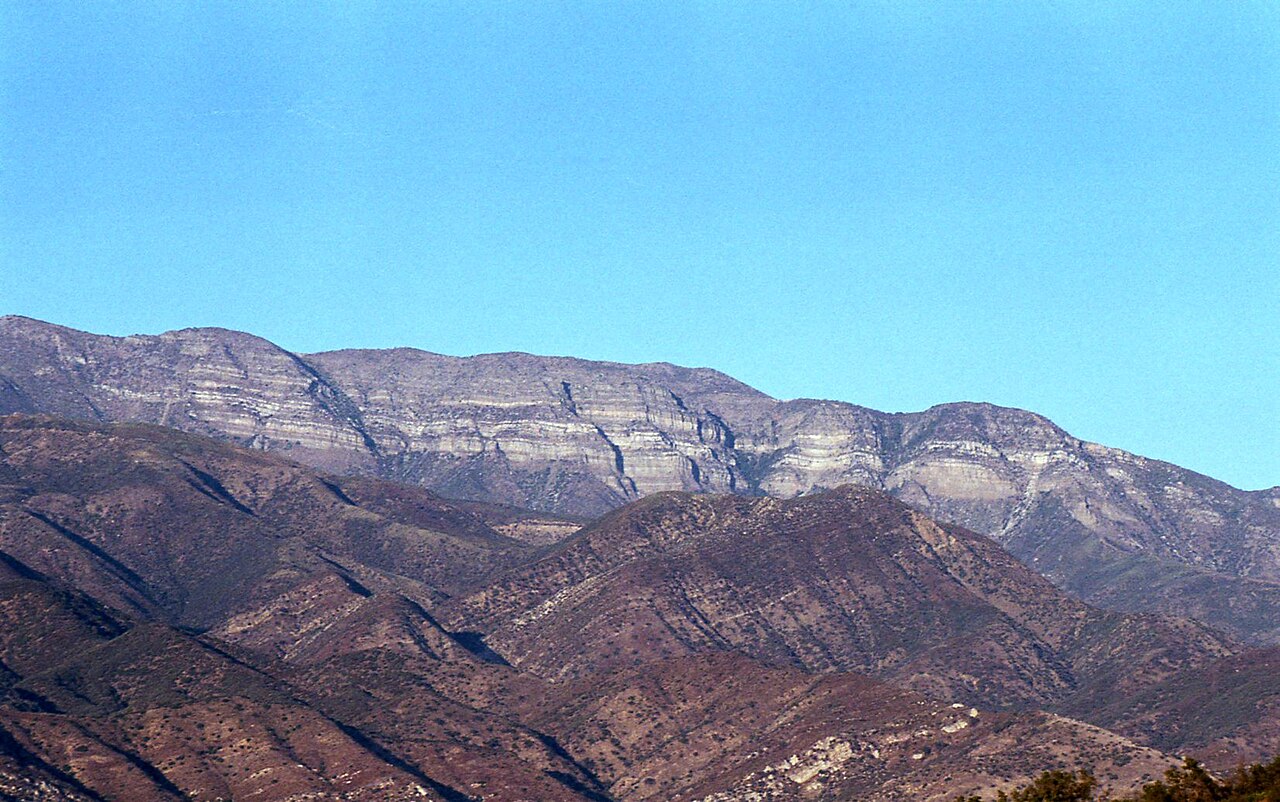
Two guests show up in Ojai demand language. One wants a wellness-and-arts overnight in a citrus valley under Topa Topa, the arcade, quiet, and the polish Ojai Valley Inn already trained people to expect from the place. The other wants a 30-night remote or midterm base with a desk, a kitchen, and a closed door. AirROI’s Ojai extract updated 2026-08-08 gives both stories a market frame: 145 listings, ADR $440, occupancy 41.0 percent, RevPAR $176, annual $48,651, median month $3,739, and 55.2 percent of listings already on a 30-plus-night floor.
Mixing those guests into one banned Friday ad produces a citation, not a strategy. In the City of Ojai, under-30 stays are illegal in residential and village mixed-use, and advertising an under-30 rental is a violation. Hotels, motels, and B&Bs are exempt. A city house sells 30-plus nights. The unincorporated overlay bans whole-home short-term rentals except historic landmarks as of June 19, 2018, and treats homeshare as different paper. This page names the two people cleanly, then maps copy and photos to the legal product you actually hold.
Read this beside theshoulder-season calendar, the30-night remote-worker stay, and themarket report, and peak months are June, August, and March. The hole is January, February, and December. Guests are 94.8 percent domestic, Los Angeles then New York. We do not manage Ojai. We Leave out unverified a third extract guest who needs a beach, a wine trail, or a desert sunrise.
Two guests, not a beach blend
The first guest is leisure-and-wellness oriented: short intent, valley quiet, downtown walks, citrus light, arts energy. The second guest is time-oriented: a month or more, workdays inside the house, fewer restaurant nights, more grocery runs. Both can love the same arcade and the same Topa Topa view. They do not buy the same calendar product, and on a city residential parcel they do not buy the same legal length.
Beach blend is the common failure mode. Ojai is inland Ventura County citrus valley, reached via US-101 and Highway 33. It is not a surf town. Copy that promises sand, ocean views, or coastal party energy bounces the right guest and attracts the wrong one. Wine blend is the other failure mode, and this cell is not a tasting-room corridor. Keep the published market year on Ojai. Keep the product map on wellness, arts, citrus, and quiet.
Average guests in the extract sit near 4.4. Two-guest listings are 22.8 percent of the cell; six-plus are 33.2 percent. One-bed units are 37.9 percent; one- and two-bed together reach 60.0 percent; three-plus are 32.4 percent. Entire homes are 92.4 percent of supply and houses are 62.8 percent. Hotel and boutique inventory is 13.8 percent, useful context for the Inn’s training effect, not a free pass for a residential host to sell hotel-length nights illegally.
The wellness-and-arts overnight guest
This guest wants the overnight Ojai story: slow mornings, a walk to the arcade, Libbey energy, citrus air, and a house that feels restorative. They may have stayed at or priced against Ojai Valley Inn and now want a residential alternative with more kitchen and less resort program. They care about photos that look polished, a clean recovery space after a full outdoor day, and house rules that protect quiet so the wellness promise survives a Saturday.
They are real demand. They are not automatically a legal product for every parcel. In the City of Ojai, a residential or village mixed-use house cannot sell under-30 stays. If you describe this guest, finish the sentence: the legal city product for a house is 30-plus nights. Hotels, motels, and B&Bs remain the under-30 path where they are allowed. Overlay homeshare, if that is your paper, is owner-present and capped, not a whole-home weekend ad.
Peak months for the broader cell are June, August, and March. That is when leisure energy is strongest on the extract’s calendar. Lead time averages 56 days, so peak merchandising is not a last-minute scramble. Average stay market-wide is 7.8 nights, which already stretches past a pure Friday-to-Sunday cartoon. Even leisure intent in this cell often wants more than a single party night, which is another reason banned one-night ads are both illegal and a poor fit for the quality bar.
The 30-night remote or midterm guest
This guest wants a month that works. Desk, upload honesty, kitchen, laundry if available, climate control, parking, and neighbors who will not treat a residential street like a hotel corridor. Origin markets still lead with Los Angeles then New York. They are 94.8 percent domestic overall. They book against January’s hole as often as against June’s showcase, because quiet is the product when leisure density thins.
The extract already supports this lane: 55.2 percent of listings run 30-plus. Occupancy at 41.0 percent and a $3,739 median watch month mean empty nights are normal. A single 30-night booking that covers a soft month is cleaner math than a stack of short stays a city house cannot sell. Cleaning median is $265; long stays reduce mid-month turnovers even if end-of-stay cleaning still matters.
Instant Book is only 7.6 percent. Screening fits the remote guest. Superhost share is 60.0 percent and Guest Favorite is 53.1 percent with a 4.91 average rating, so the cell already rewards consistency. Professional management is only 2.1 percent; cohost appears on 36.6 percent of listings. Most month product is still owner voice and owner standards, not a franchise script.
Where the two overlap
Both guests want quiet. Both want a real house, not a novelty shell. Both respond to citrus valley identity under Topa Topa and to downtown texture without beach noise. Both punish dishonest photos: exact location shows on only 15.2 percent of listings, so arrival surprise is already a risk. Both care about cleanliness at a $265 median fee and about reviews in a high-rating cell.
Where they diverge is length, pace, and legal fit. Overnight wellness intent wants a short restorative hit; month intent wants living systems. Peak-season averages near $7,531 a month, 50.8 percent occupancy, and ADR near $424 favor stronger leisure windows. Low-season averages near $5,317, 44.1 percent occupancy, and ADR near $382 favor the long-stay story. Market ADR remains $440 and annual remains $48,651, a year, not twelve identical guest types.
Overlap is useful for amenities: good beds, blackout options, a kitchen that works, outdoor sitting if the parcel has it, and house rules that protect sleep. Overlap is dangerous for calendar copy. Do not advertise a two-night wellness weekend on a city house that must stay at 30-plus. Describe the wellness guest as demand context, then sell the legal length you can actually host.
The practical listing test is simple. Read your first screen as if you were a compliance officer and as if you were a tired remote worker. If the compliance officer sees an under-30 pitch on a city house, rewrite. If the remote worker cannot find a desk or a month floor, rewrite. If a wellness-minded guest cannot feel quiet and citrus in the first photos, rewrite. Three reads, one house, no third invented beach persona.
What the Inn already trained guests to expect
Ojai Valley Inn is the named resort in this cluster for a reason. It taught visitors that Ojai can mean polished wellness, valley views, and a high aesthetic floor. Residential hosts inherit that expectation even when they cannot inherit the spa program. Your photos, linens, and first-screen language are judged against a destination spa town, not against a random inland motel.
That training effect does not authorize fake amenities. Leave out unverified Inn room rates, spa package prices, or a promise that your house is “just like the Inn.” Sell adjacency and alternative: residential quiet, more kitchen autonomy, a month option where legal, and honest distance from resort programming. Hotel and boutique inventory already occupies 13.8 percent of the extract; you are not competing by pretending to be them.
Quality signals in the short-term cell already sit high: 4.91 average rating, 60.0 percent Superhost, 53.1 percent Guest Favorite. Guests trained by the Inn will not forgive dirty bathrooms because the rent was lower. Cleaning at a $265 median is part of meeting that bar. So is response quality when Instant Book is rare and requests dominate.
Photos and amenities that match the guest
For wellness-leaning demand, lead with light, citrus, outdoor quiet, and a living room that looks restorative. Show the walkable downtown story only if it is true for your parcel; Leave out unverified a two-minute arcade claim. For remote demand, place the desk early in the gallery, show the work chair, and prove kitchen depth. Rotate first screens by season using the shoulder calendar: peak months can lead valley lifestyle; the hole should lead quiet and work-ready rooms.
Amenity lists should match capacity, and a two-guest house should not market six. A one-bed unit should not imply three suites. Six-plus capacity exists on 33.2 percent of listings; if that is not you, do not borrow party language. Stock coffee tools, reliable climate control, and clear parking. If you sell 30-plus, add living details: storage, laundry access, trash schedule, and grocery orientation via the visitor guide.
Avoid photo lies that pull the wrong persona. Beach stock, wine-country stock, and desert stock all fail here. Keep Ojai: arcade texture, Libbey as a civic place when relevant, citrus, Topa Topa views, and house interiors that match arrival. Named operator concentration, Lisa, Xclusive Management, Adam, Kam, Therese, proves some hosts win big books; it does not tell you which persona photo set to steal.
Capacity honesty is persona honesty, and if you sleep two, say two. If you sleep six, Keep rules that keep six from becoming twelve on a holiday weekend you cannot legally sell short in the city. Average guests near 4.4 is a market average, not a mandate to oversell mattresses. Remote guests often want fewer people and more silence. Wellness-leaning long stays often want the same. Party density is not a third persona worth courting under a ban.
What not to invent as a third extract
Leave out unverified a beach weekender as a third primary guest. Leave out unverified a wine-trail guest. Leave out unverified a desert spiritual tourist as if this were another state’s red-rock town. One sentence of shape comparison is enough if you ever need form; the product map stays citrus valley wellness and quiet. Leave out unverified a corporate housing lane with contract rates this extract does not print.
Leave out unverified under-30 legality for a city house because the overnight guest is culturally real. Demand existence is not ordinance permission. Leave out unverified that AirROI’s Low / 0 licensed Keep means the ban is soft. Vendor labels are not city code. Leave out unverified visitor-spend dollars as proof a third guest will fill your calendar; no Ojai city visitor-spend figure is locked this week, and tourism totals are not host revenue.
Leave out unverified that $527,176 or $412,984 is the persona target. Those are named-operator years. Your underwriting people still live next to $48,651, $3,739, 41.0 percent occupancy, and $440 ADR. Persona work is who to Keep for. It is not a promise that your house prints the top book.
How this changes the listing in one pass
One pass can fix most persona errors. Rewrite the title and first three lines for Ojai, citrus, quiet, and the legal length. Remove beach, wine, and desert keywords. If the parcel is a city house, publish a 30-plus minimum and delete under-30 advertising language. If the parcel is overlay homeshare, say owner-present and stay inside the two-bed, five-guest rules. If the parcel is a 2018 landmark exception, keep the paper file next to the listing draft.
Second, rebuild the gallery for the guest you can legally host. Remote-first houses put desk and kitchen early. Peak merchandising still uses June, August, and March energy without promising a banned weekend. Hole merchandising uses January honesty. Third, align house rules and the guidebook with a month of living where required, and point guests to valley days, not Santa Barbara day-one itineraries, in thevisitor guide.
Fourth, price against the extract, not against a persona fantasy. Annual $48,651 and median $3,739 are the files. Peak-season and low-season averages give directional bands. Cleaning $265 is a real cost on every turnover story. PM at 2.1 percent means most hosts still own the voice. We do not manage Ojai. Your one-pass edit is enough if it makes the two guests visible and the illegal third, the banned under-30 city weekend, disappear from the page.
Persona work is finished when a stranger can read the first screen and know the length, the quiet standard, and the valley identity without opening the house rules PDF. If they still think they can book a Friday party in a city residential house, the listing is not done. If they understand a month of citrus-valley living with a desk and a clean kitchen, you have matched the extract’s 55.2 percent long-stay share to the guest who can actually pay you legally. Keep beach blend out. Keep wine blend out. Keep the two real guests, and keep the ban in the product design rather than in a footnote you hope no one reads.
Related Reading
More Ojai, Ojai Valley, and Ventura County, California reading already live on Crest & Cove.
Ojai STR Rules: The City Ban, the Overlay, and the 30-Night Path
How to Market an Ojai Stay: Wellness Copy on a Legal 30-Night Listing
DIY vs Hire in Ojai: Craft Against the Inn, Not Against a Franchise
2.1% PM and a Destination Spa: Is an Agency Worth It in Ojai?
Is Ojai a Good Short-Term Rental Investment in 2026? The Ban Is the Thesis
Ventura County Tourism Spending and Ojai Hosts: What the Visitor Dollar Measures
Financing an Ojai House: DSCR on $3,739 and a 30-Night Product
Frequently Asked Questions
Who are the two primary Ojai rental guests?
One is the wellness-and-arts overnight guest who wants citrus-valley quiet, downtown arcade energy, and a restorative house for a short stay. The other is the 30-night remote or midterm guest who wants a real desk, a working kitchen, and a month-shaped stay. Both guests can love the same town, but they're not buying the same calendar product - and a City of Ojai house can only legally sell the longer stay length as an under-30 product.
Can a city house sell the wellness overnight guest a weekend?
Not as an under-30 stay in residential or village mixed-use zones. City of Ojai Resolution 16-07 bans stays under 30 nights in those zones, and advertising an under-30 rental there is a violation - hotels, motels, and B&Bs are exempt, but a typical residential house is not. Describe the overnight wellness guest as real demand in your marketing, then sell the legal 30-plus-night product as what the house can actually deliver; a separate homeshare overlay with owner-present rules is a different legal path entirely.
Where do the two guest types overlap?
Both want quiet, honest photos, a real house, and cleanliness - this market's listings average a 4.91 rating, and both guest types respond to citrus-valley identity under Topa Topa. They diverge mainly on stay length and daily pace: peak months like June, August, and March favor the shorter-stay leisure guest, while the quieter stretch of January, February, and December favors the long-stay remote worker.
How did Ojai Valley Inn shape guest expectations?
The Inn trained visitors in this valley to expect polished wellness programming and a high aesthetic floor. Residential hosts inherit that expectation without inheriting the spa program, so don't quote Inn rates or claim your house is 'just like the Inn.' Instead, compete on what a residential property genuinely offers: more quiet, more kitchen autonomy, a legal month-long option where the Inn can't provide one, and honest distance from resort-level programming.
What photos match each guest?
Wellness-leaning demand responds to light, citrus, outdoor quiet, and a living room that photographs as restorative. Remote-work demand responds to a real desk shown early in the gallery, genuine work seating, and kitchen depth for longer stays. Rotate which set leads by season, and never open with beach, wine-country, or desert stock that invents a third place this house doesn't actually offer.
What third guest should hosts not invent?
Skip beach weekenders, wine-trail tasters, or desert spiritual-tourism guests as primary personas here - none of that matches what this market's data actually supports. Also keep under-30 legality language out of your demand copy and don't build a persona around a named operator's numbers. Stick to LA and New York domestic origins, valley wellness demand, and the 30-night remote product, which lines up with this market's roughly 55.2 percent long-stay listing share.
How should persona work change a listing in one pass?
Fix the title and opening lines to name Ojai, quiet, and the legal stay length up front, then remove any illegal under-30 ad language if the property sits in a City of Ojai residential or mixed-use zone. Rebuild the photo set for the guest the house can actually host, and align house rules and the guidebook with month-long living where that's the legal product. Price against the market's real $48,651 annual and $3,739 median-watch figures, not against a weekend rate the ordinance already closed off.
Does a 30-night setting fill the slow month?
The 30-night guest wants a remote or midterm base with a real desk, a kitchen, and a closed door - often someone who's stayed at or priced against Ojai Valley Inn and now wants a residential alternative with more kitchen and less resort programming. That's a genuine, sourced guest type in this market, distinct from the shorter wellness-overnight guest described above.
What did Ojai Valley Inn already train guests to expect?
Two real guest types show up in this market's demand data. One wants a wellness-and-arts overnight in the citrus valley under Topa Topa - the arcade, the quiet, and the polish the Inn already trained visitors to expect from an Ojai stay. Keep listing language grounded in what's actually here: arcade texture, Libbey as a civic reference point when relevant, citrus and Topa Topa views, and house interiors that genuinely match what a guest sees on arrival.
What should hosts confirm before advertising a specific stay length?
Confirm your property's zoning and which stay-length rules actually apply before writing ad copy - a residential or village mixed-use address under Resolution 16-07 cannot legally advertise an under-30 stay, while an exempt property type or a separate homeshare permit may allow it. Getting this wrong isn't just a marketing mismatch, it's a compliance risk, so check the city's own current ordinance language for this specific parcel rather than assuming a policy carries over from a different property.
Work with Crest & Cove Creative
Ojai listings that blend a beach-town caption onto this citrus valley, or mix the wellness overnight guest with the 30-night remote guest, sell the wrong stay length on a residential parcel. Under-30 stays are illegal outside the exempt zones.
We help Ojai hosts write listing copy that separates the wellness-and-arts overnight guest from the 30-plus-night remote guest and matches the legal stay length. Send the live listing and we will flag which guest it is currently confusing.
Reach out at crestcove.co or (256) 998-7502.


Comments