
Write a Hook That Holds Without Lying to the Guest Who Books

Updated: Aug 26
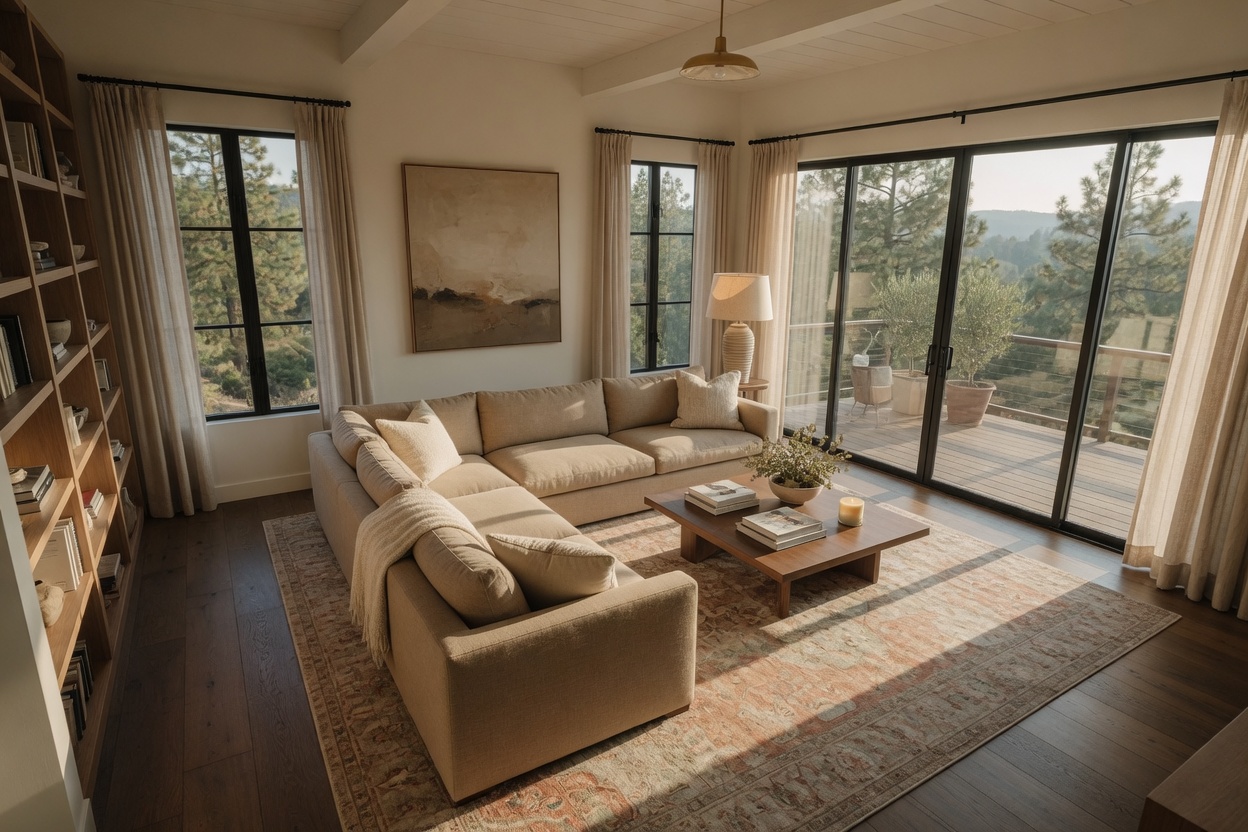
Guests decide whether to keep looking at your listing in about the time it takes to read this sentence twice. That window is the hook. What happens after they stop scrolling, whether they actually read the about section, check the photos in order, and message you, is the hold. Most advice aimed at hosts is entirely about the hook: better first photo, punchier title, stronger opening line. Almost none of it asks what happens when the hold does not survive contact with the actual house.
This page is about both halves, in order. A hook that wins attention but cannot be backed up by the next thirty seconds of the listing does not produce a booking, it produces a cancellation risk that shows up later, sometimes at 9pm on a Friday when the guest is standing in your driveway comparing it to the photo that got them to click. This is not legal advice.
What a hook is actually for
A hook's only job is to stop the scroll. It is not supposed to describe the whole house, promise an experience, or close the sale. It has one task: make a guest comparing a dozen search results pause on yours instead of the one above or below it. Everything past that first moment is a different job with a different set of rules.
Confusing the two jobs is where most listings go wrong. A host writes a title and first photo meant to do the whole sales job at once, cramming in a view, a vibe, and a claim about the experience, and ends up with something that is technically true but sets an expectation the rest of the listing cannot keep. The hook oversells because it is trying to do work that belongs to the next thirty seconds.
A cleaner approach treats the hook as an honest preview of the strongest, most verifiable thing about the house. If the strongest thing is a real view, show the real view, not a wider vista than the deck actually offers. If the strongest thing is walkable access to something guests care about, name that access plainly rather than dressing it up as a lifestyle claim.
A useful check for any hook candidate is asking whether the claim would survive a guest standing in the exact spot the photo was taken from. If a wider lens, a different season, or a flattering time of day is doing work the actual view cannot reliably repeat for every arriving guest, the hook is borrowing more credibility than the house consistently delivers.
What a hold actually requires
Once a guest has stopped scrolling, the hold begins, and it is won or lost on a completely different set of facts: where they will park, how many steps or stairs stand between the car and the door, what the beds actually look like, and whether the photos that follow the hero image confirm or contradict what the hook implied.
This is the thirty-second tour a guest runs in their head before they ever message you. They are checking whether the story holds together. A gorgeous hero photo followed by a blurry, poorly lit parking shot, or no parking information at all, breaks the hold even if nothing in the listing is dishonest. The absence of an answer reads as a hidden problem, whether or not one exists.
The fix is not more photos. It is the right photos in the right order, answering the questions a guest is actually running through their head: entry, beds, parking, in that sequence, before anything aspirational. A guest who can answer those three questions from your listing alone, without messaging you, is a guest who is close to booking rather than close to abandoning the tab.
When a hook wins a hold that cancels on arrival
The most expensive version of this failure is not a lost click. It is a booking that goes through on the strength of a hook, survives a weak hold because the guest did not look closely enough or trusted the photo order, and then falls apart the moment the guest actually arrives and the entry, beds, or parking do not match what they pictured.
That mismatch produces the worst kind of cancellation: the one that happens in your driveway instead of in the search results, after you have already blocked the calendar and turned away other guests for those dates. It also produces the review that mentions "not as pictured," which does more long-term damage to future hooks than a slow week ever would.
The pattern to watch for is a listing where the hook is doing more work than the facts underneath it can support. If your first photo shows a wide, bright living room and the actual room is narrower or darker than the angle suggests, the hook is borrowing credibility it has not earned. Fix the angle, or fix the room, but do not leave the gap between them for a guest to discover on Saturday.
This gap is also where most "not as pictured" reviews originate, and it is worth noticing that the review rarely names the hook photo directly. It usually names whatever the guest encountered that contradicted it, the actual room, the actual walk, the actual view, because that is the moment the mismatch became real to them, not the moment they first saw the photo online.
Building the thirty-second tour into the listing itself
Start the tour with entry: a photo or line that shows exactly how a guest gets from the street or the parking area to the front door, including stairs, gates, or anything unusual about access. This is the single most common source of arrival confusion, and it is almost always solvable with one clear photo and one clear sentence.
Follow with beds, shown honestly. If a bedroom has a queen and not a king, say queen. If a listed bed is technically a sofa bed in a shared space, say so in the same breath as the room count, not buried three paragraphs into the about section. Guests forgive an honest limitation far more easily than they forgive discovering one at 11pm.
Finish with parking, stated in plain terms: where the car goes, whether it is a driveway, a street spot, or a lot, and anything a guest needs to know about permits, tags, or restrictions. Parking questions are one of the most common message types hosts receive, and most of them are preventable with one sentence placed where a guest will actually see it before booking.
Order matters within this sequence as much as accuracy does. A guest reading the beds question before the entry question has already skipped a step in the order they will actually experience arriving, and listings that jumble this order tend to leave gaps a guest only notices once they are standing at the door wondering which line, if any, answered the question they now actually have.
None of this needs to be elaborate. A short, accurate answer to each of these three questions, placed early in the listing rather than buried, does more to protect your hold rate than a longer, more polished narrative about the neighborhood or the design choices in the kitchen.
The anti-pattern list worth checking against your own listing
Promising an experience the calendar or the house cannot actually keep is the most common failure, closely followed by leading with a soft hype claim, "steps from everything," that is technically defensible but practically misleading once a guest is standing there with a suitcase.
A second common failure is pausing real inbox work, actual guest questions sitting unanswered, to polish a hook further. A better first photo helps nobody if the message asking about check-in time from three days ago is still waiting for a reply. Hold rate depends as much on responsiveness as it does on photo quality.
A fourth failure, easy to miss because it looks like diligence, is spending an entire afternoon reordering photos and rewriting captions without ever running the thirty-second test described later on this page. Effort spent on the hold sequence without checking whether it actually answers entry, beds, and parking in order is effort that may not move the number that matters.
A third is copying language or numbers from a neighboring listing's success without checking whether the claim still applies to your house. A hook borrowed from a competitor's stronger location, view, or amenity set is a hook your own house cannot back up, and the hold breaks the moment a guest compares the promise to the reality in front of them.
What to fix this week, and what to leave for later
Pick one object: most often the entry photo, the bed description, or the parking line, and finish it completely this week rather than starting a wider overhaul of every photo and every sentence at once. A single finished, accurate object beats five half-updated ones.
Date the change and watch the following week's inbox for whether the same question keeps coming up. If guests stop asking where to park after you add a clear parking line, that is a real signal the fix worked. If the same question keeps arriving, the fix was not specific enough, and it is worth another pass rather than moving on to a different part of the listing.
Leave broader brand work, a fully restyled gallery, a rewritten narrative voice across the whole listing, for later. It is not wasted effort eventually, but it does not solve the thirty-second tour problem, and that problem is usually the one actually costing you bookings and reviews right now.
Testing the tour yourself before a guest does
The most reliable way to check whether your thirty-second tour actually holds is to run it yourself, cold, as if you had never seen the house before. Open the listing on a phone, start the timer, and try to answer entry, beds, and parking using only what is visible in the first several photos and the opening lines of the description.
If you find yourself scrolling past the third or fourth photo still unsure where the car goes, that gap is real, and it will cost you the same way with an actual guest who has far less patience and no personal investment in giving your listing the benefit of the doubt. Fix whichever specific frame or sentence is missing before moving to the next section of the listing.
Repeat this test periodically, not just once at launch. A listing that passed the test a year ago can drift out of alignment as photos get reordered, a new amenity gets added without a corresponding photo, or house rules get edited without updating the corresponding image. The test is cheap and takes under two minutes; skipping it is what allows small drifts to accumulate into a real mismatch.
Why the thirty-second frame matters more than a longer, prettier tour
It is tempting to respond to a weak hold by adding more content: a longer video tour, a more detailed floor plan, paragraph after paragraph of description. More content is not the same fix as a faster, clearer answer to the three specific questions guests are actually asking in that first look. A guest who has to work to find the parking answer inside a long video has effectively not received an answer at all.
The thirty-second frame is short on purpose, because that is roughly how long a guest actually spends deciding whether to keep reading before either committing to a deeper look or moving to the next listing in their search. Respecting that real attention window, rather than assuming guests will patiently work through a longer presentation, is what makes the entry, beds, parking sequence effective.
This does not mean the rest of the listing does not matter. A guest who clears the thirty-second tour and stays engaged will read further, and that deeper content, the neighborhood context, the design story, the amenities, does real work at that later stage. It simply cannot do the job the first thirty seconds needs done, which is answering the concrete questions fast enough that the guest chooses to keep going.
Related Reading
More independent-host reading on honest listing copy, distribution, and when hiring help is worth it.
Frequently Asked Questions
What is the difference between a hook and a hold in listing terms?
The hook is whatever stops a guest from scrolling past your listing, usually the title and first photo, and it only needs to earn about thirty seconds of attention. The hold is what happens in those next thirty seconds, when the guest checks entry, beds, and parking against what the hook implied. A listing can win the hook and still lose the hold if the facts underneath do not match the promise.
My hook photo gets a lot of clicks but bookings still feel slow. What's wrong?
That pattern usually means the hold is broken, not the hook. Guests are stopping to look, then finding something in the next few photos or lines that does not match the promise, an unclear parking situation, a bed count that reads as generous but photographs as tight, and moving on without messaging you. Check the entry, beds, and parking sequence specifically before touching the hero photo again.
Should my first photo show the whole house or just one strong feature?
One strong, honest feature usually beats a wide shot trying to show everything at once, because the hook's only job is to earn the next thirty seconds, not summarize the entire stay. Pick the single most verifiable strength of the house, a real view, real walkable access, a genuinely good room, and lead with that rather than a compromise shot that shows a little of everything and excites nothing.
How do I know if my hook is overpromising?
Compare the language in your title and first photo caption against what a guest will physically encounter walking from the car to the front door. If the words suggest more space, a better view, or an easier approach than what actually exists, the hook is borrowing credibility the house has not earned, and that gap tends to surface as a cancellation or a pointed review later.
Where should parking information go in the listing?
Early, not buried. Parking is one of the most common pre-booking and pre-arrival questions, and putting a clear, specific answer near the top of the listing, ideally with a photo, prevents a large share of repeat inbox messages. Treat it as part of the thirty-second tour, not a footnote in the house rules.
Is it dishonest to use a flattering camera angle?
Not by itself. A flattering, well-lit, well-composed angle is normal and expected. It becomes a problem when the angle implies a different room size, layout, or view than what a guest will actually see, because that is the gap that breaks the hold once they arrive. The test is whether the angle enhances a true fact or invents one that is not there.
What should I do if a guest cancels after arriving and says it wasn't as pictured?
Treat it as a direct signal about a specific gap between the hook and the hold, not just a difficult guest. Walk your own listing as if you were arriving for the first time and identify exactly which photo or line created the expectation that did not survive contact with the house. Fix that specific field before assuming the review reflects the guest rather than the listing.
How often should I re-check the entry, beds, and parking sequence?
At minimum every season, and any time the house physically changes, new furniture, a repainted entry, a different parking arrangement. The thirty-second tour only works if it stays current. A photo that was accurate a year ago but no longer matches the house creates the same gap as a photo that was never accurate.
Does a strong hook matter less if my listing already books well?
It matters differently, not less. A listing that already books well through repeat guests or strong word of mouth can tolerate a weaker hook because trust is doing some of the work. A new listing or one relying on cold search traffic cannot make that trade, since the hook is the only thing standing between a guest and never seeing the rest of the listing at all.
What's the single fastest fix if I only have twenty minutes today?
Check whether your listing has a clear, specific parking line visible early, not buried in house rules, and add one if it does not. Parking is the single most common source of avoidable inbox questions and arrival confusion, and a plain sentence usually resolves it faster than any other change you could make in the same amount of time.
Work with Crest & Cove Creative
Write a Hook That Holds Without Lying to the Guest Who Books only works when the listing shows operable facts guests can check. Cut soft slogans that hide the real stay.
Crest & Cove Creative builds the entry, beds, and parking sequence that keeps a hold from breaking after the hook has already done its job. We fix that thirty-second tour on the listing itself, not a separate deck about hooks in general.
Reach out at crestcove.co or (256) 998-7502.


Comments