
Market Prescott, AZ for the Guest Who Actually Books

Updated: Aug 30
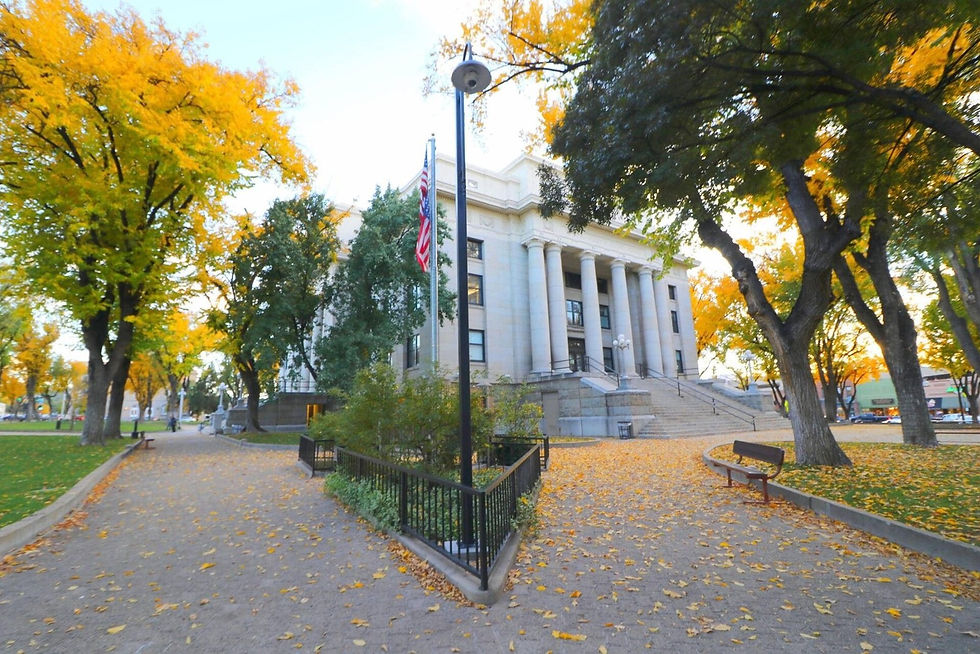
A Prescott listing that opens with a wide desert vista, a saguaro cactus, or a downtown Phoenix skyline shot is not lying, exactly. It is just describing the wrong town. Prescott sits in the highlands, with a courthouse square, ponderosa pine, and a cooler summer climate than most of Arizona, and none of that comes through in stock desert photography. A guest who clicks through expecting one kind of place and arrives at another does not usually leave a bad review about the scenery. They leave a review about feeling misled, and that review sticks around long after the season that caused it.
This piece is a practical walk-through of how to make a Prescott listing look, read, and time itself like the actual place it sits in, using the current market data as a guide rather than a guess. It covers the first photo, the guest most likely to book, the length of stay to write for, and the calendar timing that matters most. None of this replaces confirming remaining 2026 license and tax status directly with the town before advertising, which is a separate step and a separate task from marketing copy.
None of the guidance below requires guessing at what Prescott guests want. The current extract already describes who is booking, when they book, and how long they stay, and that data can shape almost every visible decision a host makes about a listing before a single guest ever reads the description. Treat each section below as one decision to check against that data, rather than a single rebrand to tackle all at once, and the listing will end up more accurate with less guesswork along the way. This is not legal advice.
Start With What Prescott Actually Looks Like
The first photo on a Prescott listing should show the courthouse square, the pine-covered hills, or the specific street and neighborhood character the property sits in, not a generic Arizona desert frame that could belong to any city in the state. Guests scrolling search results are pattern-matching quickly, and the first image either confirms they found the right kind of place or plants a small doubt that a later photo has to work to undo.
A city gallery, meaning a set of photos that could describe Phoenix just as easily as Prescott, is one of the more common ways a Prescott listing quietly steers the wrong guest toward booking. Phoenix is a different city with a different guest walk, a different climate, and a different visitor expectation. Borrowing its visual language, even unintentionally through generic stock imagery, sets up a mismatch between what was promised and what gets delivered on arrival.
This does not mean every photo needs to be a scenic postcard. It means the photo set as a whole should be identifiably Prescott to someone who has been there before, and identifiably highland Arizona rather than desert Arizona to someone who has not. That distinction is the difference between a listing that sets accurate expectations and one that borrows generic stock appeal at the cost of clarity, and it is a distinction guests notice within the first few seconds of scrolling a search results page.
Know Who Is Actually Booking This Listing
On the current extract, most Prescott guests arrive from Phoenix, then Tucson, and the typical stay runs about 4.9 nights. That is a specific, describable guest: someone driving up from the Valley or from Tucson for a planned highland getaway, not a cross-country traveler passing through on a longer trip. Lead time for that booking runs about 44 days, which tells you this is a planned trip, not a last-minute one.
Writing to that guest means leading with what a Phoenix or Tucson visitor is actually looking for when they book a highland escape: cooler evening temperatures, walkability to the square, parking details for a weekend visit, and a clear sense of the first-night experience after a two-to-three hour drive. A listing description written for a hypothetical cross-country traveler, with airport shuttle details or long-stay amenities front and center, is answering questions this particular guest was not asking.
It also helps to think about what that guest already knows. A visitor driving up from Phoenix has almost certainly been to Arizona's desert cities before and is booking Prescott specifically because it is different. Listing copy that leans into that contrast, cooler air, tree cover, a walkable historic square, speaks directly to the reason this guest chose Prescott over staying closer to home, and it does more to convert a browsing click into a booking than a generic list of bedroom counts ever will.
Write the First Night, Not Just the Amenities
Because the typical guest has driven up from Phoenix or Tucson for a short, planned stay, the details that matter most in the first section of the listing are the ones that make arrival easy: where to park, how to find the entrance after dark, what is within walking distance for a first dinner, and what the property looks and feels like at check-in time. A long list of amenities matters, but it matters less in the first few lines than a clear picture of what the first hour on the property will actually feel like.
This is also where the courthouse square earns its place in the copy, not as scenery but as orientation. A guest who knows the property sits a few blocks from the square, within walking distance of dinner and a walk after, has an easier time picturing the stay than one who only sees a bedroom count and a list of appliances. Orientation sells the trip; a feature list sells the house. A short-stay highland guest is buying the trip first.
Match the Calendar to the Actual Season, Not the Generic One
August is the strongest month in this sample, and it should read that way in the listing calendar and description, not as a blended, year-round Arizona pitch that treats every month the same. A listing that still runs generic Arizona discount language in late June is already behind for a guest planning an August highland trip, since that guest, arriving from Phoenix or Tucson with about 44 days of lead time, is often booking in June or early July for an August stay.
The reverse mistake matters just as much: do not reuse peak-season square photography or copy as though winter carries the same demand. This market has its own slower stretches, and pretending otherwise in the listing description does not create bookings in a slower month. It just sets an expectation the calendar will not deliver on, which tends to show up later as a guest complaint rather than as a booking gain.
Handle the 30-Night Question Honestly
About a quarter of Prescott listings currently run a 30-night minimum stay, and it is worth being clear in the listing about which kind of booking a property is actually set up for. Setting a 30-night minimum does not, by itself, create a filled month, and it targets a completely different guest than the roughly 4.9-night visitor who represents the market's typical booking pattern. If a listing is genuinely positioned for extended stays, the copy should reflect that intentionally rather than defaulting to a long minimum and hoping demand adjusts to match it.
For most Prescott properties competing for the Phoenix-and-Tucson weekend and short-trip visitor, a shorter minimum stay that matches the roughly 4.9-night typical booking window is going to reach more of the actual demand this market shows on the current extract. A host trying to do both, long-stay and short-stay, in the same listing description usually ends up speaking clearly to neither guest.
Confirm the Registration Before the Ad Goes Live
None of the marketing work above should go live before remaining 2026 license and tax status for the specific property is confirmed at prescottaz.gov. A well-photographed, well-timed listing built around the right guest is still an advertising liability if the registration behind it is not current. This is not legal advice, but confirming registration status is a separate task from writing good listing copy, and it belongs on the same pre-launch checklist rather than an afterthought handled later.
Once that confirmation is in hand, the marketing groundwork above, the right first photo, the right guest description, the right calendar timing, and an honest minimum-stay setting, gives a Prescott listing its best chance of reaching the guest who is actually searching for this town rather than a generic Arizona stand-in.
Write the Description So Search Finds the Right Guest
Beyond the photos and the calendar, the words in a Prescott listing description do real work in how the property surfaces in search results, both on booking platforms and in general web search. A description that repeats generic phrases like beautiful Arizona getaway does little to distinguish a property from thousands of similar listings across the state. A description that names the courthouse square, the pine forest setting, and the specific neighborhood gives search systems and human readers alike something concrete to match against an actual search for a Prescott stay.
This also protects against the opposite failure mode: over-loading a description with every keyword a host can think of, regardless of whether it is true. A listing that claims proximity to attractions it is not actually near, or amenities it does not actually have, may draw an initial click, but it produces the same mismatch problem as a desert photo on a highland listing. Accuracy and specificity together are what make a description useful for both search visibility and guest trust, and that combination compounds over time as reviews start to confirm what the listing already promised.
Keep the Photo Set Current With the Property, Not Just the Season
Seasonal accuracy matters, but so does keeping photos current with the property itself. A listing photographed once at launch and left untouched for several years starts to drift from what a guest actually finds on arrival, whether that is a repainted room, updated furniture, or simply wear that was not visible in the original photo set. Guests notice the gap between listing photos and reality quickly, and it shows up in reviews far more often than it shows up in booking inquiries.
A reasonable habit is to revisit the photo set at least once a year, timed around whichever season the listing markets most heavily, and to treat any material change to the property as a trigger for a photo update rather than waiting for the annual refresh. A small, current photo set that matches the property today builds more guest confidence than a larger, dated one that no longer does.
It is also worth thinking about photo order as its own decision, separate from which photos are included. The first three or four images set the tone for everything a guest reads afterward, so they should carry the property's strongest, most distinctly Prescott material: the exterior in daylight, the space closest to how the courthouse square area actually looks, and the room a guest is likely to spend the most waking time in. Amenity-focused shots, storage, laundry, garage space, belong further down the gallery, where they answer practical questions after the guest has already been sold on the trip itself.
Related Reading
More Prescott and high-desert host reading on desks, calendars, and listing clarity guests can trust.
Prescott, AZ Remote-Worker Stays: What the 30-Night Data Shows
Prescott, AZ Short-Term Rental Market Report: What Hosts Earned
Prescott, AZ Tourism Data: What Hosts Should Track, Not Confuse
Prescott vs Phoenix: Why Hosts Should Never Blend These Two Years
What It Actually Costs to Open a Prescott, AZ Short-Term Rental
Who Actually Books a Prescott Rental, and What They Came For
Buying a Prescott Short-Term Rental in 2026: What the Town's Own Numbe
The Prescott Visitor's Guide Independent Hosts Should Actually Write
Frequently Asked Questions
What should the first photo on a Prescott listing show?
The first photo should show something distinctly Prescott: the courthouse square, the pine-covered hillsides, or a clear view of the neighborhood the property sits in, rather than a generic Arizona desert image that could describe any city in the state. Guests scroll quickly and pattern-match the first image against what they expect Prescott to look like, so a mismatched opening photo creates doubt before the rest of the listing gets a chance to correct it.
Who is the typical guest booking a Prescott short-term rental?
On the current extract, most guests arrive from Phoenix, then Tucson, for a planned highland stay averaging about 4.9 nights, booked roughly 44 days ahead of arrival. That profile points to a short, deliberate weekend or long-weekend trip rather than a long cross-country vacation, and listing copy that addresses that guest directly, cooler temperatures, easy parking, walking distance to the square, tends to perform better than generic amenity lists.
Why shouldn't I use Phoenix-style photos or copy for a Prescott listing?
Phoenix and Prescott are different cities with different climates, different guest expectations, and different visual identities. A city gallery that could describe either town sends an unclear signal to a guest who specifically searched for a Prescott stay, and that mismatch tends to surface as disappointment on arrival rather than as a booking problem. Distinct, town-specific photography sets accurate expectations from the first click.
When should August marketing copy go live on a Prescott listing?
Because August is the strongest revenue month in this sample and typical lead time runs about 44 days, guests planning an August stay are often booking in June or early July. A listing still running generic, undated Arizona discount language in late June is effectively behind for that booking window, so peak-season copy and calendar availability should be ready well before the season it is targeting actually arrives.
Does a 30-night minimum stay help fill a Prescott calendar?
Not automatically. About a quarter of Prescott listings currently run a 30-night minimum, but setting that minimum does not create extended-stay demand on its own, and it targets a different guest than the roughly 4.9-night visitor who represents this market's typical booking pattern. A 30-night strategy needs its own dedicated marketing approach rather than being layered onto a listing built around short highland getaways.
Should winter photos be reused for a Prescott listing year-round?
No. This market has a clear seasonal pattern, and reusing peak-season imagery or copy during a slower stretch sets an expectation the calendar will not support. Listing photography and copy should shift with the season being advertised, reflecting what a guest will actually experience if they book that specific window, rather than defaulting to whichever photo set looks best regardless of month.
Do I need to confirm my rental license before advertising a Prescott stay?
Yes. Remaining 2026 license and tax status for the specific property should be confirmed directly at prescottaz.gov before any listing goes live, separate from and prior to any marketing or photography work. Treating registration confirmation as a pre-launch step rather than something to handle later avoids advertising a stay the property is not currently cleared to host.
How long is the average Prescott booking, and why does that matter for the listing description?
The typical stay in this sample runs about 4.9 nights, which should shape what the listing description emphasizes. First-night arrival details, parking, and walking-distance dining matter more to this short-stay guest than long-term amenities like full kitchen inventories or extended-stay discounts, which speak to a different kind of traveler than the one actually booking most Prescott stays.
What is the biggest visual mistake Prescott hosts make in their listing photos?
The most common mistake is leading with generic desert or skyline imagery that could belong to Phoenix or any other Arizona city, rather than photography that clearly identifies Prescott's highland character: the courthouse square, pine tree cover, and the specific streetscape around the property. That opening mismatch is often what causes a guest's first impression to drift away from what the stay will actually deliver.
Work with Crest & Cove Creative
The right first photo and the right guest story turn browsing into booking. A Prescott listing that looks like Prescott gets found by the traveler who is already searching for exactly that.
Want a Prescott listing that photographs and reads like the actual town instead of a generic Arizona stand-in? Let's rebuild the gallery, the description, and the calendar copy around the guest who is really booking here.
Reach out at crestcove.co or (256) 998-7502.


Comments