
The Prescott Visitor's Guide Independent Hosts Should Actually Write


A visitor's guide only earns its place on a listing page if it answers questions the guest is actually asking, not the questions a generic Arizona travel article assumes they're asking. in this sample, the Prescott guest is specific: they're most often coming from Phoenix, then Tucson, and they're staying about 4.9 nights, planning it roughly 44 days out. That's not a vague "visiting Arizona" trip. It's a short, deliberate highland escape from the desert heat, and a good visitor's guide should read like it was written for exactly that person, not for whoever happens to search the word "Prescott."
Typical listings here earned about $25,061 last year, from 801 active rentals in the current extract, built on an average nightly rate of $220 landing at 40.1 percent occupancy for a revenue-per-available-night of $86. Those numbers matter to a visitor's guide because they describe where the real slack is: occupancy is weakest in July, which is a different soft stretch than the February revenue hole, and August is the month worth protecting hardest. A guide that helps a guest commit before August, when the calendar is tightest, is doing real work. A guide that reads the same in February as it does in August is wasting an opportunity most hosts don't even know they have.
This page is not a replacement for the town's own visitor resources, and it isn't a repackaged wish-you-were-here brochure either. It's a working guide built for a host to hand a guest, covering the walk from the driveway to the courthouse square, the practical questions a first-time Prescott visitor actually has, and the seasonal facts that should shape when a host pushes this guide hardest. This is not legal advice.
Who This Guide Is Actually For
Most Prescott guests are coming from Phoenix, then Tucson, which means most of them have already spent real time in desert heat before they ever reach this town. That changes what a visitor's guide needs to do. It doesn't need to sell Arizona in the abstract; it needs to sell the specific relief of a mile-high courthouse square, the granite dells, and Whiskey Row to someone who already knows exactly what they're escaping. A guide written for a first-time-ever Arizona visitor and a guide written for a heat-weary Phoenix resident making their fourth trip up the hill are two different documents, and this town's data says the second guest is the more common one.
The 4.9-night average stay also shapes the guide's shape. That's long enough for a real weekend plus a buffer day, but short enough that guests aren't looking for an exhaustive regional itinerary. They want the short list: what's walkable from the house, what's worth the short drive, and what to do on the one evening they haven't already planned. A visitor's guide trying to cover every possible day trip in the region will bury the three or four things that actually matter to a 4.9-night guest under material aimed at a much longer, more open-ended visit.
Entire homes make up 95.1 percent of the active sample here, so most of the guests reading this guide are booking a whole house, likely with a group or family rather than a solo business traveler. That's worth keeping in mind when deciding what to include: parking for multiple vehicles, walkability after dark for a group heading back from dinner, and what's actually within a short walk of the address versus what only sounds walkable on a map.
The First-Night Walk: What to Put at the Top of the Guide
The single highest-value thing a visitor's guide can do is answer the first-night question before the guest has to ask it: where do I park, where's the closest place to eat that isn't a chain, and how far is the courthouse square from here on foot. A guest arriving from a multi-hour drive up from Phoenix or Tucson is tired and often arriving in the evening. A guide that front-loads the practical first-night walk, not a curated seven-day itinerary, is the one that actually gets read.
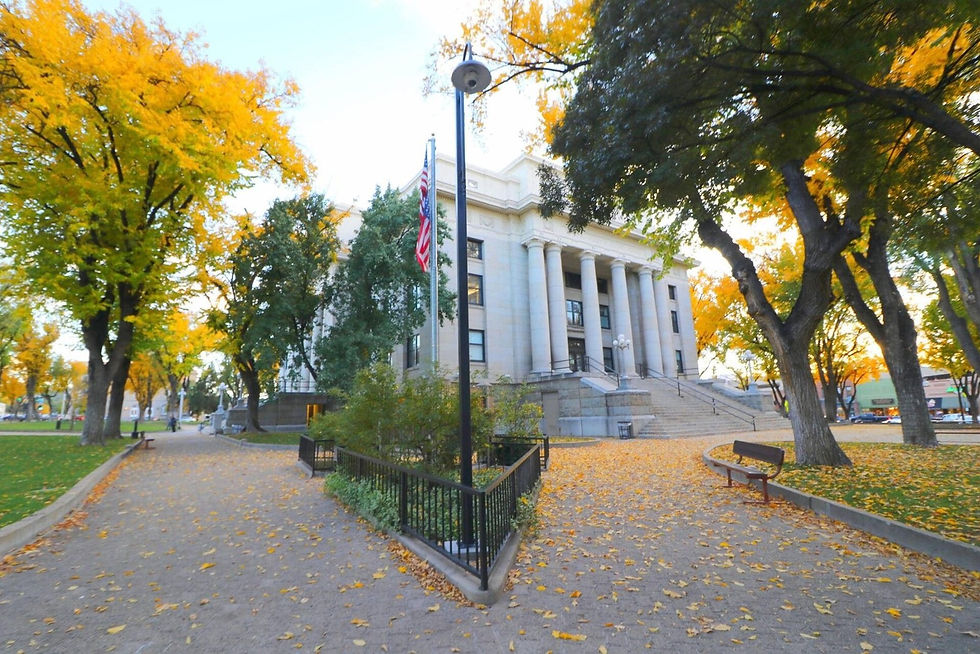
After the first-night basics, the guide should name the specific landmarks that make Prescott Prescott, rather than describing them in the vague language that could apply to any mountain town: Whiskey Row's specific stretch of bars and storefronts, the actual layout of the courthouse square, and how far the granite dells are by car versus on foot. A guest who searched for a rental here already knows they're not going to a beach or a big city. What they don't know yet is the specific geography of this specific town, and that's the gap a good guide closes.
It's worth naming plainly, in the guide or near it, that the guide is a starting point built from what this sample and the town's own public information can support, not a claim about hours, prices, or availability at any specific business. Guests should confirm current hours directly with any attraction or restaurant before finalizing plans, since that information changes independently of anything a listing page can track.
Writing to the Season the Guest Is Actually Booking In
August is this market's strongest month, and it's also the month where a visitor's guide does the most competitive work. A guest with money down for other options is choosing between generic Arizona listings and one that clearly knows this town, and a guide that reads as specifically Prescott, not recycled Sedona or Flagstaff copy, is one more reason to book here instead. A listing that's still using generic Arizona language heading into late June is already behind for that August window, since guests booking a highland escape are making decisions well before the peak actually arrives.
July's softer occupancy and the February revenue hole are different problems, and the guide can help with both, just differently. In the softer months, the guide's job shifts slightly toward giving a guest more reasons to book now rather than wait, since demand isn't carrying the listing on its own the way it does in August. A guide that highlights what's genuinely pleasant about a quieter Prescott visit, shorter waits at popular spots, more availability at restaurants, cooler evenings, can do real persuasive work in the shoulder months that it doesn't need to do in August.
None of this means rewriting the guide four times a year. It means being honest, inside the guide, about which season a given visit falls into, and letting that honesty do some of the selling. A guest booking a February stay doesn't want to read language clearly written for an August crowd, and a host who updates even a sentence or two seasonally signals a level of attentiveness that a static, one-size-fits-all guide never will.
The Difference Between a Guide for a First Visit and a Repeat Visit
Not every Prescott guest is arriving for the first time. Given how close Phoenix and Tucson are, a meaningful share of guests booking a 4.9-night highland escape have likely made this drive before, whether to Prescott specifically or to a similar mountain town nearby. A guide written entirely for a first-timer, explaining the basic layout of the courthouse square as if the guest has never heard of it, can feel slightly condescending to a repeat visitor who already knows the town and just wants to know what's new or what's changed since their last trip.
A guide that briefly acknowledges both audiences tends to work better than one written for only one. A short line early in the guide, something to the effect of whether this is your first trip up from the Valley or your fifth, here's what's worth knowing this season, does real work without adding much length. It signals to the repeat guest that the guide has something for them too, rather than assuming every reader needs the basics explained from scratch.
This matters more in a market like Prescott's than it might in a true one-time-destination market, precisely because the origin cities are so close and the trip is so repeatable. A host who treats every guest as a first-timer is missing an opportunity to build the kind of familiarity that turns a one-time booking into a guest who specifically searches for this listing again next time they need a break from the heat.
What a Prescott Guide Should Not Try to Be
It shouldn't try to be a Phoenix guide with a different zip code. Phoenix listings earned about $35,247 last year across 5,820 active rentals on the same extract, a bigger, differently-shaped market with its own seasonality and its own mix of business and primary-residence guests. A Prescott visitor's guide that borrows Phoenix's tone, urban nightlife, big-city dining scenes, convention-adjacent language, will read as obviously mismatched to a guest who came here specifically to leave that kind of trip behind for a few days.
It also shouldn't try to double as a regulatory or legal reference. This guide is about what a guest does once they've booked, not about the town's licensing or tax requirements for hosts. Any host who wants to point a guest toward those specifics, or who wants to confirm their own remaining registration or fee status for 2026, should go directly to the City of Prescott at prescottaz.gov rather than relying on this page or any market data extract, since that's not something a visitor's guide is built to track and this is not legal advice.
And it shouldn't chase the 30-night-minimum segment of the market. About 25.0 percent of Prescott's active listings run a 30-night minimum, but that's a longer-stay, often corporate-relocation guest with an entirely different set of questions than the 4.9-night visitor this guide is built for. A visitor's guide trying to serve both audiences at once ends up serving neither one well.
What to Do With the Questions a Guide Can't Actually Answer
Every visitor's guide eventually runs into a question it shouldn't try to answer with certainty: current business hours, whether a specific trail is open, or what a restaurant's wait time looks like on a given night. The temptation is to write around this by staying vague, but vague language is worse than admitting the limit directly. A line telling guests to check current hours before heading out, rather than printing a specific closing time that might be six months stale, respects the guest's time more than false precision does.
The same discipline applies to anything touching Prescott's own regulatory environment. A visitor's guide isn't the place to summarize the city's short-term rental rules, occupancy limits, or tax requirements, even in passing, because a guest reading a visitor's guide isn't the audience for that information and a host repeating it secondhand risks getting it wrong. If a host wants to reference compliance at all, the safest approach is a single sentence pointing toward the City of Prescott's own current information at prescottaz.gov, not a paraphrase of what a market extract or a prior season's guide once said.
Guides that admit their own limits, this changes seasonally, confirm before you go, tend to read as more trustworthy to a guest than guides that assert everything with the same flat confidence. A guest who catches one stale claim, an attraction that's since closed, hours that changed, starts to doubt the rest of the guide too. Precision where the host actually has it, and honest hedging where they don't, protects the credibility of the whole document.
Turning the Guide Into Something a Guest Actually Uses
A visitor's guide that sits as a wall of text in the listing description rarely gets read past the first paragraph. The version that gets used is shorter, front-loaded with the first-night practicalities, and organized so a guest can scan it the night before arrival: where to park, what's within walking distance, what's worth the short drive, and one or two honest notes about the season they're visiting in. Everything past that point is a bonus, not a requirement.
It's also worth building the guide so it can live in more than one place: a welcome-book page for after booking, and a shorter, front-loaded version in the listing description itself for guests still deciding. The listing-description version is doing marketing work, distinguishing this specific Prescott stay from a dozen other Arizona search results, while the welcome-book version is doing service work, making the actual stay smoother once the guest has already committed. Conflating the two into one document usually means the marketing version gets buried under check-in instructions, or the practical version gets diluted with selling language a guest arriving that night doesn't need anymore.
A host revisiting the guide once or twice a year, ahead of the August peak and again heading into the softer winter months, will keep it more useful than one written once and never touched again. The town's own numbers, an $86 revenue-per-available-night, 40.1 percent occupancy, an August peak against a July and February softness, aren't going to move dramatically year to year, but the small, specific details a guide relies on, which restaurant just changed hours, which trailhead parking lot filled up last season, do shift. A guide that gets a light seasonal refresh reads as current. One that doesn't starts to feel, eventually, like the same generic template this whole approach was built to avoid.
Related Reading
Arizona years already live on Crest and Cove: file Flagstaff-Williams, Arizona gateway stays, and Utah-Northern Arizona gateway towns on their own lines before you underwrite Prescott.
Frequently Asked Questions
Who is the typical Prescott guest this visitor's guide should be written for?
Most guests arrive from Phoenix, then Tucson, and stay about 4.9 nights, typically booking around 44 days ahead. That's a short, deliberate highland escape from the desert, not an open-ended Arizona vacation, and the guide should be written for that specific trip.
What's a realistic benchmark for typical Prescott rental revenue?
About $25,061 per year in the current extract, from an average nightly rate of $220 at 40.1 percent occupancy, for a revenue-per-available-night of $86 across 801 active listings.
Which month should a Prescott visitor's guide be sharpest for?
August. It's the strongest month in this sample, and a listing still using generic Arizona language heading into late June is already behind for that window, since highland-escape guests plan well ahead of the peak.
Should the guide read the same in February as it does in August?
No. July is the softer occupancy month and February is the revenue hole, both different problems than August's peak-season competition. A guide that stays honest about the season it's serving can do real persuasive work in the quieter months.
Should a Prescott visitor's guide borrow tone or content from a Phoenix guide?
No. Phoenix earned about $35,247 last year across 5,820 listings, a larger, differently-shaped market with a different guest mix. Guests come to Prescott specifically to leave that kind of trip behind for a few days.
Does the 30-night-minimum segment of the market need this same guide?
No. About 25.0 percent of Prescott listings run a 30-night minimum, serving a longer-stay or corporate-relocation guest with different questions than the 4.9-night visitor this guide is built for.
What should the first section of the guide cover?
The first-night walk: parking, the closest non-chain dining, and how far the courthouse square is on foot. A guest arriving from a multi-hour drive wants those basics before a curated seven-day itinerary.
Is this guide a source for Prescott's licensing or tax rules?
No. This is not legal advice, and it does not guess occupancy, ADR, or license-count claims for Prescott. Confirm remaining 2026 registration or fee status directly with the City of Prescott at prescottaz.gov.
Does the entire-home share of the market change what the guide should include?
Yes. Entire homes are 95.1 percent of the active sample, so most guests are a group or family booking a whole house. Parking for multiple vehicles and after-dark walkability matter more than they would for a solo-traveler audience.
Where should the guide actually live: the listing description or a welcome book?
Both, in different forms. A shorter, front-loaded version in the listing description does marketing work for guests still deciding; a fuller welcome-book version does service work for guests who already booked.
Should the guide list specific business hours or prices?
No. Hours and prices change independently of any market data extract or listing page. The guide should point guests to confirm current details directly with each attraction or restaurant rather than stating them as fixed facts.
What's the biggest mistake a Prescott visitor's guide can make?
Reading like it was written for anywhere in Arizona rather than specifically Prescott. Naming Whiskey Row, the courthouse square, and the granite dells directly does more work than generic mountain-town language ever will.
Work with Crest & Cove Creative
The Prescott guest almost never comes from far away. They come from Phoenix, then Tucson, for 4.9 nights of relief from the heat they just drove out of.
Work with Crest & Cove Creative to build a Prescott-specific visitor's guide around the trip guests are actually taking, not a generic Arizona travel pitch, and get in touch at crestcove.co/audit. Name the failure mode the guest can check on the listing.
Reach out at crestcove.co or (256) 998-7502.


Comments