
Market Southwest Harbor on Its Own, Not Downtown Bar Harbor

Updated: Aug 27
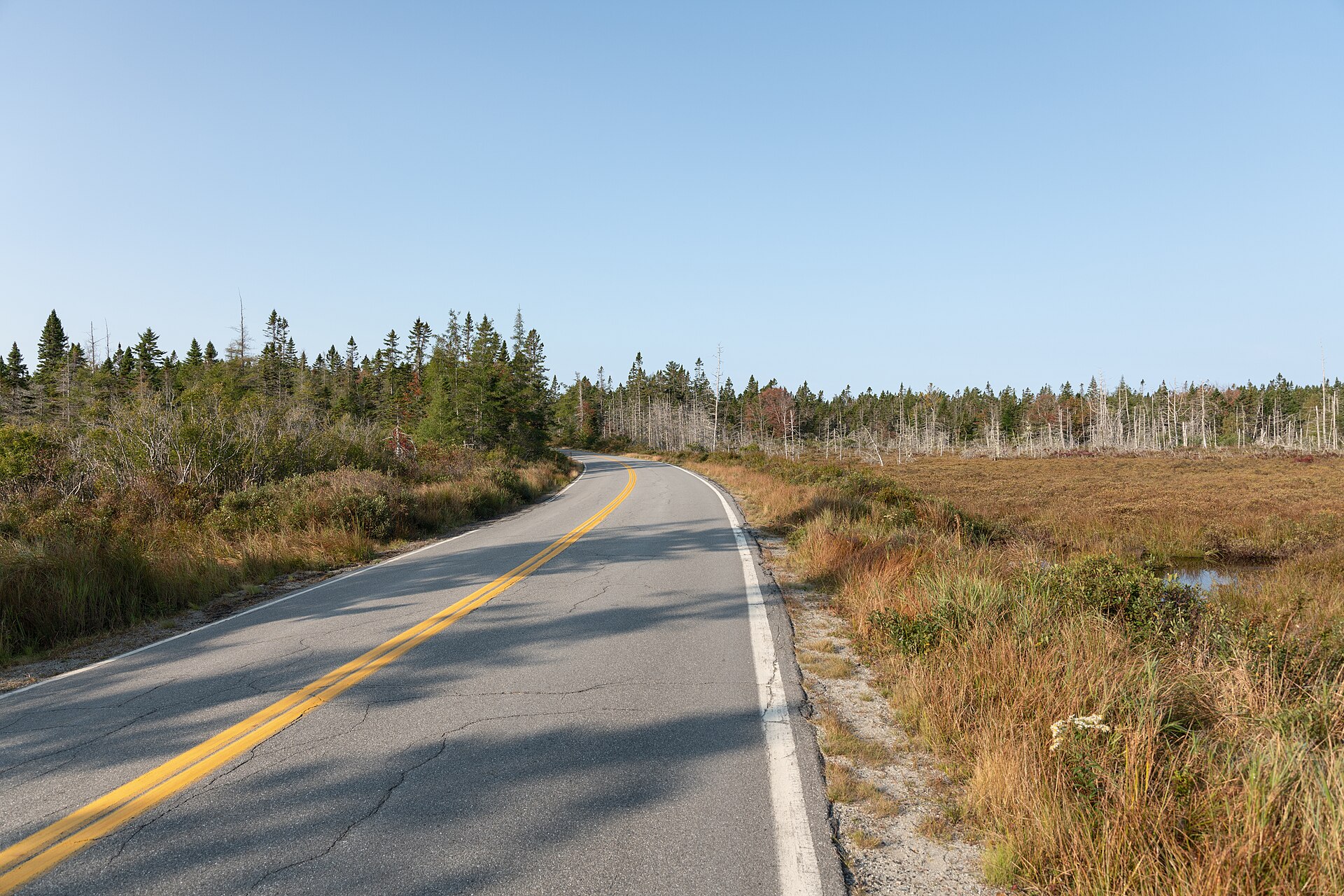
Southwest Harbor's published market year sits at $40,007 with a median month of $4,084, describing a quiet-side stay inside the incorporated Town of Southwest Harbor specifically, not a stay a host may dress up as downtown Bar Harbor. Leftover $45,000 to $100,000 years, and leftover Memorial-Day-only peak narratives borrowed from a different Mount Desert Island market, are the wrong product to sell for a house actually located here.
This post covers how to market a Southwest Harbor listing on its own terms: photographing the working harbor accurately, naming Acadia as a drive rather than a downtown-adjacent walk, and writing copy that survives a call to the town office. Marketing that promises a month in a Southwest Harbor house has to survive that specific scrutiny; an unregistered or wrongly categorized listing is not one that may be marketed as a quiet-side stay regardless of how appealing that framing sounds. This is not legal advice.
Town the Quiet-Side Stay, Not a Bar Harbor VR-2
Name the stay a host can actually sell in the first screen of the listing: a quiet-side, working-harbor Mount Desert Island town, distinct from downtown Bar Harbor's VR-2 registration category and its different guest profile entirely. An unregistered Bar Harbor house is not a listing that may be dressed as a quiet-side Southwest Harbor stay, and the reverse is equally true; each town's registration category and actual guest expectation are specific to that town.
If choosing which MDI published market year a specific parcel actually fits, that's a separate comparison worth running directly, Bar Harbor versus Southwest Harbor, rather than assuming proximity on the island means either town's numbers apply interchangeably.
Photograph the Working Harbor You Have
Southwest Harbor's working harbor, boats, docks, the actual marine-industry activity, is real, specific, and photographable, and it should be the hero image if the listing genuinely sits within walking distance of it. A fake Shore Path stroll, borrowing Bar Harbor's specific downtown walking path as an implied amenity, is review risk at a market running a 76.5 percent Superhost rate, not a marketing win; guests here check accuracy carefully, and a borrowed downtown amenity claim gets caught.
If the house doesn't genuinely sit within walking distance of the working harbor, don't imply that it does; photograph what's actually reachable from the driveway instead.
Name Acadia as a Drive, Not the Downtown Bed
If a specific parcel sits off the docks, away from the working harbor itself, photograph and name the timed drive to Acadia National Park honestly rather than implying a downtown-adjacent walking relationship the house doesn't actually have. A guest planning an Acadia-focused trip needs the real drive time to plan their days, and an inaccurate implied-walk claim creates exactly the kind of arrival-day mismatch that damages reviews.
Show parking realistically too, and show the last stretch of road after dark if that's a genuine consideration for arriving guests; Southwest Harbor's quieter, less commercially dense character means road and parking honesty matters more here than in a busier downtown market.
New York Then Boston Book this market
Guests booking this specific market skew toward New York first, then Boston, an origin pattern worth understanding for how a listing describes distance and drive time; a guest driving up from New York or Boston is planning a longer trip than a regional day-tripper, and copy should account for that longer-trip context rather than writing as though every guest is arriving from nearby.
This origin pattern is context, not a persona on its own; the actual guest profile still depends on whether they're drawn to the working harbor, an Acadia-focused stay, or simply a quieter alternative to downtown Bar Harbor.
Do Not Steal a $1.33 Billion Visitor Year
A large regional or statewide Maine tourism visitor-spending figure, if one exists in that range, describes an entire region or state's tourism economy; it should never be cited as though it described Southwest Harbor's specific $40,007 year or its $4,084 median month. Borrowing a massive regional total to imply outsized local demand overstates what a single Southwest Harbor listing can actually expect to earn.
Keep the town's own extract, $40,007 and $4,084, on its own line, separate from any larger regional tourism statistic cited elsewhere in marketing materials.
55 Percent 30-Plus Is a Listing Gate, Not a Winter Story
If roughly 55 percent of listings in this sample have set a thirty-plus-night minimum stay, that's a booking-rule choice a majority of the competing supply has made, a listing gate, not proof that winter itself is being filled through extended stays as a demand story. A host shouldn't market winter as a booming extended-stay season based on that setting share alone; the setting describes what hosts have chosen to offer, not confirmed winter occupancy performance.
Peak months in this sample show real weight in August, September, June, and even January, February, and December, a wider spread than a purely summer-coastal read would suggest, worth pricing and marketing honestly rather than assuming a single narrow peak season.
Copy That Survives a Town-Office Call
Keep the house description defensible on a call to the actual Southwest Harbor town office, the desk the tax map names for the specific parcel, not a leftover downtown brochure description borrowed from a different MDI town's marketing. Marketing that promises a month-long stay in a Southwest Harbor house specifically has to survive that same scrutiny; if the permitting or registration status doesn't actually support the marketing claim, the claim needs to change, not the compliance status.
Cleaning costs here sit at a $175 median, a reasonable number to budget against for turn planning regardless of which specific persona the listing is built around.
What the Guest Already Expects From a Quiet-Side Photo
A guest who searches specifically for a quiet alternative to downtown Bar Harbor already expects fewer crowds, more working-harbor authenticity, and a genuinely different pace; photos and copy that lean into that quieter identity convert this specific guest better than photos trying to compete with downtown Bar Harbor's busier, more commercial energy on its own terms.
This guest chose Southwest Harbor specifically, not as a fallback when downtown was booked; treating the listing as a lesser version of a Bar Harbor stay, rather than a genuinely different product, undersells what this guest actually came here to find.
Related Reading
More Bar Harbor and Mount Desert Island reading already live on Crest & Cove.
Frequently Asked Questions
Can I market my Southwest Harbor listing as a downtown Bar Harbor stay?
No. Southwest Harbor is a distinct incorporated town with its own registration category, its own $40,007 year, and its own guest profile. An unregistered or wrongly categorized listing should not be dressed as a Bar Harbor VR-2 stay, and the reverse is equally true for a genuine Bar Harbor property.
Should I photograph the Shore Path if my listing doesn't have direct access?
No. A fake Shore Path stroll implies a downtown Bar Harbor amenity your Southwest Harbor listing doesn't actually have, and that's review risk in a market running a 76.5 percent Superhost rate where guests check accuracy carefully. Photograph the working harbor or the actual walkable features your specific parcel offers instead.
How far is my house from Acadia National Park?
If the parcel sits off the docks rather than within the working-harbor walking area, name the honest, timed drive to Acadia rather than implying a downtown-adjacent walking relationship. Guests planning an Acadia-focused trip need accurate drive times to plan their days.
What's Southwest Harbor's actual published market year?
A watch year of $40,007 with a median month of $4,084. Avoid citing leftover $45,000 to $100,000 figures or a Memorial-Day-only peak narrative borrowed from other MDI markets; those describe a different product than what this town's own extract actually supports.
Where do most guests booking Southwest Harbor come from?
New York first, then Boston, an origin pattern worth factoring into how the listing describes distance and trip length, since a guest driving from either city is planning a longer trip than a regional day-tripper. Operating costs are worth pricing against that trip length too — cleaning runs a $175 median in this market, a figure to bake into your nightly rate rather than surprise guests with as a separate fee.
Does a high share of 30-plus-night minimum listings mean winter is booming here?
Not necessarily. Roughly 55 percent of listings setting that minimum is a booking-rule choice a majority of the competing supply has made, not confirmed proof that winter is being filled through extended stays. Treat it as a listing gate, not a verified winter demand story.
Can I cite a large statewide Maine tourism figure to market my listing?
Be careful. A large regional or statewide visitor-spending total describes an entire region's economy, not Southwest Harbor's specific market. Citing it to imply outsized local demand for a single listing overstates what the town's own $40,007 year actually supports.
How do I know my listing copy is accurate enough?
Test it against a call to the actual Southwest Harbor town office — the desk the tax map names for the specific parcel. If the marketing claim, a month-long stay promise, or a downtown-adjacent amenity wouldn't survive that call, the claim needs to change rather than assuming compliance will catch up to it.
Work with Crest & Cove Creative
Southwest Harbor's own $40,007 year is a quiet-side product, not a downtown Bar Harbor stand-in. Photograph the working harbor you actually have, not a borrowed Shore Path stroll.
We help independent Southwest Harbor hosts write copy that survives a town-office call and photographs the harbor the driveway actually reaches. Send the live listing and the parcel's exact location; we will flag any borrowed Bar Harbor claim before a guest catches it.
Reach out at crestcove.co or (256) 998-7502.


Comments