
Is a Marketing Agency Worth It for an Ocean Grove CMA Lease?

Updated: Aug 27
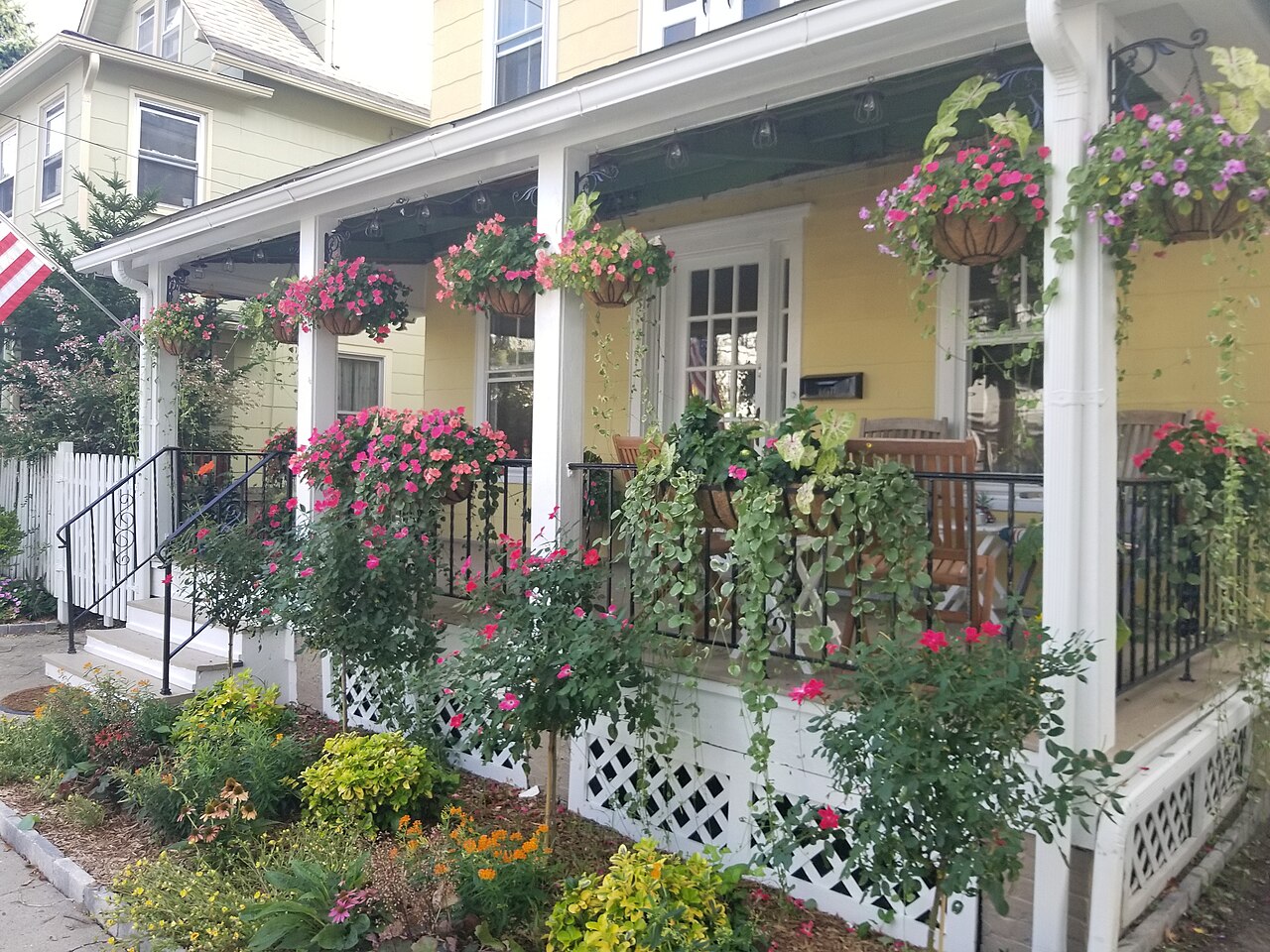
An Ocean Grove house is almost always an independent host operating on Camp Meeting Association land, not a franchise door with a national brand already doing the compliance work. That distinction matters more here than in most towns, because CMA consent and Neptune Township Code Enforcement paperwork sit with the owner before any marketing conversation even starts.
This page works from the sample figures in the research pack only: a $31,664 year, a $2,864 month, $422 ADR, and 34.7% occupancy for the typical active unit. It compares those figures to labeled neighbor towns where the data supports it, and it does not guess a lift, a ranking, or a guaranteed return from hiring an agency. Compliance and code enforcement questions belong with Neptune Township directly, not with a marketing vendor , this page is not legal or compliance advice. This is not legal advice.
What an Agency Can and Cannot Fix on This Coast
A marketing agency can rewrite a listing's photography order, its about section, and its pricing calendar. It cannot walk into Neptune Township Code Enforcement and get a CMA consent form approved, and it cannot manufacture demand that the shore's own calendar doesn't support.
The real question for an Ocean Grove owner isn't whether an agency sounds capable in a sales call. It's whether a marketing ongoing marketing help or a percentage split earns its keep after the compliance paperwork , the part no agency touches , is already sitting with the owner.
Separate the two jobs before signing anything: compliance is one line item, marketing craft is a different one, and only the second is what an agency is actually selling.
Neptune's 20.6% Management Share Is a Real Layer, Not a Gap to Fill
Neptune Township shows a 20.6% professional-management share across a 257-listing township market , a real, existing layer of managed listing stock an independent host is already competing against on search results, not an empty gap waiting for a new agency to claim.
That number says something specific: roughly one in five listings in that township market already has a manager's fingerprints on the copy, the photos, and the pricing. An independent host's listing is being read next to those, whether or not the owner ever talks to an agency.
Read 20.6% as competitive context, not as an invitation. It tells an owner what they're up against, not what percentage of hosts they should copy.
Spring Lake's 0% Management Share Cuts the Other Way
Spring Lake's professional-management share sits at 0% across a 22-listing book , a market with essentially no managed listing stock at all. That is a genuinely different competitive shape than Neptune's, and it is a reminder that these numbers do not generalize across the Jersey Shore.
It also means Spring Lake's higher ADR sample, $858, is not proof that management drives price in this corridor. Zero percent managed and a high headline rate can coexist in the same town.
Keep Neptune's 20.6% and Spring Lake's 0% on their own labeled lines. They describe two different towns, not two data points on the same curve.
The CMA Story Is the Craft Gap, Not a Logo Problem
Camp Meeting Association land carries a story most shore towns don't have , a planned religious community, a walkable Victorian streetscape, gates that close on Sunday mornings for services. That story is a genuine differentiator, and it is routinely left out of listings that instead lean on generic 'Jersey Shore charm' language.
An agency's actual value here, if there is one, is craft: turning the CMA history and the walkable-town layout into specific sentences a guest actually reads before booking, not a logo redesign or a new Instagram grid.
If a pitch leads with branding before it asks a single question about the CMA lease or the property's compliance status, that's a sign the pitch hasn't done its homework on this specific town.
A $2,864 Month Against a 20% Split
The typical active unit's watch month sits around $2,864. A 20% management or marketing split against that is a real, calculable dollar figure an owner can put next to whatever a flat-fee ongoing marketing help would cost for the same work , this is arithmetic an owner should run before signing, not after.
$31,664 as a watch year cannot be treated as visitor spend, and it cannot be divided against Monmouth County's much larger county-wide dollar figure to manufacture a rosier per-listing number. Those are two different scales of measurement, and blending them produces a number nobody can actually collect.
Run the split against the actual watch month, on this town's own figures, before comparing it to what a flat ongoing marketing help would cost for the same scope of work.
Compliance Is Still the Clerk's Job, Not the Agency's
CMA consent and Neptune Code Enforcement paperwork are compliance functions, and they stay with the property owner regardless of who handles marketing. An agency contract that implies it will 'handle everything' is overselling a scope it does not actually cover.
This is not legal advice, and any specific compliance question , what a CMA lease requires, what Code Enforcement expects at renewal , belongs with Neptune Township directly, not with a marketing vendor answering from a sales script.
Confirm compliance status first, on your own or with the appropriate township desk. Only after that is settled does the marketing conversation become a fair comparison.
When One Ocean Grove House Should Stay Independent
A single-property owner who already has the CMA lease and Code Enforcement paperwork in order, who can shoot decent photos, and who answers guest messages the same day has already done most of what a marketing agency would charge for. Paying a 20% split on top of that work is paying twice for the same job.
The math changes with scale , three or four properties, inconsistent time to answer messages, or a portfolio spread across multiple towns with different compliance rules. That's a genuinely different owner than the single-house CMA lease this page is written for.
Match the decision to the actual property count and the actual time an owner has, not to whichever pitch sounds most confident.
What to Ask Before You Sign
Ask for the specific dollar math against this property's own watch month, not a generic 'we can grow your revenue' claim with no number attached. Ask whether the agency has actually written for Ocean Grove's CMA story before, or whether the pitch is a template pulled from a different shore town.
Ask what happens to compliance paperwork , who owns it, who's liable if a Code Enforcement question comes up mid-season, and whether the agency is even positioned to answer that or will simply point back to the township.
An agency that can answer all three questions specifically, with this town's own numbers, has earned a real conversation. One that can't is selling a template with an Ocean Grove label on it.
Related Reading
More Ocean Grove, Neptune Township, and Spring Lake reading already live on Crest & Cove.
257 Listings and a $31,664 Year: Ocean Grove STR Report 2026
How to Market an Ocean Grove Stay: Camp Meeting, Not Generic Shore
Is Ocean Grove a Good STR Investment in 2026? Lease, CI, Watch Year
Who Books Ocean Grove and Spring Lake: Auditorium, Week, Family
Monmouth County Tourism and Ocean Grove Hosts: $3.2B Is Not $31,664
What It Actually Costs to Start a Legal Rental in Ocean Grove, NJ
Financing an Ocean Grove House: DSCR on $2,864 and a January File
Frequently Asked Questions
What does the typical active Ocean Grove unit actually earn?
The research pack's sample puts the typical active unit at a $31,664 year, a $2,864 month, $422 ADR, and 34.7% occupancy. Treat 34.7% as a shore-season number tied to a specific watch period, not a year-round guarantee, and don't blend it with a different town's figures.
Is Neptune's 20.6% management share a reason to hire an agency?
It's context, not a mandate. It tells an owner that roughly a fifth of a 257-listing township cell already runs managed, which shapes what an independent listing is competing against on search results — it doesn't mean the remaining hosts are underperforming by leaving the number where it sits.
Why does Spring Lake show 0% management with a higher ADR?
Spring Lake's 22-listing book shows no professional-management penetration at all, alongside an $858 ADR sample. Those two facts sitting together simply means management share and price aren't the same measurement in this corridor — don't import Spring Lake's rate as evidence Ocean Grove is under-priced.
Can an agency handle CMA consent or Code Enforcement paperwork?
No, and a contract implying otherwise is overselling its scope. Compliance stays with the property owner and the appropriate Neptune Township desk; this page is not legal advice, and any specific compliance question should go directly to the township rather than a marketing vendor.
How should an owner actually evaluate a 20% split?
Run it against the property's own $2,864 month, not a generic revenue promise. A flat monthly fee and a percentage split produce very different dollar outcomes depending on the actual month, so the comparison only means something once it's tied to this property's real numbers.
Does the CMA story actually matter for marketing, or is it just local color?
It's a genuine differentiator most listings skip in favor of generic shore-town language. A walkable Victorian streetscape and a planned religious community's history give a listing something specific to say that a template pulled from another town cannot say honestly.
When should a single-house owner skip an agency entirely?
When the CMA lease and Code Enforcement paperwork are already in order, photos are decent, and guest messages get same-day answers. That owner has already done most of what a paid marketing arrangement would charge for, and a 20% split on top becomes payment for work already finished.
What questions actually separate a real agency pitch from a template?
Ask for dollar math against this property's own watch month, evidence the agency has written for Ocean Grove's CMA story specifically, and a clear answer on who owns compliance liability if a Code Enforcement question comes up. A pitch that dodges any of the three hasn't done the homework.
Is $31,664 the same thing as visitor spending in Monmouth County?
No. $31,664 is a per-unit watch-year sample for the typical active Ocean Grove listing. Monmouth County's much larger county-wide dollar figure describes a different scale entirely, and dividing one by the other manufactures a number neither figure actually supports.
Is this page telling hosts to hire or not hire an agency?
Neither. It's giving the actual numbers — the watch month, the management-share comparisons, the compliance split — so an owner can run their own math instead of accepting a sales pitch's version of it. That decision depends on property count and available time, not on this page's opinion.
How does Asbury Park's $44,022 year affect an Ocean Grove listing's pitch?
It shouldn't, directly. Asbury Park sits just across Wesley Lake with its own guest base and its own market conditions, and importing its higher figure into an Ocean Grove listing's expectations — or its marketing pitch — sets up a promise the CMA-lease house can't actually keep on its own numbers.
What's the reserve season, and why does it matter for this decision?
January, February, and March are named as the quiet stretch in the research pack, where the $2,864 month shrinks well below its stronger-month level. An owner who can absorb that quiet season without panic-discounting has less need for a percentage split that eats into the stronger months to compensate.
Work with Crest & Cove Creative
Neptune's 20.6% management share and Spring Lake's 0% describe two different competitive shapes, not a verdict on whether Ocean Grove needs an agency. Run the split against your own $2,864 month before you sign anything.
We help Ocean Grove hosts separate the compliance paperwork they already own from the marketing craft an agency is actually selling. Bring your watch-month numbers and your CMA lease status , we'll help you run the real math at crestcove.co or (256) 998-7502.
Reach out at crestcove.co or (256) 998-7502.


Comments