
Photography, Water, Sky, and Honest Scale: A Guide for Hosts

Updated: Aug 27
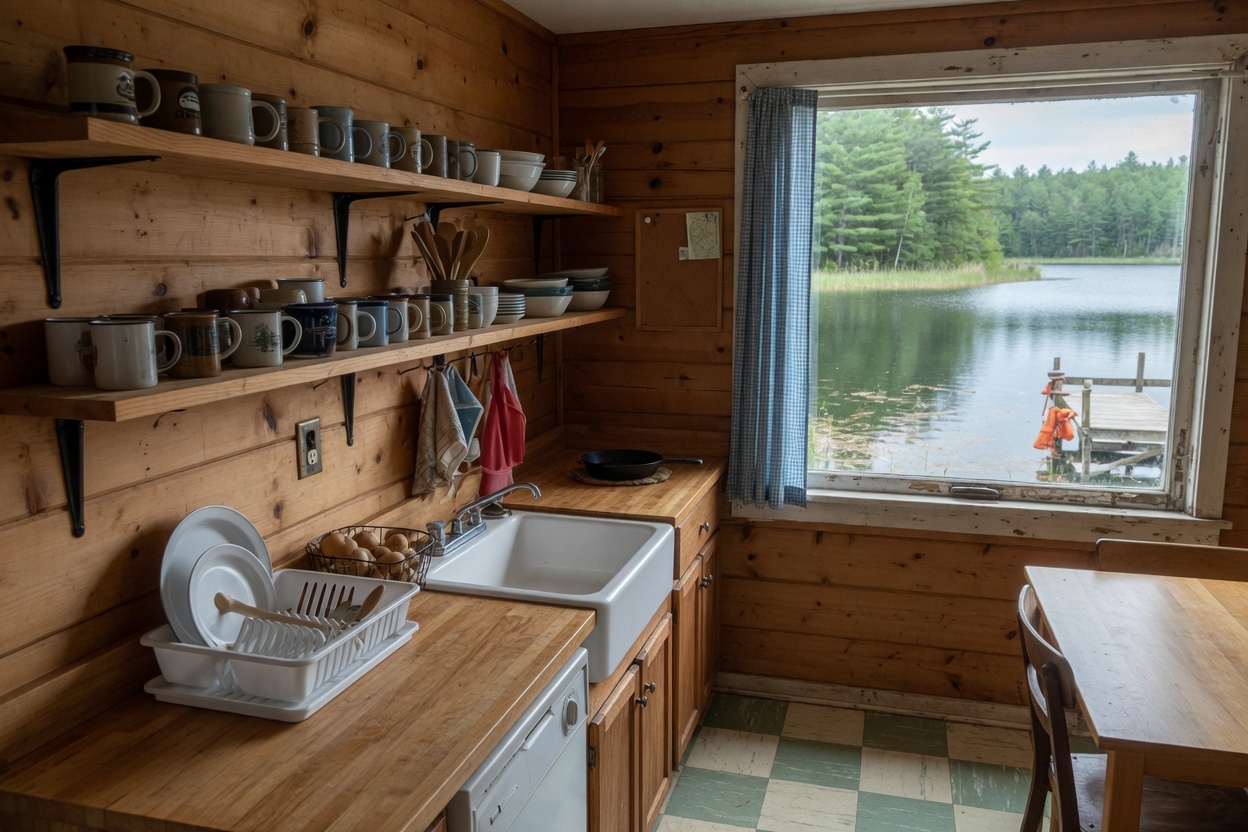
A wide lens, a low angle, and a bright sky can turn a modest water view into something that looks a lot bigger and closer than it actually is. That gap between the photo and the real view is exactly the kind of thing a guest notices the moment they step outside, and it's the failure mode this guide exists to prevent: listing photos that oversell scale and proximity to water while the actual parking, access, and arrival experience haven't been described with the same honesty.
The fix isn't a photography trick, it's a discipline: write and photograph the listing against the questions a guest already asks, where to park, how access works, what the quiet hours are, and what they'll actually see first when they arrive. A dramatic water-and-sky shot is only useful if it's still recognizably the same view a guest will stand in front of on day one.
This isn't a claim about revenue lifts or booking gains from better photos; those numbers aren't something this guide will mint. It's a plain discipline for keeping the visual pitch and the physical reality in sync. This is not legal advice.
Match the Photo to What a Guest Will Actually See
The test for any water or sky photo on a listing is simple: would a guest standing in the same spot, at a similar time of day, see roughly what the photo shows? A wide-angle lens compresses distance and exaggerates how close a shoreline or a horizon looks; used carefully, it's a legitimate photography tool, but used to make a narrow water glimpse look like a wraparound view, it's setting up the exact disappointment a guest feels on arrival.
The same caution applies to sky. A dramatic sunset shot is a fair thing to include in a gallery, but it shouldn't be the only representation of what the property looks like, especially if that lighting is rare rather than typical. Pair a striking golden-hour shot with an honest daytime shot of the same view so a guest has both the appeal and the accuracy.
Five Anti-Patterns Worth Avoiding
There are five common patterns that quietly undermine an otherwise good gallery, and they're worth naming directly: chasing an impressive-looking shot without being able to point to where exactly it was taken from, pausing guest replies to rebuild a photo set instead of answering the guest in front of you, ignoring an accuracy complaint about a photo instead of fixing the listing, measuring success only by how polished the gallery looks rather than whether guests arrive with accurate expectations, and treating a good photo as proof of a good stay when the parking and access copy underneath it still isn't accurate.
The composite version of this failure mode is a familiar one: a host chases an impressive water-and-sky photo while the parking and access instructions underneath it still don't match reality. Guests complain, and no amount of gallery polish fixes that complaint. The photo earns the click; the accurate details underneath it keep the guest satisfied once they've booked.
Put the Honest Version in the Fields Guests Actually Read
The listing title, the about section, the house rules, and the first photo specifically are where a guest forms their real expectations, more than any single dramatic shot deeper in the gallery. If the first photo shows a sweeping water view captured from an angle or a lens that exaggerates the actual proximity, that's the single most consequential place to fix first, since it's the image most guests see before they read anything else.
When the photo and the actual property disagree, the honest version should win the same day, not after a guest leaves a review pointing out the gap. And if a co-host or property manager is describing the water view differently in messages than the listing itself shows, that's worth aligning immediately, since guests notice when the pitch changes between the listing and the conversation.
Know When the Gallery Is Honest Enough
This work has a real stopping point. Once guest inquiries stop asking for clarification about the water view or the actual distance to the shoreline, and once reviews stop mentioning a gap between the photos and the reality, the gallery is doing its job. There's no need to keep rebuilding it past that point.
This guide won't guess at revenue lifts, ADR moves, or ranking weights tied to better photography, and it won't guess a peak season or booking pattern that isn't part of the property's own documented history. What it will say plainly: an honest water-and-sky photo, paired with accurate parking and access copy, prevents more guest frustration than any single dramatic shot ever earns back in bookings.
Related Reading
More independent-host reading on honest listing copy, distribution, and when hiring help is worth it.
Frequently Asked Questions
What's the main risk with water and sky photos on a listing?
A wide-angle lens or dramatic lighting can make a view look bigger, closer, or more dramatic than what a guest actually sees on arrival, which sets up disappointment the moment they step outside.
Should I remove dramatic sunset or golden-hour shots from my gallery?
No, but pair them with an honest daytime shot of the same view so guests see both the appeal and the accurate, everyday reality.
What are the anti-patterns to avoid with listing photography?
Chasing an impressive shot without being able to place where it was taken, pausing guest replies to rebuild photos, ignoring accuracy complaints, measuring only how polished the gallery looks, and treating a good photo as proof when the parking and access copy underneath still isn't accurate.
Which photo matters most to get right?
The first photo, since it's what most guests see before reading anything else. If it exaggerates the water view's scale or proximity, fix that one first.
What should I do if my co-host describes the view differently than my listing photos show?
Align the description the same day. Guests notice when the pitch in messages doesn't match what the listing itself shows.
How do I know when my gallery is honest enough?
When guest inquiries stop asking for clarification about the water view or shoreline distance, and reviews stop mentioning a gap between the photos and reality.
Does better photography guarantee more bookings or higher rates?
This guide doesn't promise or mint specific revenue, occupancy, or ranking outcomes from photography changes. The goal is accuracy, not a guaranteed lift.
How do water and sky photos go wrong on scale for hosts?
Wide water or sky frames can erase the real size of the deck, dock, or living room the guest will actually use. Lead with a frame that shows furniture scale or a doorway reference, then use the vista as support—not the only hero. If the water is a walk or a drive away, say so in the caption instead of implying shoreline at the steps. Honest scale keeps the booking aligned with the stay you can deliver. Edit for clarity of the property first; atmosphere second.
Work with Crest & Cove Creative
Photography, Water, Sky, and Honest Scale: A Guide for Hosts only works when the listing shows operable facts guests can check. Cut soft slogans that hide the real stay.
Stand where your first photo was taken and ask honestly whether it still matches what a guest will see on arrival. Reach out at crestcove.co or (256) 998-7502 if you want a second opinion on your gallery.
Reach out at crestcove.co or (256) 998-7502.


Comments