
Costs Start Santa Cruz Peak Occupancy Is Not the Year

Updated: Aug 28
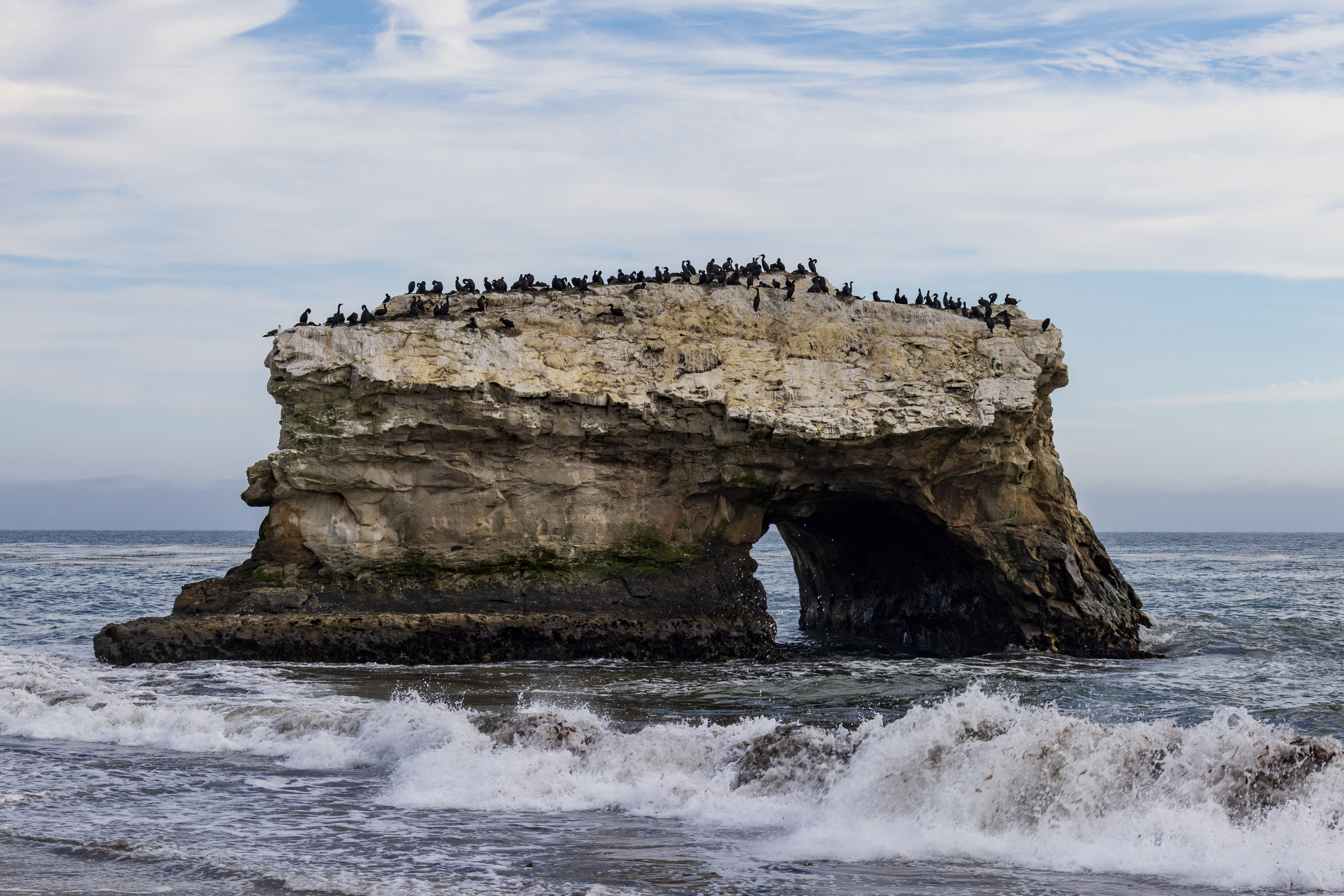
Startup cost for a Santa Cruz County short-term rental is not a furniture catalog and it is not Visit Santa Cruz’s $1.436 billion visitor-spend line. It is the cash that leaves your account before a guest can legally occupy the house: the building, the right to operate under the city or the county, TOT enrollment, photographs that sell the night, a furnish you can defend without a fake total, and enough reserve to sit through a waitlist or a wet winter. If the clerk will not give you a permit, the sofa is a second-home sofa.
This page is a sequence, not a price list. We will not invent a Santa Cruz median sale price, a contractor bid, or a “typical furniture package.” We will put Ordinance 5497 and the city hosted rule in front of every dollar you are tempted to spend. Theregulationpost holds the table: DASDA 3/4, LODA 262/18, SALSDA 147/45, outside 270/185, one permit per person/entity/property. Themarket reportstill has no locked AirROI extract and will not lend you a $771 ADR to annualize. Financing , DSCR versus a second home , is thenext post.
City of Santa Cruz is a different startup than unincorporated county. Capitola is a third conversation. Do not copy a Live Oak fee stack onto a West Cliff house, and do not copy city 14 percent TOT onto Aptos. A purchase-and-sale that is silent on permit transfer, hosted occupancy, and ADU status is a document that left the entire startup thesis on the sidewalk. Put those conditions in writing or treat the house as a home from day one.
What startup means in this county
Startup here is four stacks. One: buying or placing the building, including closing and the repairs that keep an inspector from walking away. Two: the right to operate , county non-hosted or hosted, or city hosted, and only if the parcel is eligible. Three: the listing a guest will believe , photos of the actual walk, copy that names the town on the mailbox, a speed test if you want aremotemonth. Four: cash to survive the first slow season after you open, because Highway 17 day-trippers do not automatically become nights.
It does not mean throw pillows. It does not mean a share oftourism$1.436 billion. It does not mean amortizing one furniture truck across three LLCs. The county allows one short-term rental per person, entity, and property. You cannot spread a sofa budget over a roll-up this ordinance will not allow you to build. Startup cost for a Santa Cruz County short-term rental is not a furniture catalog and it is not Visit Santa Cruz’s $1.436 billion visitor-spend line.
Professionally managed density is still thin in this cluster’s snapshot , a modest Vacasa city footprint, no dedicated AvantStay page. Assume you are buying photos and a cleaner in your own name. A manager cut is optional. The permit is not. If you live in another state, the cleaner and a local contact are not optional either. Distance is the failure mode the ordinance cannot save you from, and it shows up as a startup line item before it shows up as a bad review.
Confirm the parcel can take a permit before you spend
Email vacation.eplanreview@santacruzcountyca.gov with the APN, or call John Jezek at (831) 420-5305 if the pin is inside the city. Ask which row, whether a permit remains, whether an ADU sits on the parcel, whether block density or adjacency already closes the street, and whether you already hold a permit. An ADU or junior ADU on the parcel is a hard no on the ordinary county and city paths. Apartments, mobile-home parks, and affordable units are closed at the county. City new non-hosted is closed.
If the answer is waitlist, the $145 annual fee is a real line and a July 15 / January 15 review is not a date you can furnish toward. Price the house as a house. Theinvestmentpost already said a waitlist is an option that may not vest. Startup math that assumes day-one income on a closed cell is not conservative. It is fiction.
If the answer is open, still do not order the sofa until TOT enrollment and the planning packet are in motion. A furnished ineligible house is the most expensive second home on the block. Thezonespost is how different those answers are in Davenport versus Live Oak. If the clerk will not give you a permit, the sofa is a second-home sofa.
County fees and city fees you can actually cite
County fees on the current short-term rental page: **new non-hosted.90** for three bedrooms or fewer and **.45** for four or more; **new hosted $660.95**; non-hosted renewal **.90**; hosted renewal **$570.55**; waitlist **$145** a year. Those numbers move. Recheck cdi.santacruzcountyca.gov the week you pay. They are non-refundable. The county tells you to ask about availability before you apply so you do not pay into a closed cell.
City hosted applications run through tot.cityofsantacruz.com or a paper packet at 809 Center Street. The permit fee is on the city’s planning fee schedule , quote the current line the week you apply, Leave out unverified it here. After issuance you enroll in Residential Rental Inspection Service and pay that annual fee from the same schedule. Hosted means you live in the home more than six months a year. That occupancy is part of startup. A “hosted” file you do not occupy is a compliance problem, not a cheaper application.
Two governments means two fee stacks. Do not add them. Pick the clerk who owns the pin. Zoning information at the county is (831) 454-2130. City planner for STRs is John Jezek, (831) 420-5305. A listing agent who quotes “Santa Cruz County fees” on a city parcel is not a source. Pull the tax bill, then pull the matching fee schedule. Thezonespost will not fix a bad pin. The assessor will.
TOT, TMD, and the inspection you will actually get
County TOT is the Treasurer-Tax Collector at 701 Ocean Street, (831) 454-2510. The planning application wants a TOT certificate or a signed tax application in the packet. Confirm the current unincorporated rate there. Do not paste city **14 percent** onto Aptos. City residential STRs are 14 percent; commercial lodging is 12 percent, effective January 1, 2023 on the finance page. TMD nightly assessments apply countywide; the city lists new tiers as of July 1, 2025.
CruzAware appears on the county renewal checklist. City RIS is an annual inspection enrollment. Proof of significant use, TOT paid, the current listing, and house rules come back at renewal. A startup budget that ignores the first renewal is a budget that assumes the permit is a trophy. It is not. Theregulationpost is the checklist. Budget time as well as money. ePlan and a 30-day city review cycle are idle months if you already bought furniture. Build that idle month into cash, not into a hope that the portal clears in four days.
Cleaning fees and platform fees often sit inside taxable rent. Ask the Tax Collector or city Revenue at (831) 420-5070, not a host forum. This page will not invent a cleaning-fee rule. We will not invent a Santa Cruz median sale price, a contractor bid, or a “typical furniture package.” We will put Ordinance 5497 and the city hosted rule in front of every dollar you are tempted to spend.
Photographs, copy, and the overnight listing
Themarketingpost is the craft. Startup is the invoice. Budget a photographer who will shoot the actual walk at the actual hour , West Cliff at first light, a Felton grove, an Aptos creek, a Davenport bluff , not a Boardwalk ticket stub on the wrong URL. Budget a writer if you cannot cut “perfect for families and couples and remote workers.” In an one-permit market a photo-and-copy project is often cheaper than a year of the wrong guest or a 25 percent manager cut.
This cluster’s own image rule is the listing rule: the location in the frame has to be the location in the house. A stock Napa vineyard on a Santa Cruz URL is a lie. A July crowd on a January listing is bait. Keep a gray-day set. Thevisitor guideis what the photos should match. Three: the listing a guest will believe , photos of the actual walk, copy that names the town on the mailbox, a speed test if you want aremotemonth.
Wi-Fi hardware that holds a call on a wet day is a startup line if you want winter months. A decorative fireplace is not an amenity. Heat that keeps a desk room working is the floor for theremoteproduct. Buy the heater. Do not buy the word “cozy.”. Theshouldercard , shorter stays, a real weekly discount, a working heat source , is how you convert some of that reserve into nights.
Furnish without a fake catalog total
We will not publish a “Santa Cruz furniture package” dollar. Coastal salt and mountain damp destroy cheap outdoor gear. Valley shade keeps things wet. Guest photos from West Cliff and from Felton set different finish standards. Budget for the house you have, get three local bids, and put a range in your own spreadsheet labeled as a range. A national blog’s starter kit is not a primary source.
Safety gear is not optional color. Smoke and carbon monoxide alarms, a charged extinguisher, and whatever the current city or county packet names. Confirm the list on the application the week you buy. Inspections happen. Startup that skips detectors is not lean. It is a failed inspection. It is the cash that leaves your account before a guest can legally occupy the house: the building, the right to operate under the city or the county, TOT enrollment, photographs that sell the night, a furnish you can defend without a fake total, and enough reserve to sit through a waitlist or a wet winter.
Kitchen and linen capacity should match the bedroom count on the permit, not the party you are not allowed to host. LODA and SALSDA neighbors already live with a 20 percent density rule. A house staged like a dorm is a complaint. TheDIYpost is the neighbor paragraph. Buy fewer inflatable mattresses. Measuring guidance on the county’s “Measuring Your Vacation Rental” PDF is how bedroom count meets the fee tier. Do not guess yourself into the.45 line if you are a legal three-bedroom. Do not under-count to save a fee the inspector will not honor.
Cash to survive the first winter and the first wait
Peak summer does not pay for a closed January if you leave a seven-night minimum on the calendar. Theshouldercard , shorter stays, a real weekly discount, a working heat source , is how you convert some of that reserve into nights. Still hold cash. A new listing in a day-trip town will not open at a fantasy occupancy, and this cluster will not invent one. The first eight weekends are a sample, not a business. If those weekends are all day-trip inquiries, the listing is still a Boardwalk page. Fix the first photo before you spend another dollar on throw pillows.
If you are on the waitlist, the reserve has to cover a house that is not an STR. Insurance, utilities, and a neighbor who can see it is empty are carrying costs. Thefinancingpost is how a lender will look at that vacancy. Do not tell a lender you will be at 70 percent occupancy while you are $145 into a list staff review twice a year.
One permit means concentration. A missed Saturday turnover is 100 percent of your weekend, not 3 percent of a portfolio. Budget a cleaner and a backup cleaner before you need them at 3 p.m. That is startup, not operations theater. A startup budget that ignores the first renewal is a budget that assumes the permit is a trophy.
One permit, one stack, one honest total
Add only what you can source: down payment and closing (your purchase), posted permit fees, TOT enrollment time, inspection fees on the current schedule, photography and copy, a furnish range you bid locally, safety gear, mesh Wi-Fi if the walls need it, and three to six months of carry. Do not add a $771 × 200 nights revenue line to make the total feel smaller. Do not add a share of $1.436 billion.
If the clerk says no, stop. The rest of this page is a home budget. If the clerk says yes, spend in the order above , envelope, tax, listing, house, reserve , and read theinvestmentpost before you stretch the purchase price because the table looked scarce. Scarce and unpermitted is just expensive. Scarce, permitted, and listed for the night is the only stack that is an STR startup.
Write the total on one page with sources in the margin: county PDF, city fee schedule, Tax Collector, photographer bid, cleaner bid, insurance quote. If a line has no source, it does not go in the lender file and it does not go in your own head as a fact. Thefinancingpost is how that page gets read by a bank. This page is how you refuse to invent the furniture cell so the rest of the stack looks cheaper than it is. A complete, sourced, slightly ugly spreadsheet beats a pretty number you cannot defend on day 90.
Frequently Asked Questions
What does startup cost include in Santa Cruz County?
The property itself, the right to operate (city or county, depending on your parcel), Transient Occupancy Tax (TOT) enrollment, photography and copy that sell the actual night, a locally bid furnishing package, safety gear, and enough cash to sit through a waitlist or a wet winter. It does not include a share of the county's overall visitor spending or a market-wide average daily rate — neither of those figures is your startup cost.
What are the county application fees right now?
As posted on the county's current short-term rental fee page: a new hosted permit runs $660.95, and hosted renewal runs $570.55; waitlist enrollment is $145 a year. This pass could not confirm the exact non-hosted new-application and non-hosted-renewal fee amounts — those figures appeared as unfilled placeholders in the underlying research rather than confirmed numbers, so don't budget from a guessed figure there. Recheck the county page directly the week you pay, since fee schedules change.
Should I furnish before the permit issues?
No, not if the parcel's status is still uncertain. An ADU parcel, a closed application cell, or a two-neighbor adjacency issue can all turn a furnished house into an expensive second home. Email vacation.eplanreview@santacruzcountyca.gov with the APN for a county parcel, or call city planner John Jezek at (831) 420-5305 if the parcel is inside city limits, before you order furniture.
Is city startup the same as county startup?
No. New non-hosted permits are currently closed within the City of Santa Cruz; city hosted status means you live in the home more than six months a year, plus an RIS inspection. The county runs its own separate fee table and ePlan process. Confirm which government actually owns your parcel, and don't add the two fee stacks together as if they were one combined cost.
Can I spread furniture cost across several short-term rentals?
Not by stacking permits under one property — the county allows one short-term rental permit per person, entity, and property. If you're considering multiple LLCs to work around that limit, confirm the actual rule with the Unified Permit Center in writing before assuming it changes anything.
What TOT do I budget?
City of Santa Cruz residential short-term rentals owe 14 percent TOT. For unincorporated county parcels, confirm the current rate directly with the County Tax Collector at (831) 454-2510 rather than assuming the city's 14 percent applies — rates differ by area, including for communities like Aptos. A Tourism Marketing District (TMD) nightly assessment may also apply on top of TOT; confirm the current tier.
Do I need a firm furniture-package dollar figure for a lender?
Get three local bids and present the range as a range rather than a single locked total — a generic national 'starter kit' figure isn't a primary source a lender should rely on. Coastal salt air and mountain dampness both accelerate wear on cheap outdoor furniture, so under-bidding that category tends to cost more later, not less.
What if I'm on the county's waitlist?
Budget the $145 annual waitlist fee, and treat the property as a house, not yet an active short-term rental, until county staff confirm your cell has come up. The county reviews the waitlist twice a year, around July 15 and January 15 — that review date isn't something you can promise a lender as a firm opening date, so don't commit to an occupancy projection before your permit is actually issued.
Related Reading
Keep reading in the Santa Cruz market spine and nearby towns in the same region: same-cluster pages hosts can use without costume-corridor copy.
Santa Cruz California Report: AirROI Pins, Not Leftover Occupancy
Bay Area Wine Country vs Santa Cruz Mountains STR Market Report
This Market Host Guide: What Guests Actually Ask for Independent Hosts
Santa Cruz County 270 Permits: Clerks, Not Occupancy Ranking
Santa Cruz County Investment: AirROI Pins, Not Leftover Year
Patagonia Town Desk vs. Santa Cruz County: Which Desk Actually Governs
Work with Crest & Cove Creative
A Santa Cruz listing that copies Capitola's fee stack or Live Oak's rules onto a West Cliff house is marketing a property under the wrong town's story entirely.
We build listing copy specific to the city, Capitola, or unincorporated county line that actually applies, instead of one blended pitch for all three.
Reach out at crestcove.co or (256) 998-7502.


Comments